

 Yachting
Tips, insights, and inspiration for yacht owners and enthusiasts.
Why a Bill of Sale Is Crucial When Buying a Boat
Posted in Yachting When you're buying a boat—whether brand new or used—having a proper bill of sale is a critical part of the process. It’s not just a formality, but a document that provides legal clarity, proves ownership, and protects both buyer and seller from future disputes.
This guide explains what a boat bill of sale is, why it's important, and how to make sure your purchase is legally sound.
What Is a Bill of Sale for a Boat

A bill of sale is a legally binding document that confirms the transfer of ownership from one party to another. It typically includes:
- The make, model, and year of the boat
- The Hull Identification Number (HIN)
- The agreed sale price
- Names and contact details of both buyer and seller
- The date and location of the transaction
Without this document, the buyer may struggle to register the boat, secure insurance, or prove ownership if any legal issues arise. For the seller, it's the main safeguard confirming that the vessel has been transferred and they are no longer responsible for it.
In many countries, a bill of sale is required to complete the title transfer and is the key record that validates the transaction from a legal perspective.
Why It Matters to the Buyer
 For the buyer, a properly completed bill of sale provides several critical protections:
- Legal proof of ownership
- A paper trail that confirms the transaction
- Evidence that the seller had the right to sell the vessel
- Confirmation that the boat is free from liens or debts
- Required documentation for registering and insuring the boat
This document becomes the buyer’s official proof that the boat was acquired legally. It can also help when reselling the boat later or proving the purchase date in case of warranty claims.
Why It Matters to the Seller
For the seller, the bill of sale offers peace of mind and legal clarity:
- Confirms the exact date the vessel left their possession
- Provides written proof that the sale took place
- Releases them from liability for anything that happens after the sale
- Helps avoid future disputes over the condition or ownership of the boat
This is especially important in private sales, where no broker is involved and both parties must take full responsibility for documentation.
What Should Be Included in the Bill of Sale
A complete and well-drafted boat bill of sale should include:
- Full details identifying the vessel: HIN, registration number (if any), make, model, length, and year of manufacture
- Names, addresses, and signatures of both buyer and seller
- Date and location of the transaction
- Final sale price and payment method (cash, bank transfer, etc.)
- A section covering any terms, such as warranties, conditions, or as-is sale clauses
Optional attachments may include inspection reports, lists of onboard equipment, and recent photos. If the vessel is sold with any warranties or service commitments, these should be described in writing.
Regional Differences: UK vs US

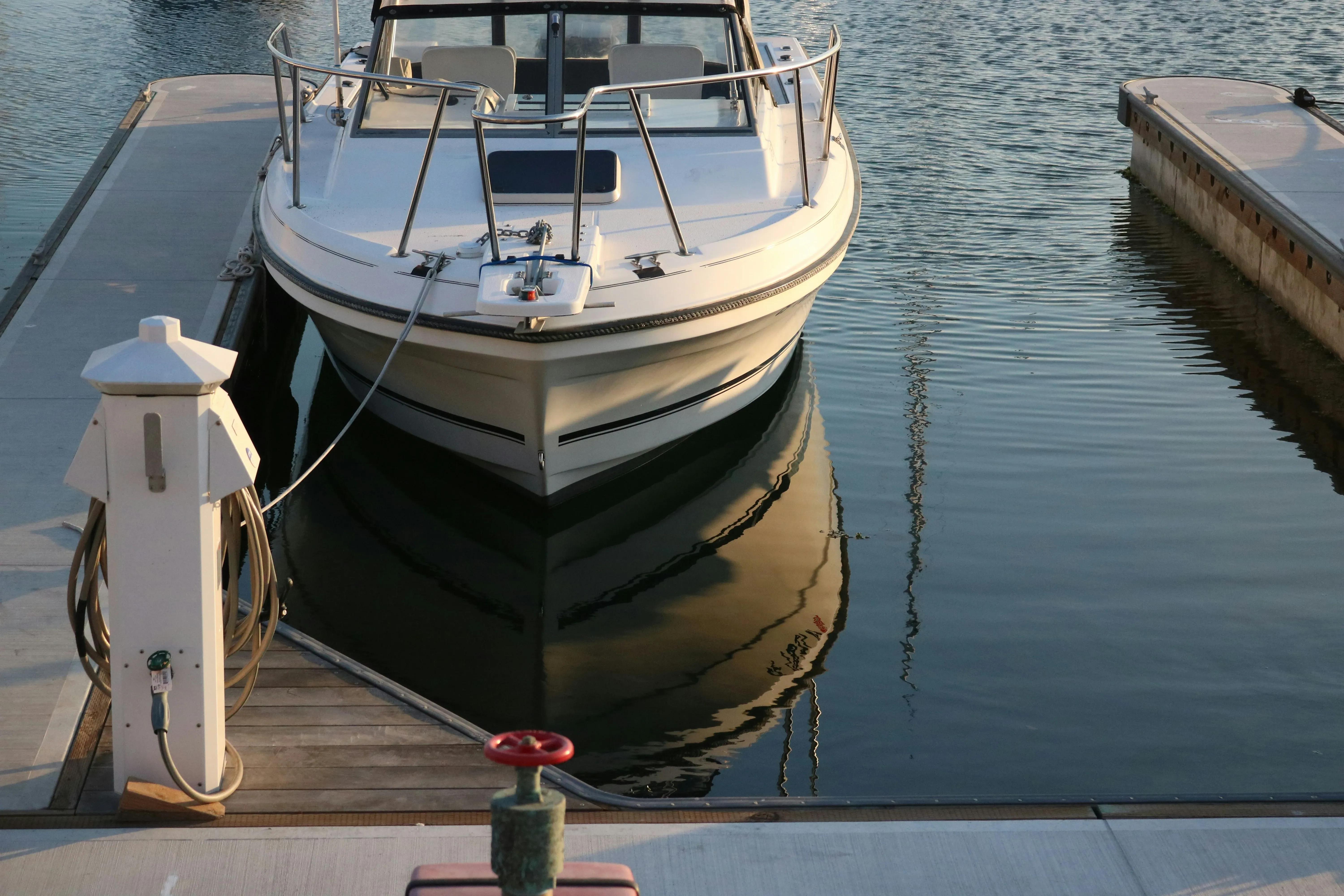 The requirements for transferring boat ownership vary depending on the country. Let’s take a closer look at how the process works in the United Kingdom and the United States.
The UK: MCA’s Official Bill of Sale (Form MSF 4705)
In the UK, the boat sale process includes a formal document known as MSF 4705, issued by the Maritime and Coastguard Agency (MCA). This four-page form is not just for show—it is a key legal instrument required for official registration.
Key points:
- The form is used to register the change of ownership in the UK Ship Register
- The buyer’s ownership is not fully recognized until this form is submitted and a new certificate is issued
- Without it, the buyer may have no legal right to use or transfer the vessel
For boats carrying the British flag and used internationally, registration is mandatory. Without proper documentation, the buyer could face complications in insuring or exporting the vessel.
The US: Coast Guard Bill of Sale (Form CG-1340)
In the United States, boat transactions involving federally documented vessels require Form CG-1340, issued by the Department of Homeland Security and the U.S. Coast Guard.
Here’s how it works:
- Used to officially transfer ownership of documented vessels
- Shorter and more concise than the UK form, but equally important
- Required for registration, insurance, and proof of clear title
Unlike the UK, not all boats in the US are federally documented. In many cases, registration is handled at the state level, and each state may have its own form or additional requirements. Still, having a properly completed CG-1340 form is essential for high-value or documented boats and can simplify future resale or legal verification.
A Historic Note: The 64 Shares System
One interesting tradition in maritime law is the division of vessel ownership into 64 shares, a system that dates back to the British Merchant Shipping Act of 1894.
The basics:
- A vessel is conceptually divided into 64 equal parts
- Ownership can be split among individuals or companies, allowing fractional ownership
- Shares can be sold, transferred, or used as collateral
This system was designed to allow multiple parties to co-own a ship while maintaining legal clarity. Although it's rarely used in everyday boat sales today, it still applies to some commercial and large vessels. It's a reminder of how deeply rooted maritime law is in tradition—and how modern contracts still reflect those principles.
What to Watch Out For: Missing or Incomplete Documentation
 Even if a boat seems perfect and the seller appears trustworthy, missing documentation should raise red flags. A bill of sale isn’t optional—it’s a vital part of the transaction. Here are a few recommendations to ensure a safe purchase:
- Ask the seller for the complete history of previous bills of sale
- Confirm that the seller has legal ownership of the vessel
- Check for liens or debts registered against the boat
- Include a delivery acceptance statement signed by both parties
- Consult a maritime lawyer or documentation specialist if in doubt
Without proper documentation, you may not be able to register the boat, insure it, or prove ownership in case of a dispute. A good rule to follow: no documents, no deal.
There are plenty of boats for sale, and walking away from an uncertain deal is always better than ending up with legal trouble or a worthless asset.
Conclusion
Buying a boat is a major investment, and every step should be handled with care. A bill of sale is more than just paperwork—it’s your legal protection. It documents the transfer of ownership, outlines the terms of the deal, and ensures compliance with local laws.
For buyers, it’s proof that the boat is theirs and can be registered and insured. For sellers, it confirms that they are no longer responsible for the vessel and have lawfully completed the transaction.
Make sure your boat purchase includes a properly executed bill of sale. If any documents are missing or something feels off, take a step back. The right paperwork today could save you from major problems tomorrow.


Learn more on the “Yachting”
To learn more on the “Yachting” or to get advice on how to buy or sell a yacht or get a great price for a yacht charter
please call +1 (954) 274-4435 USAOnly deal with professionals!
