
 Licensed Yacht BrokersSales and service of yachts and ships
LEXUS YACHTS - For Sale
Lexus Yachts
Company History
Lexus Yachts is the marine expression of Lexus, the luxury brand of Toyota Motor Corporation. While Lexus as an automotive marque was launched globally in 1989, Toyota’s commitment to boating dates back further through its Toyota Marine Department, which has developed diesel-powered cruisers and sportfishers for the Japanese market since the late 1990s. The Lexus Yachts initiative brings the design philosophy, craftsmanship, and hospitality principles that define Lexus automobiles into the world of luxury yachts.
A pivotal moment came in 2017 with the unveiling of the Lexus Sport Yacht Concept, a 42-foot composite dayboat conceived by Lexus Design to showcase how Lexus styling, performance thinking, and “omotenashi” (Japanese hospitality) could translate to the water. Built as a one-off concept in collaboration with an experienced American shipyard, the boat demonstrated lightweight construction techniques and offered a luxurious, automotive-inspired interior. Its reception among yacht owners and the global design community helped validate the vision for a production yacht.
Building on this momentum, Lexus officially announced the production LY 650, a 65-foot (approximately 20-meter) flybridge motor yacht that would embody the brand’s “L-finesse” design language at full scale on the water. Lexus enlisted the renowned Italian design studio Nuvolari-Lenard for exterior and interior styling refinement and partnered with Marquis Yachts in Pulaski, Wisconsin (USA) as the primary production builder. Lexus Design led the creative direction, ensuring the yacht’s lines, surfaces, lighting, and onboard ergonomics reflected the same meticulous attention found in Lexus flagship automobiles.
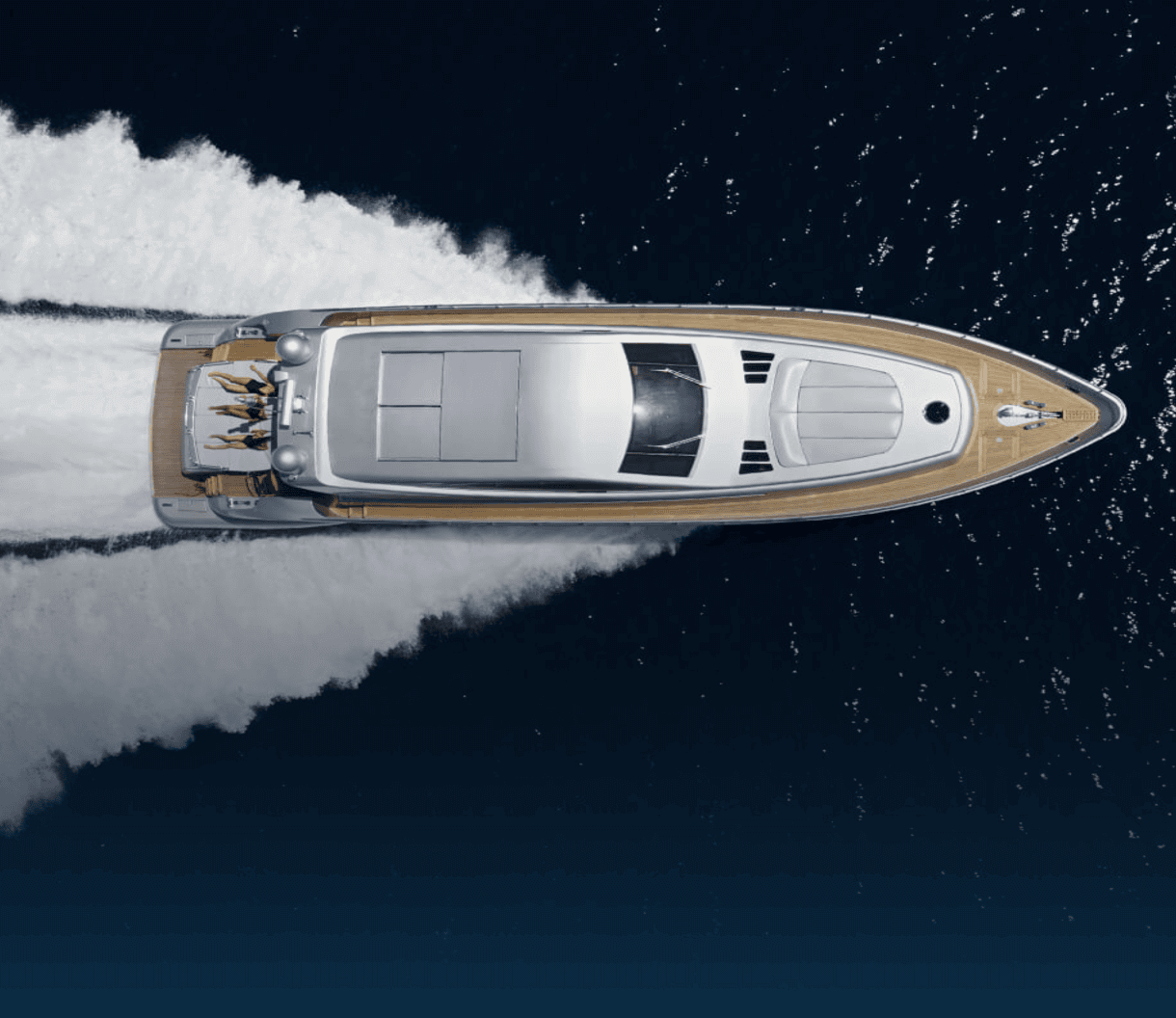
The LY 650 made its global debut in late 2019, with a premiere at the Fort Lauderdale International Boat Show. The yacht introduced hallmark Lexus values to the marine market: Takumi craftsmanship (master artisanship), quietness and refinement (NVH control), advanced technology integration, and a hospitality-focused interior layout. Its styling—with a powerful sheerline, pronounced bow, sculpted topsides, and flowing superstructure—deliberately referenced Lexus coupe proportions while remaining functionally a blue-water cruiser with generous living spaces.
Since its introduction, the Lexus Yachts program has come to represent a unique cross-industry collaboration model: an automotive design and brand experience applied to a yacht platform, realized through an international partnership with top-tier naval architects, interior designers, and a seasoned American builder. The result is a limited-production, highly curated yacht offering that emphasizes quality over volume and brings a new aesthetic point of view to the 60–70-foot luxury segment.
Country of Origin
Japan. Lexus is the luxury division of Toyota Motor Corporation, headquartered in Toyota City and Tokyo, Japan. Lexus Yachts originates from Lexus Design and the Toyota Marine Department, reflecting Japanese design values and craftsmanship, executed through global collaborations.
Manufacturing Locations
- Primary production for the LY 650 was carried out by Marquis Yachts in Pulaski, Wisconsin, USA. Marquis provided composite construction, assembly, outfitting, and sea-trial capabilities for the model, working closely with Lexus Design and the Lexus/ Toyota Marine engineering teams.
- Core engineering and design direction derive from Lexus (Toyota Motor Corporation) in Japan, with marine-specific expertise contributed by the Toyota Marine Department, which is based in Aichi Prefecture. Toyota Marine’s long-standing experience in building and servicing boats in Japan underpins engineering standards, supplier quality, and test protocols applied to Lexus Yachts projects.
- Styling collaboration and interior/exterior refinement were led with Nuvolari-Lenard in Venice, Italy, integrating European superyacht sensibilities with Lexus L-finesse design principles.
Ownership and Management
- Lexus Yachts is a brand initiative of Lexus, which is a division of Toyota Motor Corporation (TMC), a publicly listed company headquartered in Japan. The marine program is overseen by the Toyota Marine Department in coordination with Lexus Design and Lexus International.
- Build Partner: Marquis Yachts (Pulaski, Wisconsin, USA) served as the construction partner for the LY 650, providing hull fabrication, systems integration, interior joinery, and final commissioning under Lexus quality oversight.
- Design Partner: Nuvolari-Lenard (Venice, Italy) collaborated on the exterior profile and interior design, aligning the yacht’s aesthetics with contemporary superyacht cues while preserving Lexus brand identity.
- Strategic Direction: The Lexus Yachts program reflects Lexus’s broader brand philosophy championed at the highest levels of Toyota leadership: to extend Lexus-quality experiences beyond automobiles into other luxury mobility and lifestyle domains. Lexus Design provides the creative direction, materials curation, and user-experience framework for the yacht line.
Reputation and Quality
Lexus Yachts is recognized for transplanting Lexus’s most distinctive brand values into the marine segment. Several attributes define the brand’s reputation:
-
Takumi Craftsmanship: Lexus employs “Takumi”—master artisans with decades of experience—across its flagship automotive products. The same ethos guides Lexus Yachts, resulting in precision joinery, consistently tight tolerances, and refined finishes uncommon in series-built boats. Material selection, surface alignment, stitching patterns, and tactile quality of controls reflect the care associated with Lexus interiors.
-
Omotenashi (Hospitality): Lexus Yachts emphasizes comfort and thoughtful service design. From intuitive lighting and climate zones to storage solutions and traffic flow, the onboard experience aims to anticipate guest needs. Cabins and salons highlight calm, human-centered spaces intended for extended cruising and entertaining, not just day use.
-
Quietness and Ride Quality: Borrowing NVH (noise, vibration, harshness) suppression techniques from automotive engineering, the LY 650 was developed with an unusual emphasis on acoustic insulation, vibration isolation, and systems layout to reduce mechanical intrusion. The result is a quieter ride at speed and more restful overnight stays at anchor.
-
Global Collaboration, Singular Result: The coordination between Japanese design direction, Italian styling refinement, and American composite construction resulted in a yacht with world-class aesthetics and robust build standards. Nuvolari-Lenard’s superyacht experience brought proportion, glazing balance, and spatial coherence, while the U.S. shipyard contributed deep know-how in resin-infusion, structural assembly, and systems installation.
-
Design Recognition: Upon its debut, the LY 650 drew widespread attention in the international yachting press for marrying a bold automotive-derived profile with blue-water capability and a sophisticated, contemporary interior. Reviewers consistently highlighted the yacht’s fit-and-finish, material palette, and the seamless integration of technology into a luxury environment.
-
Service and Reliability Mindset: Rooted in Toyota’s production system and quality control, the Lexus Yachts program emphasizes robust supplier management, process discipline, and post-delivery support planning. While yachts differ from automobiles in scale and customization, the underlying commitment to reliability, documentation, and lifecycle support derives from the same heritage that defines Lexus on the road.
-
Limited, Curated Production: Lexus Yachts focuses on limited-volume builds to maintain a high standard of craftsmanship and customization. This approach aligns with expectations at the top end of the 60–70-foot category, where owners often prioritize individuality, materials quality, and aftersales attention over mass production.
Collectively, these characteristics position Lexus Yachts as a distinctive entrant in luxury yachting: a brand that fuses Japanese design philosophy and craftsmanship with European styling sensibilities and American build execution, delivering a refined, hospitality-first cruising experience.
Lexus Yachts (Español)
Historia de la empresa
Lexus Yachts es la expresión náutica de Lexus, la marca de lujo de Toyota Motor Corporation. Aunque Lexus como marca automotriz se lanzó globalmente en 1989, Toyota lleva décadas vinculada a la náutica a través de su Departamento Marino, responsable de embarcaciones de recreo para el mercado japonés desde finales de los años noventa. El programa Lexus Yachts traslada al mar la filosofía de diseño, el detalle artesanal y la hospitalidad que distinguen a Lexus.
En 2017, Lexus presentó el Lexus Sport Yacht Concept, una embarcación conceptual de 42 pies que demostró cómo el lenguaje de diseño de Lexus y su enfoque en la experiencia del usuario podían aplicarse eficazmente a un yate. El prototipo, construido en colaboración con un astillero estadounidense, recibió gran atención y cimentó la decisión de avanzar hacia un modelo de producción.
Posteriormente, se anunció el LY 650, un yate flybridge de aproximadamente 20 metros. Lexus confió a Nuvolari-Lenard (Italia) la depuración del diseño exterior e interior y seleccionó a Marquis Yachts (Pulaski, Wisconsin, EE. UU.) como socio constructor. Lexus Design marcó la dirección creativa, asegurando que líneas, superficies y ergonomía fueran coherentes con los valores de la marca. El debut mundial del LY 650 tuvo lugar a finales de 2019 en el Fort Lauderdale International Boat Show.
País de origen
Japón. Lexus es la división de lujo de Toyota Motor Corporation, con sede en Japón. Lexus Yachts nace de Lexus Design y del Departamento Marino de Toyota.
Ubicaciones de fabricación
- Producción principal del LY 650 en Marquis Yachts, Pulaski (Wisconsin, Estados Unidos), en estrecha colaboración con Lexus Design y los equipos de ingeniería marinos de Toyota.
- Dirección de diseño e ingeniería desde Lexus/Toyota en Japón, con el Departamento Marino de Toyota en la prefectura de Aichi.
- Colaboración de estilo con Nuvolari-Lenard en Venecia (Italia).
Propiedad y gestión
- Iniciativa de marca propiedad de Toyota Motor Corporation (Lexus es su división de lujo). El programa marino es coordinado por el Departamento Marino de Toyota junto con Lexus Design.
- Socio constructor: Marquis Yachts (EE. UU.) para el LY 650.
- Socio de diseño: Nuvolari-Lenard (Italia).
Reputación y calidad
- Artesanía Takumi, con acabados y tolerancias propias de Lexus.
- Enfoque en la hospitalidad (omotenashi), con espacios pensados para el confort y la vida a bordo.
- Reducción de ruido y vibraciones con técnicas de ingeniería derivadas del mundo del automóvil.
- Reconocimiento internacional por su diseño y calidad de fabricación.
- Producción limitada y altamente curada para mantener estándares elevados y personalización.
Lexus Yachts (Français)
Histoire de l’entreprise
Lexus Yachts est l’expression marine de Lexus, la marque de luxe de Toyota Motor Corporation. Après un concept de 42 pieds présenté en 2017, Lexus a officialisé le LY 650, un flybridge d’environ 20 mètres, conçu sous la direction de Lexus Design, affiné par Nuvolari-Lenard (Italie) et construit par Marquis Yachts (Pulaski, Wisconsin, États‑Unis). La première mondiale a eu lieu fin 2019 au salon de Fort Lauderdale.
Pays d’origine
Japon. Lexus appartient à Toyota Motor Corporation, dont le siège est au Japon.
Sites de production
- Construction du LY 650 chez Marquis Yachts, Pulaski (Wisconsin, États‑Unis), avec la supervision de Lexus/Toyota Marine.
- Direction du design et de l’ingénierie depuis le Japon (Département Marine de Toyota).
- Collaboration stylistique avec Nuvolari‑Lenard à Venise (Italie).
Propriété et direction
- Initiative de Lexus (division de Toyota Motor Corporation).
- Partenaires: Marquis Yachts (construction) et Nuvolari-Lenard (design).
Réputation et qualité
- Artisanat “Takumi” et finitions haut de gamme.
- Philosophie d’hospitalité japonaise (omotenashi) pour le confort à bord.
- Maîtrise du bruit et des vibrations inspirée de l’automobile.
- Image de marque forte, saluée par la presse nautique internationale.
- Production limitée, axée sur la qualité et la personnalisation.
レクサス ヨット (日本語)
企業沿革
レクサス ヨットは、トヨタ自動車のラグジュアリーブランド「Lexus」によるマリンプロジェクトです。2017年に42フィートの「Lexus Sport Yacht Concept」を発表し、その評価を踏まえて約20メートル級のフライブリッジ・ヨット「LY 650」を展開。デザインはLexus Designの指揮のもと、イタリアのNuvolari‑Lenardが外装・内装のリファインを担当し、米国ウィスコンシン州パラスキーのMarquis Yachtsが建造を担いました。世界初披露は2019年末のフォートローダーデール・ボートショーです.
原産国
日本(トヨタ自動車のレクサス ブランドによる取り組み)。
製造拠点
- LY 650の建造:米国ウィスコンシン州パラスキーのMarquis Yachts。
- 設計・エンジニアリング:日本のトヨタ・マリン部門とLexus Design。
- スタイリング協業:イタリア・ベネチアのNuvolari‑Lenard。
所有・経営
- レクサス ヨットはトヨタ自動車(Lexus)のブランド・イニシアティブ。
- 建造パートナー:Marquis Yachts(米国)。
- デザインパートナー:Nuvolari‑Lenard(イタリア)。
評判と品質
- 匠(Takumi)による高精度な造作と上質なマテリアル。
- おもてなし(Omotenashi)思想に基づく快適な船内空間設計。
- 自動車由来の静粛性・振動低減技術を追求。
- 国際的なヨッティングメディアからデザインと仕上げの高さで高評価。
- 少量生産による品質重視とパーソナライゼーション。
Lexus Yachts (Русский)
История компании
Lexus Yachts — морское направление бренда Lexus (Toyota Motor Corporation). После успешной презентации концепта Lexus Sport Yacht (42 фута) в 2017 году компания перешла к серийному проекту LY 650 — флайбридж‑яхте около 20 м. Общий дизайн-менеджмент осуществлялся Lexus Design, доводка экстерьера и интерьера — Nuvolari‑Lenard (Италия), строительство — Marquis Yachts (Поласки, Висконсин, США). Премьера состоялась в конце 2019 года на выставке во Форт‑Лодердейле.
Страна происхождения
Япония. Lexus — подразделение Toyota Motor Corporation.
Производственные площадки
- Строительство LY 650: верфь Marquis Yachts, Поласки (штат Висконсин, США).
- Дизайн и инженерия: Lexus и морское подразделение Toyota в Японии.
- Партнёр по дизайну: Nuvolari‑Lenard (Венеция, Италия).
Собственники и руководство
- Бренд принадлежит Toyota Motor Corporation; морская программа курируется подразделением Toyota Marine совместно с Lexus Design.
- Строительный партнёр: Marquis Yachts (США).
- Дизайн‑партнёр: Nuvolari‑Lenard (Италия).
Репутация и качество
- Высокий уровень мастерства (Takumi), тщательная отделка и подбор материалов.
- Принципы «омотэнаси» — ориентированность на гостеприимство и комфорт на борту.
- Снижение шума и вибраций, подходы из автомобильной инженерии Lexus.
- Положительные отзывы международной профильной прессы о дизайне и качестве.
- Лимитированное производство с акцентом на качество и индивидуализацию.
Lexus Yachts (中文)
公司历史
Lexus Yachts 是丰田汽车公司(Toyota Motor Corporation)豪华品牌 Lexus 的游艇计划。2017 年,Lexus 发布了 42 英尺的 Lexus Sport Yacht 概念艇,验证了将汽车设计语言与待客之道(Omotenashi)导入水上领域的可行性。随后推出的量产型号为 LY 650(约 20 米),由 Lexus Design 统筹设计,Nuvolari‑Lenard(意大利)参与外观与内装优化,美国威斯康星州 Pulaski 的 Marquis Yachts 负责建造。2019 年底在劳德代尔堡国际游艇展全球首发。
原产国
日本。Lexus 隶属于丰田汽车公司。
制造地点
- LY 650 的建造在美国威斯康星州 Pulaski 的 Marquis Yachts 完成。
- 设计与工程由日本的 Lexus 与丰田海事部门(Toyota Marine)主导。
- 造型合作伙伴为意大利威尼斯的 Nuvolari‑Lenard。
所有权与管理
- Lexus Yachts 为丰田汽车公司(Lexus)旗下品牌项目,由丰田海事部门与 Lexus Design 协同推进。
- 建造伙伴:Marquis Yachts(美国)。
- 设计伙伴:Nuvolari‑Lenard(意大利)。
声誉与品质
- 以日式匠心(Takumi)为核心,注重材料与细节。
- 强调 Omotenashi 待客之道,打造舒适、体贴的人性化船内空间。
- 引入汽车工程中的静音与减振理念,提升乘坐与居住体验。
- 获得国际游艇媒体关注与好评,造型与做工尤受认可。
- 采取小批量、精细化生产,突出品质与个性化定制。
Main Competitors
In the 60–75-foot luxury flybridge and sport-bridge motor yacht class, Lexus Yachts (centered on the LY 650/LY 680 concept) competes with established European and select Asian builders that emphasize design, craftsmanship, and owner experience. The most directly comparable brands and models include:
-
Azimut Yachts (Italy)
- Typical competitors: Azimut 66/68 Fly, Azimut 72 Fly, and the S‑class sportbridge equivalents.
- Why they compete: Strong brand presence worldwide, contemporary Italian styling, carbon-infused structures in select series, and broad dealer support. Azimut’s emphasis on design flair, large hull-side glazing, and lifestyle-centric layouts places it squarely in the same customer consideration set as Lexus Yachts.
-
Sunseeker (United Kingdom)
- Typical competitors: Manhattan 68, 65 Sport Yacht.
- Why they compete: Performance-forward DNA with a refined interior, robust dealer/service footprint in key markets, and a modern aesthetic. Owners who value sporty handling and British fit-and-finish often cross-shop Sunseeker with Lexus.
-
Princess Yachts (United Kingdom)
- Typical competitors: Y72, F65/F70 (depending on specification and model year).
- Why they compete: Princess is renowned for high-quality interiors, noise and vibration refinement, and practical long-range cruising arrangements—attributes that align closely with Lexus’s focus on quietness, hospitality, and craftsmanship.
-
Ferretti Yachts (Italy)
- Typical competitors: Ferretti 670, Ferretti 720.
- Why they compete: Ferretti’s balance of engineering discipline, luxurious accommodations, and Italian styling resonates with buyers prioritizing comfort and brand prestige, much like the Lexus ethos on the water.
-
Absolute Yachts (Italy)
- Typical competitors: Absolute 62/68/70 range.
- Why they compete: Efficient volumes, expansive glazing, and livability. Absolute’s emphasis on ergonomic interiors and owner-operator friendliness is attractive to the same demographic that appreciates Lexus’s omotenashi-driven design.
-
Prestige Yachts (France)
- Typical competitors: Prestige 690, X70 (depending on layout preference).
- Why they compete: Contemporary lines, smart use of space, and competitive pricing versus fully custom builders. Prestige targets owners seeking modern lifestyle features with reliable global support.
-
Galeon (Poland)
- Typical competitors: Galeon 640 Fly and neighboring sizes.
- Why they compete: Innovative deck engineering (e.g., fold-out balconies, transformer terraces) and aggressive styling appeal to buyers exploring inventive space solutions—an audience that may also be drawn to Lexus’s design-forward approach.
-
Horizon Yachts (Taiwan)
- Typical competitors: Horizon E62/E70/E75 and select V or FD series sizes.
- Why they compete: Semi-custom capability, high build quality, and strong engineering depth. For clients who value bespoke features and low-volume, high-attention builds—core tenets of Lexus Yachts—Horizon is often on the shortlist.
-
Riva/Pershing (Italy; Ferretti Group)
- Typical competitors: Riva 66 Ribelle, Pershing 7X (more performance-oriented).
- Why they compete: For buyers considering a more sporting or design-icon route, these models represent stylish alternatives in a similar size bracket, albeit with a different mission profile.
-
Sanlorenzo (Italy)
- Typical competitors: Sanlorenzo SL72/SL78 (size adjacency) and SX76 (crossover concept).
- Why they compete: Boutique, ultra-refined approach to materials and interior architecture, attracting owners who prize a curated, artisanal experience, similar to the Takumi-driven philosophy Lexus promotes.
In terms of buyer decision criteria—design identity, craftsmanship, quietness, aftersales, and dealer reach—Lexus Yachts is most often compared with Azimut, Princess, Sunseeker, and Ferretti, with Horizon and Absolute as compelling semi-custom and value-rich alternatives.
Current Production Status
-
Initial series production: The Lexus LY 650 entered limited production with its world debut in late 2019. Construction was undertaken in the United States by Marquis Yachts (Pulaski, Wisconsin), working in close concert with Lexus Design and the Toyota Marine Department for design intent, quality oversight, and engineering integration.
-
Partner disruption and pause: In 2020, the American builder associated with the project ceased operations amid broader industry and pandemic-related pressures. This event effectively paused U.S.-based production of the LY 650. The cessation affected not only Lexus’s ramp-up but also other models built at the same facility, causing a supply-chain and logistics reassessment for the Lexus marine program.
-
Continuity of the Lexus marine initiative: Lexus/Toyota Marine continued to support existing owners and evaluated pathways to carry the concept forward, consistent with the brand’s emphasis on quality over volume. While the immediate U.S. production halt constrained short-term output, the Lexus marine initiative itself did not end; instead, it pivoted toward future evolution of the platform and product.
-
Announced evolution (LY 680): Lexus/Toyota Marine subsequently communicated plans for an evolved version of its yacht concept—referred to publicly as LY 680—incorporating layout and design updates such as an extended swim platform and a reconfigured flybridge, alongside interior refinements. Communications indicated a focus on the Japanese domestic market under Toyota Marine’s sales framework, with limited-production intent aligned to Lexus’s boutique approach. Specific factory allocation, build partners, and detailed start-of-production timelines have been conveyed through Toyota Marine/Lexus channels as they progress; the overarching message is continuity of the Lexus yacht vision with a measured, curated production philosophy.
In short, while U.S.-based series production of the LY 650 was paused due to the builder’s closure in 2020, Lexus has continued to cultivate the brand’s marine presence and has signaled forthcoming production under an evolved specification.
Production Volumes
-
Public disclosure: Neither Lexus nor Toyota Marine has publicly released comprehensive production totals for the LY 650. Given the program’s limited-run philosophy and the external disruption at the original U.S. shipyard in 2020, cumulative quantities to date remain low by design and circumstance.
-
Segment context (for orientation, not Lexus-specific counts): In the 60–75-foot premium flybridge category, leading series builders (e.g., Azimut, Princess, Sunseeker, Prestige, Absolute) typically produce dozens of units per model across multi-year cycles, with overall brand throughput spread across many models. Semi-custom builders (e.g., Horizon) often operate on lower-volume schedules emphasizing bespoke specifications. Lexus Yachts’ declared emphasis on craftsmanship, quietness, and a curated ownership experience suggests an output philosophy closer to the semi-custom/limited-production approach than to high-volume series production.
-
Implications for owners: Low-volume production commonly enables more extensive quality control, tighter supplier integration, and deeper personalization, but also fosters longer lead times and a build-to-order cadence. For Lexus Yachts, the program’s progression and careful evolution underline a commitment to maintaining quality benchmarks over chasing annual unit counts.
Because official numbers have not been published, any specific unit totals circulating in secondary sources should be treated cautiously unless confirmed directly by Lexus/Toyota Marine.
Latest News
-
Global debut of LY 650 (2019): Lexus unveiled its first production yacht, the LY 650, with a premiere at the Fort Lauderdale International Boat Show. The model translated Lexus’s L‑finesse design philosophy to a 65-foot flybridge platform, featuring sculpted hull sides, a flowing superstructure, expansive glazing, and an interior shaped by the brand’s omotenashi principles. The yacht’s build took place in the United States, with design refinement contributed by Nuvolari‑Lenard (Italy) and program direction from Lexus Design and Toyota Marine in Japan.
-
U.S. builder closure and program adjustment (2020): The American shipyard that constructed the LY 650 ceased operations in 2020, leading to a pause in U.S. production. Lexus maintained focus on owner support and evaluated alternatives to preserve the integrity and future of the Lexus yacht concept. This event became a key inflection point for the program, prompting a reassessment of supply-chain and build-partner strategies.
-
Continued brand presence and owner engagement (2020–2022): Despite the production halt, Lexus sustained its marine narrative through curated marketing, communications, and selective event participation, positioning the LY 650 as a halo expression of Lexus hospitality and Takumi craftsmanship on the water. The yacht remained a reference platform for Lexus’s cross-domain design philosophy, underscoring the brand’s intention to operate in the marine space with a long-term perspective.
-
Announcement of an evolved specification (LY 680) and Japan focus (2023 onward): Lexus/Toyota Marine publicly signaled an evolution of the LY platform under the LY 680 designation, highlighting notable updates such as an extended swim platform, expanded flybridge area, and interior enhancements aligned with owner feedback and regional usage patterns. Communications indicated prioritization of the Japanese domestic market through Toyota Marine’s established sales and service channels. The intent reflects Lexus’s measured, boutique approach—limited production, refined craftsmanship, and a strong emphasis on owner experience.
-
Technology and experience threads: Consistent with Lexus’s automotive DNA, the marine program has emphasized:
- Acoustic refinement and vibration suppression, translating NVH expertise to the marine environment.
- Human-centered ergonomics, lighting, and climate management to enhance onboard comfort and hospitality.
- Materials selection and joinery informed by Takumi craftsmanship, echoing the brand’s flagship automobiles.
- Integration of brand-synergy technologies (e.g., audio/infotainment and interface sensibilities aligned with Lexus standards).
-
What to watch next: As Lexus/Toyota Marine advances the LY 680 evolution, watch official Toyota Marine/Lexus channels for:
- Definitive production partner and facility disclosures tied to the evolved model.
- Firm timelines for order books, start of production, and first deliveries in the target markets.
- Technical specifics—propulsion options, weight optimization, hull refinements, electronics suites, and interior packages—reflecting lessons learned from the LY 650 and regional owner feedback.
- Aftercare and service frameworks that merge Lexus’s automotive-quality processes with marine-specific maintenance and warranty protocols.
Overall, the latest narrative around Lexus Yachts underscores a brand committed to translating its automotive virtues—quietness, craftsmanship, design coherence, and hospitality—into a limited-production yachting context. The 2019 debut of the LY 650 established proof of concept; the 2020 builder closure prompted a prudent reset; subsequent communications around the LY 680 indicate continuity with refinement. For prospective owners and industry observers, Lexus Yachts remains a distinctive, design-led alternative in the 60–70-foot luxury segment, with a forward path shaped by carefully chosen partners, curated production, and a focus on owner experience over volume.
Frequently Asked Questions
Question: What is Lexus Yachts, and how does it relate to Toyota and Lexus automobiles? Answer: Lexus Yachts is the marine expression of Lexus, the luxury brand of Toyota Motor Corporation. It applies Lexus’s design ethos (L‑finesse), craftsmanship standards (Takumi), and hospitality philosophy (omotenashi) to luxury motor yachts. The program originated from Toyota’s long-standing marine competence and was developed to offer a Lexus‑grade user experience on the water, emphasizing refined design, quietness, and thoughtfully curated onboard living.
Question: Which models are associated with Lexus Yachts? Answer: The first production model was the LY 650, a roughly 65‑foot flybridge motor yacht introduced publicly in 2019. Lexus also signaled an evolved version of this platform referred to as the LY 680, featuring dimensional and layout refinements. Earlier, in 2017, the Lexus Sport Yacht Concept (about 42 feet) served as a design and technology showcase but was not a production boat.
Question: Who designed and built the LY 650? Answer: The LY 650’s overall design direction came from Lexus Design, with exterior and interior refinement by the Italian studio Nuvolari‑Lenard. Production of the launch units was carried out by a U.S. shipyard experienced in composite construction, with Lexus/Toyota Marine providing engineering oversight and quality direction. This collaboration combined Japanese brand philosophy, Italian superyacht styling expertise, and American composite boatbuilding skills.
Question: What happened to production in the United States? Answer: The U.S. builder that produced the LY 650 ceased operations in 2020, which paused American production of the model. Lexus continued to support owners through appropriate channels and evaluated the best path forward for the marine program. The brand subsequently communicated an evolved specification of the yacht platform, indicating continuity with a deliberately limited, quality-focused production philosophy.
Question: What defines the onboard experience of a Lexus yacht? Answer: Lexus emphasizes quietness, smooth ride, and human-centered hospitality. Interiors are designed for calm, intuitive living at sea—with careful lighting, material choices, and ergonomics—mirroring the serenity and tactile refinement associated with flagship Lexus vehicles. The result is a yacht oriented toward extended, comfortable cruising and entertaining, rather than purely day‑boating.
Question: What are the typical propulsion and handling characteristics of the LY 650? Answer: The LY 650 was configured with twin diesel inboards on pod drives, a setup known for joystick docking and responsive low‑speed maneuvering. In its size class and configuration, owners typically see fast‑cruise speeds in the mid‑20‑knot range and top speeds around 30 knots or a bit more, depending on conditions and loading. The emphasis is less on raw top speed and more on smooth, composed performance with refined noise and vibration levels.
Question: How many cabins does the LY 650 have, and what is the general layout? Answer: The LY 650 is generally arranged with three guest staterooms and multiple heads, along with an aft crew space. The master suite spans the full beam amidships, with a forward VIP and a guest twin or double—layouts that balance privacy and social areas. The main deck includes a saloon and galley designed for entertaining, while the flybridge and aft cockpit focus on open‑air living.
Question: What materials and construction approaches are used? Answer: The yacht is built in advanced composites, employing resin‑infused laminates and selective carbon‑reinforcement in high‑load or weight‑critical structures. This method allows a strong, dimensionally consistent hull and superstructure, controls weight, and supports the refined finish Lexus seeks in fairing, paintwork, and interior joinery.
Question: Does the brand offer extensive customization? Answer: Within the curated Lexus design language, owners can typically specify interior materials, color palettes, and certain layout or equipment choices appropriate to the size class. The approach prioritizes a carefully harmonized aesthetic—rather than unlimited bespoke alterations—so that the finished yacht retains a distinctly Lexus identity while still reflecting the owner’s preferences.
Question: Is the yacht intended for owner‑operators or a professional crew? Answer: The size class (around 65 feet), pod propulsion with joystick control, and thoughtful deck ergonomics make owner‑operation plausible for experienced yachtsmen. However, some owners prefer to carry a captain and crew, particularly for extended cruising or higher service expectations. The presence of a dedicated crew cabin supports either operational mode.
Question: How does Lexus translate its automotive quietness to a yacht? Answer: Techniques familiar from automotive NVH (noise, vibration, harshness) control—such as strategic insulation, isolation mounts for machinery, attention to ducting and airflow, and thoughtful structural design—are adapted to the marine environment. The objective is to reduce mechanical and hydrodynamic intrusions so that conversations, music, and rest are more comfortable underway and at anchor.
Question: What kind of stabilization or comfort systems are expected on a yacht like the LY 650? Answer: Yachts in this segment commonly employ either gyroscopic stabilization, fin stabilizers, or both, alongside active trim systems and well‑tuned running surfaces. The exact specification may vary by build and owner choice. The intent is to complement the hull design with systems that limit roll and maintain composed trim across speeds.
Question: What differentiates Lexus Yachts from European competitors? Answer: Lexus introduces a distinctly Japanese design and hospitality perspective, paired with meticulous craftsmanship and an emphasis on serenity. While many European brands lean on expressive styling and performance cues, Lexus positions its yachts as calm, elegant sanctuaries with highly refined surfaces, lighting, and tactile details. The collaboration with an Italian design house ensures contemporary superyacht proportion and sophistication, while Lexus Design preserves the brand’s identity.
Question: How does service and aftercare work for a Lexus yacht? Answer: Support aligns with marine‑industry norms and leverages Toyota Marine’s experience in quality, documentation, and lifecycle management. Owners can expect structured commissioning, maintenance protocols, and technical documentation intended to reflect Lexus’s exacting standards. Availability of specific service arrangements varies by region, and owners typically coordinate through appropriate marine channels.
Question: What is the status of the LY 680 and how does it differ from the LY 650? Answer: The LY 680 was presented as an evolution of the LY platform, with changes that include an extended stern/swim platform, a more expansive flybridge, and interior refinements guided by owner feedback. The fundamental Lexus design philosophy remains intact—quietness, hospitality, and crafted detail—while spatial enhancements improve outdoor lounging and tender/swim access. The model reflects a measured approach to advancing the platform rather than a wholesale redesign.
Question: What kind of owner profile does a Lexus yacht suit best? Answer: Owners who value refined design, understated luxury, and a serene onboard environment tend to be drawn to Lexus Yachts. Typical buyers appreciate elevated fit‑and‑finish, thoughtful hospitality features, and an experience that feels meticulously curated rather than overtly aggressive or performance‑obsessed. Many also have familiarity with Lexus automobiles and the brand’s approach to quality.
Question: Is the Lexus Sport Yacht Concept relevant to current offerings? Answer: The 42‑foot Lexus Sport Yacht Concept was a technology and design demonstrator that validated the brand’s direction. Certain ideas—surface language, interior hospitality principles, and the aspiration for high craftsmanship—migrated into the production yacht. However, it remained a one‑off and did not become a series model.
Question: How should prospective owners think about resale and brand longevity? Answer: While any resale outcome depends on market conditions, product condition, and specification, yachts that introduce distinctive design with disciplined quality standards often build a reputation over time. In this case, Lexus’s broader legacy in quality engineering and craftsmanship supports confidence in brand longevity. That said, buyers should focus on build quality, maintenance records, and the coherence of the yacht’s specification to safeguard long‑term value.
Question: Are these yachts suitable for extended cruising? Answer: Yes. The LY platform emphasizes comfort over distance, with ample storage, well‑appointed staterooms, robust systems access, and multiple lounge areas. Fuel capacity and efficiency typical for the class allow practical coastal passages and island‑hopping, while sea‑keeping and stabilization systems contribute to comfort over longer itineraries.
Question: What sort of technology integration characterizes Lexus Yachts? Answer: Expect integrated helm displays, joystick maneuvering, digital switching or centralized control systems, and audio/lighting environments tuned for ease of use. Lexus’s approach favors intuitive interfaces and a seamless, uncluttered aesthetic, reducing cognitive load underway and at anchor.
Question: How does Lexus approach safety and structural integrity? Answer: Structural engineering focuses on a rigid, well‑supported hull and deck with proper bulkheading, robust bonding, and careful machinery installation. Fire detection and suppression systems, bilge management, and redundancy in critical systems align with best practices for the segment. The brand’s automotive‑informed quality mindset places strong emphasis on predictable performance and clear service access to vital components.
Question: Does Lexus Yachts focus on high‑volume production? Answer: No. Lexus’s marine initiative is intentionally limited in volume, prioritizing craftsmanship, detail, and a curated owner experience. This approach aligns with the expectations of buyers in the 60–70‑foot luxury segment who value quality, individuality, and attentive aftercare over mass production.
Question: How do conditions at sea influence the performance numbers often quoted for this class? Answer: Sea state, wind, current, fuel and water loads, gear carried, hull cleanliness, and even crew proficiency can materially affect speed, range, and handling. For that reason, speeds are typically discussed as ranges rather than absolute numbers, and sea‑trial data should always be interpreted in context.
Question: What is the interior design language like on a Lexus yacht? Answer: The interiors reflect Lexus’s calm, architectural minimalism: layered lighting, carefully grained woods, tactile leathers and textiles, and precisely aligned joinery. The goal is to create a sanctuary ambiance—relaxing, quiet, and intuitive—rather than an overly ornate appearance. The result is an interior that ages gracefully and pairs well with contemporary art and furnishings.
Question: Are there specific hallmark exterior design cues? Answer: Yes. Hallmark elements include a flowing superstructure line, sculpted hull flanks with pronounced surfaces, generous glazing, and a balanced flybridge form. The sheerline and hardtop volumes are managed to evoke Lexus’s coupe‑like tension while maintaining the functionality and seaworthiness expected of a serious cruising yacht.
Question: How does Lexus consider sustainability or efficiency in this context? Answer: Within the constraints of a performance‑capable composite motor yacht, design attention is given to efficient hull forms, weight management via advanced laminates, and propulsion choices that balance thrust with fuel burn. Material selection and construction methods focus on durability and serviceability, which helps extend lifecycle value and reduce waste over time.
Question: How does the brand’s “omotenashi” philosophy manifest practically? Answer: Omotenashi—Japanese hospitality—appears in small, cumulative details: logical stowage where you need it, lighting that anticipates movement and mood, climate control that quietly maintains comfort, and sightlines that keep guests oriented and relaxed. It’s also evident in the careful transition between indoor and outdoor spaces, ensuring social zones feel connected yet distinct.
Question: What is the typical ownership experience like? Answer: Owners can expect a “boutique” ownership journey: attentive build specification, detailed commissioning, and a focus on fit‑and‑finish supported by clear documentation. The yacht’s systems are laid out with service access in mind, easing regular maintenance and long‑term reliability.
Question: Where does the LY 680 focus its improvements? Answer: The LY 680 iteration prioritizes deck‑life enhancements—particularly a lengthened aft platform and a more expansive flybridge—alongside interior refinements. The intent is to improve day‑to‑day enjoyment of the key social areas and to facilitate water access and tender handling, while preserving the core Lexus design identity and quiet ride characteristics.
Question: How does the brand position itself against performance‑centric offerings? Answer: Lexus Yachts leans into serene luxury and crafted detail rather than outright speed. While performance is credible for the segment, the overarching objective is a restful, beautifully executed environment that rewards long hours aboard, whether cruising or at anchor.
Question: What should a prospective owner evaluate during a sea trial? Answer: Consider helm sightlines, joystick and throttle response, turns at multiple speeds, noise and vibration at various RPMs, stabilization effectiveness, ergonomics of the galley and social areas, and the comfort of each stateroom underway. Also look at service access, locker volume, and how easily the crew—or owner‑operator—can perform routine tasks.
Question: How does the flybridge contribute to the experience? Answer: The flybridge is a primary social nexus, offering elevated views, helm control, and open‑air dining and lounging. On the LY 650 and evolved LY 680 layout, the flybridge is integral to the yacht’s identity, with seating and hardtop configurations designed to deliver comfort in a range of climates.
Question: What kind of tender and water‑access solutions are typical? Answer: In this size class, a hydraulic swim platform or extended stern arrangement is common for tender launch and recovery, swimming, and watersports. The evolved platform dimensions on the LY 680 reflect this use case, making the aft area more versatile as a beach club‑style space.
Question: Is there a distinct Lexus signature at the helm? Answer: Yes. Expect a clean instrument panel with harmonized screens, tactile controls, and a restrained aesthetic that favors readability and simplicity. The helm is designed to reduce distraction and cognitive load, allowing the captain to focus on situational awareness and smooth operation.
Question: How do interior acoustics benefit from the brand’s approach? Answer: Thoughtful placement of insulation, attention to machinery mounts, and isolation of vibration sources collectively improve the acoustic character of the saloon and staterooms. This results in quieter conversations at cruise and less fatigue over long passages.
Question: What best describes the overall promise of Lexus Yachts? Answer: A limited‑production, design‑driven luxury yacht that prizes serenity, craftsmanship, and hospitality—delivering a refined, distinctly Lexus experience on the water.
Available Models
-
LY 650 (Production Model)
- Length overall: Approximately 65 feet (about 20 meters), placing it squarely in the premium 60–70‑foot segment.
- Configuration: Flybridge motor yacht with a strong emphasis on indoor‑outdoor living. The exterior profile is sculpted with generous hull‑side and superstructure glazing to maximize natural light and visibility.
- Accommodations: Generally three guest staterooms plus an aft crew space. The full‑beam master suite amidships provides excellent volume and privacy; the forward VIP and a guest twin/double complete the guest layout. Multiple heads are provided, aligned with premium expectations in this class.
- Interior character: Calm, minimalistic, and richly tactile—woods, leathers, and textiles curated to echo Lexus flagship automobiles. Lighting is layered to support both practical tasks and relaxed ambiance.
- Propulsion and handling: Twin diesel inboards driving pods with joystick docking. This configuration is chosen for its maneuverability, efficiency at cruise, and integration with station‑keeping and electronic helm systems common to the segment.
- Performance: Owners typically experience fast‑cruise speeds in the mid‑20‑knot range and top speeds around 30 knots, subject to load, sea state, and specification. The hull and systems prioritize quietness and composure over chasing maximum headline speeds.
- Deck and social spaces: Aft cockpit for dining and lounging; flybridge with helm, seating, and sunning zones; forward deck lounge (depending on specification); and a stern platform suitable for swim and tender operations. The main deck saloon combines a social lounge with a galley configured for entertaining.
-
LY 680 (Evolved Specification)
- Concept: An evolution of the LY platform, presented with enhancements to deck architecture and social ergonomics while sustaining the Lexus design language and craftsmanship benchmarks.
- Length and arrangement: A modest increase in overall length, focused on an elongated stern/swim platform to improve water access and tender handling. The flybridge is expanded to create more generous lounging and dining configurations. Interior refinements target circulation, light, and functional storage.
- Accommodations: Continuation of a three‑stateroom arrangement plus crew, with Lexus’s hospitality‑driven detailing. Expected improvements are in the spatial feel—particularly where owners and guests spend the majority of their time.
- Propulsion and performance: Twin diesel inboards with pod drives remain the logical pairing for this class and mission profile, supporting joystick docking and efficient cruise. Anticipated performance broadly aligns with the LY 650 envelope, emphasizing smooth, quiet operation.
- Distinguishing features: The extended platform functions like a “beach” terrace, enhancing day‑boat utility without sacrificing the yacht’s cruising credentials. The flybridge’s increased volume underscores the brand’s focus on alfresco living as a central experience.
-
Lexus Sport Yacht Concept (Conceptual Precursor)
- Status: One‑off concept unveiled prior to the LY 650 to demonstrate a translation of Lexus’s aesthetic and experiential principles to a marine platform.
- Role: Served as a testbed for design language, material execution, and performance ideas; it contributed directional insight but did not enter series production.
Notes on specifications:
- Dimensions, layouts, and equipment can vary by hull and build period, as is typical in this segment. Owners often tailor materials and certain systems to suit their cruising style and climate.
- Performance and range are influenced by numerous variables, including load, fuel quality, sea state, and hull cleanliness; any quoted speeds are best understood as indicative ranges rather than fixed absolutes.
- Stabilization, audio/visual, and electronics packages are commonly configured to owner preference within the brand’s curated aesthetic.
Summary perspective on the lineup:
- The LY 650 established Lexus’s entry into luxury yachting with a clear signature: elegant, sculpted lines; a quiet, composed ride; and interiors defined by calm, human‑centric hospitality.
- The LY 680 signals Lexus’s willingness to refine what owners use most—the aft platform, flybridge, and interior flow—while preserving core brand tenets. Rather than proliferating multiple sizes at once, the strategy emphasizes doing one platform exceptionally well and evolving it with feedback.
- Together, these offerings position Lexus Yachts as a boutique, limited‑production alternative to high‑volume European models, appealing to owners who prioritize serenity, craftsmanship, and a cohesive design language over broad model catalogs.
Practical guidance for prospective owners:
- Focus on how the yacht feels underway and at anchor—sound levels, vibration, helm ergonomics, and the logic of daily life aboard.
- Consider how the aft platform and flybridge will be used in your typical cruising profile; the evolved platform on the LY 680 strongly favors social, water‑oriented living.
- Pay attention to service access and documentation quality. Lexus’s engineering culture places value on clarity and maintainability, both important for long‑term enjoyment and asset care.
- Align interior materials with intended usage (e.g., light vs. dark finishes for climate, durability of textiles for family/pet use), ensuring the calm Lexus aesthetic remains practical for your lifestyle.
By focusing on curated evolution, serene design, and Takumi‑grade detail, Lexus Yachts delivers a distinctive proposition in the 60–70‑foot segment: a yacht that prioritizes the art of living well on the water over sheer volume or headline performance metrics.

Learn more on the “LEXUS YACHTS”
To learn more on the “LEXUS YACHTS” or to get advice on how to buy or sell a yacht or get a great price for a yacht charter
please call +1 (954) 274-4435 USAOnly deal with professionals!