
 Licensed Yacht BrokersSales and service of yachts and ships
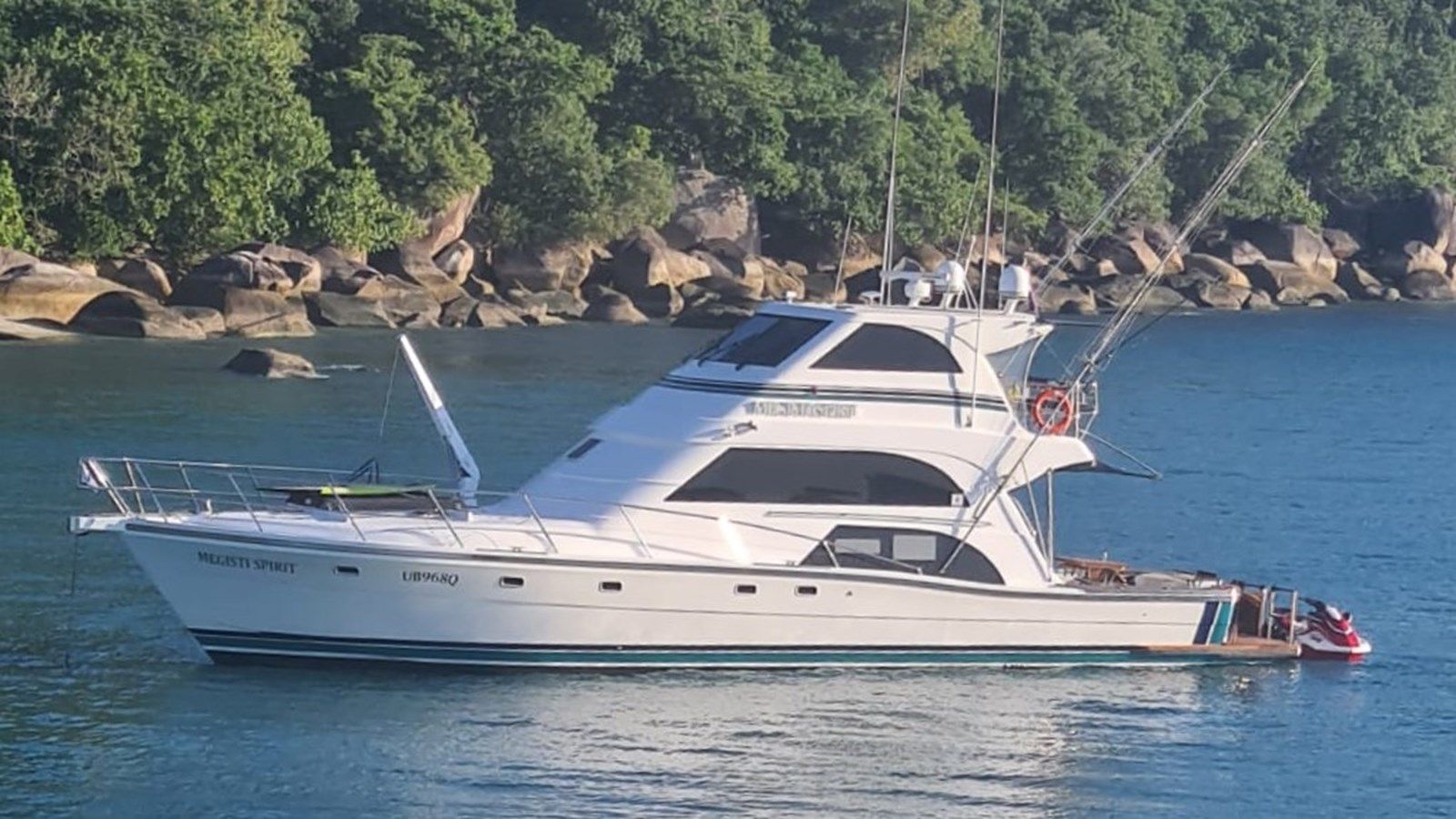
WESTCOASTER - For Sale
Westcoaster (Westcoaster Boats)
English
Company History
Westcoaster is a well-known Australian boatbuilding marque originating in Western Australia and best recognized for producing tough, seaworthy commercial fishing vessels—especially the classic “cray boats” used in the Western Rock Lobster fishery. The brand’s boats became a familiar sight along the Indian Ocean coast, where operators valued their ability to work safely and efficiently in exposed conditions. Over time, a significant number of Westcoaster vessels transitioned from pure commercial fishing roles into charter, tourism, diving support, coastal patrol, research, and private cruising, reflecting the hulls’ durability and adaptable layouts.
Westcoaster’s production centered on medium-length workboats built predominantly in fiberglass (GRP), with hulls and superstructures optimized for pot fishing and general offshore commercial duties. Boats are commonly identified by their length overall—for example, around the high-40-foot to 60-foot range—reflecting the practical, length-based way that Australian commercial fleets tend to reference working platforms.
Although Australian boatbuilding has evolved—with shifts in fishery structures, survey frameworks, and material preferences—the Westcoaster name remains closely associated with the archetypal Western Australian cray boat: a robust, practical, single-screw diesel workhorse designed to carry heavy traps, operate efficiently, and offer predictable handling in swell. Today, the brand’s legacy continues through a large and active second-hand fleet, many of which have undergone professional refits for new missions while preserving the original seaworthy DNA.
Country of Origin
Australia (Western Australia).
Manufacturing Locations
Production took place in Western Australia. Westcoaster boats were built and fitted out in WA to suit local operating requirements, sea states, and regulatory frameworks. The emphasis on WA manufacturing ensured close feedback loops with end users—commercial skippers and crews—so hulls, deck ergonomics, and systems evolved around real-world, daily use in demanding waters.
Reputation and Quality
-
Purpose-built workboats: Westcoaster vessels are recognized for their no-nonsense commercial specification. Typical features include generous open working decks for pot handling, protective coamings, practical wheelhouse arrangements, and robust structures to absorb daily heavy-duty operations. These boats were conceived as tools for professional mariners first and foremost, with simplicity, serviceability, and uptime prioritized over cosmetic complexity.
-
Seakeeping and hull form: The brand’s reputation is anchored in seaworthiness and predictability. Hulls are semi-displacement or displacement-leaning forms that favor soft motion, straight tracking, and safety margins when loaded. Characteristics commonly include a strong sheer for reserve buoyancy forward, suitable flare to deflect spray, and hull volumes that balance load-carrying with fuel efficiency at working speeds.
-
Construction approach: Westcoaster boats are typically heavy, hand-laid GRP by the standards of their era, with stout scantlings, substantial structural members, and reinforcements in high-load areas (pot haulers, davits, deck hardware landings, and engine foundations). This conservative construction style contributes to the brand’s long service lives and the continued viability of older hulls for repurposing and refit.
-
Power and systems: Most boats were designed around single-screw, inboard diesel installations—favored in Australian commercial practice for simplicity, efficiency, and torque. In service, Westcoaster hulls can be found with engines from widely supported manufacturers such as Caterpillar, Cummins, or Detroit Diesel, specified according to operator preference, duty cycle, and survey requirements. Systems layouts emphasize access for maintenance, durable commercial-grade components, and practical routing.
-
Survey pedigree and mission flexibility: Many Westcoaster vessels operate or have operated under Australian commercial survey (state legacy or AMSA), which speaks to baseline standards for structure, stability, and safety systems. This has enabled smooth transitions into new roles—charter fishing, snorkel/diving platforms, coastal tours, research, safety/patrol—because the hulls and layouts adapt readily to different deck gear, seating plans, and tankage needs.
-
Lifecycle value: A standout aspect of the brand’s reputation is longevity. Decades after launch, a large population of Westcoaster hulls remains active. Owners and skippers frequently cite predictable handling, ruggedness, and straightforward serviceability as reasons for retaining and refurbishing these boats rather than replacing them. The continuing presence of Westcoaster vessels in brokerage listings and in commercial fleets underscores enduring residual value.
-
Operator feedback: Among Australian commercial operators—particularly those with backgrounds in pot fisheries—Westcoaster boats are often regarded as dependable “workhorse” platforms. On refitted examples serving charter or private roles, passengers and owners commonly note stable at-sea behavior, ample deck space, and comfortable wheelhouse shelter as practical advantages when conditions become lumpy.
-
Influence on local typology: In Western Australia, where the Indian Ocean imposes distinct demands, the Westcoaster profile helped define what many consider the canonical WA cray boat: a high-utility platform that balances payload, range, and crew safety. Even as materials and stylistic trends have evolved, the functional blueprint that Westcoaster popularized remains evident in modern regional workboats.
-
Aftermarket and support ecosystem: Another reason the brand has endured is the extensive ecosystem of WA shipwrights, marine engineers, and surveyors familiar with these boats. Whether refitting for tourism, renewing survey, reconfiguring deck gear, or modernizing propulsion and electrics, owners can draw on abundant local expertise. This reinforces their practical value long after initial delivery.
In short, Westcoaster (Westcoaster Boats) holds a respected place in Australia’s commercial-marine story. The brand’s vessels combine conservative, heavy-duty construction with seakeeping and deck ergonomics that suit professional use—qualities that have also made them attractive for conversions to charter and private purposes across Australia and beyond.
Español
Historia de la empresa
Westcoaster es una marca australiana de construcción naval originaria de Australia Occidental, conocida por fabricar embarcaciones comerciales resistentes—especialmente los clásicos “cray boats” utilizados en la pesquería del Western Rock Lobster. Sus cascos de fibra (GRP) y cubiertas funcionales hicieron que la marca fuese adoptada por flotas que trabajan diariamente en mar abierto. Con el tiempo, muchas unidades pasaron del uso pesquero a actividades de chárter, turismo, buceo, patrulla costera, investigación y crucero privado.
País de origen
Australia (Australia Occidental).
Ubicaciones de fabricación
La producción se llevó a cabo en Australia Occidental, con construcción y armamento orientados a las condiciones locales del Océano Índico y a los marcos regulatorios australianos. Esta proximidad a los usuarios finales permitió que los diseños evolucionaran según la experiencia de capitanes y tripulaciones.
Reputación y calidad
- Embarcaciones de trabajo: plataformas prácticas, con amplias cubiertas para maniobrar nasas, equipamiento robusto y cascos pensados para la seguridad y la eficiencia diaria.
- Navegación: cascos de semidesplazamiento y desplazamiento ligero con comportamiento predecible, buena reserva de flotabilidad y capacidad de carga.
- Construcción: laminado manual pesado en GRP, refuerzos en puntos de carga y estructuras sólidas que favorecen una vida útil prolongada y refits exitosos.
- Propulsión: instalaciones diésel de eje simple, sencillas y eficientes, con componentes de grado comercial y fácil mantenimiento.
- Valor a lo largo del ciclo de vida: amplia presencia en el mercado de segunda mano y en servicio activo décadas después, gracias a su durabilidad y manejabilidad.
- Flexibilidad: numerosas unidades operan o han operado bajo survey comercial australiano, facilitando conversiones para chárter, turismo, investigación o patrulla.
Français
Histoire de l’entreprise
Westcoaster est une marque australienne née en Australie-Occidentale, réputée pour ses bateaux de pêche commerciaux robustes, en particulier les “cray boats” utilisés dans la pêcherie de langouste. Conçues pour des opérations quotidiennes dans une mer souvent formée, ces unités en fibre (GRP) offrent une ergonomie de pont efficace et une tenue à la mer rassurante. De nombreuses coques ont ensuite été reconverties pour le chárter, la plongée, le tourisme côtier, la patrouille et la plaisance.
Pays d’origine
Australie (Australie-Occidentale).
Sites de fabrication
La construction et l’aménagement étaient réalisés en Australie-Occidentale, en adéquation avec les conditions régionales et les exigences réglementaires australiennes. Le retour d’expérience direct des professionnels a façonné l’évolution des plans de carène et des aménagements de pont.
Réputation et qualité
- Bateaux de travail: plateformes simples et efficaces, ponts dégagés pour la manutention des casiers, structures solides et équipements dimensionnés pour l’usage intensif.
- Tenue à la mer: carènes à tendance semi-déplaçante privilégiant la stabilité, la charge utile et une marche régulière dans la houle.
- Construction: stratification manuelle lourde en GRP avec renforts aux points critiques, gage de longévité et de possibilités de refonte.
- Propulsion: motorisations diésel à ligne d’arbre unique, axées sur la fiabilité et la maintenance aisée.
- Valeur durable: forte présence sur le marché de l’occasion, nombreuses unités toujours en service, témoignage d’une qualité perçue élevée.
- Polyvalence: exploitation sous survey commercial australien sur de nombreux navires, facilitant l’adaptation à des missions variées (chárter, plongée, recherche, surveillance).
Русский
История компании
Westcoaster — австралийская марка из Западной Австралии, известная постройкой прочных коммерческих рыболовных судов, в первую очередь классических «cray boats» для промысла лобстера. Эти корпуса из стеклопластика (GRP) создавались как рабочие инструменты для ежедневной эксплуатации в сложных условиях Индийского океана. Со временем многие суда были переоборудованы под чартеры, дайвинг, прибрежный туризм, патруль и частное использование.
Страна происхождения
Австралия (Западная Австралия).
Производственные площадки
Строительство и оснащение выполнялись в Западной Австралии с учетом местных условий и австралийских норм. Близость к профессиональным пользователям позволяла оперативно улучшать эргономику палубы, мореходность и компоновку систем.
Репутация и качество
- Рабочие суда: практичные палубы для работы с ловушками, усиленная оснастка, защищенные рабочие зоны и надежные надстройки.
- Мореходность: полууд displacement-формы с предсказуемым поведением на волне, хорошей грузоподъемностью и устойчивостью.
- Конструкция: тяжелая ручная укладка GRP, мощные наборы и усиления в узлах высоких нагрузок — фактор долгого срока службы и успешных рефитов.
- Энергетическая установка: как правило, один дизельный двигатель с валом — простое, экономичное и легко обслуживаемое решение для коммерции.
- Долговечная ценность: значительная доля флота остается в строю спустя десятилетия; суда востребованы на вторичном рынке благодаря надежности и ремонтопригодности.
- Гибкость: многие корпуса работают под австралийским коммерческим надзором (survey), что облегчает их адаптацию под чартер, научные и patrol-задачи.
中文(简体)
公司历史
Westcoaster 源自澳大利亚西部,是澳大利亚知名的商用渔船品牌,尤以“cray boat”(龙虾捕捞船)著称。该品牌以坚固耐用、适航性佳的玻璃钢(GRP)船体和高效甲板布局在行业内建立口碑。随着时间推移,许多 Westcoaster 船舶从传统渔业转入旅游观光、潜水支持、包船钓鱼、科研及近岸巡逻等领域,显示出良好的二次适配能力。
原产国家
澳大利亚(西澳大利亚州)。
生产地点
生产与舾装在西澳进行,设计与建造充分考虑当地海况与监管要求。与本地从业者的紧密互动,使得船体线型、甲板工效与系统布置不断根据实际运营经验迭代。
声誉与质量
- 工作导向:宽阔的作业甲板、坚固的系固点与设备、实用的驾驶室布局,强调可靠性与可维护性。
- 适航性:以半排水型为主的船型追求稳定、载重与经济的工作航速,在涌浪与装载状态下保持可预测的操控。
- 结构:偏重的手糊 GRP 结构与在高载荷部位的加强设计,带来长寿命与良好的翻新潜力。
- 动力系统:多采用单台直轴柴油机,强调简洁、高效与易维护,适配商业运营需求。
- 生命周期价值:大量船只在服役数十年后依然活跃,二手市场保值性良好。
- 多用途:不少船舶在澳大利亚商业检验(survey)体系下运营,便于在包船、潜水、科考、巡逻等用途之间转换。
以上信息概述了 Westcoaster(Westcoaster Boats)作为澳大利亚商业船舶品牌的核心特征:以扎实的建造、可靠的适航性与以工作为中心的设计而著称,同时在改装与再利用方面展现出持久的价值。
Main Competitors
In the segment where Westcoaster is best known—robust, medium-length commercial monohulls suited to offshore pot fishing (Western Rock Lobster), charter angling, diving, coastal tourism, and general workboat duties in Australian waters—the competitive landscape today is defined chiefly by Australian custom builders, particularly in Western Australia (WA). While Westcoaster made its name with heavy-duty GRP (fiberglass) cray boats in the 45–60 ft range, contemporary demand in WA has shifted strongly toward custom aluminium monohulls and, for some mission profiles, power catamarans. As a result, Westcoaster’s practical “competitors” for an operator choosing a new vessel would generally be those Australian yards producing comparable commercial platforms for AMSA survey, rather than legacy GRP series builders.
The following competitors are commonly encountered when operators assess vessels for the same jobs that Westcoaster hulls traditionally performed. The list is illustrative, not exhaustive, and focuses on builders with reputations in the same operating envelope (offshore-capable commercial craft for the Indian Ocean and broader Australian coastal conditions).
-
Dongara Marine (Western Australia)
- A leading WA custom builder known for aluminium commercial monohulls and specialty craft for fisheries, patrol, tourism, and service work. Dongara Marine exemplifies the region’s move to high-spec, survey-compliant aluminium builds tailored to local sea states and operational needs. For a skipper who historically might have selected a Westcoaster GRP cray boat, a modern parallel in the new-build market would often be a Dongara Marine aluminium monohull designed around pot handling, range, and fuel efficiency at working speeds.
-
Fine Entry Marine (Western Australia)
- Another WA builder with a strong focus on custom aluminium commercial vessels for demanding offshore roles, including cray fishing, charter operations, and service craft. Boats are typically optimized for AMSA survey and WA conditions, with layouts emphasizing clear working decks, robust structural scantlings, and reliable single or twin diesel configurations suitable for high-uptime commercial use.
-
Image Boats (Western Australia)
- A custom aluminium builder producing commercial craft with open, practical deck plans and skipper-centric wheelhouse ergonomics. Image Boats competes for the same end users who value predictable handling, long-lived structures, and serviceable systems—features that originally made Westcoaster GRP hulls so enduring.
-
Steber International (New South Wales)
- A long-established Australian GRP commercial builder producing monohulls for government, police, rescue, fisheries, and charter. Steber’s fiberglass approach overlaps Westcoaster’s traditional material and size range, making Steber a notable competitor for operators who prefer composite construction over aluminium while still requiring survey-grade fit-out, long service life, and conservative engineering.
-
NoosaCat (Queensland) and LeisureCat (Western Australia) [Power catamarans]
- While not direct substitutes for WA-style cray monohulls, commercial power catamarans from these brands compete in adjacent segments (charter fishing, diving, coastal tours, rescue). When older Westcoaster hulls are repurposed into tourism or charter platforms, the alternative for a new build often becomes a twin-hull cat with superior deck area and transverse stability. Hence, for certain missions (especially people-carrying under higher survey categories), NoosaCat and LeisureCat represent practical “competitors” at the point of purchase.
-
Additional Australian custom builders in aluminium
- Across WA and other states, a cluster of custom yards competes for similar workboat requirements, often collaborating with regional naval architects well-versed in Australian survey rules and local sea conditions. These builders typically offer:
- Aluminium monohulls optimized for pot-fishing ergonomics (pot haulers, davits, protected working decks, non-skid and reinforced coamings).
- Charter-ready deckhouses with flexible internal layouts (passenger seating, galley and heads, dive racks).
- Survey-compliant systems and construction, with emphasis on hull access, maintainable systems, and life-cycle durability.
- Across WA and other states, a cluster of custom yards competes for similar workboat requirements, often collaborating with regional naval architects well-versed in Australian survey rules and local sea conditions. These builders typically offer:
How they compete
- Material and lifecycle: Many contemporary competitors emphasize aluminium for weight savings, payload efficiency, and ease of modification/repair, while Westcoaster’s legacy fleet in GRP is valued for its motion in a seaway, structural stiffness, and longevity. Operators often weigh aluminium’s lower weight and customizability against the soft ride and time-proven solidity of GRP.
- Survey and mission fit: Competitors differentiate on their ability to deliver boats that pass AMSA survey efficiently for targeted categories (e.g., 1C/2C/2B, depending on passenger count, distance offshore, and operations). Historically, Westcoaster hulls earned their reputations by meeting or exceeding commercial standards of their era; new-build competitors stress contemporary compliance and documentation from day one.
- Customization and ergonomics: Builders win work by demonstrating deep familiarity with the operational choreography of pot fishing, charter angling, or diving. That includes deck gear positioning, safe crew movement, hauling geometry, wheelhouse sightlines, ventilation, and service access. Westcoaster’s established layouts were refined by decades of operator feedback; competitors now market fresh, CAD-driven iterations of those lessons.
- After-sales support: In WA, local yards and marine engineering firms form a dense service ecosystem. Builders compete not just on the boat delivered but on lifetime support—spares, upgrades, and survey renewals. Westcoaster’s existing fleet benefits from this same ecosystem, which is a cornerstone of the brand’s sustained presence on the water.
In summary, operators comparing options for the same real-world jobs once dominated by Westcoaster hulls typically cross-shop between WA custom aluminium builders (e.g., Dongara Marine, Fine Entry Marine, Image Boats), GRP commercial monohull builders (e.g., Steber International), and—depending on the mission profile—commercial power catamarans (e.g., NoosaCat, LeisureCat) that appeal to charter, diving, and tourism operators. The decision often turns on material preference, survey category, payload and range needs, capital budget, and the yard’s record of delivering purpose-fit boats for the Indian Ocean and broader Australian coastline.
Current Production Status
Publicly accessible information indicates that “Westcoaster” today is primarily encountered as a legacy fleet brand rather than as an actively marketed, high-volume new-build line. The name is strongly associated with existing GRP cray boats and commercial monohulls that were produced in Western Australia and that continue to operate—often after refits—in fisheries, charter, tourism, diving support, coastal patrol, and private use. Several signals shape a realistic picture of current status:
-
Market presence centered on the secondary fleet
- The Westcoaster name most commonly appears in brokerage listings, auction results, and owner/operator classifieds. Boats are frequently described by length overall (for example, around the late-40s to 60-foot class), reflecting the utilitarian way commercial operators reference their platforms.
- These listings often highlight qualities that underpin the brand’s longevity: rugged hand-laid GRP construction, straightforward deck ergonomics for pot work, dependable single-screw diesel installations, and predictable seakeeping in the Indian Ocean’s long-period swell.
-
Ongoing refits versus factory-new builds
- Activity around Westcoaster hulls today typically revolves around refits and capability upgrades rather than factory-new production. Common refit themes include:
- Structural renewals and localized reinforcements at high-load points (deck hardware foundations, pot haulers/davits).
- Machinery overhauls or repowers with commercially supported diesel brands suited to Australian service networks.
- Electrical and electronics modernization to meet contemporary operational and survey expectations (navigation systems, communications, safety packages).
- Interior reconfigurations to support new missions (charter seating, galley refreshes, heads upgrades) or optimize crew workflow.
- Such work is usually performed by independent WA shipwrights, fabricators, marine engineers, and surveyors familiar with the typology, allowing older Westcoaster hulls to remain competitive for commercial survey or private standards.
- Activity around Westcoaster hulls today typically revolves around refits and capability upgrades rather than factory-new production. Common refit themes include:
-
Survey and compliance landscape
- Many Westcoaster vessels have operated under Australian commercial survey frameworks (legacy state surveys or AMSA NSCV). For boats transitioning to new roles (e.g., from fishing to tourism), owners often work with surveyors to align structure, safety systems, stability documentation, and lifesaving equipment with current requirements.
- This upgradability is part of the brand’s practical value proposition in the present day: operators can acquire a proven hull and invest in targeted upgrades to meet their chosen survey category, rather than commissioning a new build.
-
Transition of new-build demand to other yards
- In Western Australia and across Australia, new commercial monohulls for similar roles are now more often sourced from custom aluminium builders. Reasons include favourable strength-to-weight ratios, ease of customization, and repair/modification flexibility—attributes that suit modern fleet management and evolving regulatory or operational needs.
- For passenger-forward missions (charter, tours, diving), power catamarans have also captured a significant portion of new-build demand due to deck area and transverse stability advantages under higher passenger surveys. This shift does not diminish the utility of Westcoaster’s monohull DNA; rather, it reflects diversification in operator preferences and the availability of proven twin-hull solutions.
-
Branding and corporate communications
- There is limited public-facing evidence of an active, centralized corporate entity promoting new Westcoaster builds at scale. The brand’s reputation persists through the boats themselves—workaday hulls that continue to serve—rather than through contemporary marketing campaigns or an ongoing orderbook announcement cycle.
- Consequently, when stakeholders speak about “Westcoaster” today, they are usually referring to a class of existing vessels and the ecosystem that keeps them productive, not to a current production line in the traditional sense.
Implications for prospective buyers and operators
-
If you need a boat “like a Westcoaster” but prefer new build:
- The modern path is often to engage a WA custom aluminium yard to design and construct a monohull around your specific mission—pot fishing, charter angling, coastal tourism, or mixed-use workboat. These yards can integrate current AMSA requirements from inception, deliver tailored deck ergonomics, and package propulsion and systems for your duty cycle.
-
If you value the Westcoaster GRP ride and legacy:
- The secondary market offers numerous options across sizes and configurations. Due diligence should follow commercial best practices:
- Commission an independent structural and systems survey with attention to GRP condition (including potential osmotic issues), stringers and bulkheads, deck core integrity, and high-load attachment points.
- Review machinery hours, service history, and parts support pathways for installed engines and auxiliaries.
- Validate present and previous survey status, stability documentation, safety equipment, and any modifications affecting compliance.
- Map refit scope and budget realistically, balancing immediate mission needs with lifecycle upgrades that preserve value (e.g., electrics, electronics, fuel and hydraulic systems, safety equipment).
- The secondary market offers numerous options across sizes and configurations. Due diligence should follow commercial best practices:
-
Lifecycle support advantages
- A durable factor in Westcoaster’s ongoing relevance is the WA support ecosystem: shipwrights, marine engineers, fabricators, and surveyors who know these hulls intimately. Their collective experience shortens refit schedules, improves cost predictability, and reduces technical risk for operators converting or upgrading an existing Westcoaster.
Overall, the current production reality is that Westcoaster is best understood as a legacy Australian commercial marque with a large, active fleet and a strong refit pathway, rather than as a brand visibly producing new boats in series today. Operators still choose Westcoaster—through the secondary market—because the boats’ strengths remain aligned with real-world offshore work: stout GRP construction, practical deck layouts, and trustworthy seakeeping. Meanwhile, new-build demand for similar missions is largely captured by Australian custom builders (especially in aluminium) and, for passenger-heavy roles, by commercial catamaran specialists.
Frequently Asked Questions
Question:What kind of boats is “Westcoaster” best known for?
Answer:Westcoaster is most closely associated with robust, seaworthy commercial monohulls from Western Australia—particularly cray boats (lobster fishing vessels) and multi-role workboats that have also proven adaptable for charter angling, coastal tourism, diving support, research, and general service tasks.
Question:What construction materials are typical for Westcoaster boats?
Answer:The fleet is predominantly fiberglass (GRP), often with substantial hand-laid laminates and conservative scantlings for high durability in daily commercial use. The heavy-duty approach to hull, deck, and structural members is a hallmark of the brand and contributes to long service lives.
Question:Are new Westcoaster boats widely produced today?
Answer:The name is primarily encountered in the context of existing vessels—many of which remain in active service after refit or modernization. Contemporary activity is far more focused on refits, conversions, and lifecycle upgrades of existing hulls rather than large-scale new production lines associated with the brand name.
Question:What operating roles do Westcoaster vessels typically fulfill?
Answer:Historically built for offshore pot fishing, they are also used for charter fishing, dive operations, coastal tours, research support, patrol, and private cruising. The hulls’ durability and working-deck ergonomics make them suitable platforms for a wide range of missions after modest reconfiguration.
Question:How do Westcoaster hulls behave at sea?
Answer:Operators value them for steady, predictable motion and a forgiving ride in swell. The hulls tend to favor semi-displacement characteristics that balance load-carrying, efficiency at working speeds, and seakeeping appropriate for exposed coastal conditions.
Question:What propulsion configurations are most common?
Answer:A single inboard diesel on a shaft is the norm, selected for simplicity, economy, torque, and ease of service. Bow thrusters are sometimes added, especially on refitted vessels oriented to charter/tourism or frequent docking.
Question:Which engine brands might be found aboard?
Answer:Installations vary by build year and owner preference. Commonly encountered powerplants on existing hulls include well-known commercial diesel brands; repowers reflect the same trend, aiming for robust regional service support, suitable torque curves, and manageable lifecycle costs.
Question:What speeds are typical?
Answer:Because specifications vary widely, it’s best to treat speeds as indicative. Many Westcoaster workboats operate at service speeds that suit their duty cycles—often mid-teens to high-teens in knots—with lightship top speeds that can be notably higher depending on engine power, propeller selection, and load. Actual figures depend on the specific hull, power rating, and configuration.
Question:Do these boats commonly carry commercial survey certification?
Answer:Many do, either under legacy state regimes or under the modern national framework. Survey status is vessel-specific; buyers and operators should verify current certification, historical compliance, and any modifications that affect stability or safety equipment requirements.
Question:What should I prioritize during a pre-purchase inspection?
Answer:Focus on GRP condition (including any osmotic activity), structural members (stringers, bulkheads), deck core integrity where applicable, high-load hardware landings (pot haulers, davits, winches), engine/transmission health, shaft alignment, fuel/hydraulic lines, and electrical systems. Confirm stability documentation, lifesaving appliances, and survey status. If a conversion is planned, assess the feasibility of layout changes before purchase.
Question:Are Westcoaster boats suitable for refit into charter or tourism roles?
Answer:Yes. Their working-deck real estate, wheelhouse shelter, and predictable handling are assets for passenger-facing missions. Typical refit tasks include adding passenger seating, upgrading heads, improving sound attenuation, integrating modern navigation/communication systems, installing safety equipment suited to the intended survey category, and reconfiguring deck rails and boarding arrangements.
Question:What about diving support conversions?
Answer:Common upgrades include secure tank racks, rinse facilities, transom or side boarding ladders with robust handholds, improved deck lighting and non-skid, compressor and storage arrangements, and redundancy in bilge and fire systems. Stability and weight distribution should be reassessed when new equipment is added.
Question:How should I approach repowering?
Answer:Begin with a propulsive audit: hull resistance at target speeds, propeller analysis, engine mounting structure, shaft sizing, and cooling capacity. Choose a commercial-duty diesel matched to the vessel’s displacement and mission profile. Consider parts availability, service network, and fuel curve at planned duty cycles. A carefully planned repower can improve fuel economy, reliability, and noise/vibration levels.
Question:What are common electrical and electronics modernization tasks?
Answer:Rewiring to modern standards, new distribution panels, contemporary NMEA/ethernet backbones, updated navigation and comms suites, AIS integration, thermal or low-light cameras (if mission-appropriate), upgraded alternators and charging systems, and battery banks sized for hotel loads. Ensure all changes are documented for survey compliance.
Question:Are there known areas requiring extra attention on older workboats?
Answer:Any high-load attachment point deserves scrutiny, including the hauler foundation, davit bases, cleats, and windlass mounts. Check for moisture intrusion in any cored areas. Inspect deck scuppers and limber paths for blockage or corrosion of metallic fittings. Evaluate engine beds for movement or cracking. Verify the integrity of fuel tanks, including inspection access and venting.
Question:How do Westcoaster boats handle weight and payload changes after conversion?
Answer:The hulls were designed to carry substantial working loads, which gives useful headroom for conversions. Nevertheless, every kilogram added above the waterline affects stability. When reconfiguring interiors or adding equipment, perform a weight/stability analysis and, where applicable, update stability documentation to maintain or achieve the required survey category.
Question:What about noise and vibration control?
Answer:Older commercial boats benefit from modern soundproofing strategies: floating floors, damped engine-room linings, resilient mounts, refined shaft alignment, balanced rotating assemblies, and carefully designed exhaust and ventilation. These upgrades can dramatically improve comfort in charter or private roles.
Question:How large are the working decks on typical Westcoaster hulls?
Answer:Deck size varies with length class and superstructure choice. In general, the boats are recognized for generous open working decks that supported pot handling; this trait translates well to charter fishing, gear stowage, and diving preparations. When comparing specific vessels, measure clear working length, coaming height, and access routes from helm to deck.
Question:Are bow and stern thrusters common?
Answer:These are not universal on legacy commercial builds but are fairly common additions during refits, especially for operators who dock frequently or run passenger itineraries. Thruster selection should consider tunnel placement, power draw, acoustic footprint, and service access.
Question:How is fuel economy typically managed?
Answer:Most owners manage economy through propeller pitch/diameter matching, engine load targeting, hull/prop cleanliness, and careful route and speed selection. Routine maintenance of cooling and fuel systems preserves efficiency. A repower, if justified by mission and hours, can materially improve specific fuel consumption at service speeds.
Question:What documentation should accompany a serious purchase or refit plan?
Answer:Seek prior survey reports and stability data, a machinery service log, records of structural repairs or modifications, electrical schematics after any rewiring, and a list of safety equipment with expiry dates. If converting roles (e.g., fishing to charter), plan a surveyor-led gap analysis early to align structure, systems, and safety gear with your target operations.
Question:Do Westcoaster boats hold value?
Answer:Many do, because of their durable construction, predictable handling, and the availability of regional expertise for maintenance and upgrades. Residual values are strongly influenced by hull condition, compliance status, machinery hours, and the quality of any refit work.
Question:Is there anything distinctive about wheelhouse ergonomics on these boats?
Answer:Skipper visibility to the working deck, practical instrumentation layouts, and quick access to external controls are recurring themes. During refit, many owners update helm seating, console geometry, and sightlines to modern standards, focusing on fatigue reduction for long operating days.
Question:What are the key safety considerations during conversion to passenger service?
Answer:Beyond stability and structure, prioritize evacuation routes, non-slip deck surfaces, guardrails and handholds, compliant lifesaving appliances, fire detection/suppression, and clear signage. Electrical and fuel systems should be reviewed for passenger-service standards, and equipment labeling/documentation must align with applicable regulations.
Question:How adaptable are these boats to mixed-use operations (charter plus research or service)?
Answer:Their combination of deck space, robust structure, and straightforward systems makes mixed-use practical. Modular fittings—removable seating, multipurpose racks, and quick-change deck hardware—help operators switch roles with minimal downtime, provided stability is re-evaluated when loadouts change.
Question:What maintenance cadence is recommended for high-uptime commercial use?
Answer:A preventive approach is best: scheduled shaft and prop inspections, routine fuel polishing, periodic hull/deck structural checks, and disciplined machinery servicing aligned with manufacturer intervals and real-world duty cycles. Proactive attention to wiring, hydraulics, and corrosion control reduces unplanned downtime.
Question:Why do so many Westcoaster hulls remain in service decades later?
Answer:Conservative construction, functional layouts refined by working crews, and the ability to meet evolving operational needs via refit underpin their longevity. The supporting ecosystem of skilled shipwrights and marine engineers with hands-on experience further sustains these boats over multiple ownership cycles.
Available Models
Note on nomenclature: Westcoaster vessels are commonly identified by length class rather than by a tightly defined “model” in the recreational sense. Because many hulls were built and fitted for specific commercial missions, there is variation in superstructure, deck gear, interior, and machinery across boats of similar length. The following are indicative length classes observed in the fleet, with typical characteristics. Actual specifications vary by build year, survey requirements, and owner choices.
-
Westcoaster ~45 Class (approx. 44–46 ft LOA)
- Role: Classic small-to-mid cray/workboat platform; also seen in charter angling and utility roles.
- Construction: Heavy-duty GRP with practical wheelhouse and ample open aft deck.
- Propulsion: Typically single inboard diesel on shaft.
- Power: Often in the mid-range for commercial duty; final ratings chosen to balance fuel economy and service speed.
- Performance: Indicative service speeds in the mid-teens (knots), with higher top-end lightship depending on power and propeller.
- Layout: Compact wheelhouse with skipper/fishing ergonomics; below-deck space commonly arranged for machinery access and storage; limited berths as built, with additional accommodation possible in private conversions.
-
Westcoaster ~49–50 Class (approx. 48–50 ft LOA)
- Role: A very common class in the fleet, widely used for offshore pot fishing and subsequently adapted to charter and tourism.
- Construction: Substantial GRP scantlings, reinforced hardware landings for haulers/davits, work-focused deck plan.
- Propulsion: Single diesel drive; choices vary widely due to owner preference and refits.
- Performance: Frequently run at efficient working speeds in the mid-to-high teens; achievable top speed depends on propulsion package, load, and bottom condition.
- Layout: Generous open aft deck, protected coamings, practical wheelhouse; conversions may add passenger seating, improved galley/heads, and sound attenuation.
-
Westcoaster ~52–55 Class (approx. 52–55 ft LOA)
- Role: A step up in payload and deck area, suitable for heavier pot work or multi-mission configurations including research and diving support.
- Construction: GRP with strengthened structural members; attention to load-bearing areas for deck machinery.
- Propulsion: Single inboard diesel; larger displacement and power options allow comfortable service speeds at sensible fuel burn.
- Performance: Indicative service speeds in the mid-teens to high-teens, with top-end potential above that depending on engine choice and propeller tuning.
- Layout: Expanded wheelhouse and systems spaces; conversions often exploit the extra volume for passenger amenities or mission-specific equipment.
-
Westcoaster ~58–60 Class (approx. 58–60 ft LOA)
- Role: Larger offshore workboat/cray platform, also repurposed as charter/diving/tour vessels due to ample deck and improved internal volume.
- Construction: Heavy GRP with robust framing and load paths; designs emphasize safe crew movement and predictable handling in exposed conditions.
- Propulsion: Single inboard diesel on shaft; power selections vary substantially, reflecting original mission and refit history.
- Performance: Service speeds commonly targeted in the high teens (knots) with appropriate power, though operators often set cruise based on fuel efficiency and sea state; top speeds are configuration-dependent.
- Layout: Wheelhouse with good working visibility; larger tanks and systems spaces are typical; conversions may include multi-cabin layouts, expanded heads/shower facilities, and upgraded domestic systems to support longer charter itineraries.
-
Specialty/Custom Variants
- Some hulls were delivered with mission-specific superstructures or deck gear packages (e.g., specialized pot-handling arrangements, research or patrol fittings, diver access solutions). These variants share the same fundamental DNA—robust GRP structure, simple and serviceable systems, and practical ergonomics—with details tuned to the end-user’s operations.
Key considerations when comparing boats within these classes:
- Survey pedigree: Verify the boat’s current and historical commercial survey status, including any conditions or exemptions. If your goal is to operate under a particular category, plan for any required structural or systems upgrades.
- Machinery profile: Determine original installation versus repower history, assess hours and maintenance records, and ensure parts/service availability for the chosen engine and auxiliaries.
- Stability and weight management: Particularly important after conversions. Any material change to superstructure, tankage, or equipment should be evaluated for its effect on stability and trim.
- Systems access and maintainability: A major strength of these boats is serviceability. Confirm that refits did not compromise access to critical systems or create maintenance bottlenecks.
- Deck ergonomics: For fishing, charter, or diving, evaluate pot hauler geometry, working deck clearances, boarding solutions, passenger flow, and safety rails/handholds.
- Structural condition: Inspect stringers, bulkheads, deck cores (if present), and all high-load attachment points. Durable construction is an advantage only if preserved through diligent maintenance.
- Noise and comfort: If aiming for passenger service, evaluate sound attenuation, vibration control, ventilation, galley and heads arrangements, and seating ergonomics. Many owners have significantly improved comfort through targeted refits.
In summary, the Westcoaster fleet is best understood as a family of proven, heavy-duty GRP workboats defined more by length class and mission than by rigid, factory-standard model designations. When evaluated carefully—structurally, mechanically, and in terms of compliance—these vessels continue to provide reliable service across Australia’s coastal waters and beyond. Their practical layouts, strong seakeeping, and straightforward systems have made them enduring candidates for refit into charter, diving, research, and multi-role applications, while preserving the sturdy, workboat character for which the name “Westcoaster” is widely recognized.

Learn more on the “WESTCOASTER”
To learn more on the “WESTCOASTER” or to get advice on how to buy or sell a yacht or get a great price for a yacht charter
please call +1 (954) 274-4435 USAOnly deal with professionals!