
 Licensed Yacht BrokersYachts for Sale
NARWHAL - CHERUBINI FOR SALE
Basic information
- Builder:
- CHERUBINI
- Category:
- Sail yachts
- Sub Category:
- Cruising Sailboats for Sale
- Model Year:
- 1987
- Year Built:
- 1986
- Country:
- United States
Dimensions
- LOA:
- 56' (17.07m)
- LWL:
- 44' (13.41m)
- Beam:
- 13' (3.96m)
- Max Draft:
- 16.95' (5.17m)
Speed, capacities and weight
- Cruise Speed:
- 7 Kts. (8.06 MPH)
- Water Capacity:
- 160 Gallons
- Fuel Capacity:
- 167 Gallons
Accommodations
- Sleeps:
- 3
- Total Heads:
- 2
Hull and deck information
- Hull Material:
- Fiberglass and Plastic Yachts
- Deck Material:
- Fiberglass
- Hull Color:
- Aristo Blue
- Hull Designer:
- John E. Cherubini
Engine information
- Engines:
- 1
- Manufacturer:
- Yanmar
- Engine Type:
- Inboard
- Fuel Type:
- Diesel
Overview
A timeless 56-foot sailing yacht with the unmistakable grace of John E. Cherubini’s design pedigree, this 1987 model (built 1986) balances classic beauty with bluewater capability. Her slender 13-foot beam and elegant sheer create an easily driven monohull that is seakindly, efficient, and composed offshore—an ideal platform for the discerning sailor seeking a true Bluewater Cruiser with Classic Yacht sensibilities. Built in fiberglass with a durable fiberglass deck, she offers the strength and rigidity trusted by ocean-going yachts while retaining the warmth and poise of a traditional sailing yacht.
Under power, a single Yanmar inboard diesel delivers quiet confidence and a comfortable 7-knot cruise, complemented by generous fuel capacity for extended passages. Matching her long-range fuel reserves, the sizable freshwater capacity supports life aboard without compromise, whether you’re coastal cruising or plotting a transoceanic itinerary. The deep, secure underbody inspires tracking and upwind performance, giving capable sailors the kind of helm balance and predictability prized on long watches.
Step below and you’re greeted by an inviting interior thoughtfully arranged for a couple and occasional guest. Rich, handcrafted joinery and refined proportions create a salon made for conversation and calm, while abundant storage is exactly where you want it for serious passage-making. A proper galley provides the functionality required for living aboard, and a dedicated space for navigation keeps ship’s business organized and at hand. With accommodations for three and two well-appointed heads, the layout is intimate, quiet, and elegant—perfect for owners who favor comfort, privacy, and simplicity over crowded berths.
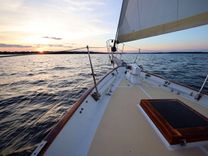
On deck, the yacht’s purposeful proportions and clean working layout emphasize safety and ease of movement. The fiberglass deck is reassuring underfoot, and the balanced sail plan this designer is known for (together with the reliable inboard diesel) makes for confident handling whether you’re threading a tidal pass or sliding into a quiet anchorage.
Lying in the United States and crafted for those who value authenticity over artifice, this yacht is a rare opportunity: a Cherubini-designed Sailing Yacht that is at once a Bluewater Cruiser, Offshore Cruiser, and refined Liveaboard. For sailors seeking a true Ocean-Going, Fiberglass Monohull powered by an efficient Inboard Diesel—and wrapped in enduring elegance—she is exactly the sort of Cruising Sailboat that turns voyages into memories.
Detailed Description
Introduction
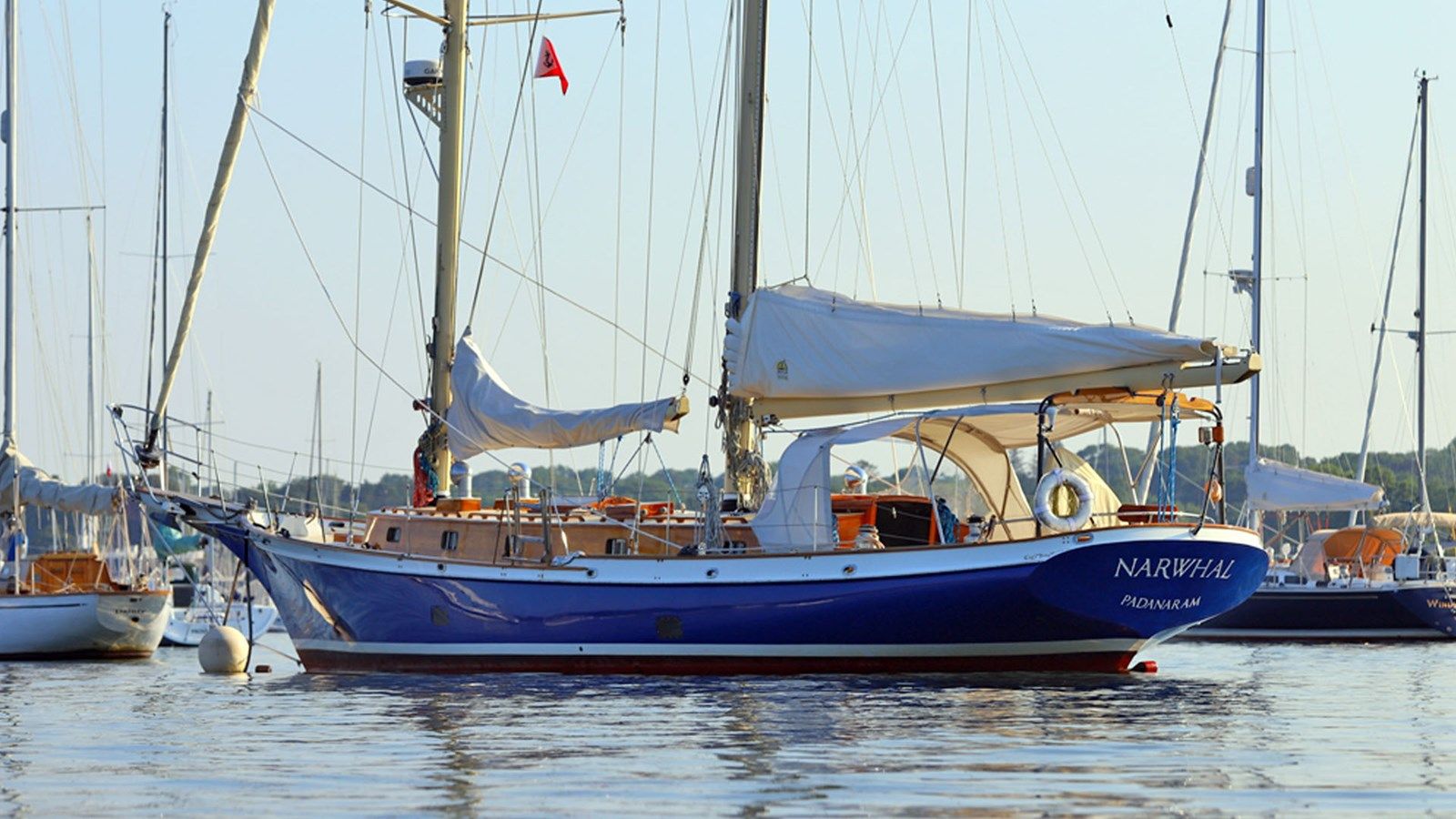
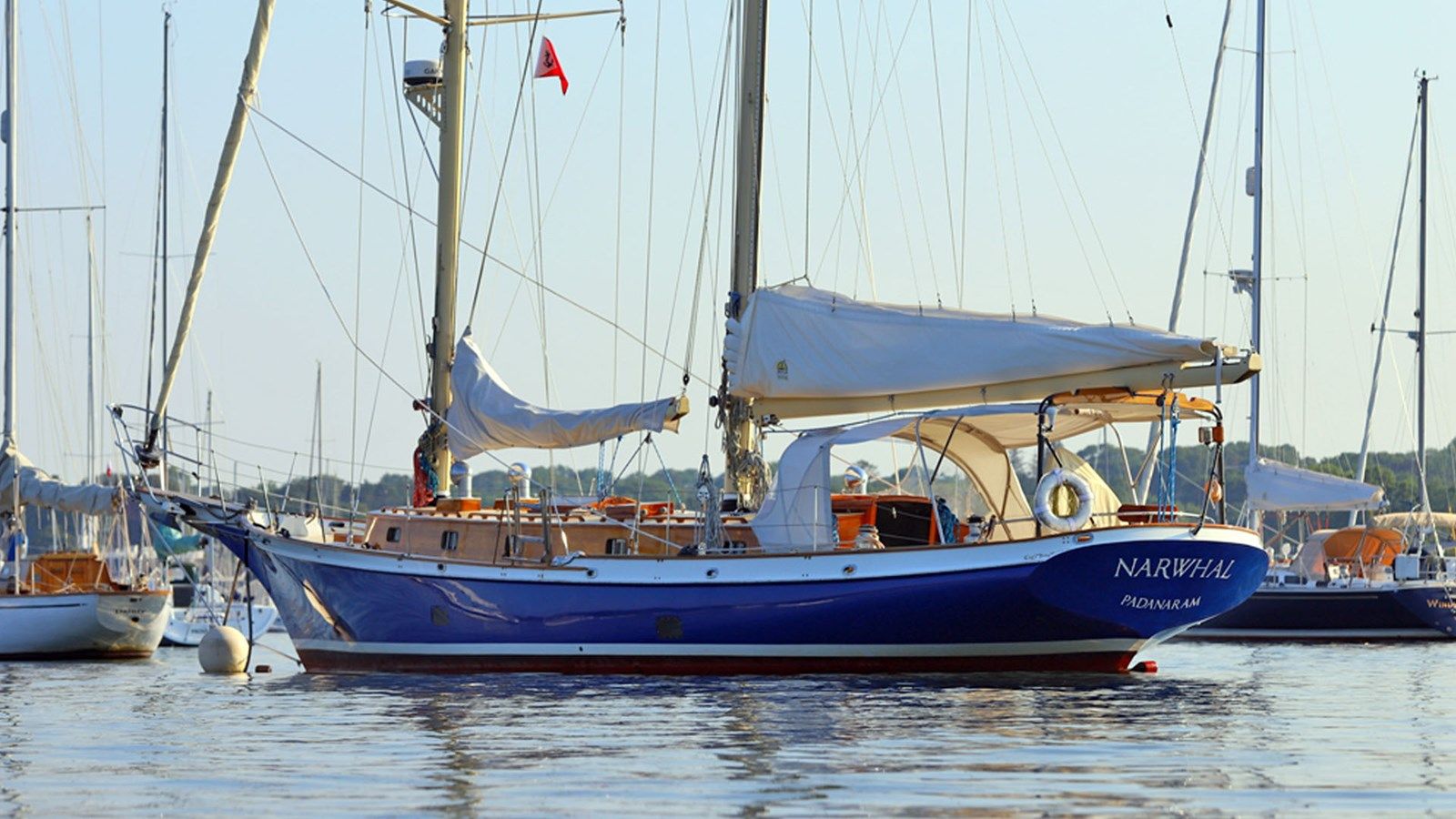
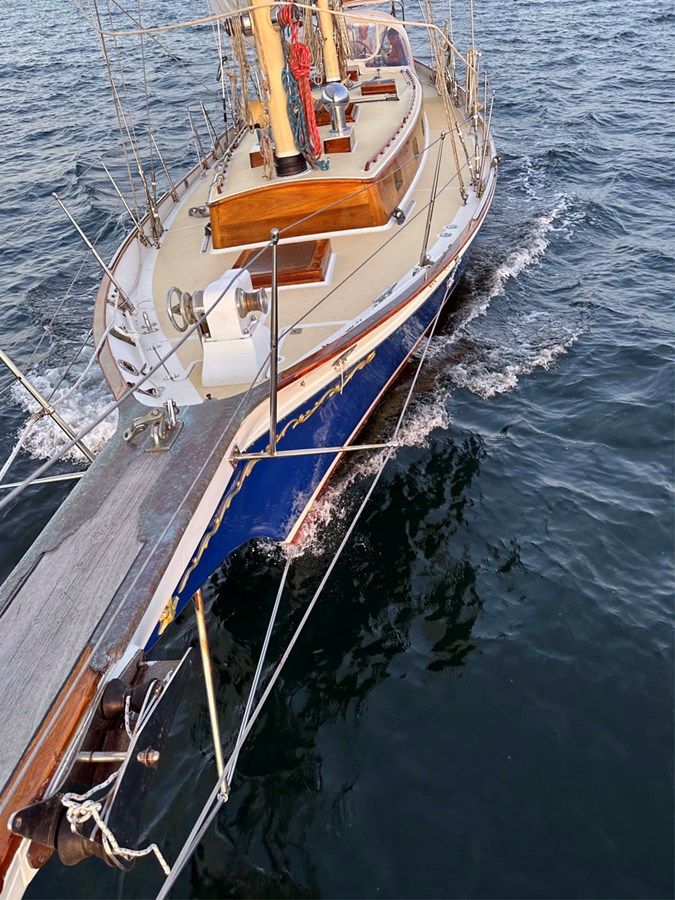
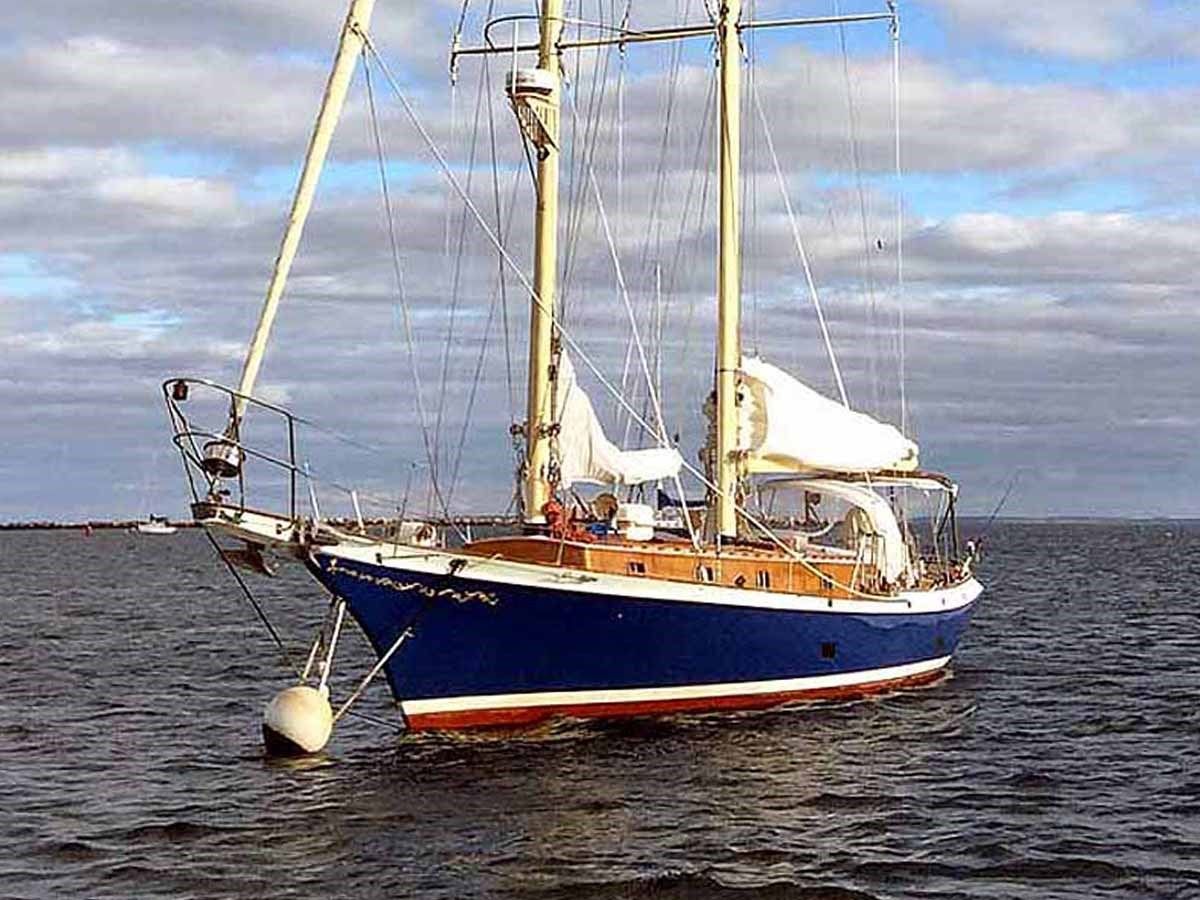
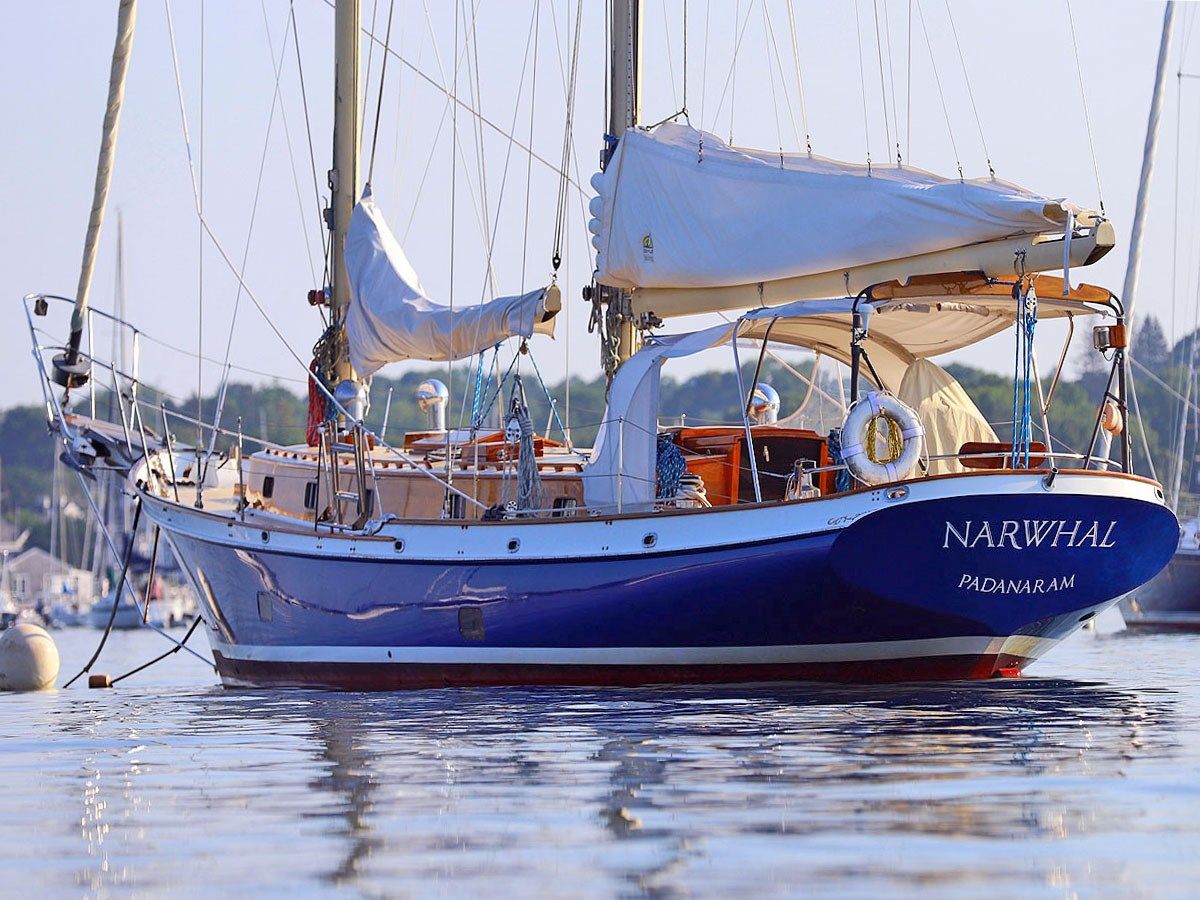
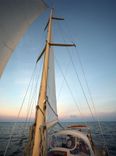
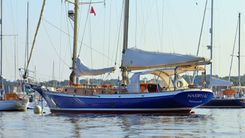
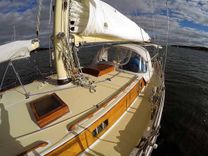
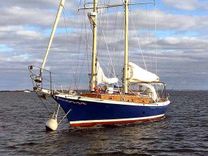
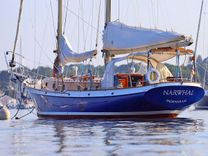
A professional video is available. NARWHAL is an iconic forty-eight-foot Cherubini staysail schooner. Her clipper bow with bowsprit, schooner rig, low freeboard and raised bulwarks aft, together with varnished teak cabin trunk sides, recall L. Francis Herreshoff’s TICONDEROGA as interpreted by John Cherubini. She has proved herself in near‑coastal waters, on the racecourse, and across oceans. The blend of shoal draft, spirited performance, a well‑balanced helm, easy sail handling, and undeniably beautiful lines makes her a true standout.
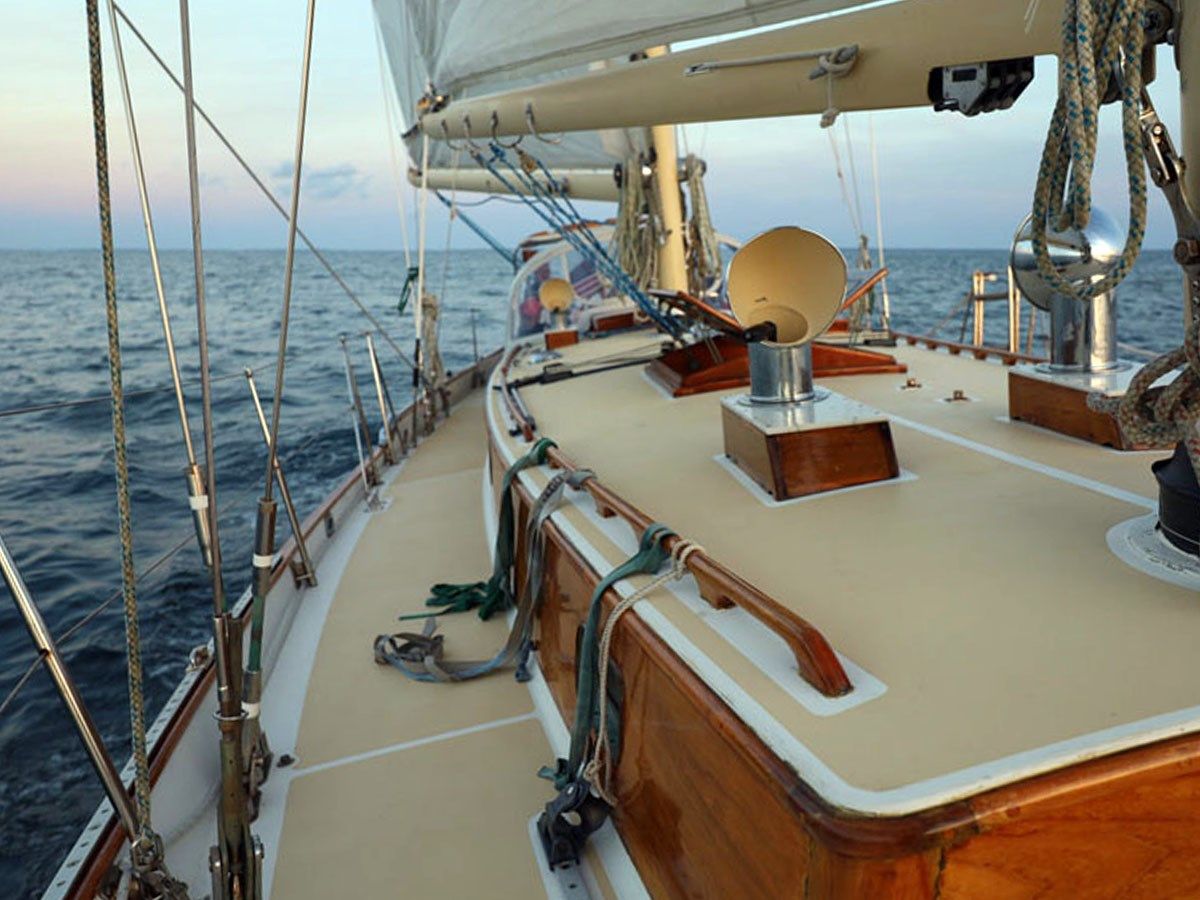
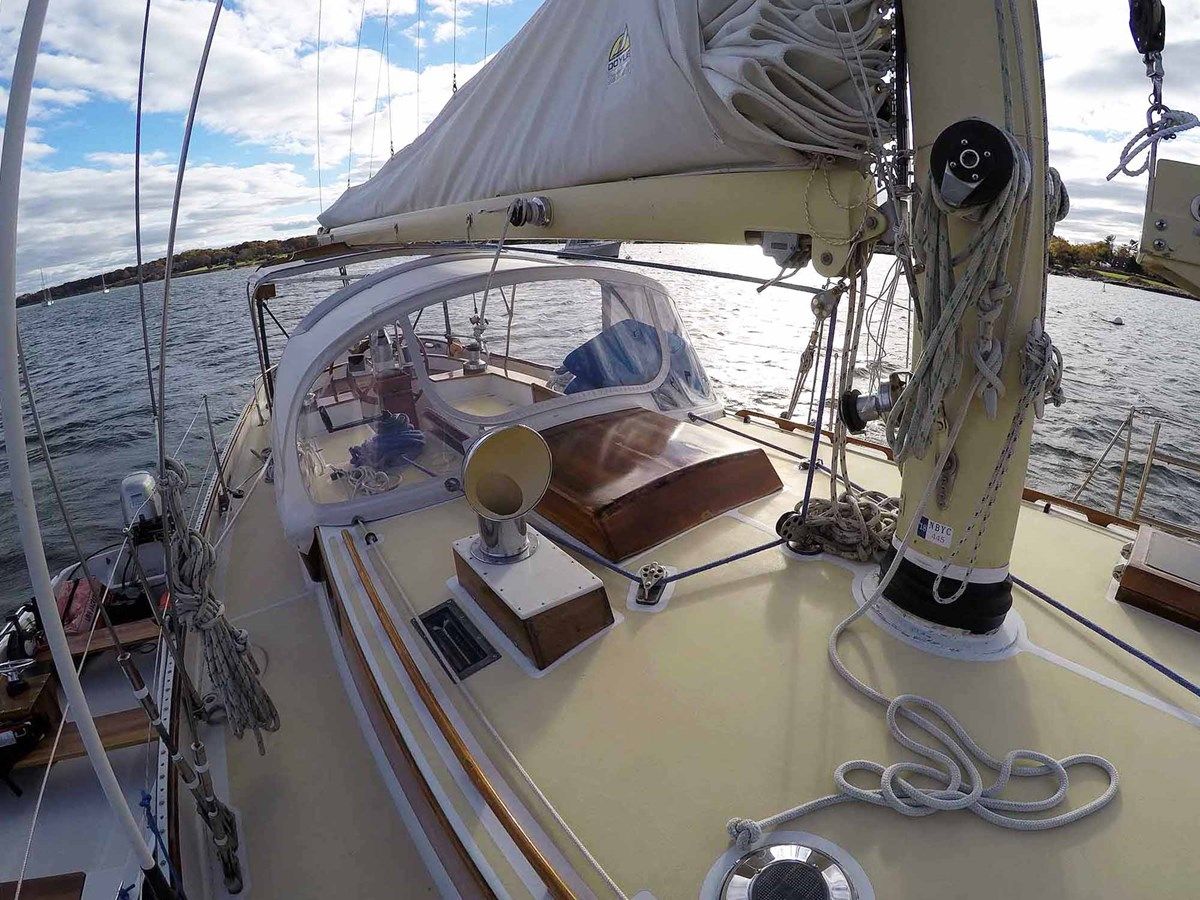
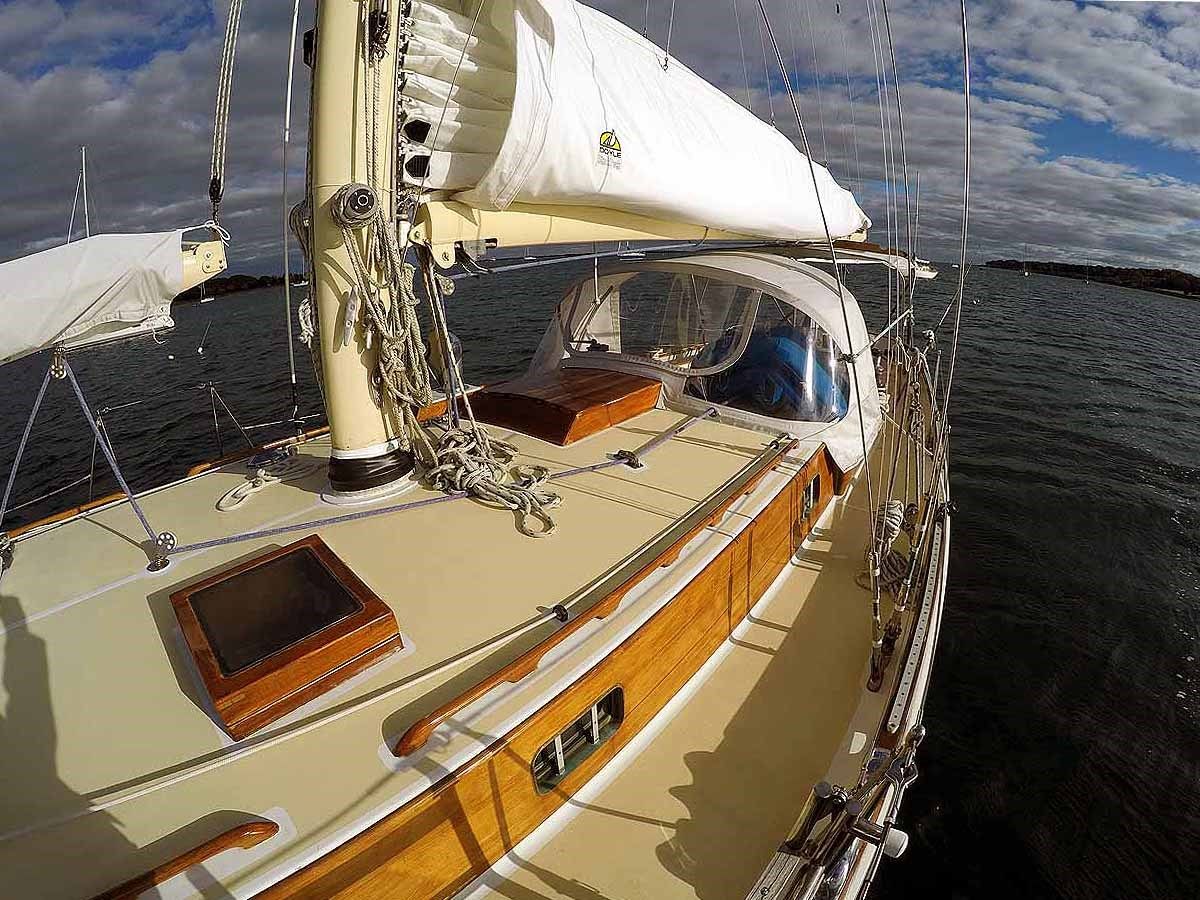
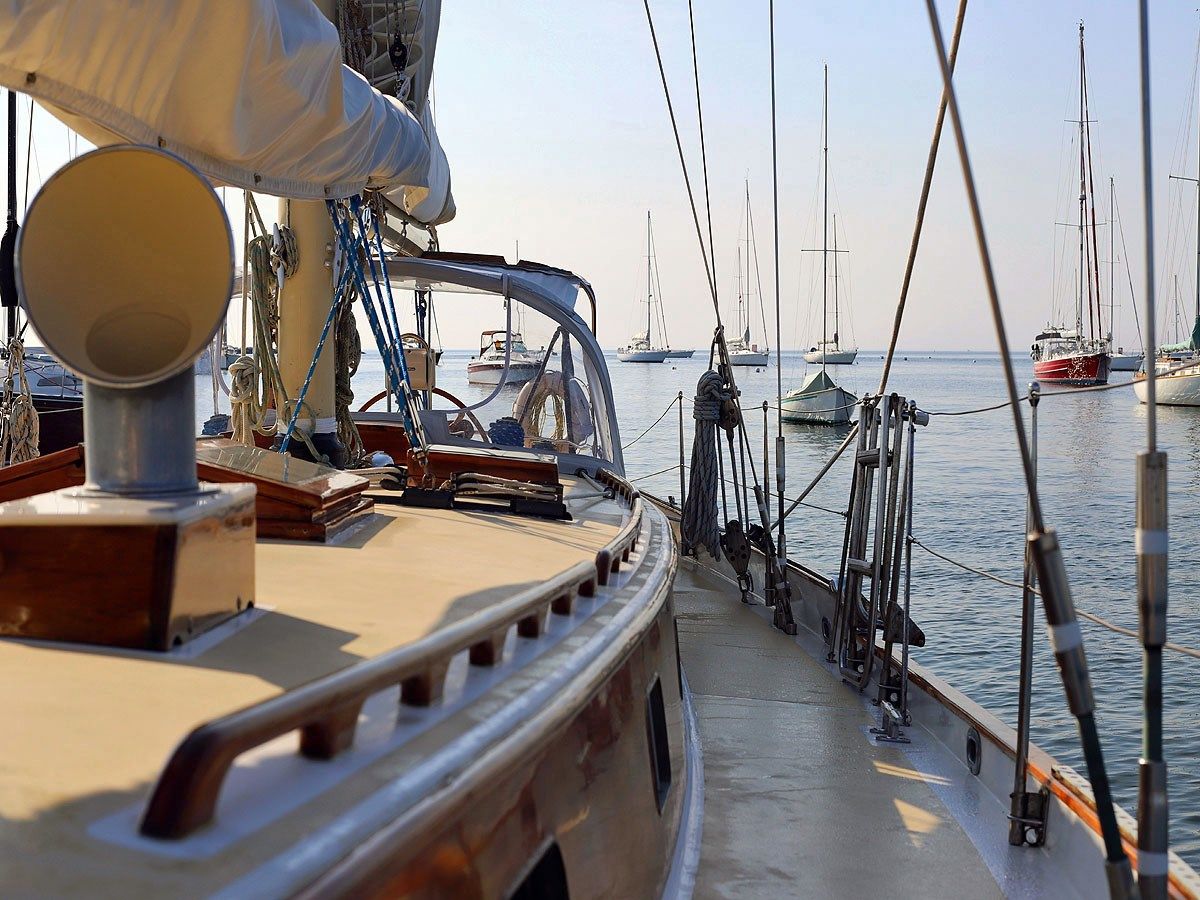
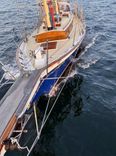
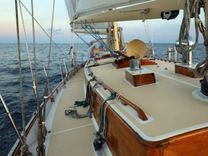
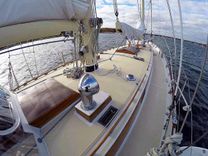
Her Aristo Blue hull carries a wide white shear stripe, a matching single white boot stripe, and a red bottom. The cabin top and decks are finished in Moondust non‑skid with gloss‑white waterways. The cabin house sides feature teak eyebrows and trim; the handrails, toe rails, and cockpit helm seating are all bright‑varnished teak. Her spars are painted to match the non‑skid decks, while the canvas is off‑white.
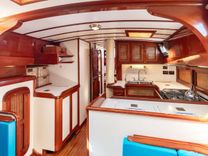
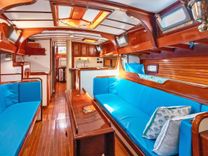
Below decks is its own world: comfortable, traditional, and seamanlike, with abundant light, ventilation, and storage suited to a proper cruising yacht. Mahogany joinery, raised‑panel bulkheads, and hull ceilings painted white in the Herreshoff style frame the living spaces beautifully.
NARWHAL has cruised both the Atlantic and Pacific, and in recent years has been based on the U.S. East Coast. Over the last seven years she has seen only seasonal New England use, with indoor heated storage as standard, and professional care by Niemec Marine of New Bedford and The Concordia Company of South Dartmouth, Massachusetts.
Under current ownership she benefited from an extensive refit—primarily in 2013/2014—with a new Yanmar diesel, new refrigeration, new air conditioning, and a completely new electrical system with all new wiring, chargers, and more. Further details follow in this listing, including a generator replacement in 2019. She is a well‑found yacht and a must‑see for anyone considering a Cherubini schooner. There is good reason this builder and design were included in Ferenc Máté’s “The World’s Greatest Sailboats.” Come see for yourself—your inspection is warmly invited.
Accommodations overview (starting forward)
Starting forward, a large single‑berth cabin offers excellent light and ventilation via an overhead hatch that is big enough to pass sails through. Just aft to port sits an enclosed head with en‑suite shower. A bulkhead and door aft create privacy for the forward cabin and head ahead of the mast.
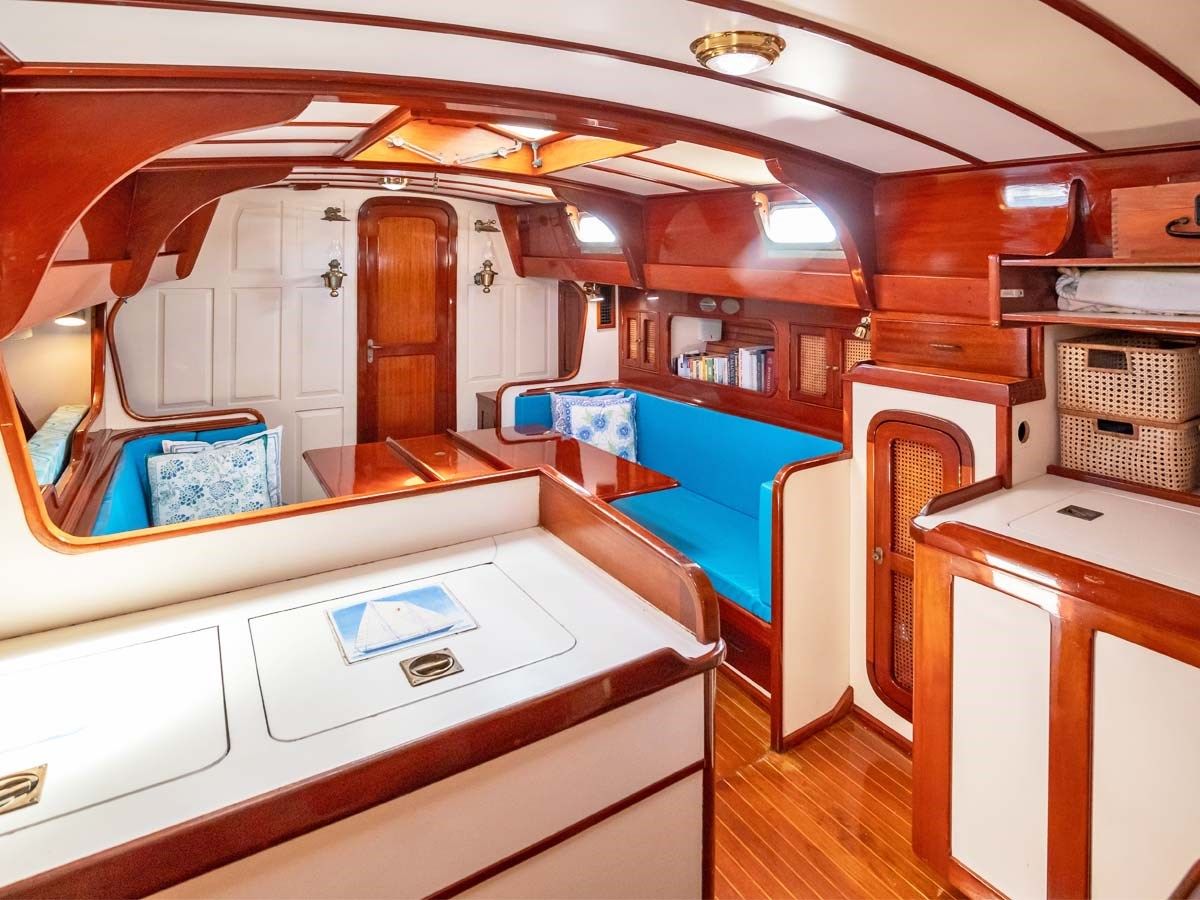
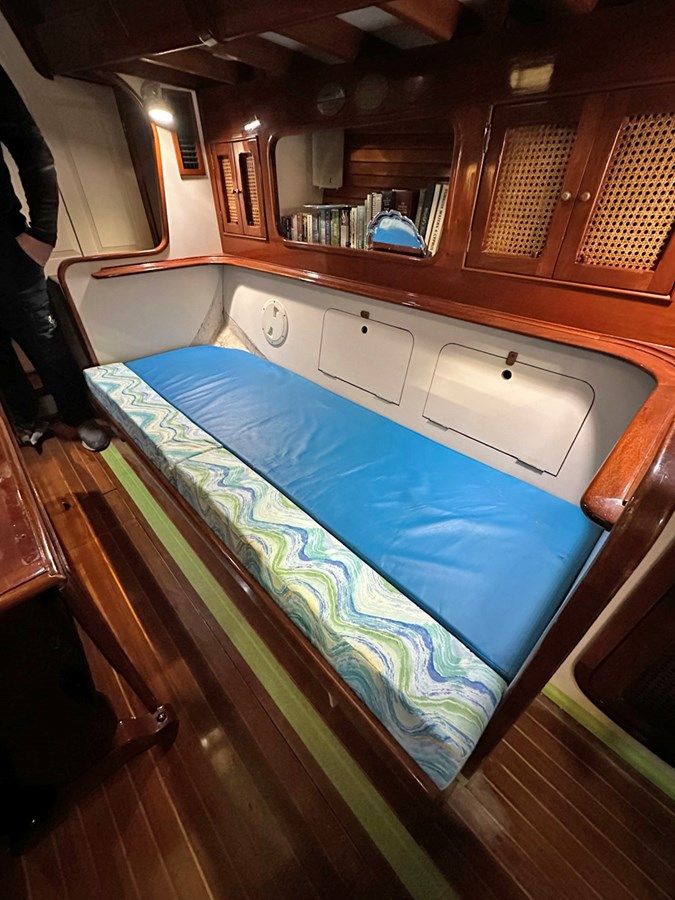
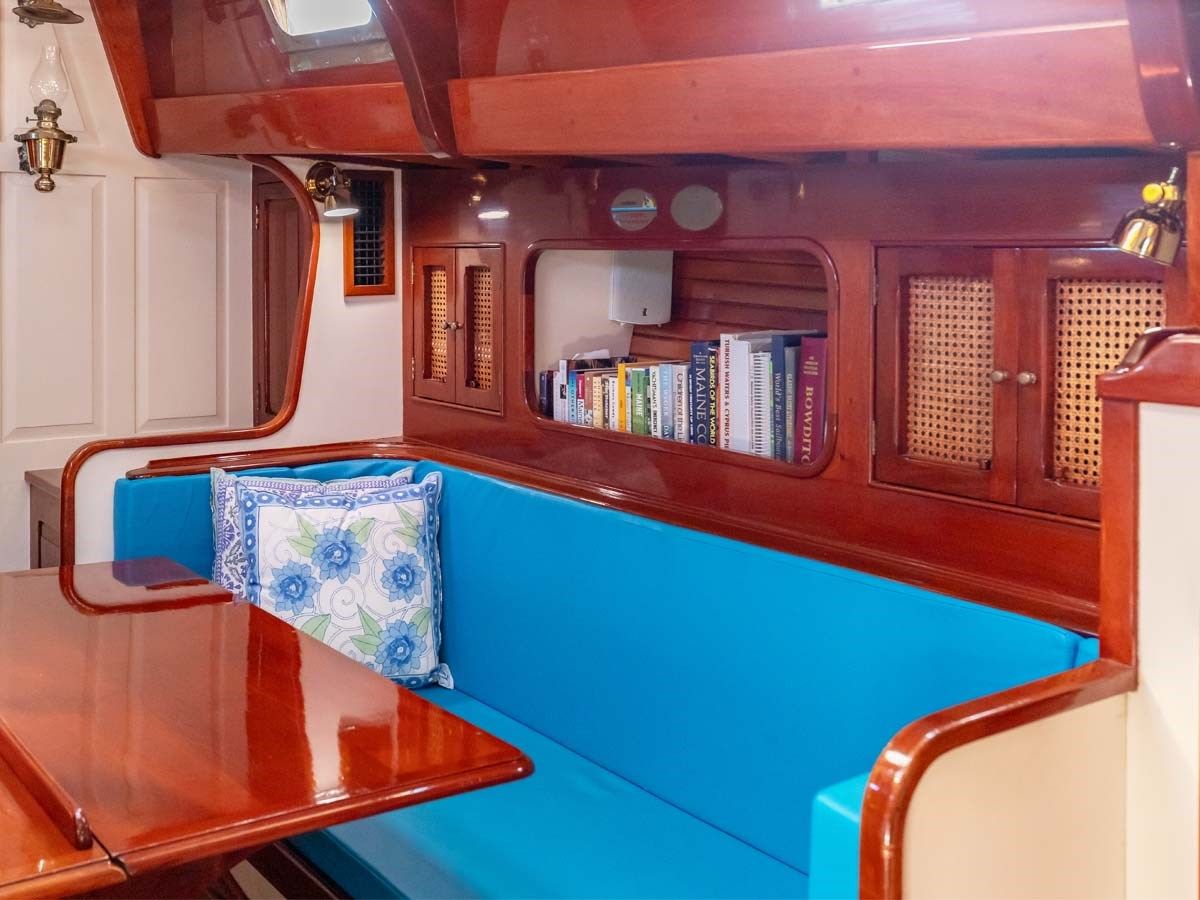
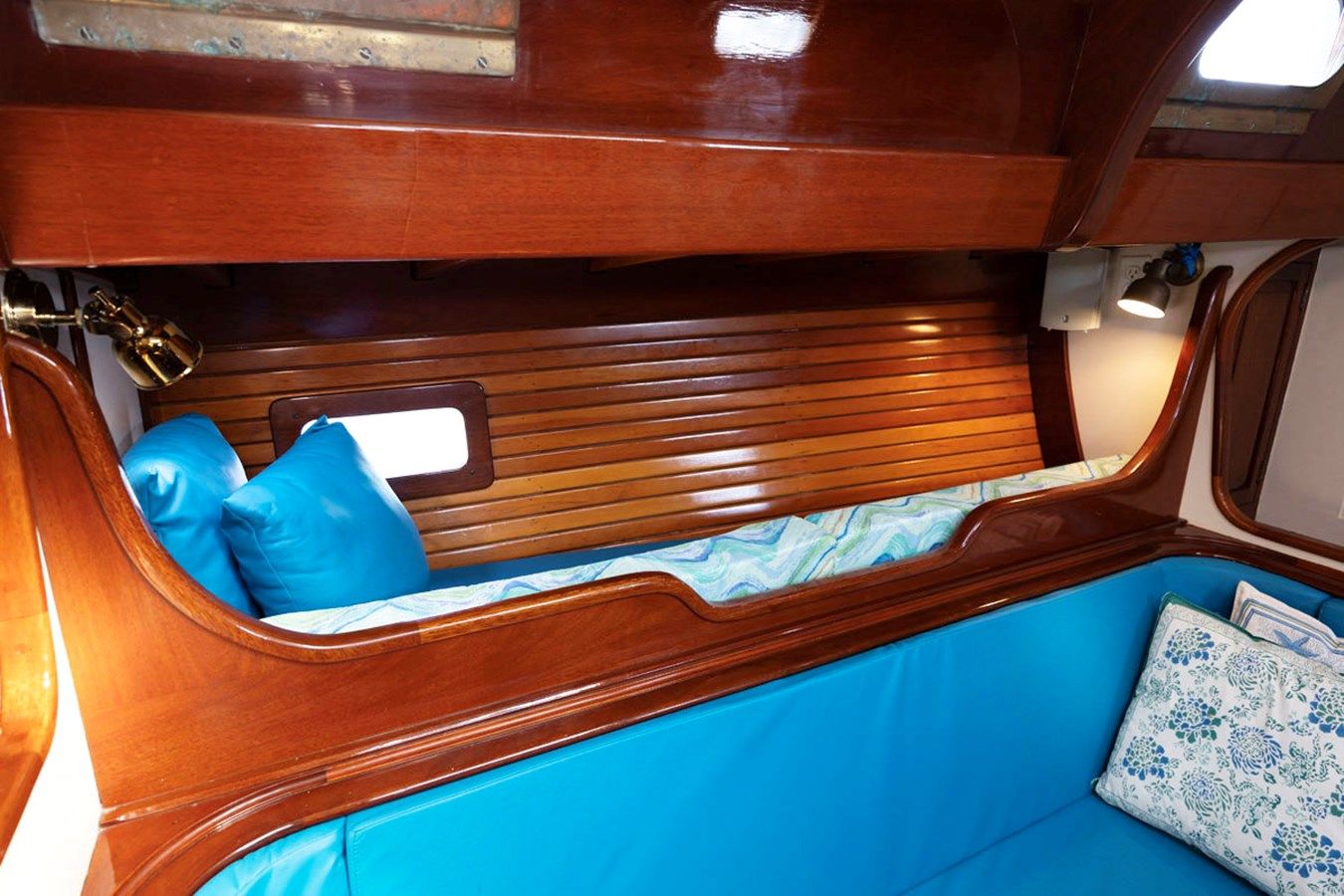
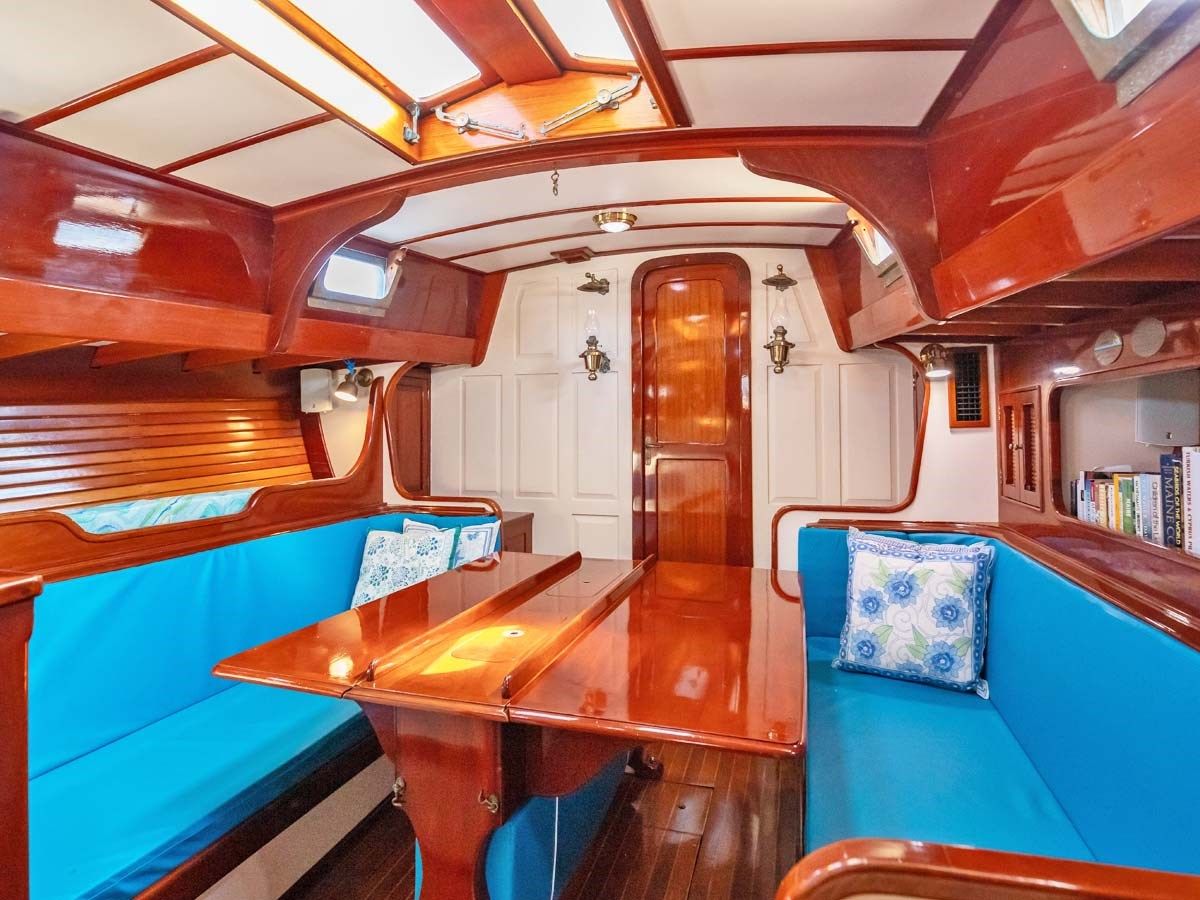
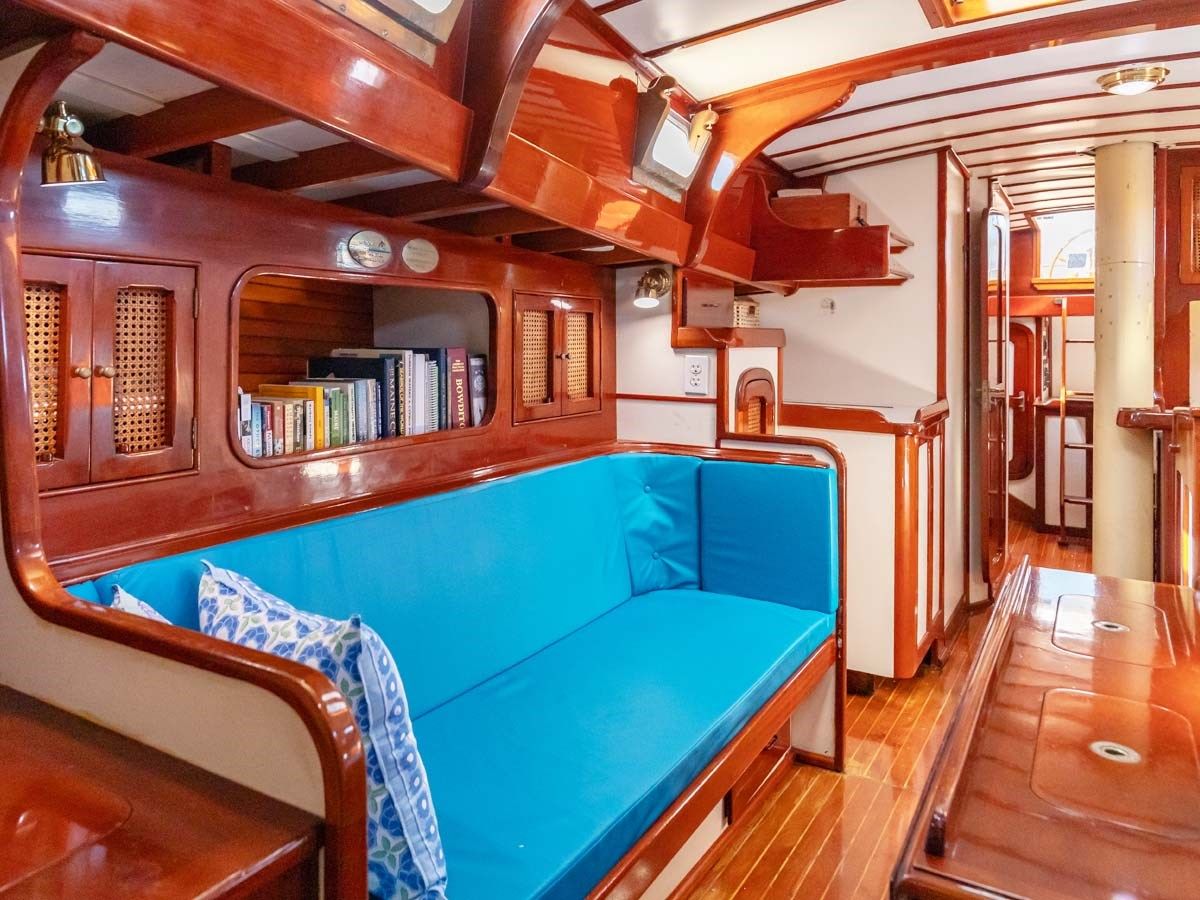
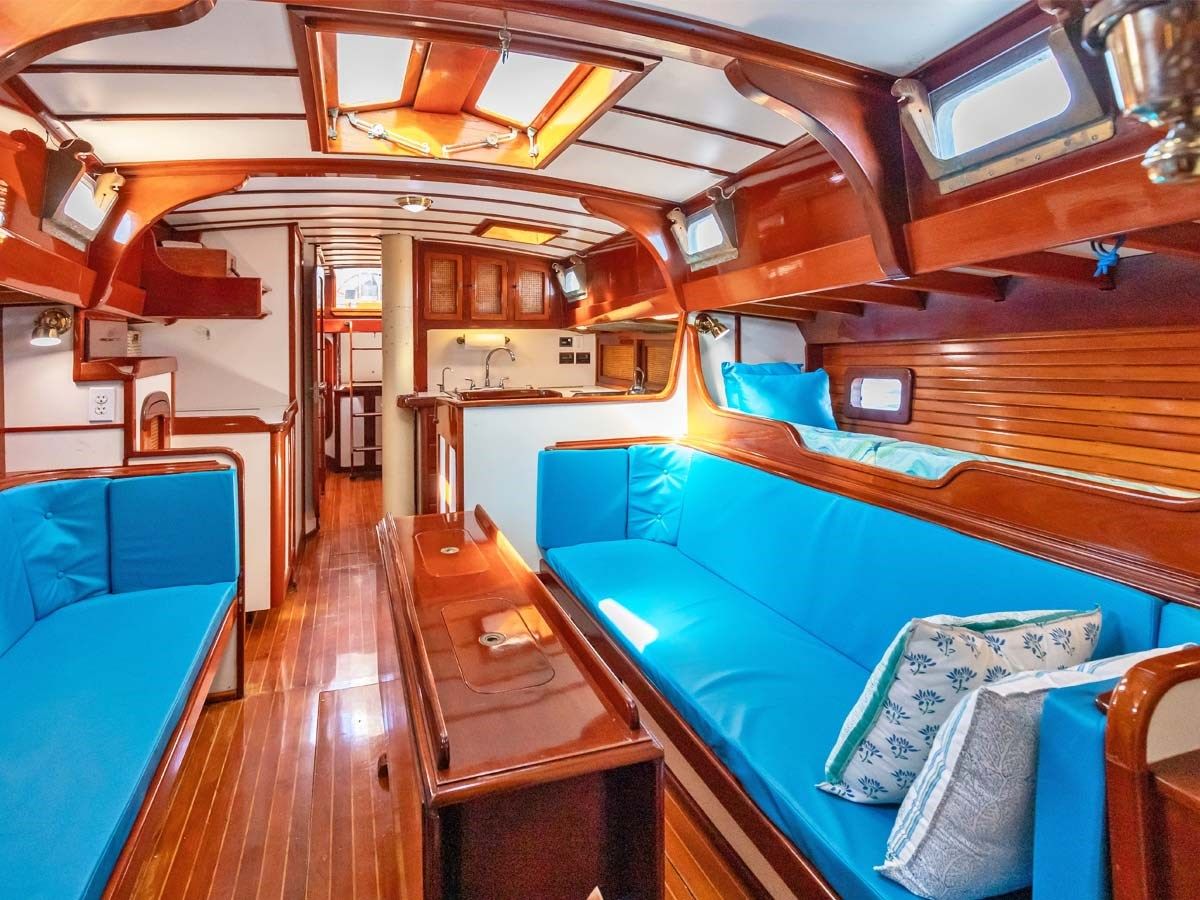
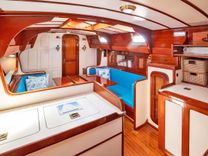
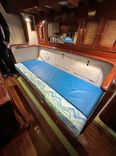
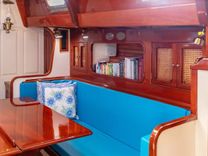
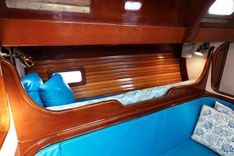
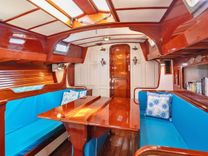
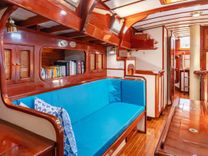
Aft of the mast, the spacious salon centers on a lovely mahogany table with folding leaves, center storage, and matching lift‑outs. A shallow U‑shaped settee to port invites conversation, while a snug, offshore‑ready pilot berth lies outboard to port with its own non‑opening hull port for light and a view. Opposite, a straight settee to starboard doubles as a secure sea berth with lee cloth. Bronze plaques from the Dunhill San Fernando Race (1995) and the South China Sea Race (1996) speak to the design’s globetrotting spirit and to the miles NARWHAL logged in her “early teens.”
Overhead, a large butterfly hatch floods the salon, joined by numerous custom Cherubini‑designed opening ports. Raised‑panel bulkheads painted satin white set off exquisite mahogany and teak joinery expressed in deck beams. Substantial knees, handholds, fiddles, cabinetry, and ceiling trim complement the white overheads, lockers, and countertops in true Herreshoff style. Teak‑and‑holly soles run throughout, varnished bright.
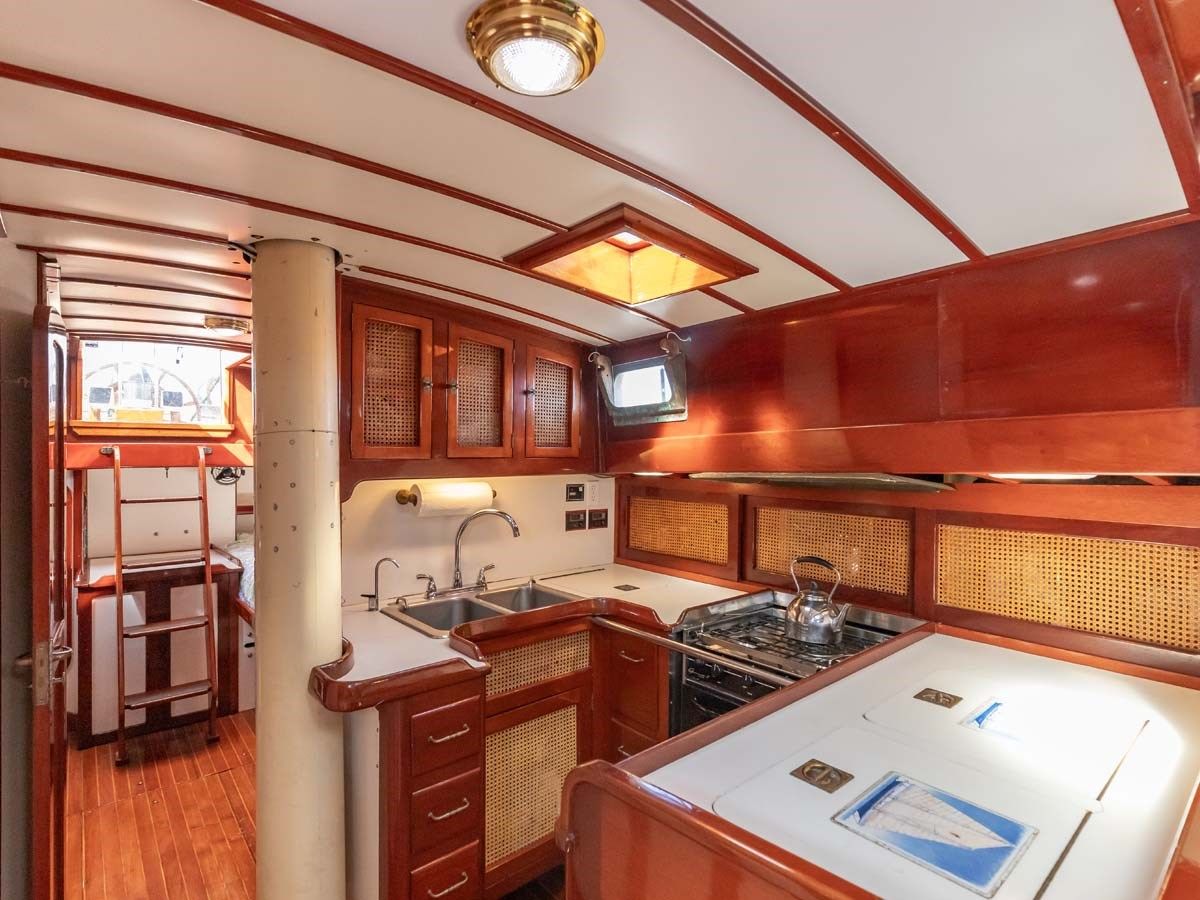
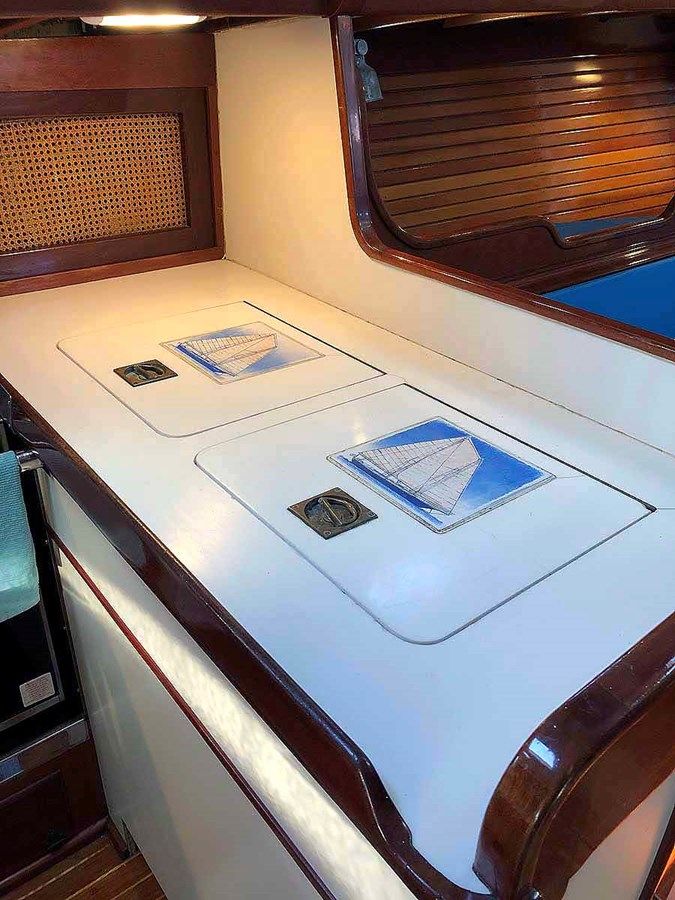
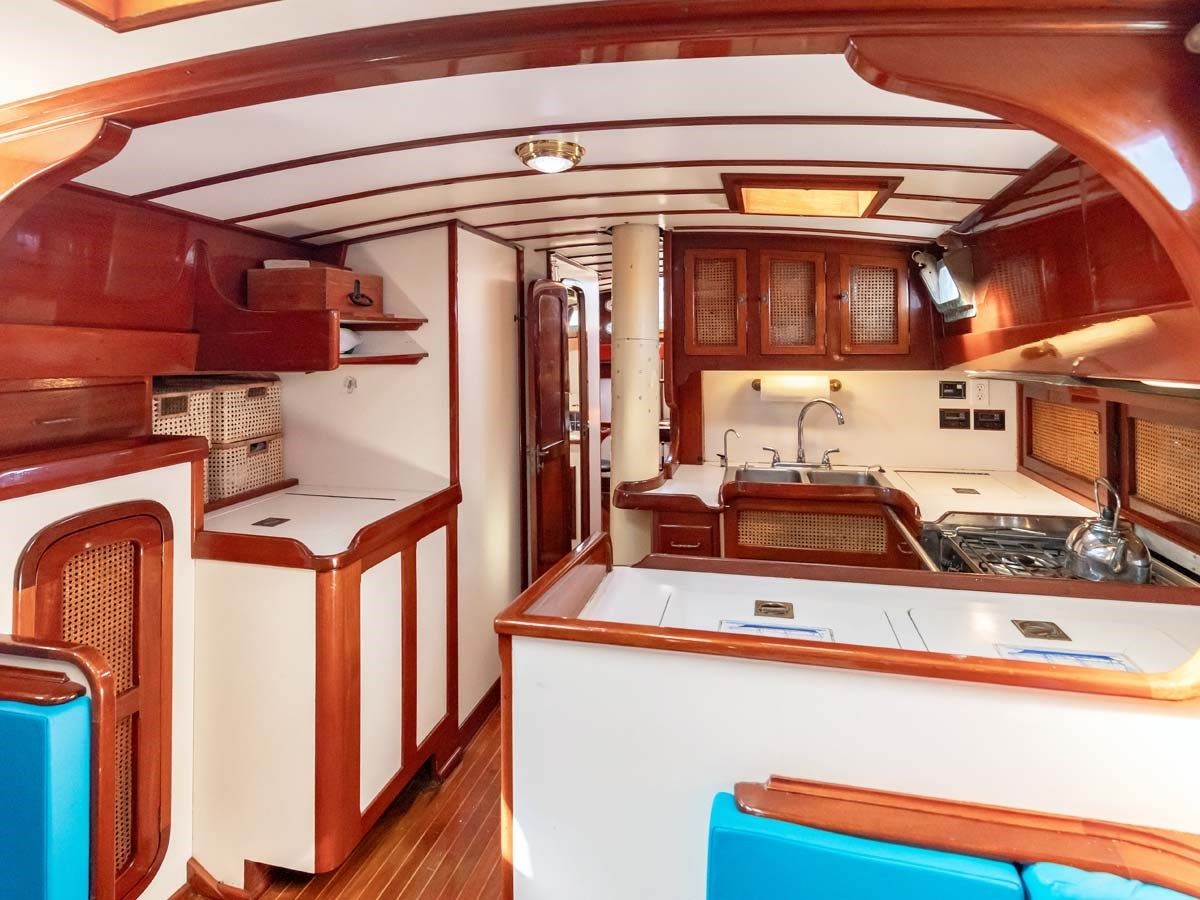
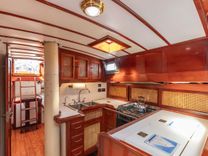
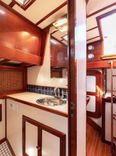
Aft to port, the U‑shaped galley remains part of the salon yet is visually offset by custom overhead cabinetry. Large under‑counter refrigerated iceboxes forward feature beautiful inset tilework depicting the yacht. The seagoing stove and oven are outboard, with twin sinks aft, and there is ample counter space and storage.
Across to starboard, another huge insulated icebox sits beneath a useful shelf. Just forward, a good‑sized hanging locker provides additional storage, with another large shelf above.
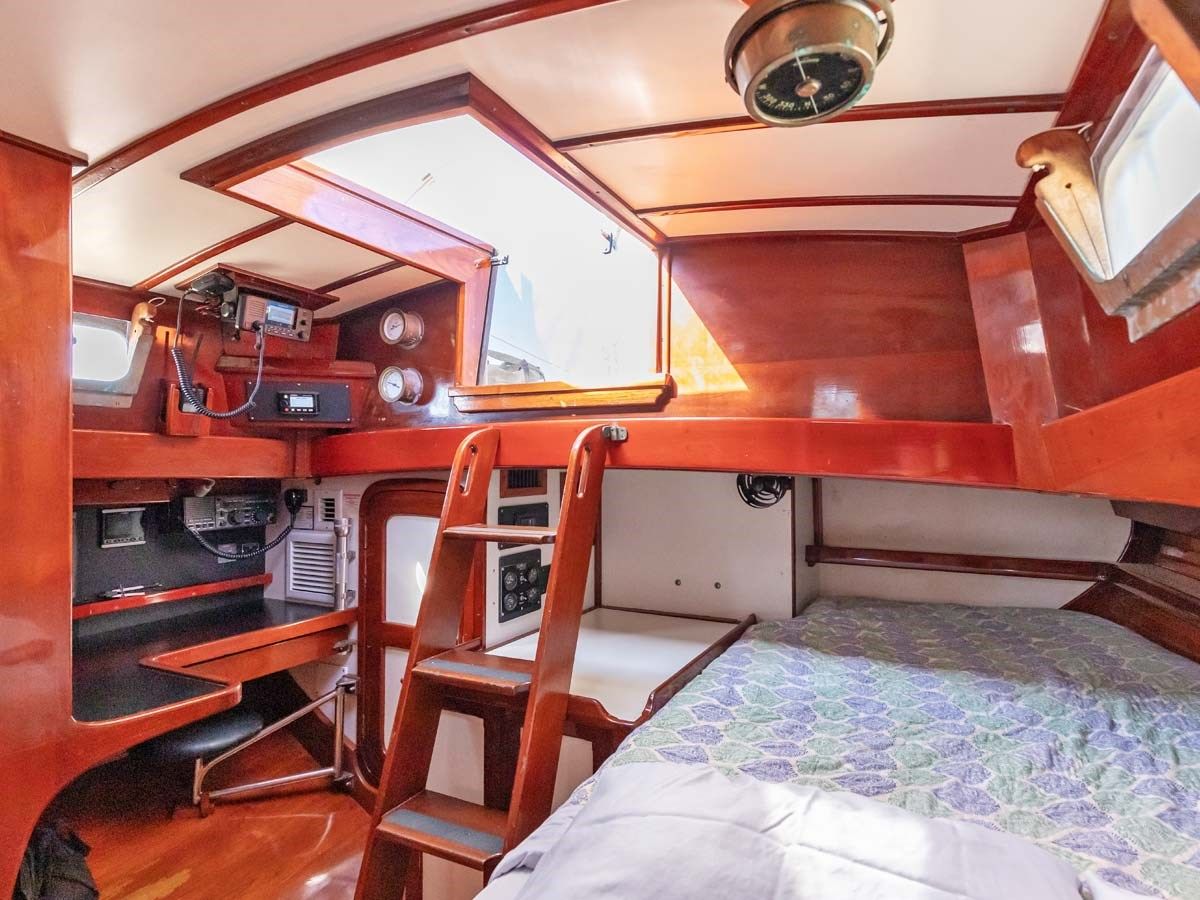
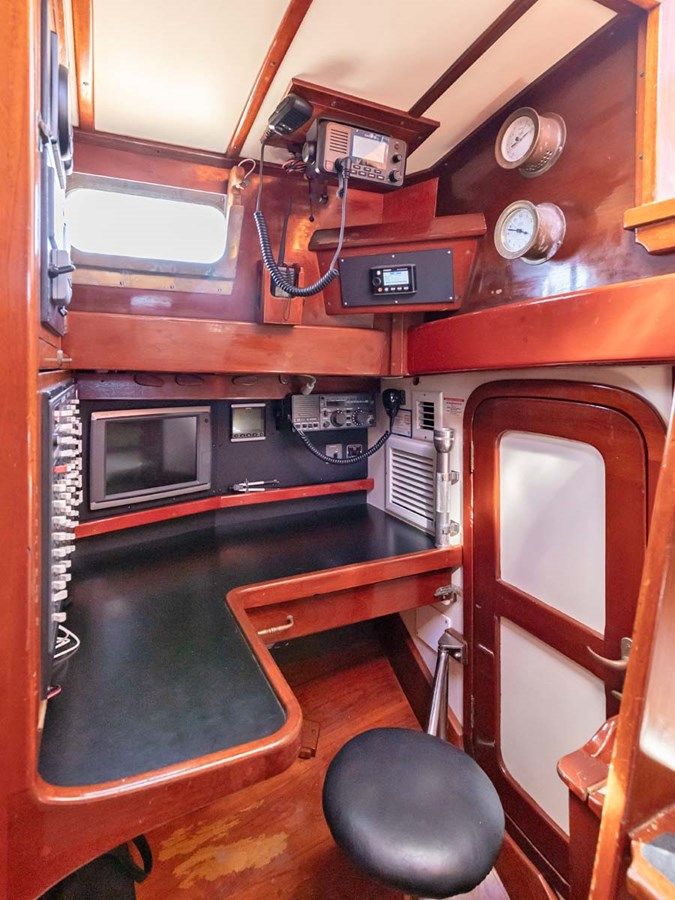
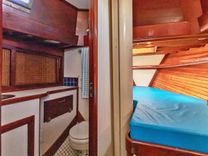
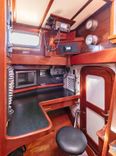
Continuing aft from the galley and salon, a passage leads past the master head to starboard—with a separate stall shower—and through a doorway into the aft cabin and navigation area, where a proper forward‑facing nav table and a swivel chair make a secure working space.
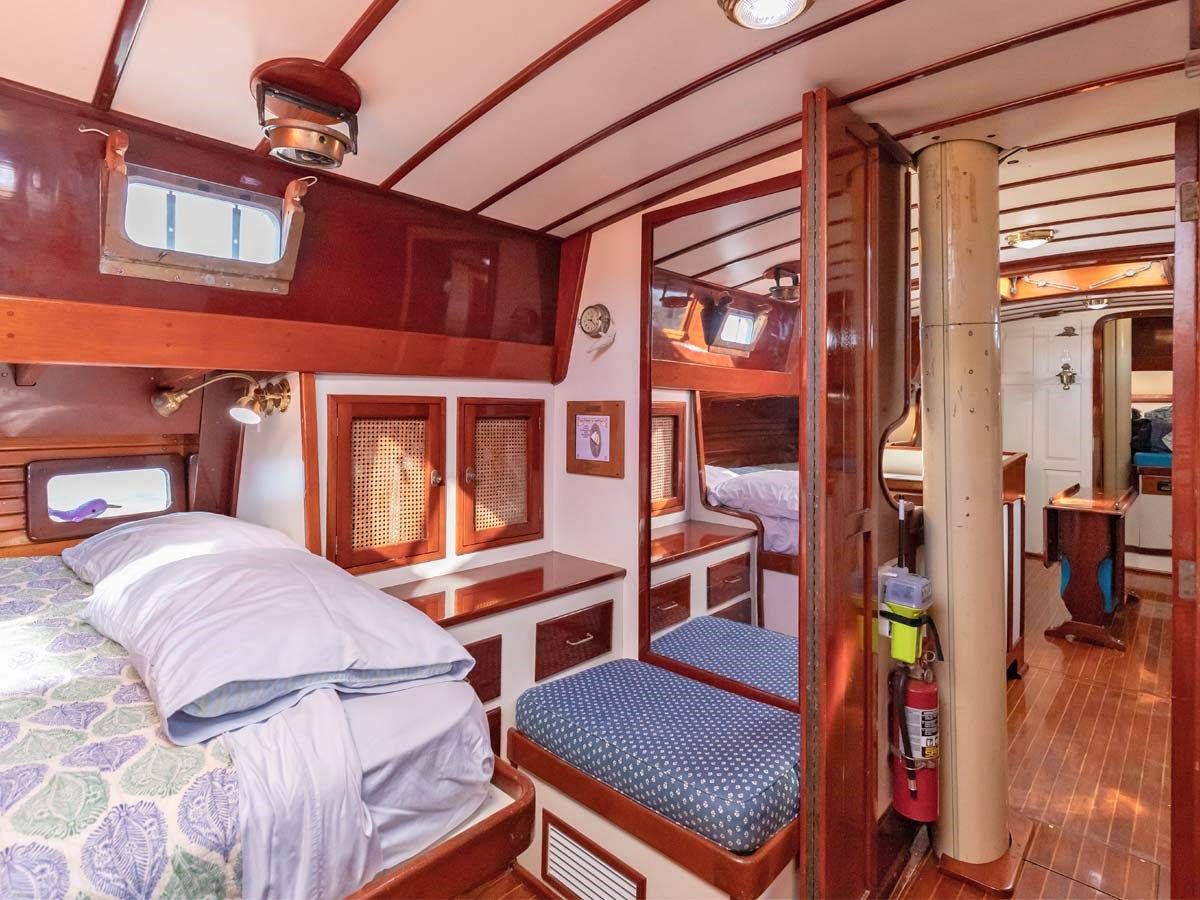
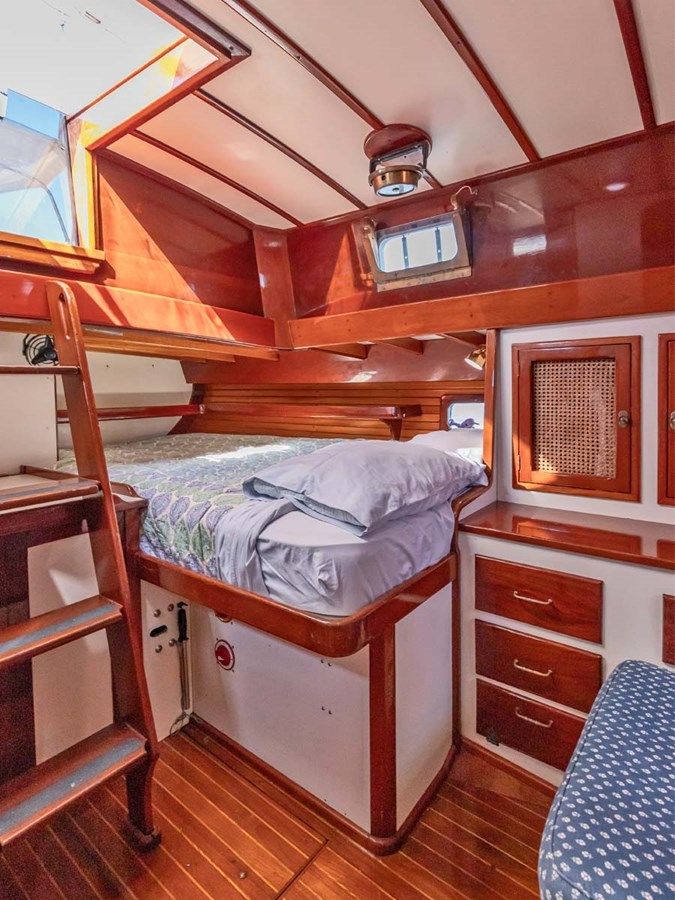
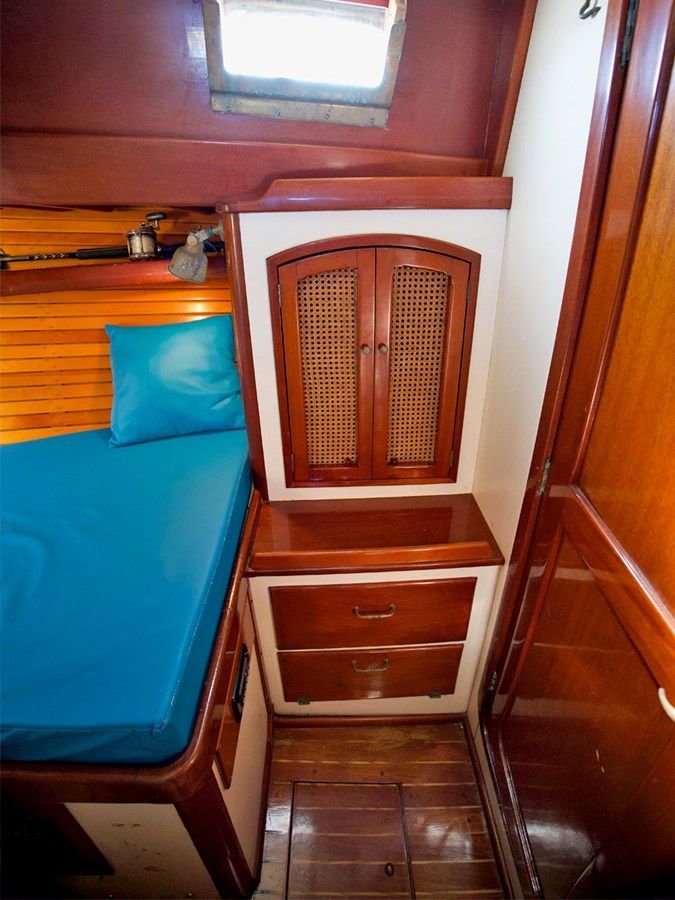
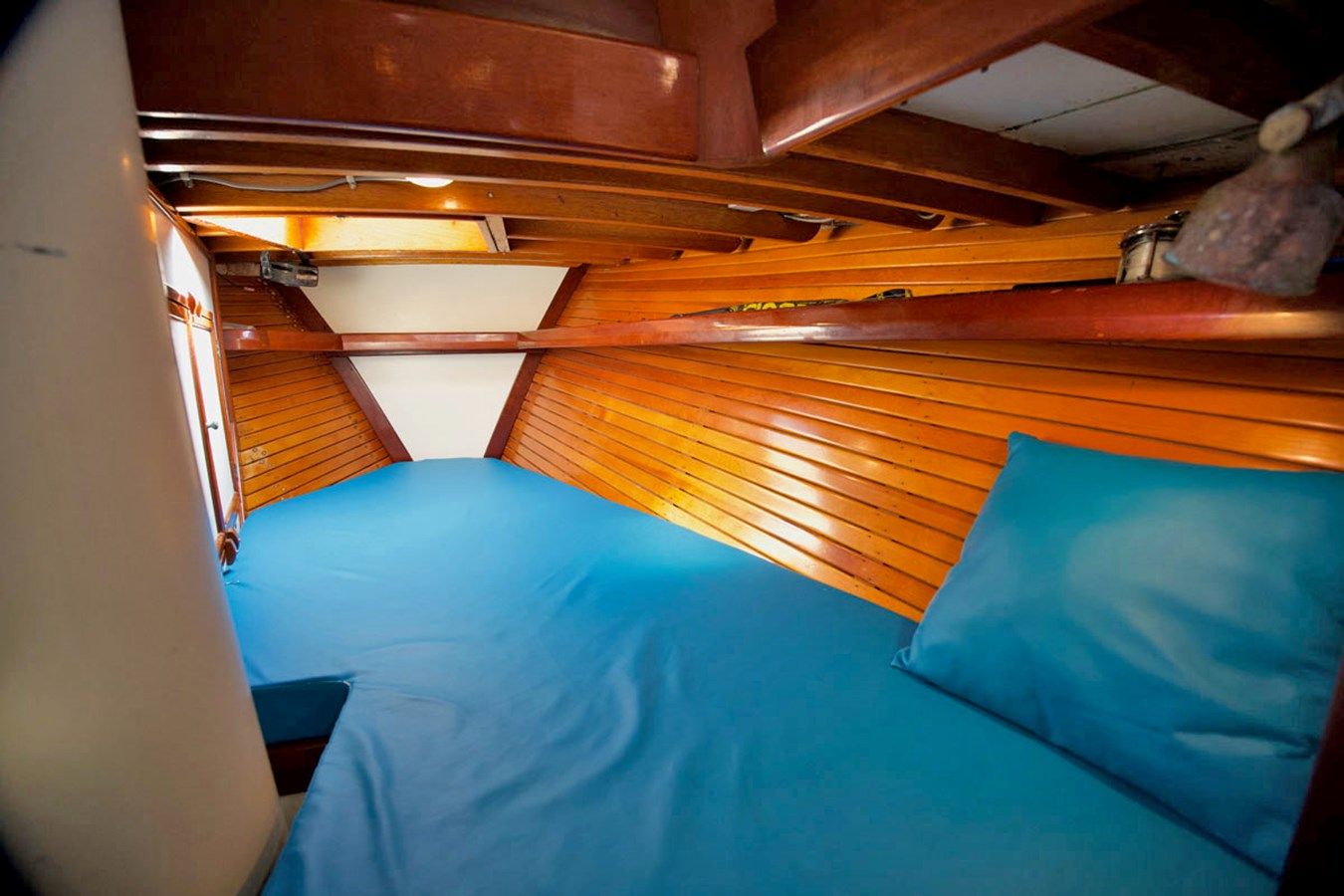
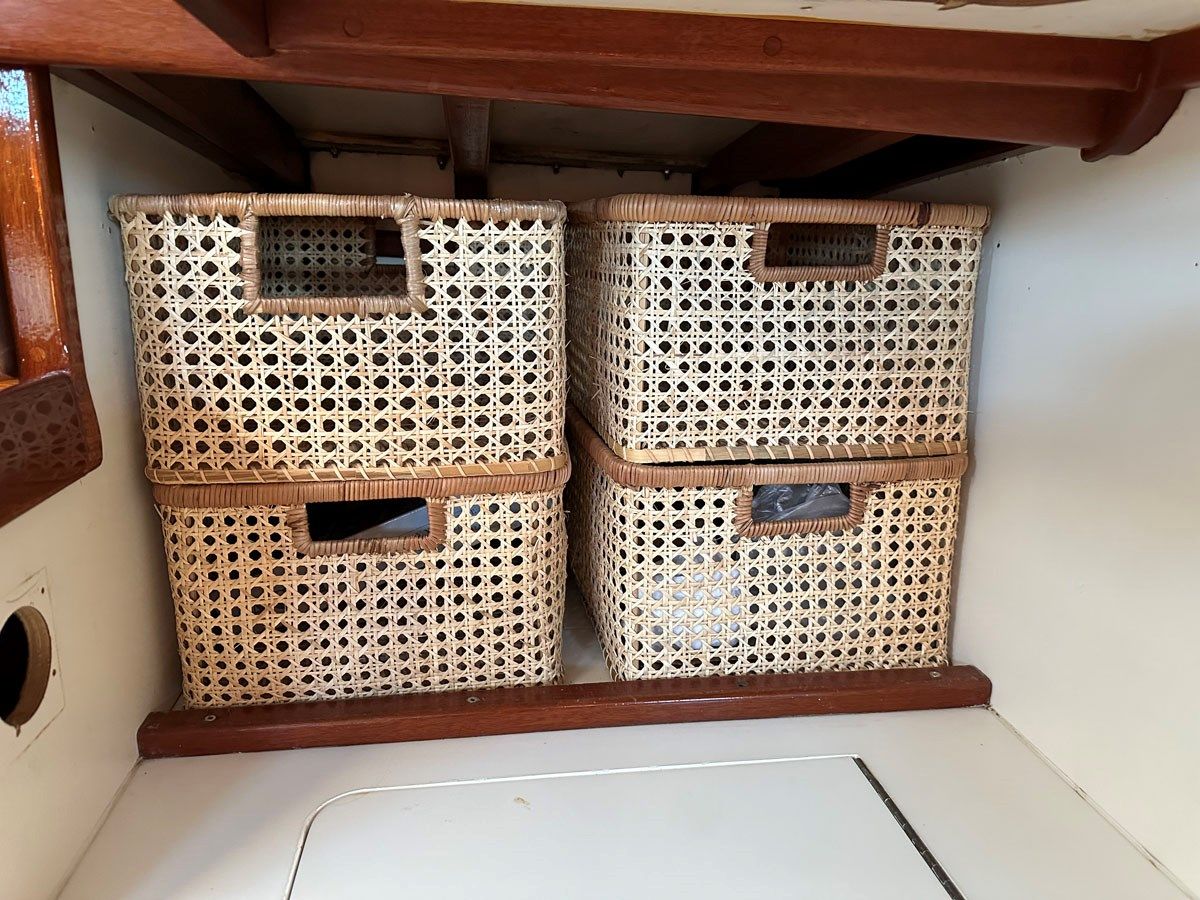
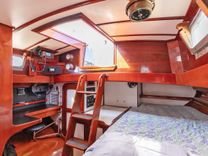
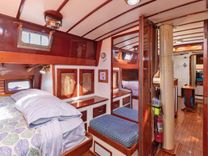
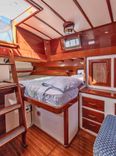
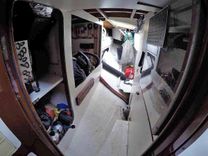
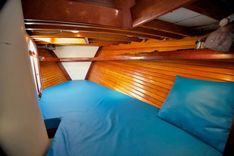
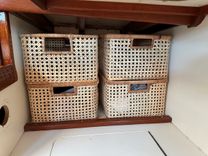
The aft cabin features a large double berth offset to port. It’s a warm, handsome space with hull staving, an additional hull port, a wrap‑around shelf at the head of the berth, and bronze Ocean Frigast reading lamps. Inboard, a generous countertop accommodates all manner of storage. Forward of the berth, built‑in cabinetry provides drawers and double‑fronted hanging lockers, complemented by another large solid‑mahogany counter. Throughout the yacht, lockers are fitted with cane doors and wood trim for ventilation and a classic look. A small settee at the forward end of the cabin faces a large bulkhead mirror. Bi‑fold raised‑panel doors close the aft cabin for privacy. Opening ports in the deckhouse bring light and air. A ceiling‑mounted compass above the berth, overhead lights, and solid handholds—shaped as gutters along the cabin‑trunk base—ensure security underway.
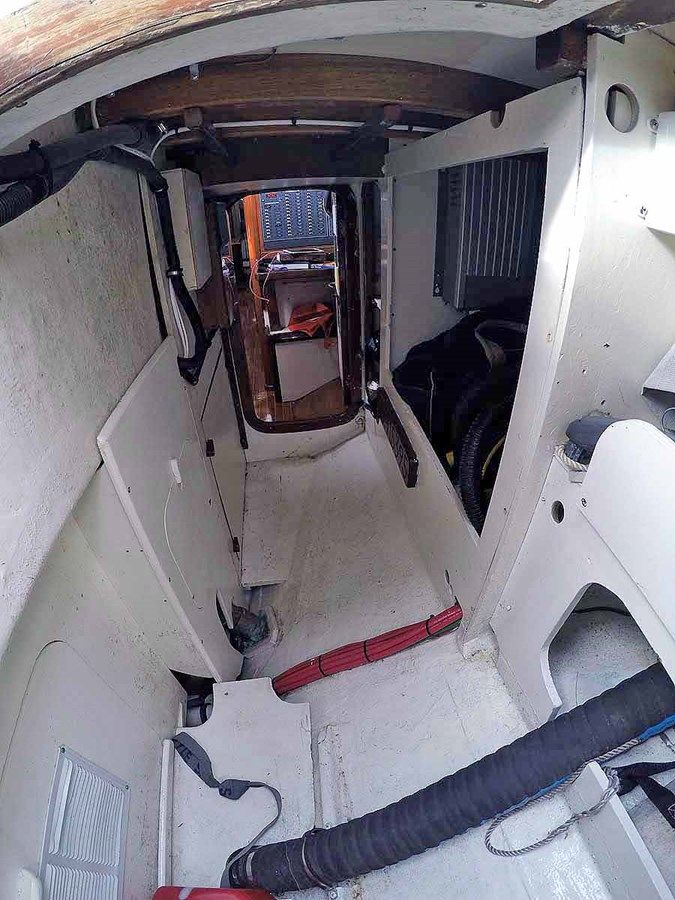
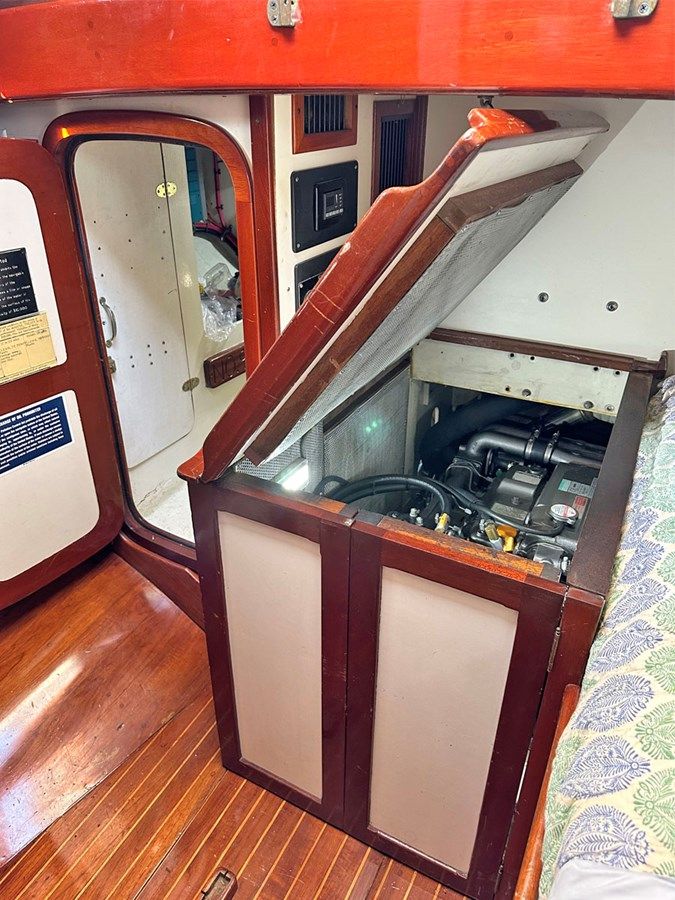
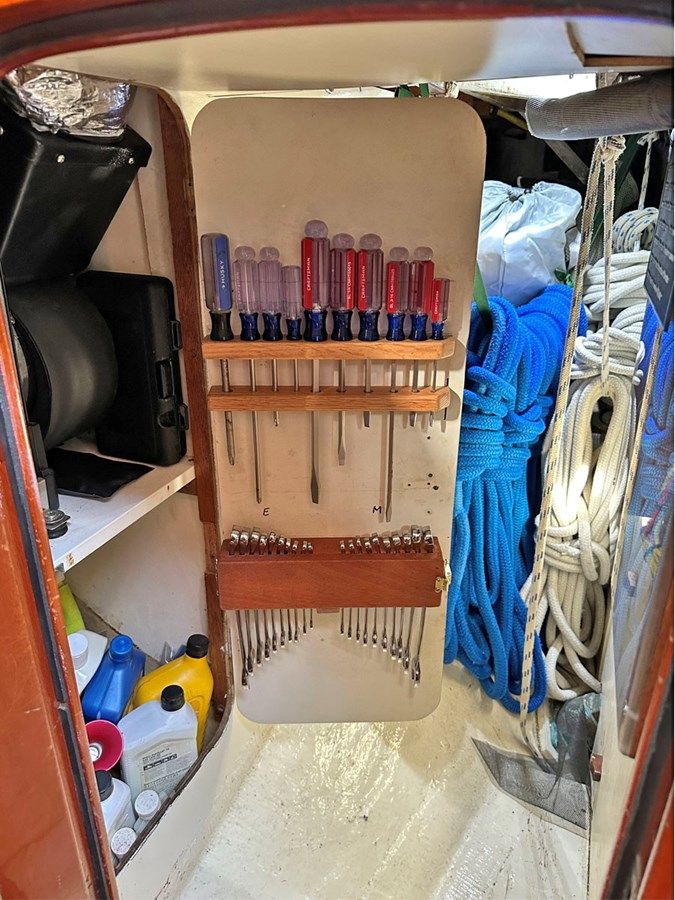
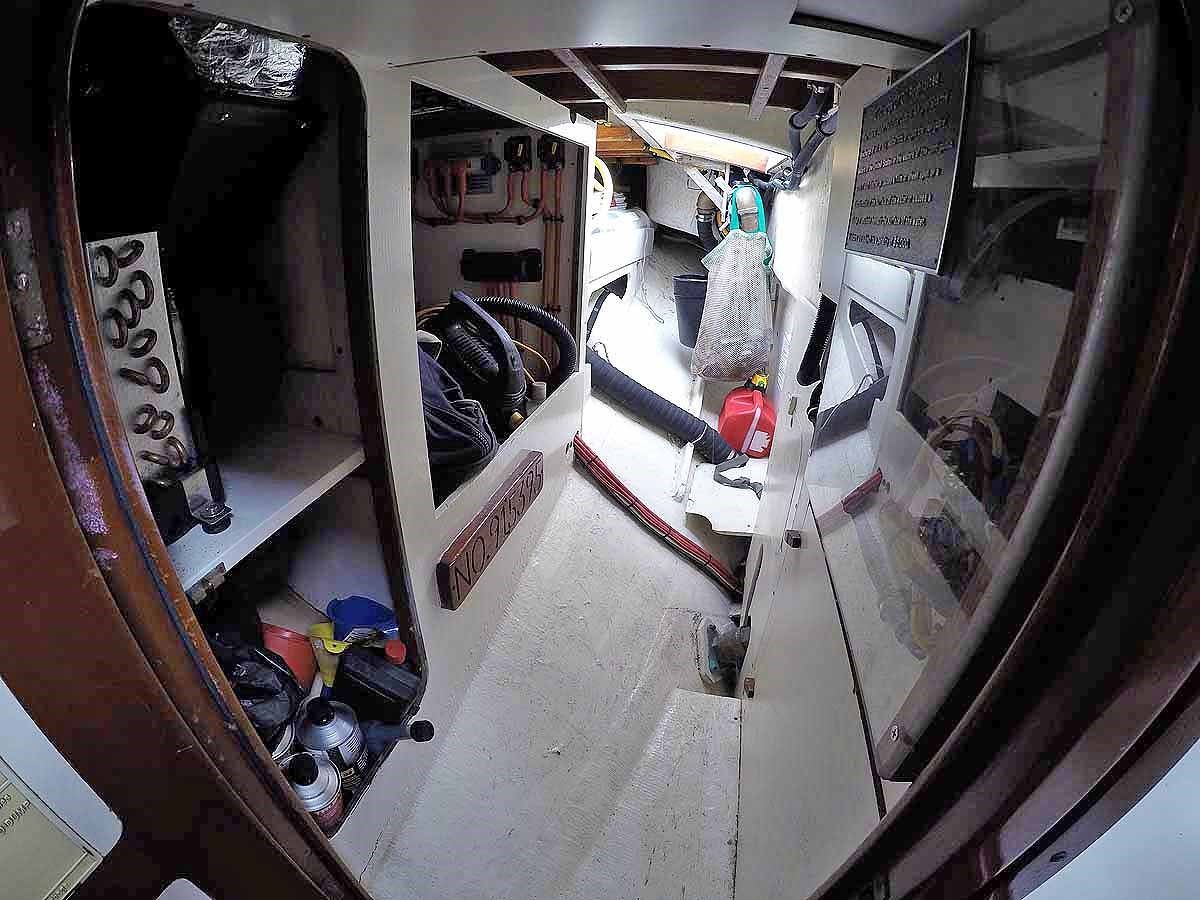
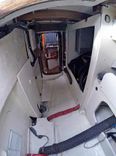
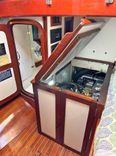
The navigation station to starboard carries a full suite of updated electronics and sits conveniently beside the companionway to the cockpit. Aft of the nav station, a door opens into a passageway that leads to the machinery space and engine room, also accessible from a large cockpit hatch. Useful outboard storage is built in along the way.
Accommodations details and technical descriptions
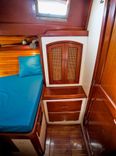
In the forward stateroom, an oversized single berth is complemented by a hanging locker with a shelf above, a drawer, and a pull‑down stowage compartment topped by another shelved fiddle. To port, a large locker is sized to take sails. A continuous shelf runs across the front and along the starboard hull side, served by a reading lamp and two overhead lights. Comfort is enhanced by a Hella twelve‑volt fan, air‑conditioning control, an opening port, a large overhead hatch, and convenient one‑hundred‑ten‑volt outlets.
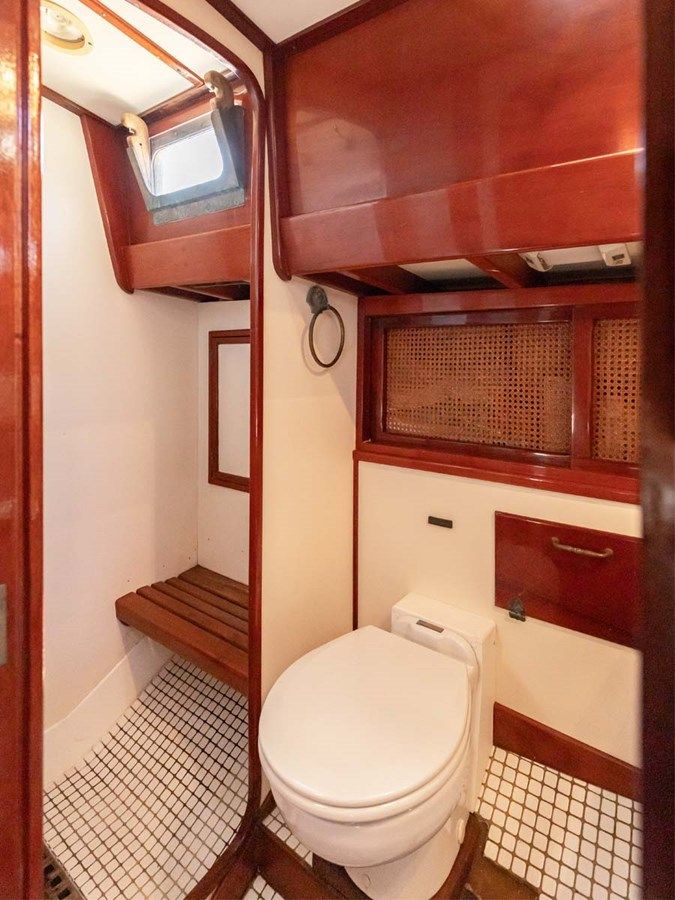
The forward head is bright and practical with an opening port, a tile sole and tile backsplash, a teak shower drain and a sump with electric pump‑out, and bronze towel racks. Pressurized hot‑and‑cold water includes a fitting for a deck shower, a spigot for a manual pump as backup, and a dedicated soap spigot. Lockers and stowage are generous. The Skipper manual head is plumbed with fresh water and fitted with a Y‑valve, a custom holding tank, and a Sealand vent filter.
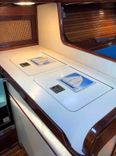
In the salon, a large butterfly hatch brings light and air over royal‑blue synthetic‑leather cushions with matching pillows. The table, with folding leaves, seats six and includes center storage lockers. Port and starboard settees offer stowage beneath and outboard, with mahogany lockers topped by shelves and caned lockers outboard and above. Brass decorative mounts for two gimballed lanterns grace the forward bulkhead, while bulkhead‑mounted stereo speakers, wood staving on the hull sides, and a starboard wet‑locker aft of the settee underscore offshore readiness.
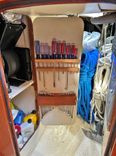
The U‑shaped galley is thoughtfully equipped: a specially designed pull‑out spice cabinet; under‑counter refrigerated iceboxes; a freezer outboard with two cold plates; a reefer inboard with a single stainless cold plate; and an additional insulated icebox across to starboard. A Princess Gourmet II three‑burner propane stove with oven sits beneath a bronze protective sheet under the cabinetry. A lidded trash bin is tucked beneath the counter. Twin deep stainless sinks pair with an opening hatch and an opening port, and LED under‑cabinet countertop lighting installed in fall 2019. Storage abounds in drawers and lockers. A Seagull Pure Water tap delivers filtered drinking water, and a freshwater tap with foot pump adds efficiency. A Jabsco 82500 five‑gallon‑per‑minute house freshwater pump and a Jabsco 82500 five‑gallon‑per‑minute saltwater pump supply the bow washdown. A Rule sink drain pump adds reliability. Horizontal wine‑bottle storage hangs from overhead cabinetry. Locker doors feature mahogany joinery with cane panels and wood‑dowel catches.
In the master stateroom, two hanging wardrobes complement a set of drawers and a settee. A Henderson manual bilge pump is close at hand. The custom mattress was new in 2014. Air‑conditioning is vented here, and rotary battery switches sit beside the berth with an emergency parallel. A chart light on a long arm, a swivel reading lamp, and one‑hundred‑ten‑volt outlets provide convenience. Ventilation is supported by a Hella twelve‑volt two‑speed fan. Environmental control is via an AC panel. Instrumentation includes a Wempe chronometer and a Danforth gimbaled compass mounted overhead above the foot of the berth.
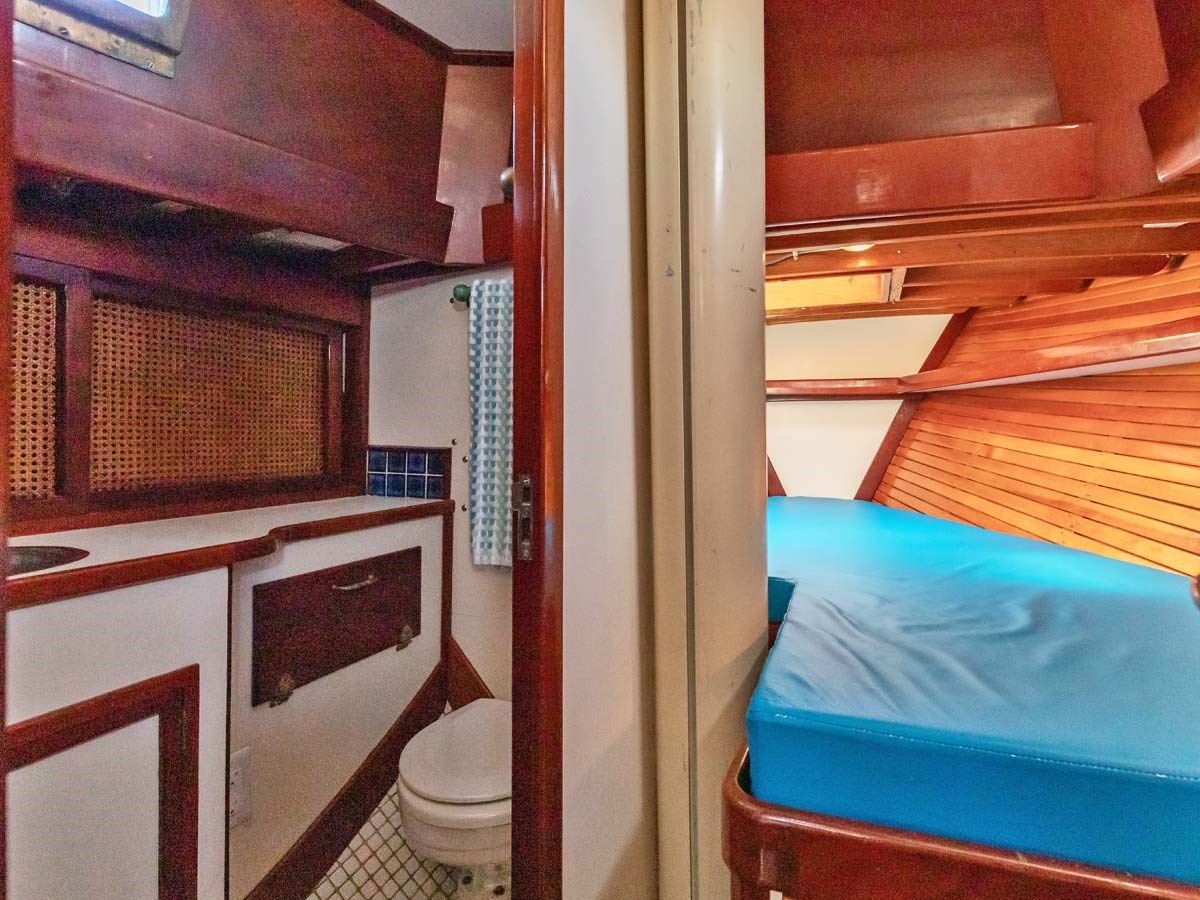
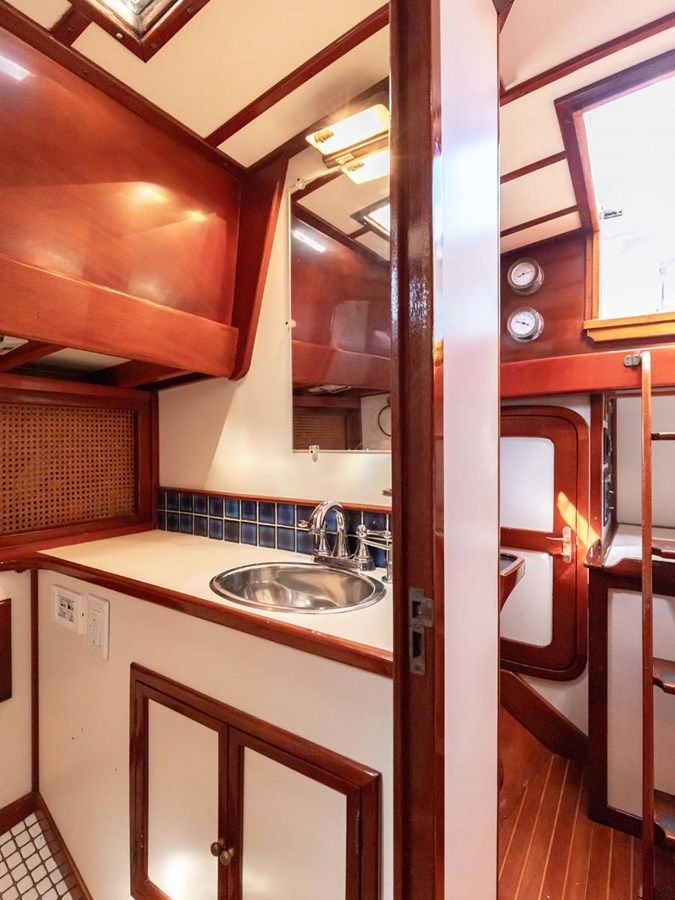
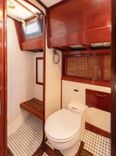
The master head features white tile soles and a separate shower with a teak bench seat, an opening port, a teak drain grate and sump pump, and an outboard storage cabinet. A stainless sink with hot‑and‑cold taps, a soap dispenser, and a blue tile backsplash sit beneath an overhead hatch. The Raritan Elegance electric head offers push‑button controls and can be supplied by salt or fresh water. Ample lockers are fitted beneath the sink and outboard, with one‑hundred‑ten‑volt GFCI outlets for safety.
At the navigation station and through to the machinery room, a built‑in L‑shaped table with a pull‑out drawer and a built‑in shelf with a protective fiddle keep charts and tools secure, while a swing‑out seat locks the navigator in place underway.
Refit (2013-2015)
As previously noted, NARWHAL underwent an extensive refit, approximately three hundred thousand dollars, in 2013/2014 with particular focus on mechanical and electrical systems, most of which were removed and replaced. Virtually all mechanical and electrical systems, including all new electronics, were renewed at that time (the generator was replaced later, in 2019). The few items not replaced new—such as the bow thruster—were rebuilt or refurbished as needed.
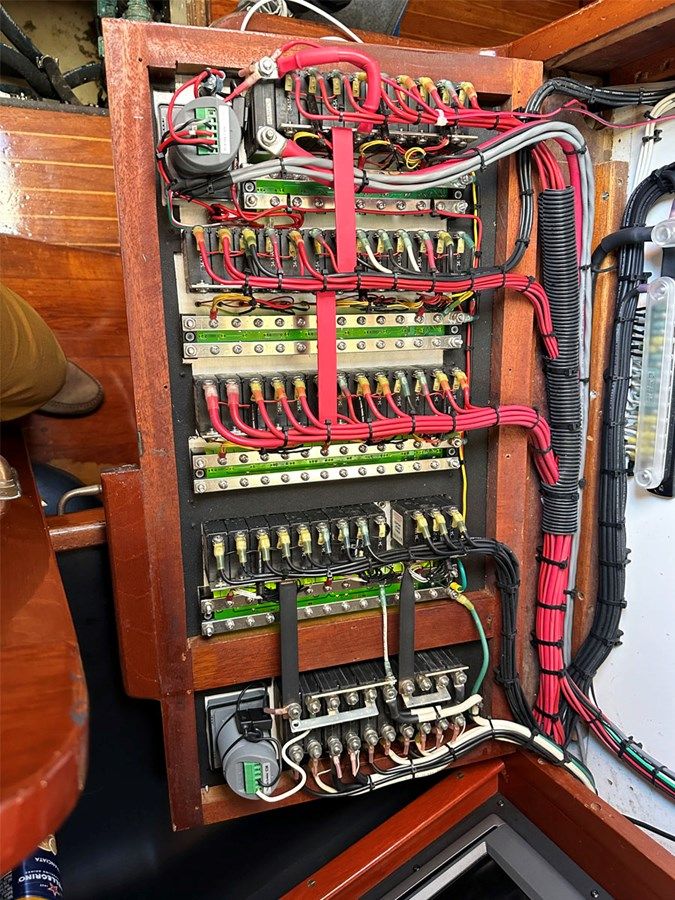
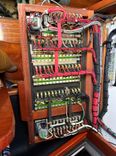
Highlights include: masts re‑wired with a new radar mount, lights, windex, wind instruments, lightning protection, and a complete check of all fittings, with stainless mast steps reconditioned. The entire watermaker system was replaced in 2013 (currently not in service). Refrigeration and freezer systems were upgraded to an all‑new Sea Frost installation, including modifications to the iceboxes, an added divider, and new plumbing and dryers. The electrical system was completely redesigned with all new twelve‑volt and twenty‑four‑volt wiring, new electrical panels, breakers, switches, batteries and battery boxes, grounding and bonding, copper strapping, DynaPlate, a bow thruster panel, chargers, an inverter, outlets, and a battery monitor. All pumps were replaced new, including shower drain, bilge (manual and electric), air‑conditioning, house water, watermaker, washdown, macerator, and sink drain pumps. Many new light fixtures were installed, some LED.
Mechanical work included a new engine, new engine beds, a cutlass bearing, CV shaft, thrust bearing, Aqua Drive, FRP exhaust tube, a custom exhaust riser, upgraded three‑inch exhaust hose with vented loops, a modified muffler design, new thru‑hull strainers for engine and generator, sea strainers, a rebuilt Max‑Prop, tank monitors, a new water heater, an accumulator tank, a Reverso oil‑change system, a washdown pump, and Soundown insulation. The engine room was painted. All thru‑hulls and seacocks were replaced.
The black‑water system was redesigned with a new custom poly holding tank of approximately eighty gallons amidships to service both heads, all new plumbing, a new macerator pump, and a new saltwater pump for the aft head. A Raritan Elegance electric head was fitted aft. Two air conditioners, with new ducting and plumbing, were installed. The bow thruster was rebuilt with new motors, batteries, a twenty‑four‑volt charger, and a Lexan cover. A new Worley custom aft mattress was added along with all new interior cushions and upholstery. A new Princess LPG stove/oven was installed. Electronics were refit with new GPS, HD radar, autopilot, sailing instruments, and stereo.
Electrical system
All batteries were new in 2013. The house bank consists of six 8D twelve‑volt AGM batteries under the aft berth, one‑hundred‑five amp‑hours each for a total of six‑hundred‑thirty amp‑hours. The bow thruster is served by two 8D twenty‑four‑volt AGM ninety‑amp‑hour batteries forward under the V‑berth. There is a twelve‑volt ninety‑five‑amp‑hour engine start battery (new 2013) and a twelve‑volt ninety‑five‑amp‑hour generator start battery (new 2013).
Charging and inversion equipment includes a Mastervolt 24/30‑3 twenty‑four‑volt bow‑thruster battery charger rated at one‑hundred‑twenty amp‑hours at twenty‑four volts (new 2013), a Mastervolt MASS 12/2000 sine‑wave inverter with remote control, a Mastervolt Chargemaster 12/70‑3 automatic battery charger, a Mastervolt battery isolator, and a Mastervolt BTM‑III battery monitor. Shore‑power hardware includes two Hubbell thirty‑amp shore‑power plugs and a Quicksilver fifty‑amp galvanic isolator. Distribution is via Blue Sea Systems twelve‑volt DC and one‑hundred‑twenty‑volt AC panels, with a Blue Seas twenty‑four‑volt meter for the bow‑thruster batteries and a toggle switch for on/off.
Lighting
Lighting is both traditional and modern. Two bronze gimballed lanterns mount on the forward salon bulkheads, paired with Ocean Frigast reading lights. Spreader deck lights on both masts were new in 2014, alongside a steaming light and a masthead/tricolor. At the nav station, two chart lights illuminate the work. LED under‑counter lighting in the galley was added in fall 2019, and LED lighting above the engine and in machinery spaces was installed in fall 2013.
Electronics and communications equipment
At the nav station, a Garmin GPSMAP 7212 GPS/radar plotter works alongside an Icom IC‑M504 VHF. Long‑range communications are via an Icom IC M700 SSB with an Icom AT‑140 automatic antenna tuner (currently inoperable). Audio is controlled by a Fusion MS‑NRX300 stereo head. There is a USB plug with a waterproof cover. Time and weather are tracked by a Weems & Plath bronze clock and barometer. Mounts and stowage include two teak handheld‑VHF holders, a teak corner shelf, and a forward/outboard teak shelf and cubby.
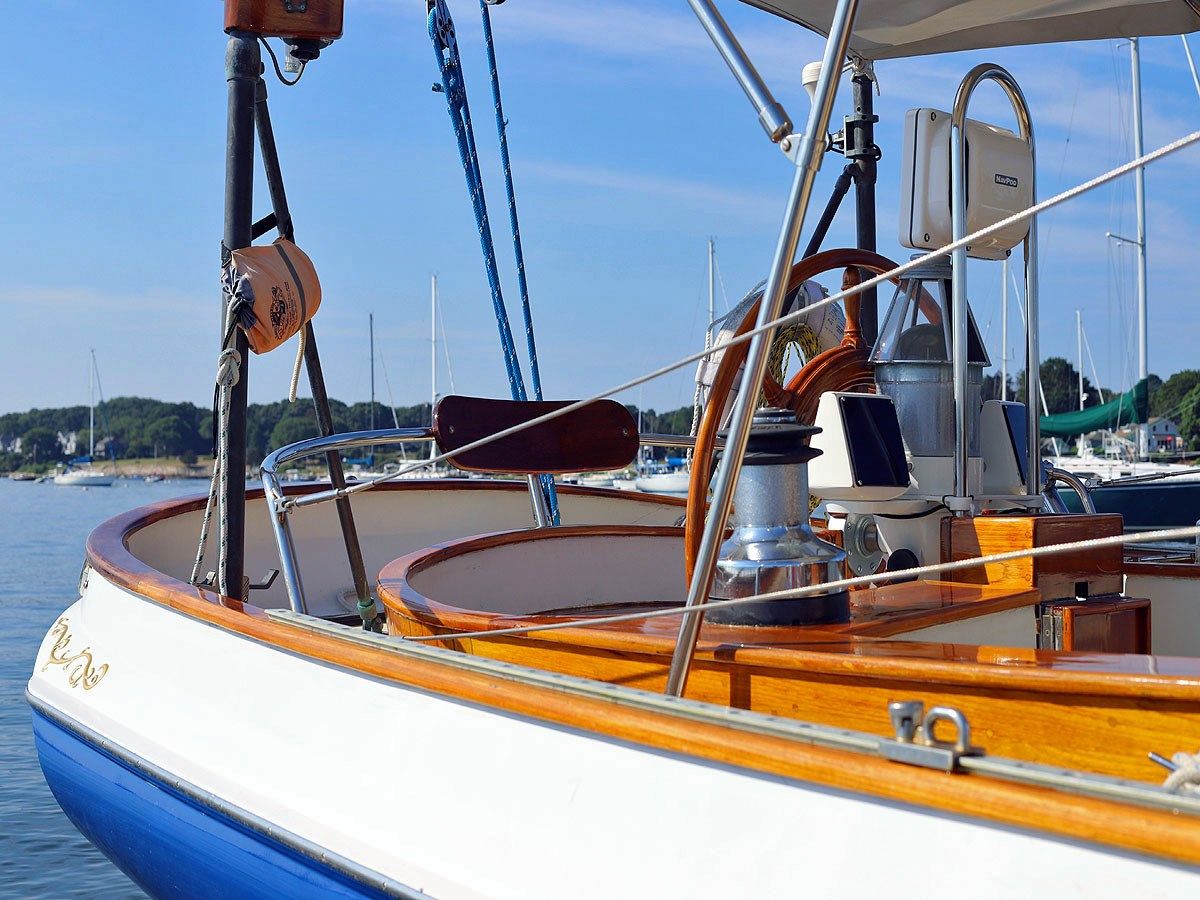
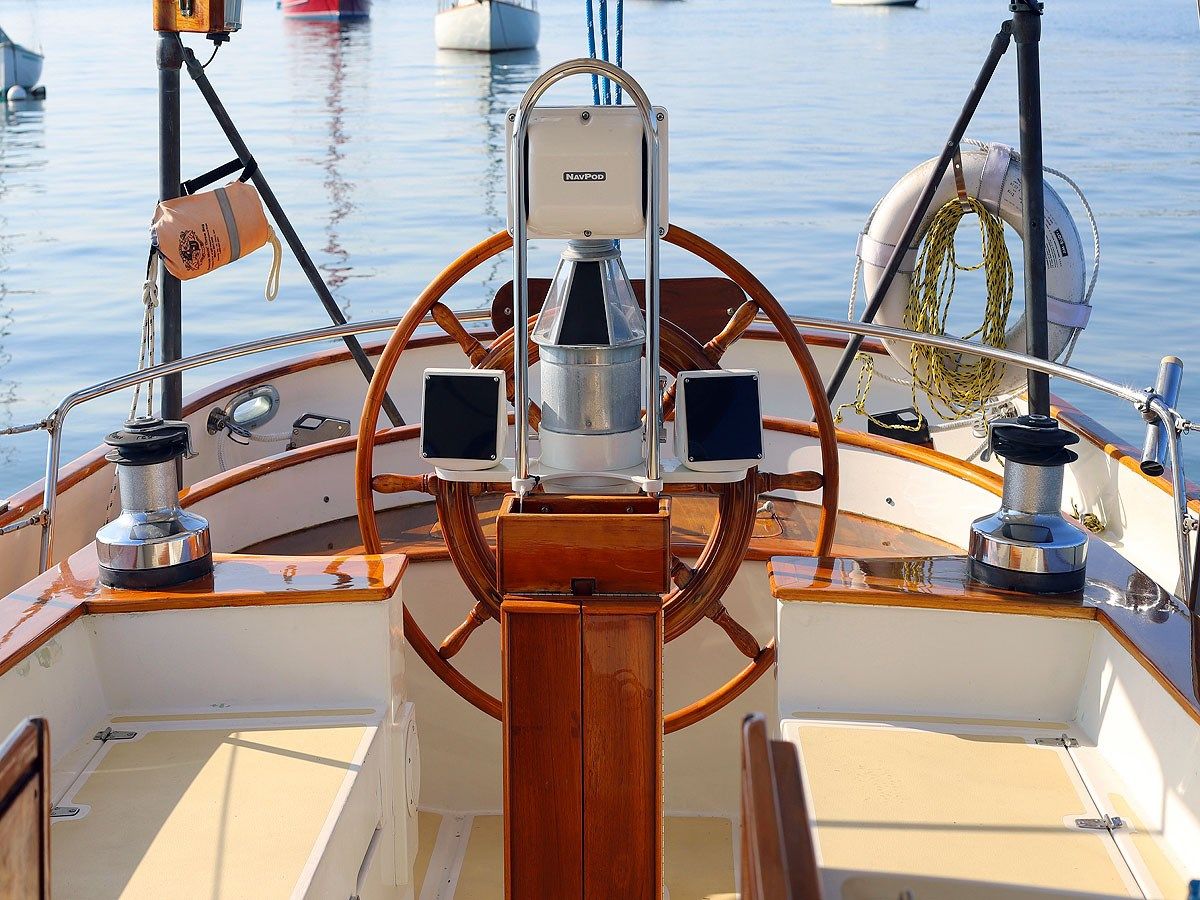
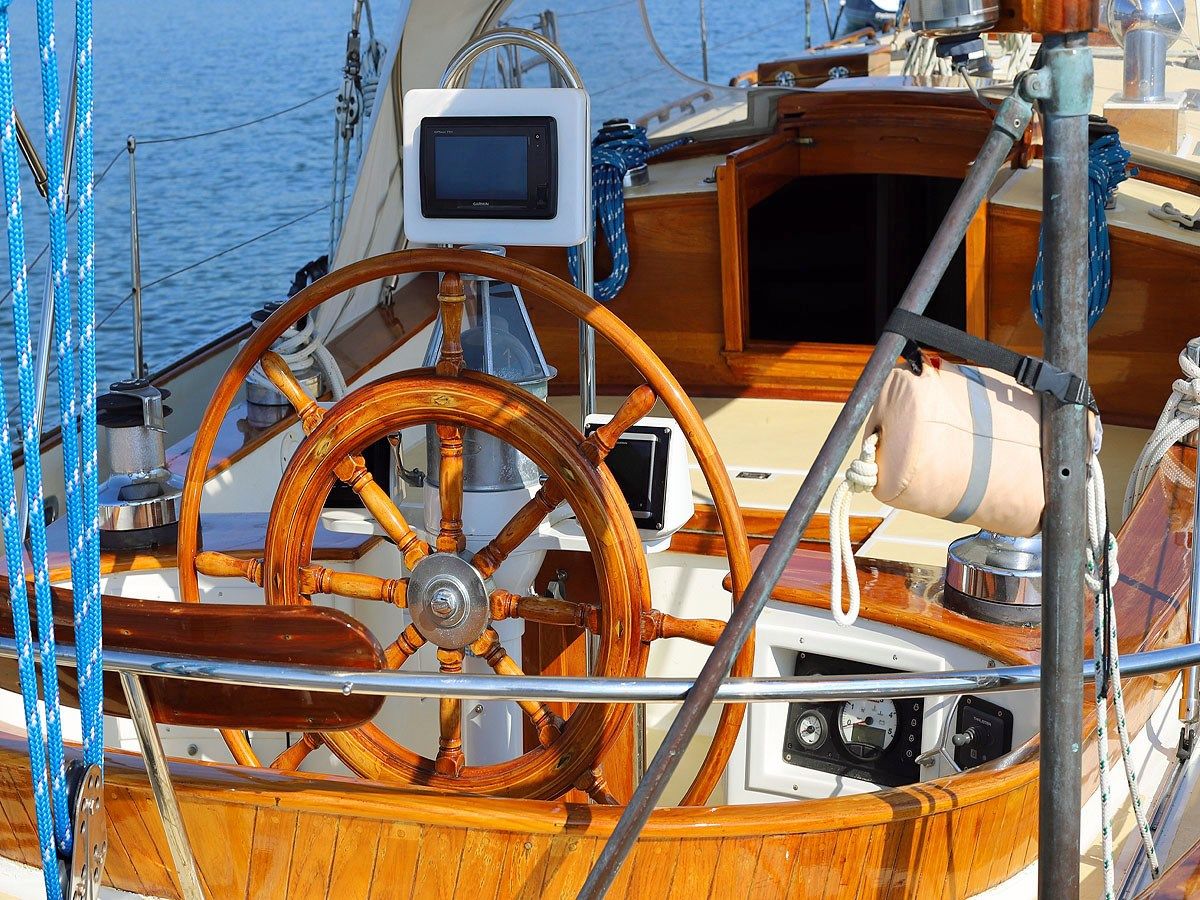
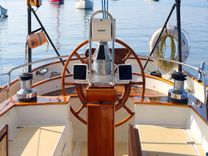
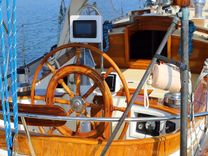
At the helm, a Garmin GPSMAP 721 sits in a NavPod above the wheel. A Garmin autopilot interface is mounted at the port pedestal (new 2018/2019), with a Garmin sailing instrument on the starboard pedestal (new 2018/2019). The Edson pedestal is painted white and fitted with a wheel lock. Steering is supported by a Garmin autopilot hydraulic ram (new 2018/2019). A Garmin HD closed‑array radar antenna is mounted on the foremast. A Danforth Constellation compass tops the pedestal. An eight‑pin plug (inoperable) and a toggle switch (inoperable) are present. An Icom Command MIC II remote VHF serves the port helm. Sensors include an Airmar thru‑hull Smart Sensor and a bronze thru‑hull with a removable paddlewheel. A Garmin GPS antenna is mounted on the boom gallows.
Engine room and mechanical equipment
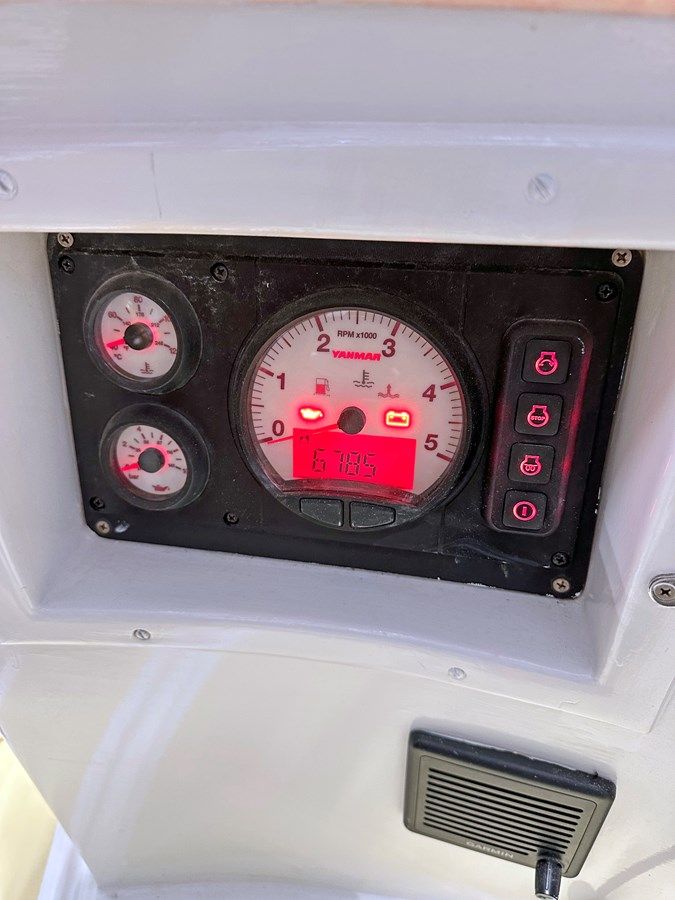
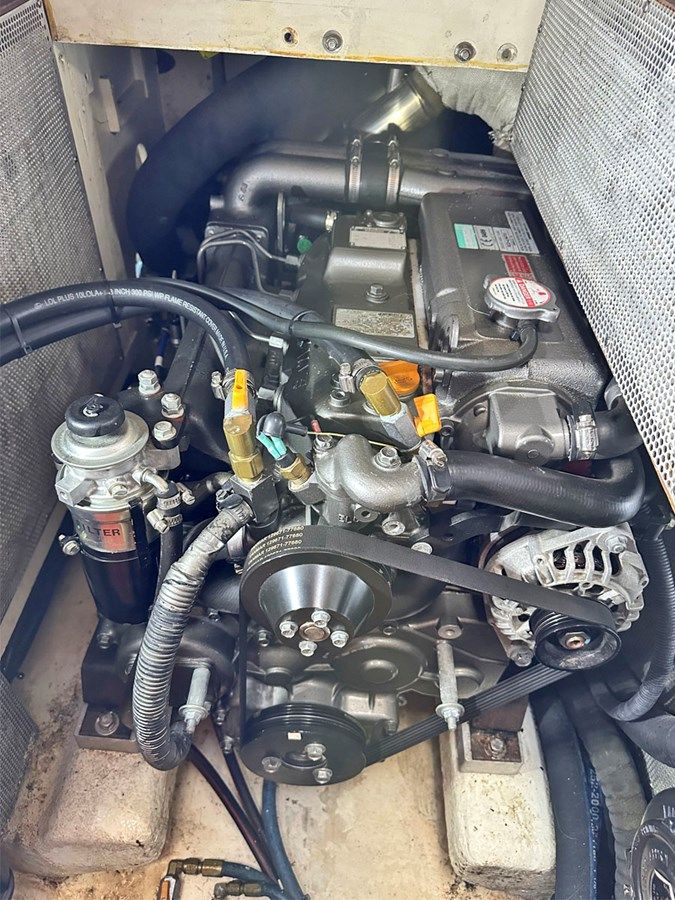
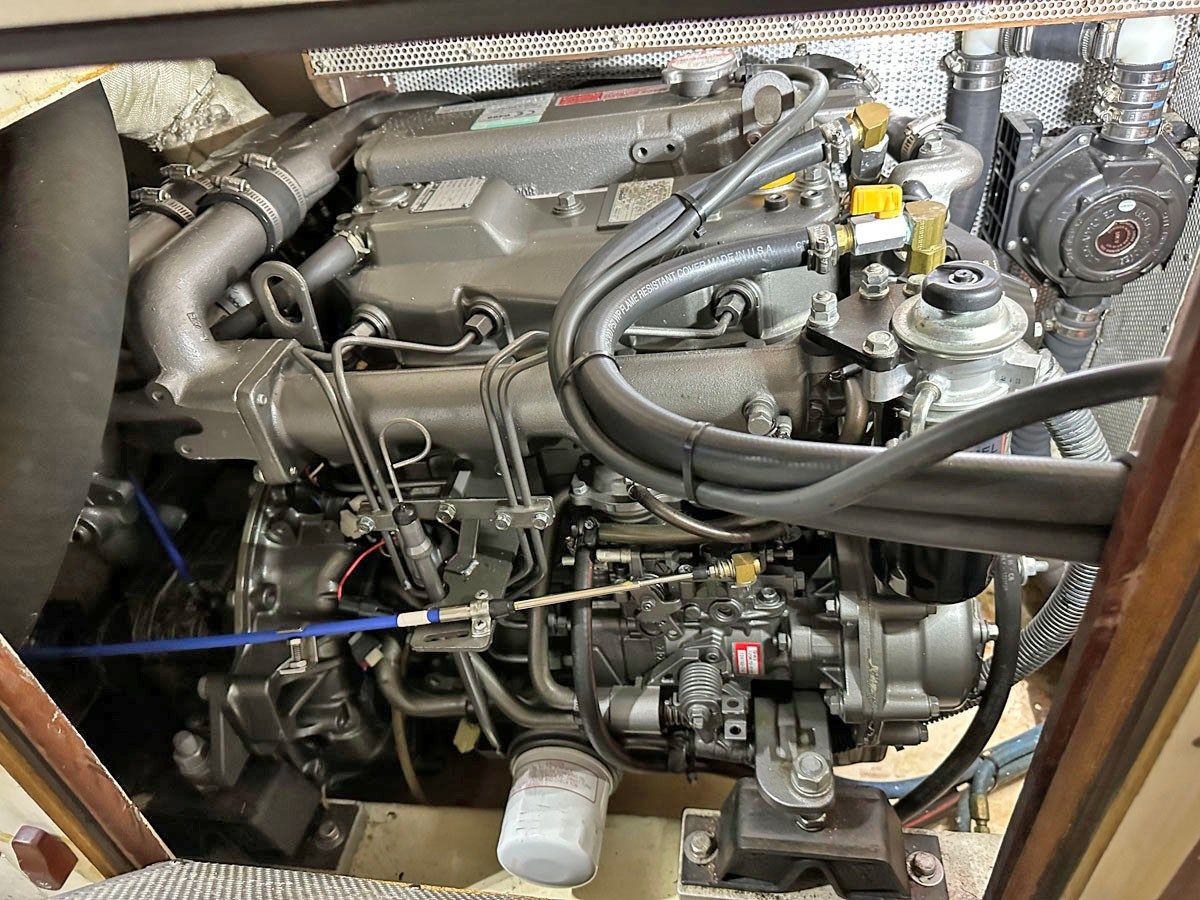
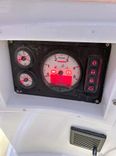
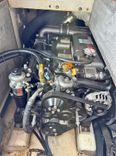
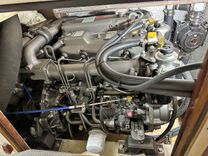
Power is by a Yanmar 4JH4‑HTE1 four‑cylinder turbo diesel rated at one‑hundred‑twelve horsepower, with a full start panel at the helm and a remote panel at the nav station. A tank tender gauge monitors levels. The prop shaft aperture was rebuilt in 2018/2019, and the cutlass bearing was new in 2018/2019. Charging is via a standard Yanmar fifty‑five‑amp alternator. Auxiliary power is a Phasor eight‑kilowatt generator (new 2014) with a Kubota diesel replaced new in 2018 (fifty‑seven hours as of December 2019).
Maneuvering is assisted by a Vetus bow thruster with a joystick below the helm and a stainless guard. Fuel is polished through Racor model 75‑500 dual fuel filters with a crossover valve and a vacuum gauge. The FRP integral fuel tank holds one‑hundred‑sixty‑five gallons beneath the main engine. Propulsion runs through a three‑blade Max‑Prop and a flexible shaft link to absorb vibration.
Climate control includes Dometic Marine Air air‑conditioning/reverse‑cycle heat aft (eight‑thousand BTU) with a Smartstarter, vented to the nav station and aft cabin, and a forward air‑conditioning unit (sixteen‑thousand BTU), vented to the starboard salon and forward cabin. The watermaker is a Newport 400 MKII rated at seventeen gallons per hour (new 2013/2014; currently not in service). Domestic hot water is provided by a Force 10 stainless water heater of sixteen gallons with a one‑hundred‑ten‑volt element plus engine heat. Safety is enhanced by a Fireboy automatic fire extinguisher in the engine room with a helm display, and a Reverso oil‑change system serves both engine and generator.
Construction
The hull and cockpit are hand‑laid fiberglass with vinylester resin. The decks and cabin house combine wood and fiberglass, with painted non‑skid on top, solid teak sides and eyebrow, teak handrails, and a teak companionway hatch hood. Non‑skid decks are bordered by high‑gloss painted white waterways. All bulkheads are glassed into the hull and deck on both sides for maximum strength.
Tankage
Fuel is carried in a fiberglass tank on the centerline aft beneath the engine and cockpit with a capacity of one‑hundred‑sixty‑seven gallons. Fresh water is stored in two aluminum tanks of eighty gallons apiece. Black water is held in a custom amidships tank of approximately eighty gallons. Propane is supplied by two aluminum cylinders (TW 10; WC 23.8; DT 4.0).
Deck hardware and equipment
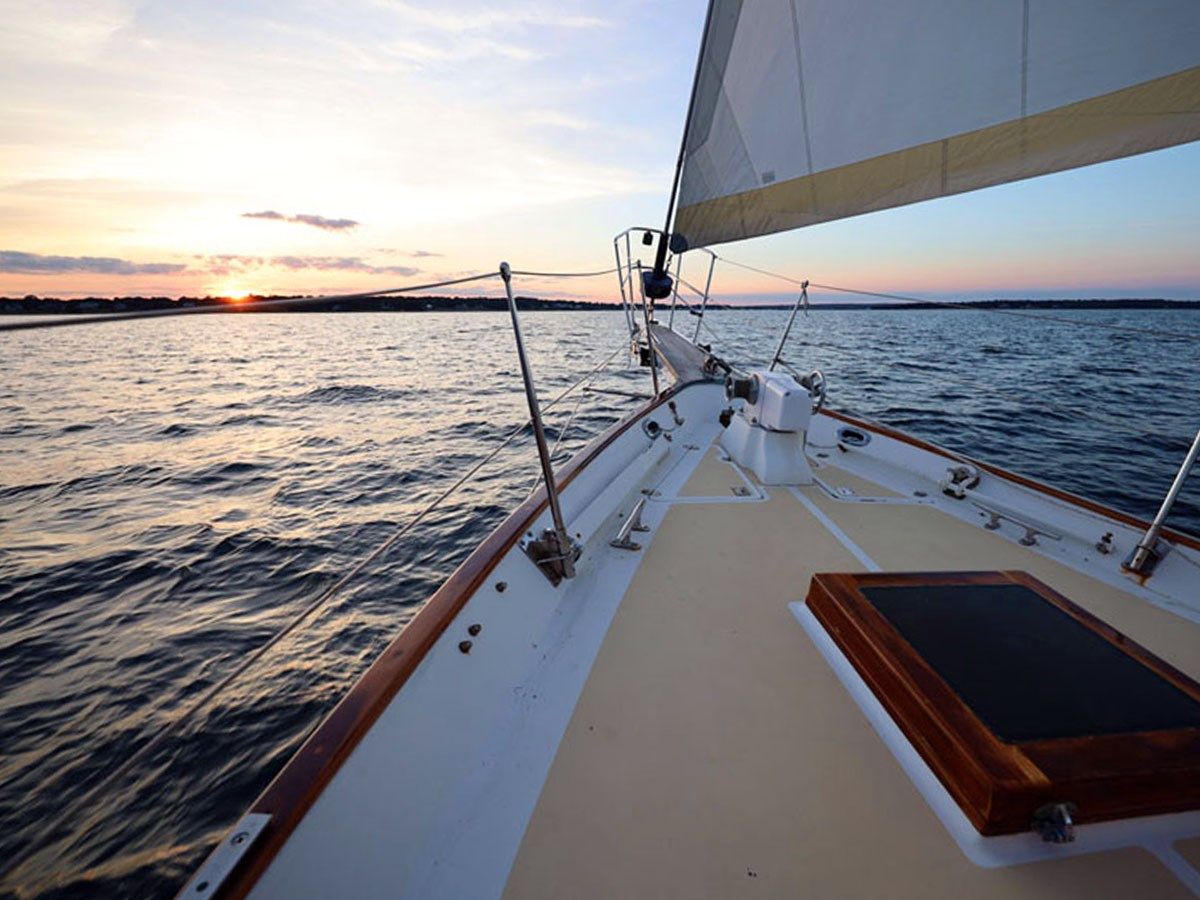
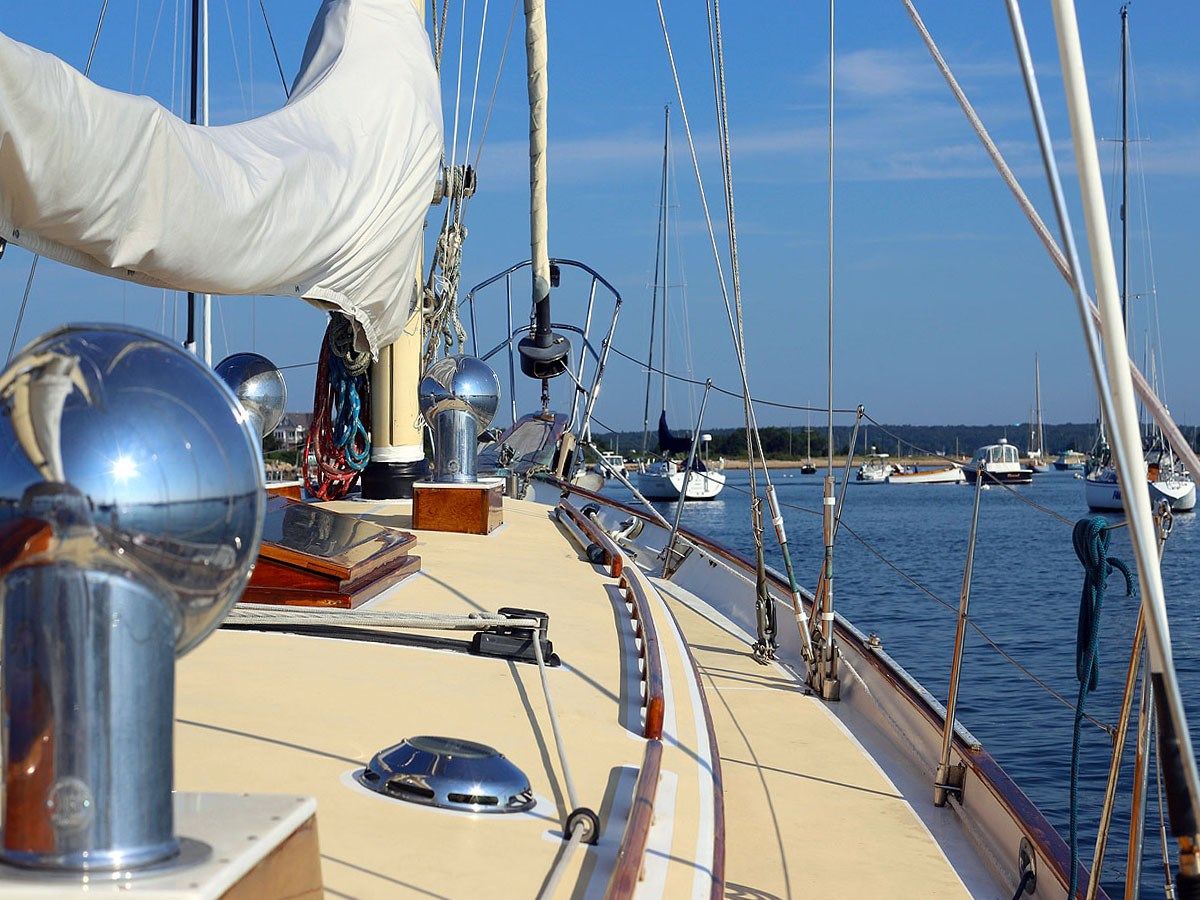
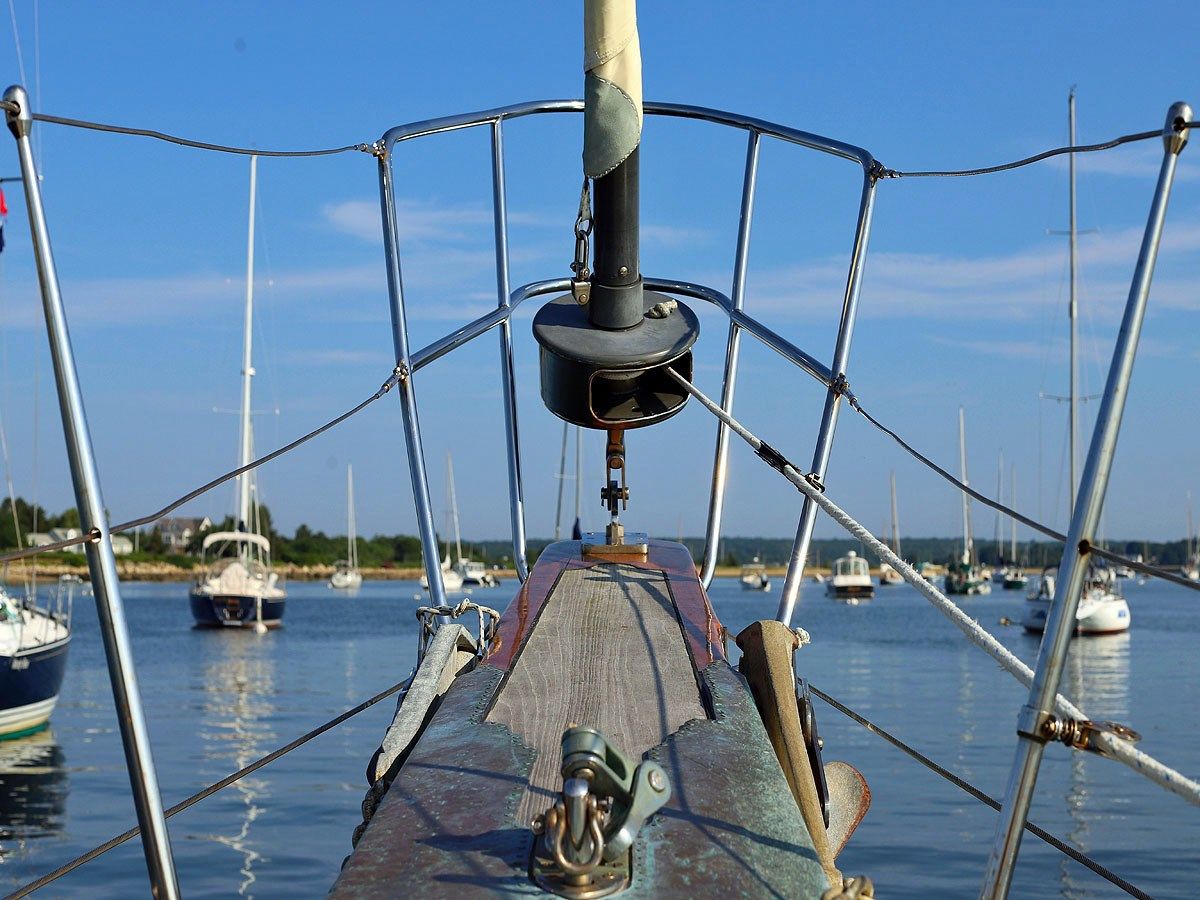
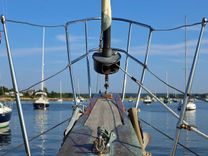
Ground tackle begins with a CQR sixty‑pound plow anchor on a roller and an all‑chain rode on the teak‑and‑bronze bowsprit with a stainless bow pulpit. A forty‑pound plow on the port roller carries approximately thirty feet of chain to a braided rope rode. A dual‑capstan upright windlass handles the loads. Twin anchor lockers with flush foredeck hatches flank the windlass. A Fisherman storm anchor stows in sections along the foredeck bulwarks.
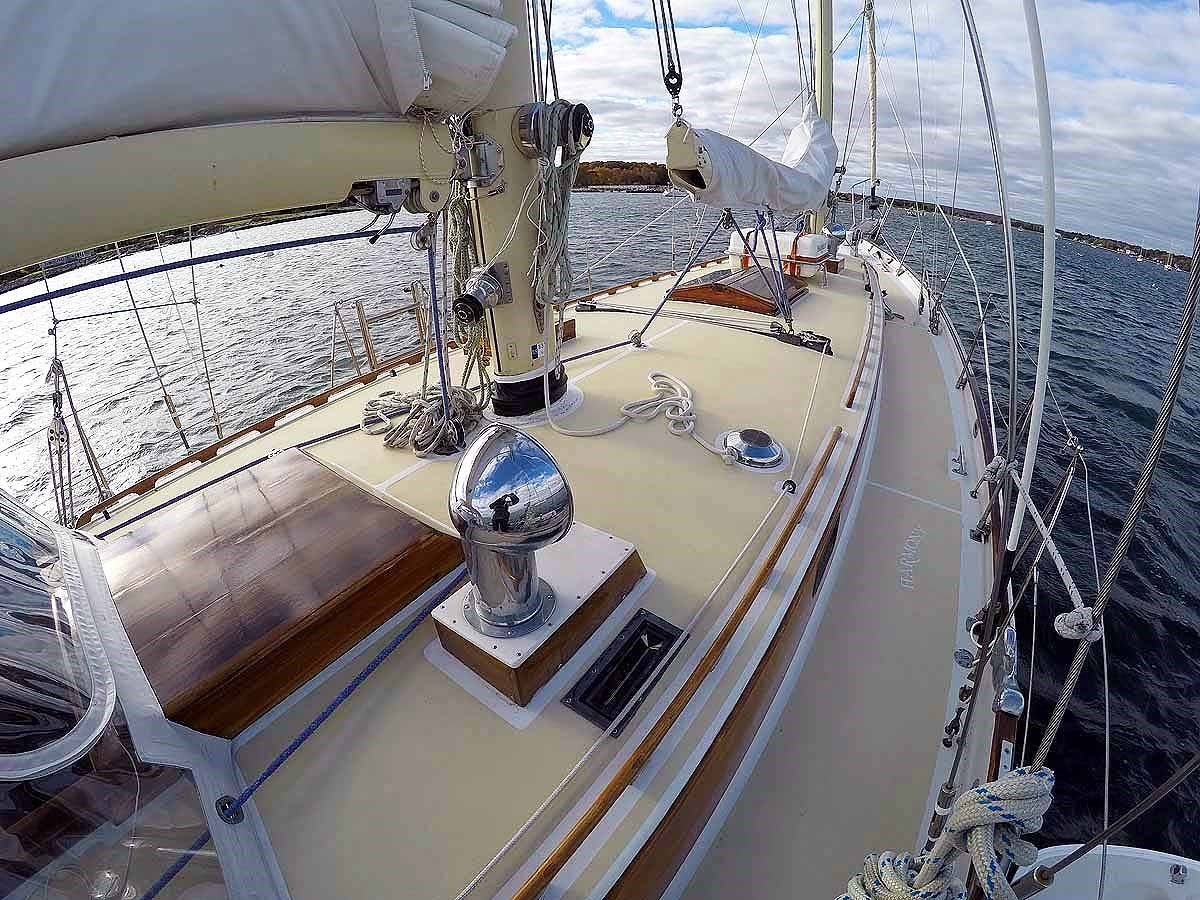
Ventilation and light on deck include a dorade vent and a deck prism for the aft head, plus matching dorade vents with removable round stainless cowls just aft of the foremast—one serving the forward cabin and one the salon. An aft‑shower Nicro Fico solar vent supplements airflow. Teak handrails run the cabin top. Mooring lines and fenders are aboard, and two decorative dolphins grace the bulwarks.
Safety and control on deck include a stainless‑tube bow pulpit on the bowsprit, solid stainless stanchions, and Dyform stainless double lifelines. Hatches include a custom main‑salon teak butterfly hatch plus opening hatches for the galley, head, and foredeck. Opening ports are Cherubini custom solid bronze. There are six cast‑stainless Herreshoff‑style cleats and ten closed chocks cast into the bulwarks. A custom bronze‑and‑teak main boom gallows supports the spar, and a stainless swim ladder with teak steps mounts at the port stanchion gate.
Cockpit
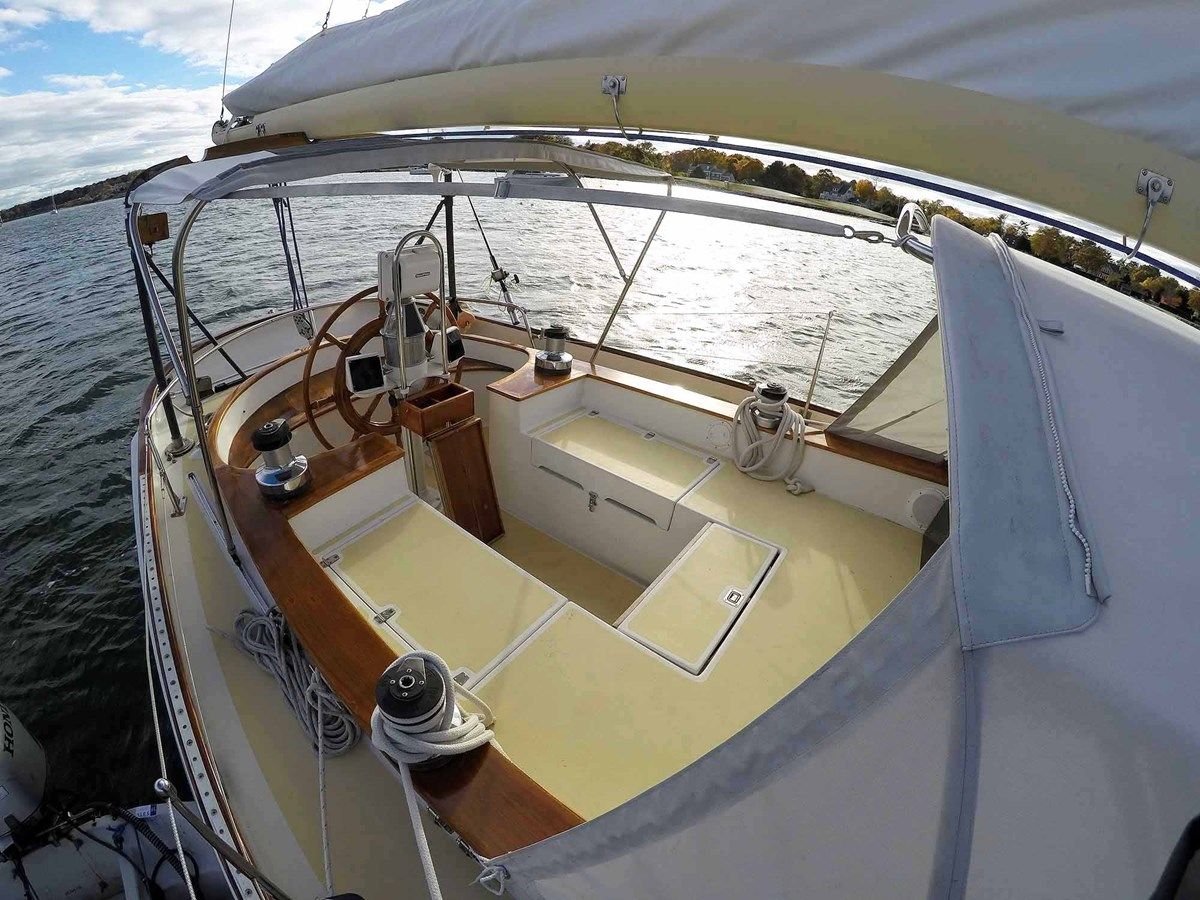
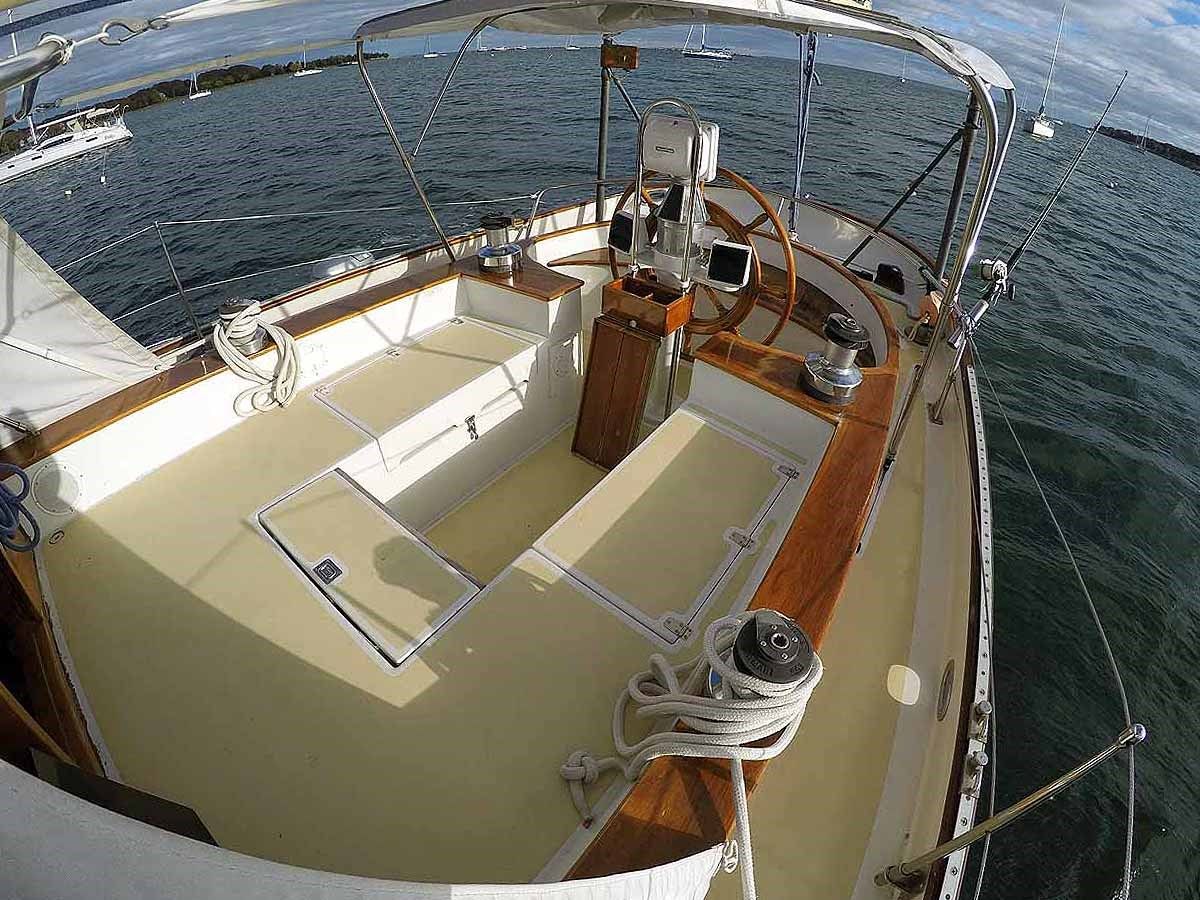
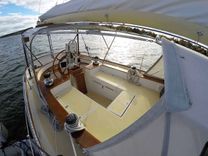
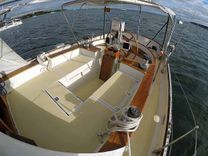
Access beneath the helm seat is excellent to the quadrant—whose rudder stops were re‑glassed in 2017—and to the autopilot ram. Dual‑lever engine controls mount on the pedestal. The forward section of the cockpit is large, with wide, long seats ideal for stretching out. A wide, raised bridge deck spans the cockpit front. The teak companionway is offset to starboard with a smoked Lexan hatch board.
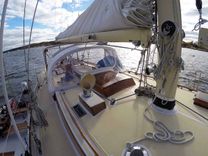
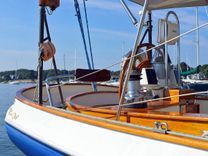
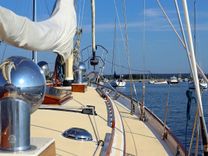
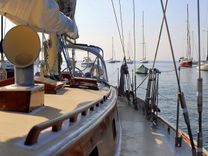
Bright‑varnished teak finishes define the fold‑down table, cockpit coamings, traditional spoked wheel, pedestal storage cubbies, and raised centerline helm bench. A stainless pedestal guard/handrail supports the NavPod. A chromed binnacle with a six‑sided glass cover protects the Danforth compass. A stainless safety rail crowns the aft cockpit above the coaming. The primary engine panel is here, with a Fireboy engine‑room extinguisher indicator below the thruster control. A Vetus bow‑thruster joystick sits below the wheel to starboard with a stainless guard. A secondary VHF serves the port helm. A rod holder supports trolling. Aluminum pedestal brackets carry the sailing instrument and autopilot. Stowage includes a port cockpit locker, a centered forward‑cockpit propane locker, stereo speakers, and a large lazarette. Weather protection comes from a dodger with a stainless grab bar and a large center‑opening panel, a bimini above the helm with two clear plastic windows and roll‑up covers, and a filler piece connecting bimini to dodger. There is starboard‑side cockpit access to the engine room. Bronze‑and‑teak boom gallows include built‑in grab handles at each corner. Cockpit cushions are Royal Blue Sunbrella.
Rig and rigging
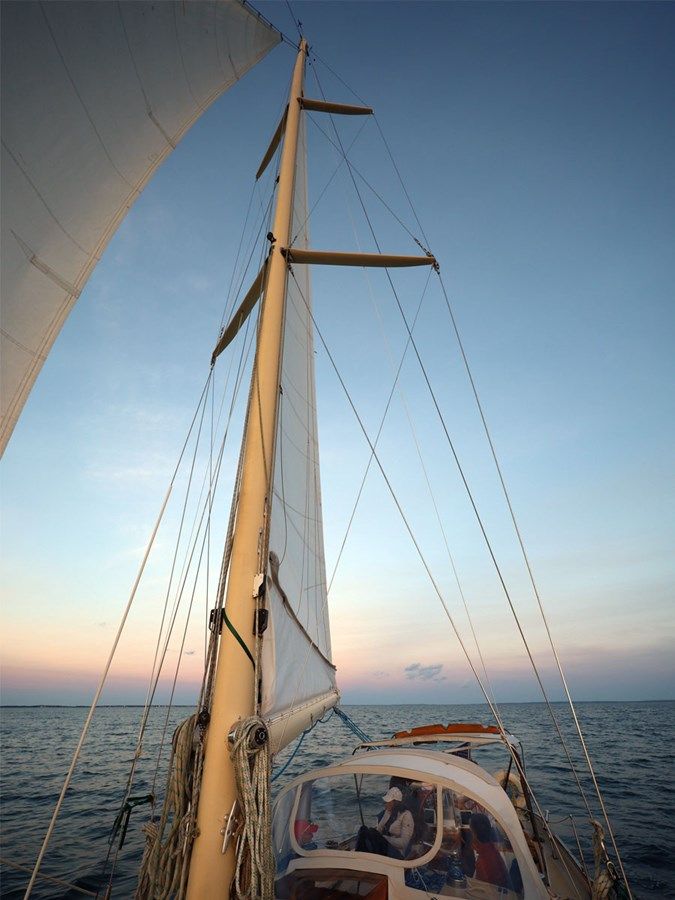
Her Awlgrip‑painted aluminum double‑spreader masts and booms are arranged for easy handling, with mainsail and foresail sheets both led aft under the dodger to cockpit winches. The foresail is self‑tacking, with traveler controls led aft. The Harken furling headstay’s reef line leads aft to the starboard cockpit winch.
Standing and running rigging are premium: Navtec stainless discontinuous rod rigging with stainless closed‑barrel turnbuckles and Navtec fittings; a removable 1x19 stainless‑wire inner forestay; braided polyester sheets and halyards; and 1x19 stainless‑wire running backstays led to a braided‑line purchase system. Stainless mast steps are mounted on the keel. Hardware includes Harken main and foresail travelers, Schaeffer mainsheet and deck blocks, Merriman jib lead cars, Lewmar Spinlock line clutches, and Antal line clutches on the booms.
Stainless tracks on the toe rails comprise a forward pair and a second pair that starts amidships and runs all the way aft to the stern, with a short track on deck inside the shrouds. Chainplates are stainless U‑bolts through‑bolted to fabricated stainless angle irons that are through‑bolted to the hull‑to‑deck flange, with overlapping inverted FRP hanging knees glassed into the hull sides.
Safety equipment
Safety gear includes an ACR EPIRB mounted near the base of the mainmast and a ring buoy. Fire protection features a Fireboy automatic fire extinguisher in the engine room and two portable extinguishers. Bilge‑pumping capacity comprises two manual pumps—a large Edson in the cockpit and a Henderson below next to the companionway and aft berth—plus a Rule 2000 electric bilge pump under the companionway.
For heavy weather and offshore work, there are offshore covers for all opening ports, wood plugs for thru‑hulls attached in the bilge, a stainless padeye in the port companionway for harness tether hookup, jacklines, a drogue, and a stainless emergency tiller stowed in the starboard lazarette.
Exclusions
The owner’s personal effects are excluded from the sale.
Sails and canvas
The sail inventory is complete and cruising‑ready. The mainsail, new in 2017, is a Doyle Stackpack with lazyjacks, fully battened with Tides Marine batten stainless slides. Headsails and auxiliaries include a one‑hundred‑forty‑percent genoa, a one‑hundred‑percent yankee jib, a fisherman staysail, a fore staysail, a storm jib, a storm trysail, and a cruising spinnaker.
Sunbrella canvas includes the dodger, bimini, the filler piece between them, sail covers, helm cover, hatch covers, and a life‑raft cover—all new in 2017/2018.
Winch inventory: two Lewmar 52 ST primaries; on the mainmast, Lewmar 46ST, 40ST, and one 16ST; on the foremast, two 40ST; a Lewmar 48 ST mainsheet winch at the starboard companionway; a Lewmar 40 ST foresail winch at the port companionway; and two Lewmar 46 ST primary genoa‑sheet winches in the cockpit.
Specifications
- Accommodations:
- 6 staterooms
- Length:
- 56' (17.07m)
- Beam:
- 13' (3.96m)
- Year Built:
- 1986
- Builder:
- CHERUBINI
- Category:
- Sail yachts
- Engines:
- 1 engines Yanmar
- Cruise Speed:
- 7 Kts.
- Location:
- United States



Yacht name «NARWHAL» – CHERUBINIis for sale and located in South Dartmouth, United States
Sail yachts «NARWHAL» built by manufacturer CHERUBINI in 1986— available for sale. Yacht location: United States. If you are looking to buy a yacht «NARWHAL» or need additional information on the purchase price of this CHERUBINI,
please call: +1 (954) 274-4435 USAOnly deal with professionals!