
 Licensed Yacht BrokersYachts for Sale
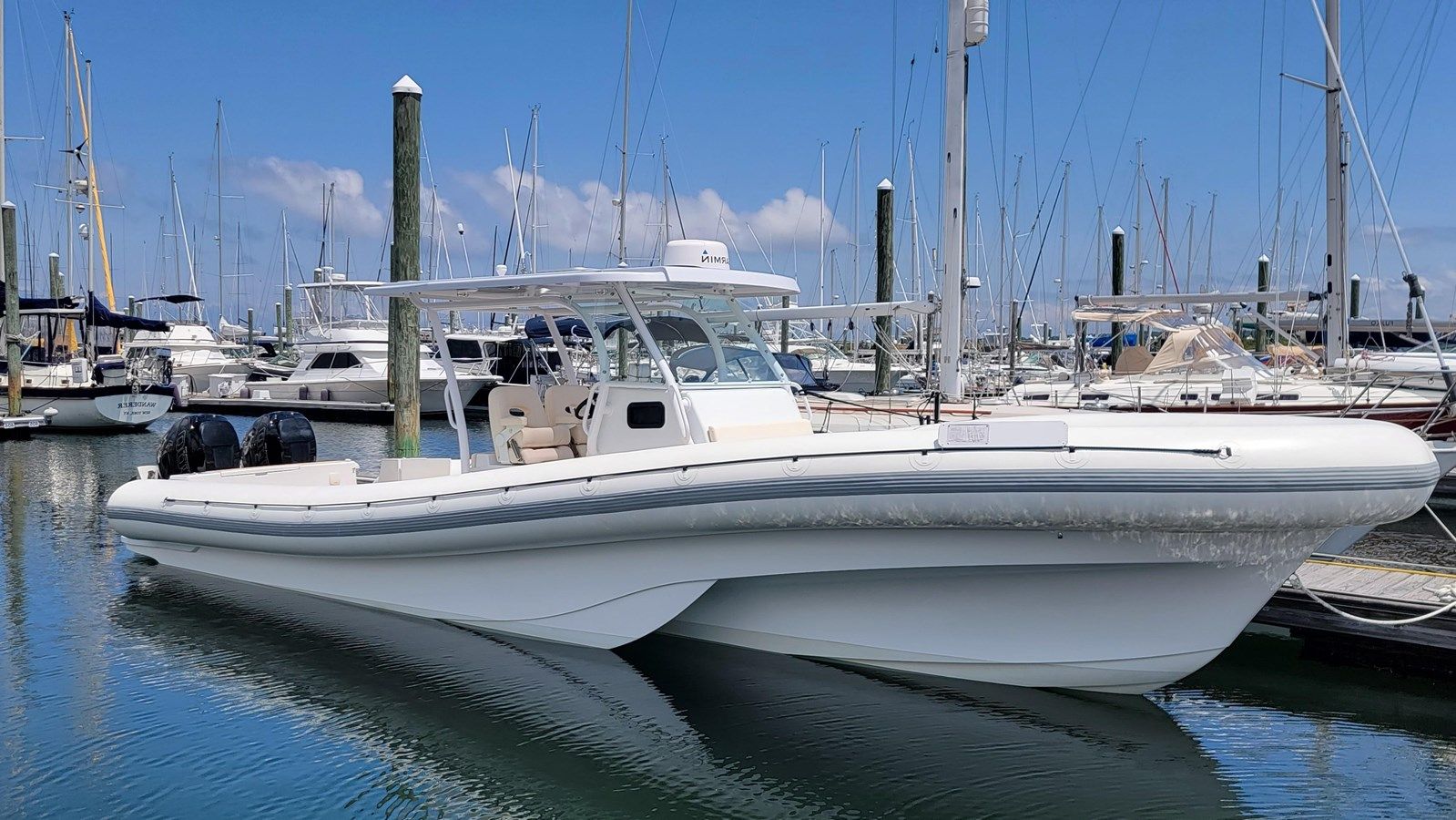
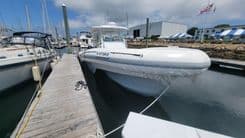
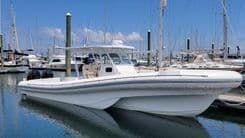
Sea Blade I - SEA BLADE FOR SALE
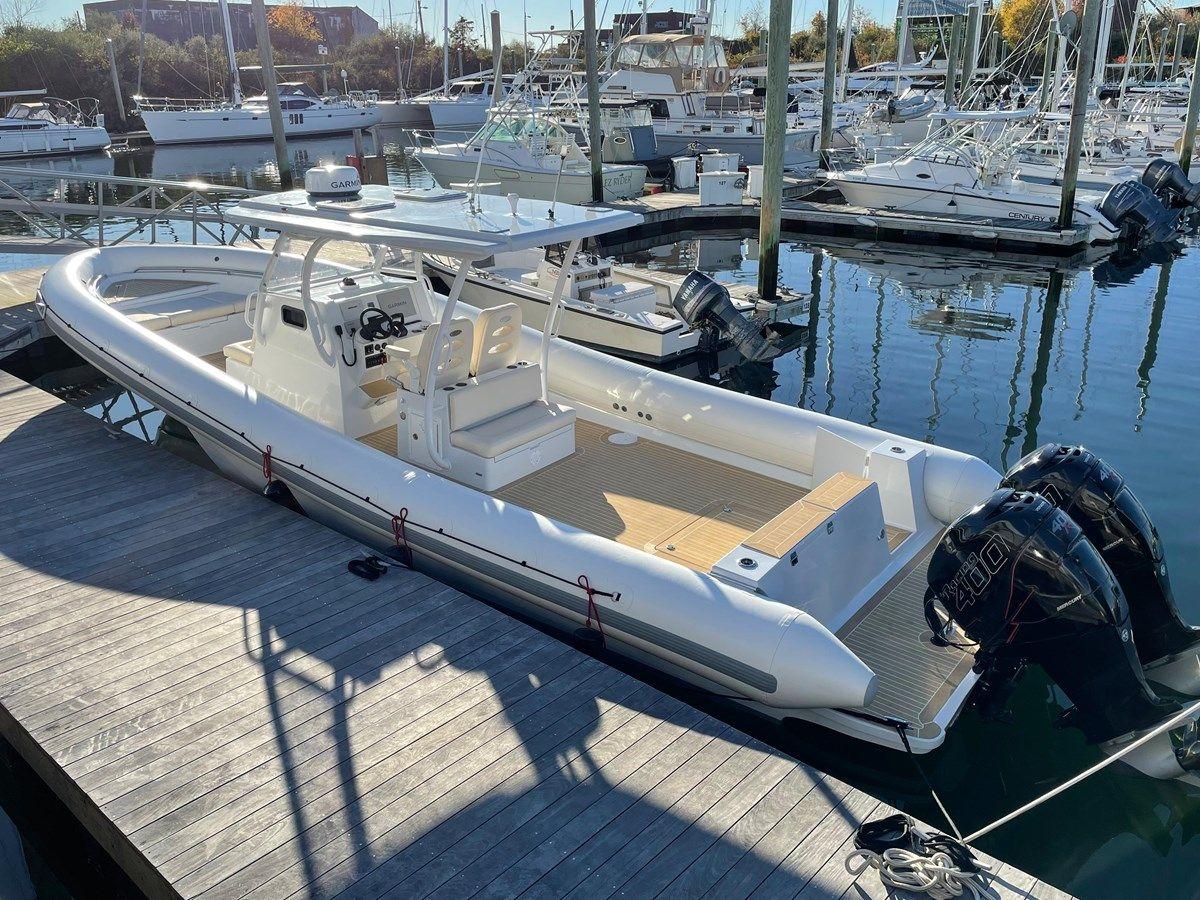
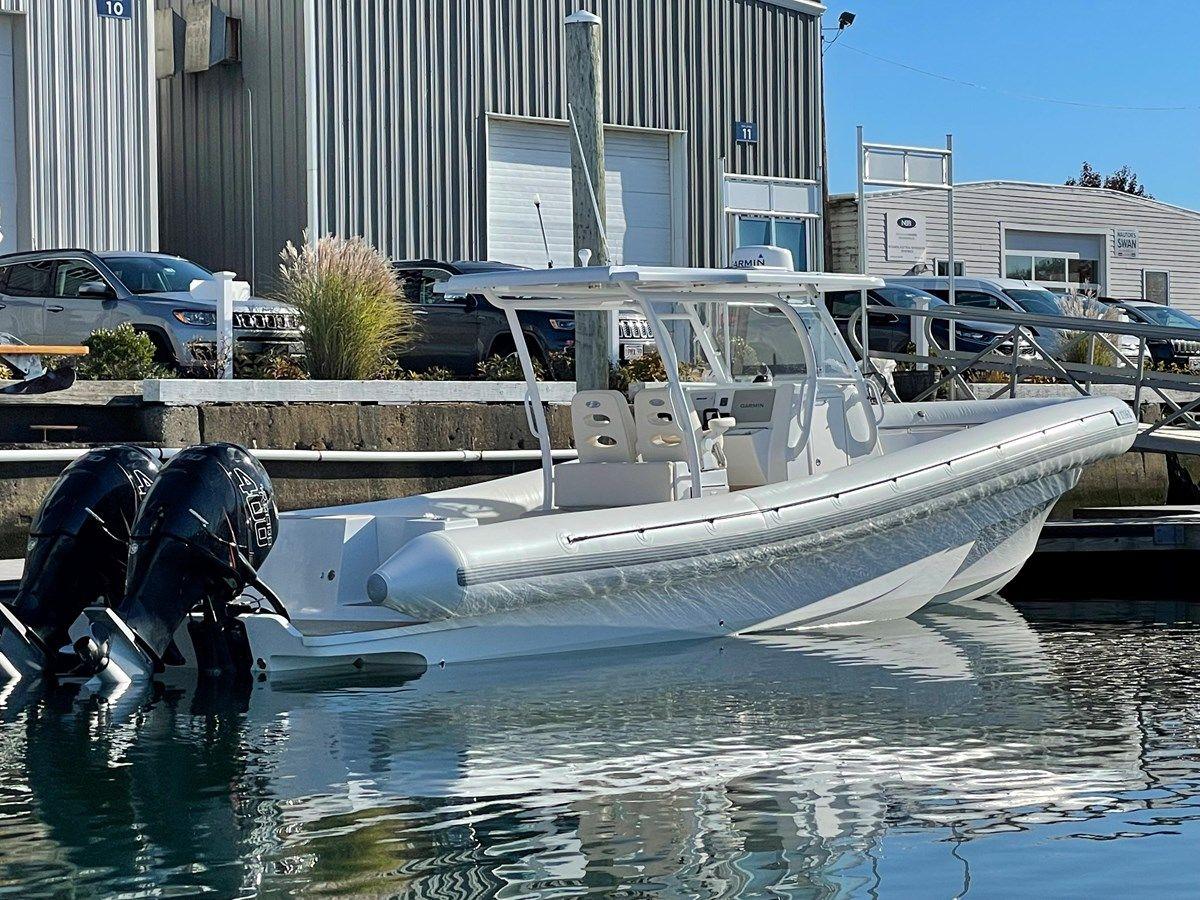

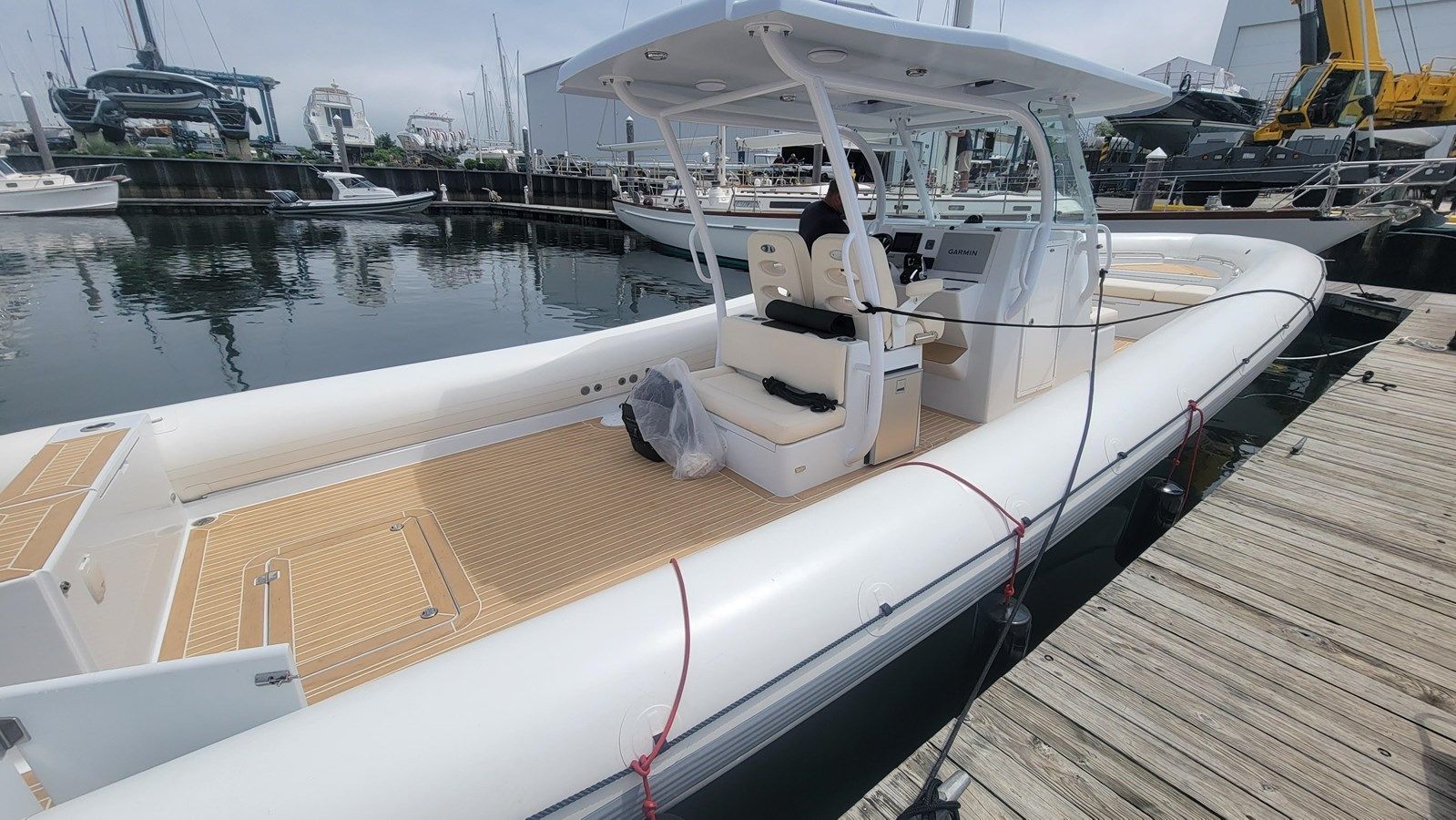
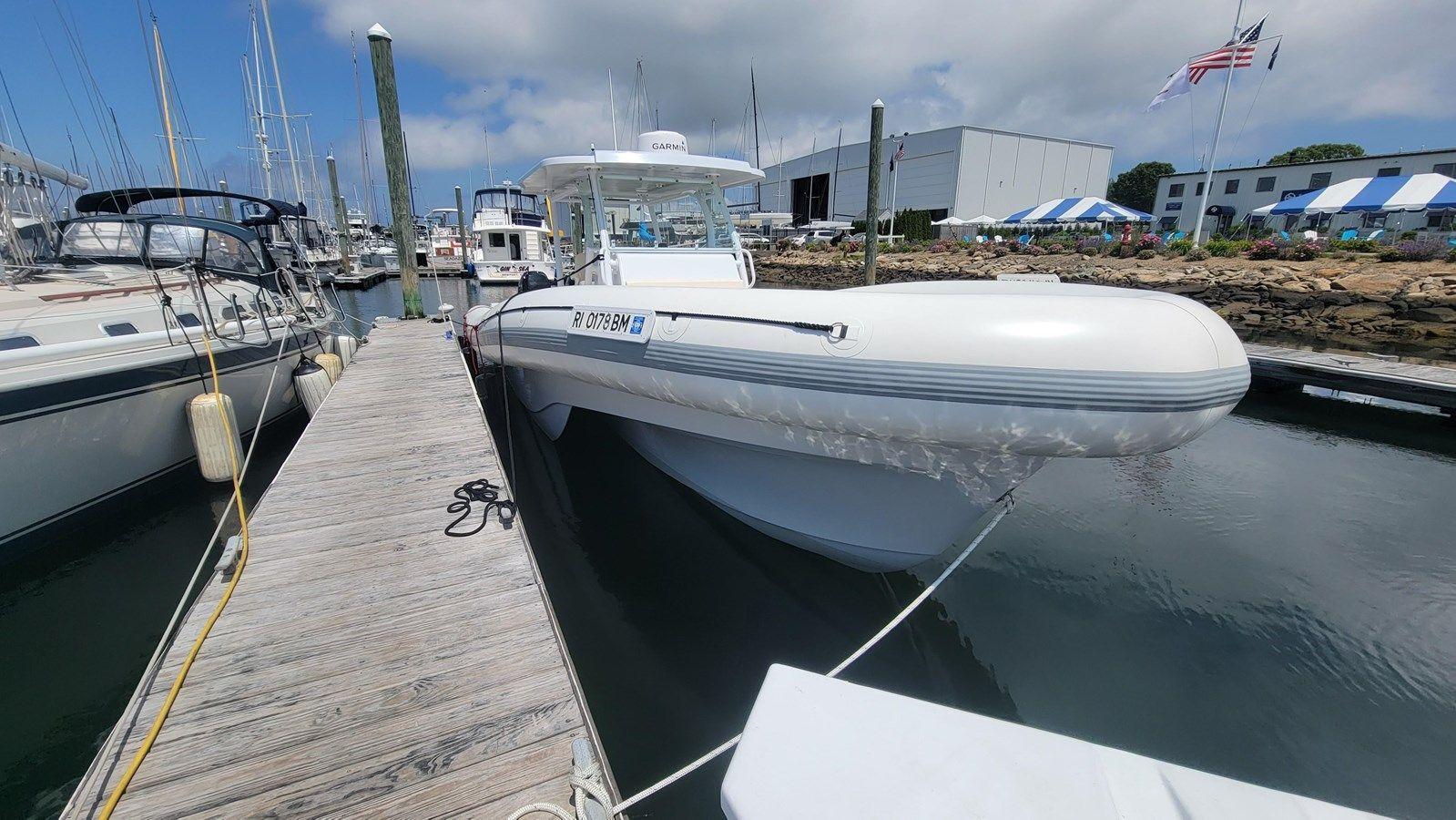

Basic information
Dimensions
- LOA:
- 36' (10.97m)
- Beam:
- 11' (3.50m)
- Max Draft:
- 8.20' (2.50m)
Speed, capacities and weight
- Cruise Speed:
- 35 Kts. (40.28 MPH)
- Max Speed:
- 52 Kts. (59.84 MPH)
- Water Capacity:
- 10 Gallons
- Fuel Capacity:
- 300 Gallons
Accommodations
- Total Heads:
- 1
Hull and deck information
- Hull Material:
- Fiberglass and Plastic Yachts
- Deck Material:
- Fiberglass
Engine information
- Engines:
- 2
- Manufacturer:
- Mercury
- Fuel Type:
- Gas/Petrol
Overview
Experience the next generation of hull architecture—today.
Born for Hawaii’s unforgiving coastlines, crafted and appointed for the discerning yachtsman.
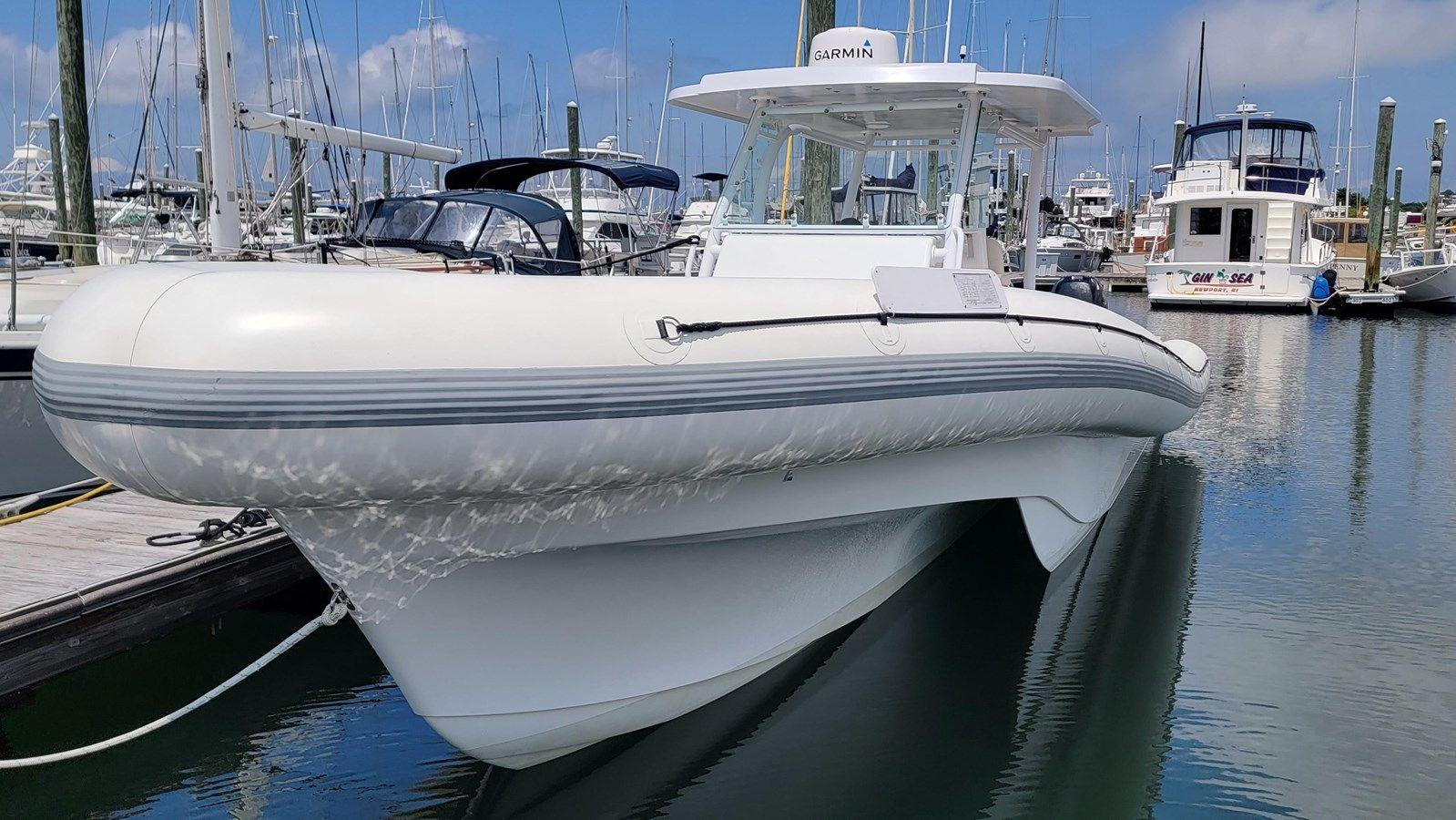
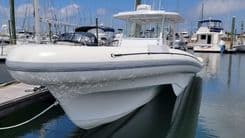
The patent‑protected Sea Blade hull marks a bold shift from traditional planing hulls. Using proprietary CFD modeling and advanced simulation methods, Sea Blade reimagined the planing form with an interplay of 0° and 50° ultra‑high‑deadrise planes, delivering markedly smoother ride quality, heightened comfort, and dramatic slam reduction without compromising speed, efficiency, or range.
Over the past decade, Sea Blade hulls from 16’ to 42’ have proven themselves in the harshest conditions—and since 2016, they’ve been the State of Hawaii’s preferred law‑enforcement patrol platform.
Design Philosophy:
Offshore boats that excel in speed, seakeeping, and sea‑kindliness across all loading conditions—precisely what you demand from an offshore power yacht, performance center console, or luxury tender.
- Truly seaworthy at high speed in heavy chop and rough water.
- Poised and comfortable at drift or idle in a seaway; enhanced metacentric height versus a typical monohull, yet lower than a catamaran—an ideal balance of stability and softness.
- No bad manners: resists stuffing, plunging, broaching, slamming, tripping, yawing, excessive spray, green water on deck, pronounced beam‑sea roll, off‑axis (heeled) landings, bow steering, and spin‑outs in aggressive turns.
- Standout capabilities: low, steady running trims; effortless transition through hump speeds; reduced vertical accelerations; composure in confused seas and breaking waves; surefooted in quartering conditions; excellent course‑keeping and directional stability; confident with payloads and variable loading.
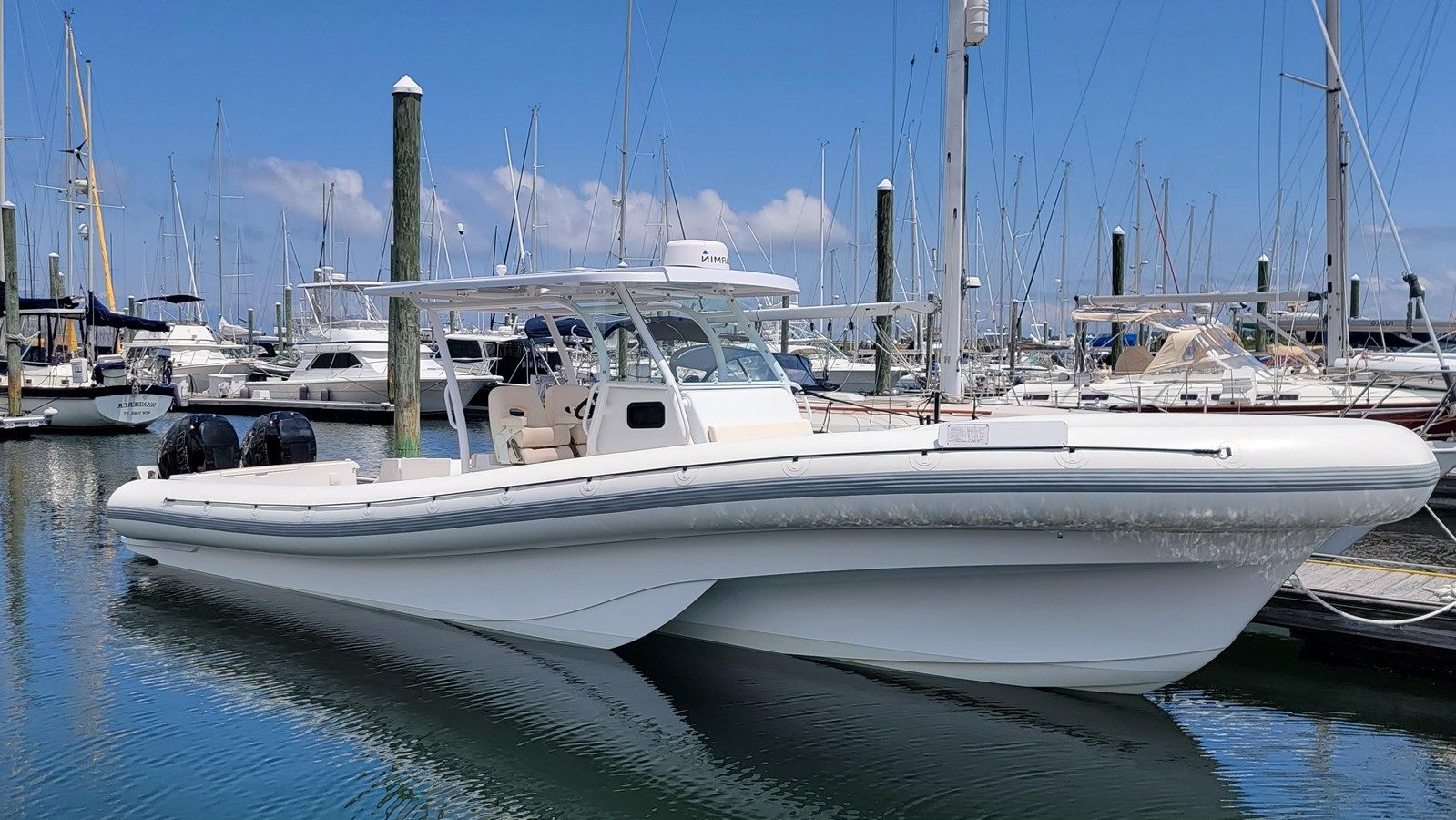
This 36 Sea Blade is available as‑is or can be commissioned with brand‑new engines of your choice. Equally at home as an offshore cruiser, performance powerboat, patrol craft, sport cruiser, expedition‑grade tender, or high‑speed motor yacht, it offers a rare blend of precision engineering, luxury finish, and real‑world toughness—built for the ocean, refined for the owner.
Detailed Description
Electronics
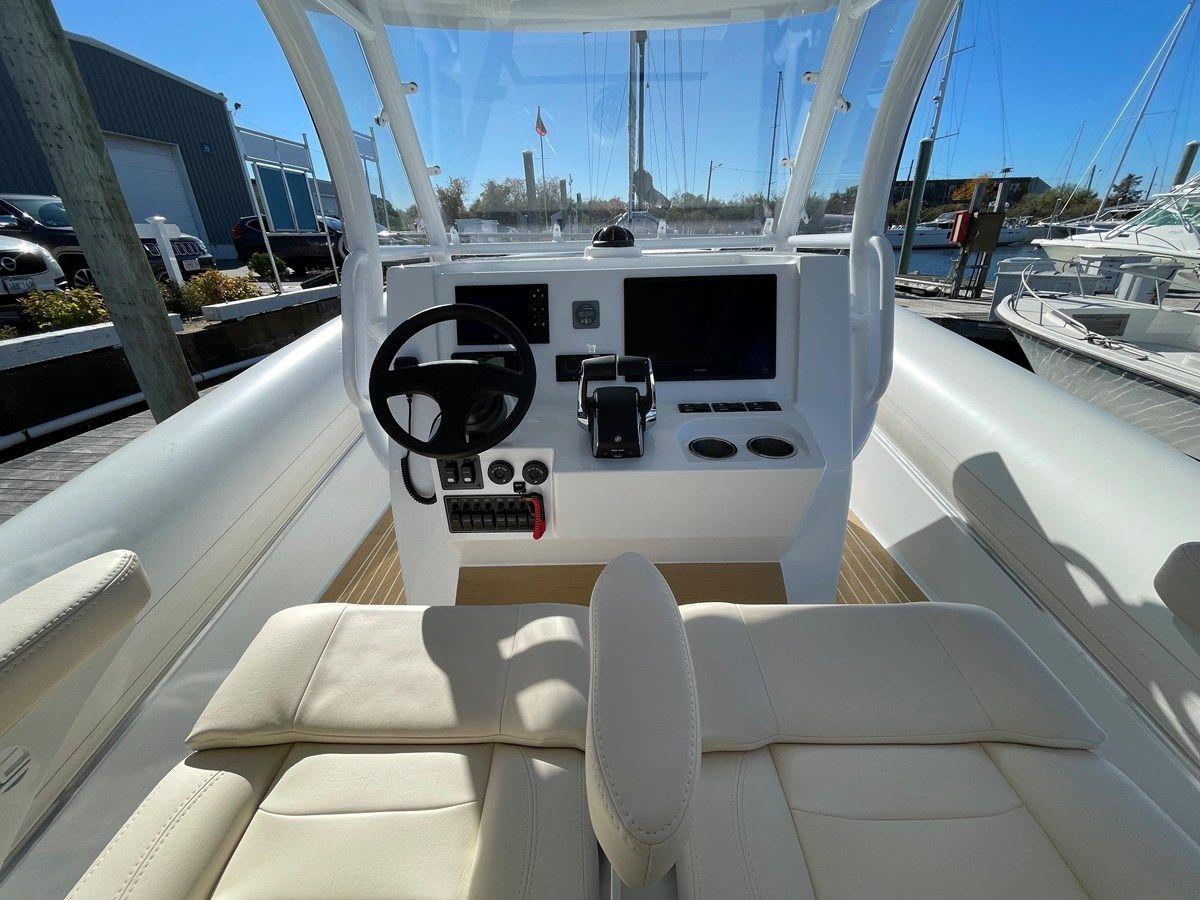
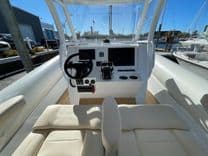
At the helm, a Garmin GPSMAP 8616 chartplotter anchors a fully integrated suite that includes a Garmin GMR 18 HD+ radar, the Garmin Reactor 40 Hydraulic Corepack with SmartPump v2 autopilot, a Garmin VHF 215 with AIS, and an Airmar P319 depth sounder transducer, delivering precise navigation, situational awareness, and depth intelligence in one seamless network.
Options on vessel
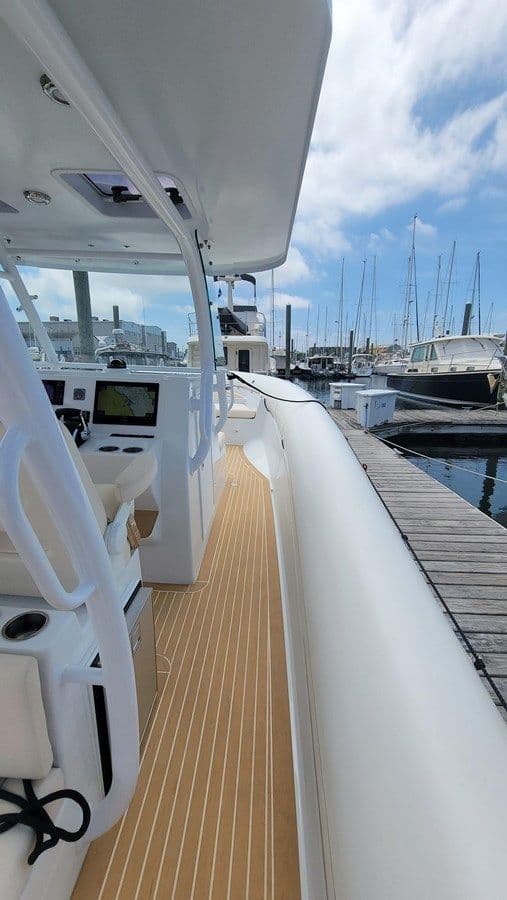
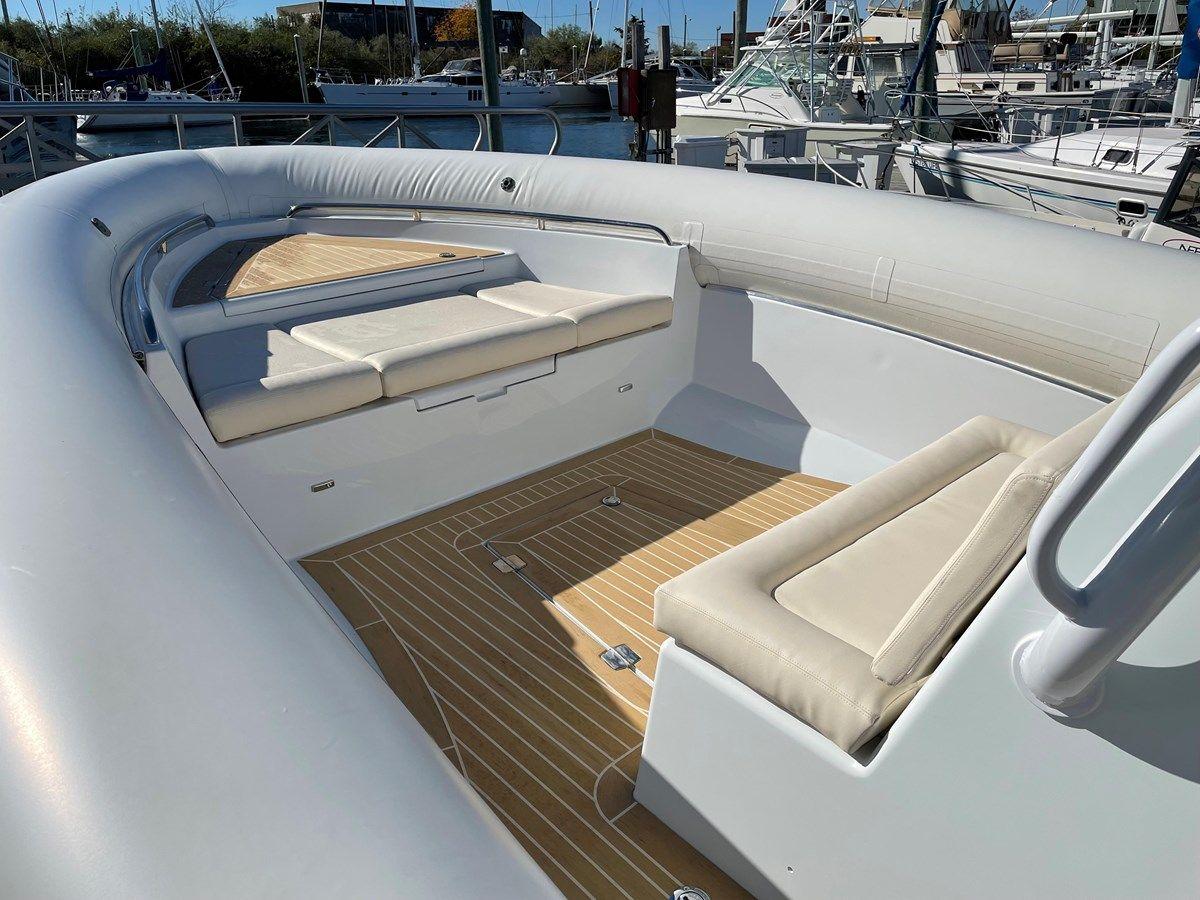
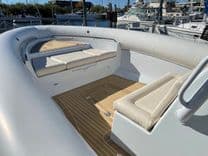
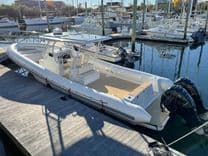
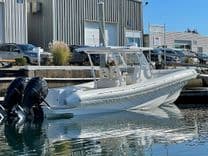
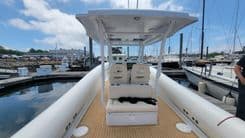
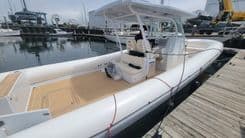
Tailored for refined days offshore, the boat presents a custom powder‑coated hard‑top and a helm‑forward layout that maximizes sightlines and deck space, complemented by resilient PlasDek decking, custom helm seats, and inviting forward seating. Entertainment and comfort are elevated by a Garmin Fusion MS‑RA670 Marine Stereo paired with 6.5" Signature 3 speakers, and by the Frigoboat MS80C refrigerator—12V, air‑cooled, a combined refrigerator/freezer—while 30A shorepower and the Xantrex Freedom HF Inverter/Charge provide dependable onboard energy management. Practicality continues below with a head fitted with a holding tank, ensuring autonomy and ease during extended passages.
Design brief
The patented Sea Blade hull design is the culmination of over 20 years of advanced hull‑form research, resulting in over 25 U.S. patents and state‑of‑the‑art computer design, modeling, and simulation capabilities dedicated to planing forms. High‑speed planing craft are known to experience elevated acceleration forces that can compromise performance and mission availability and, more critically, lead to costly, long‑term, cumulative, and debilitating injuries to the warfighter—including boat operators—as well as fatigue, exhaustion, and diminished fighting effectiveness for combat troops underway. The Sea Blade hull was conceived specifically to counter these limitations, improving mission effectiveness while reducing injuries.
Invented in Honolulu, Hawaii by Steven Loui, owner of Pacific Marine & Supply Company, Ltd., together with the research and development subsidiary Hull Scientific Research, LLC, Sea Blade hulls from 16' to 42' have been built over the past decade in Hawaii, Rhode Island, Maine, New Zealand, and Australia. Since 2016, they have been the law‑enforcement patrol craft of choice for the State of Hawaii’s Department of Land and Natural Resources, selected for superior performance amid the demanding ocean conditions that typify the Hawaiian Islands.
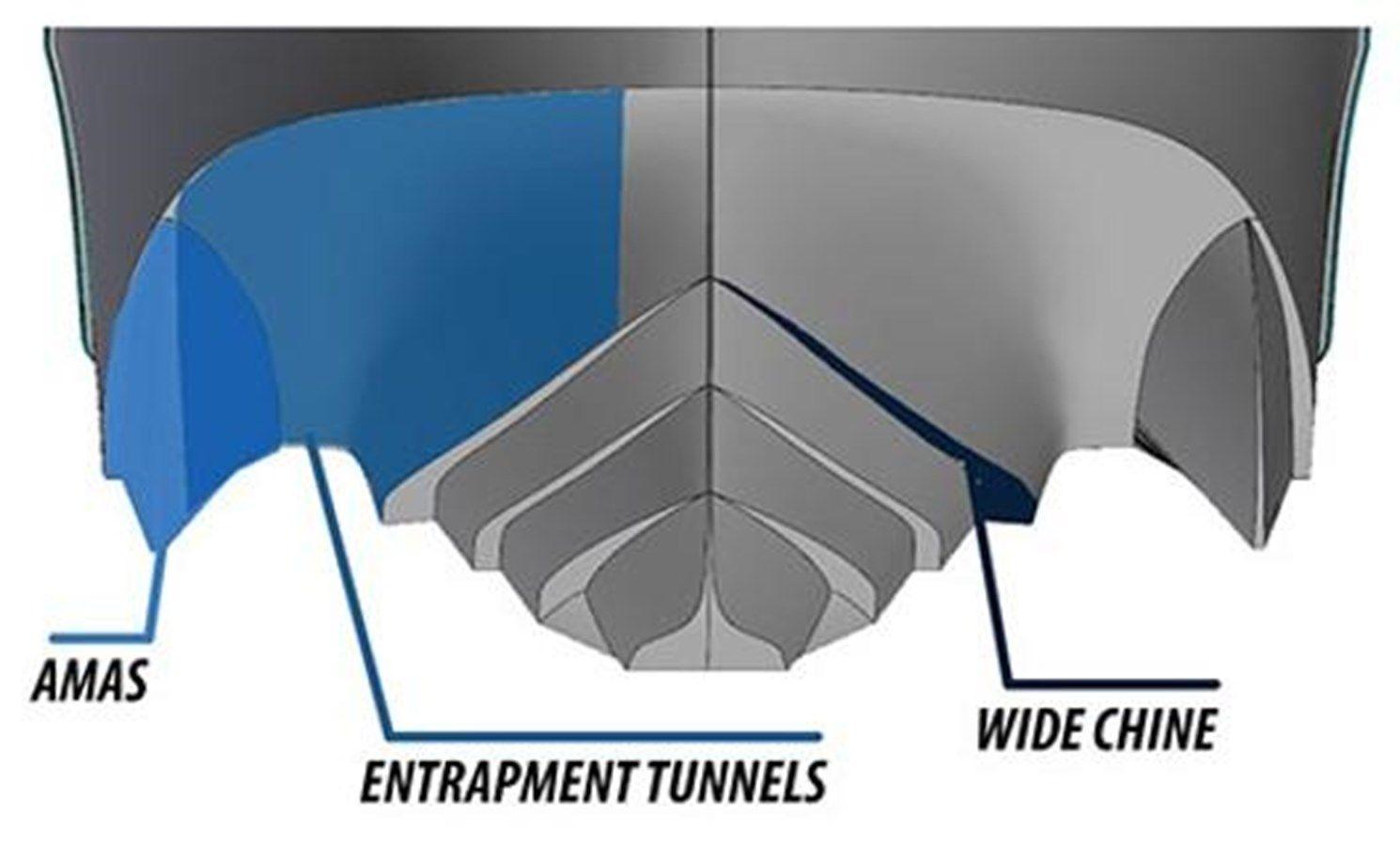
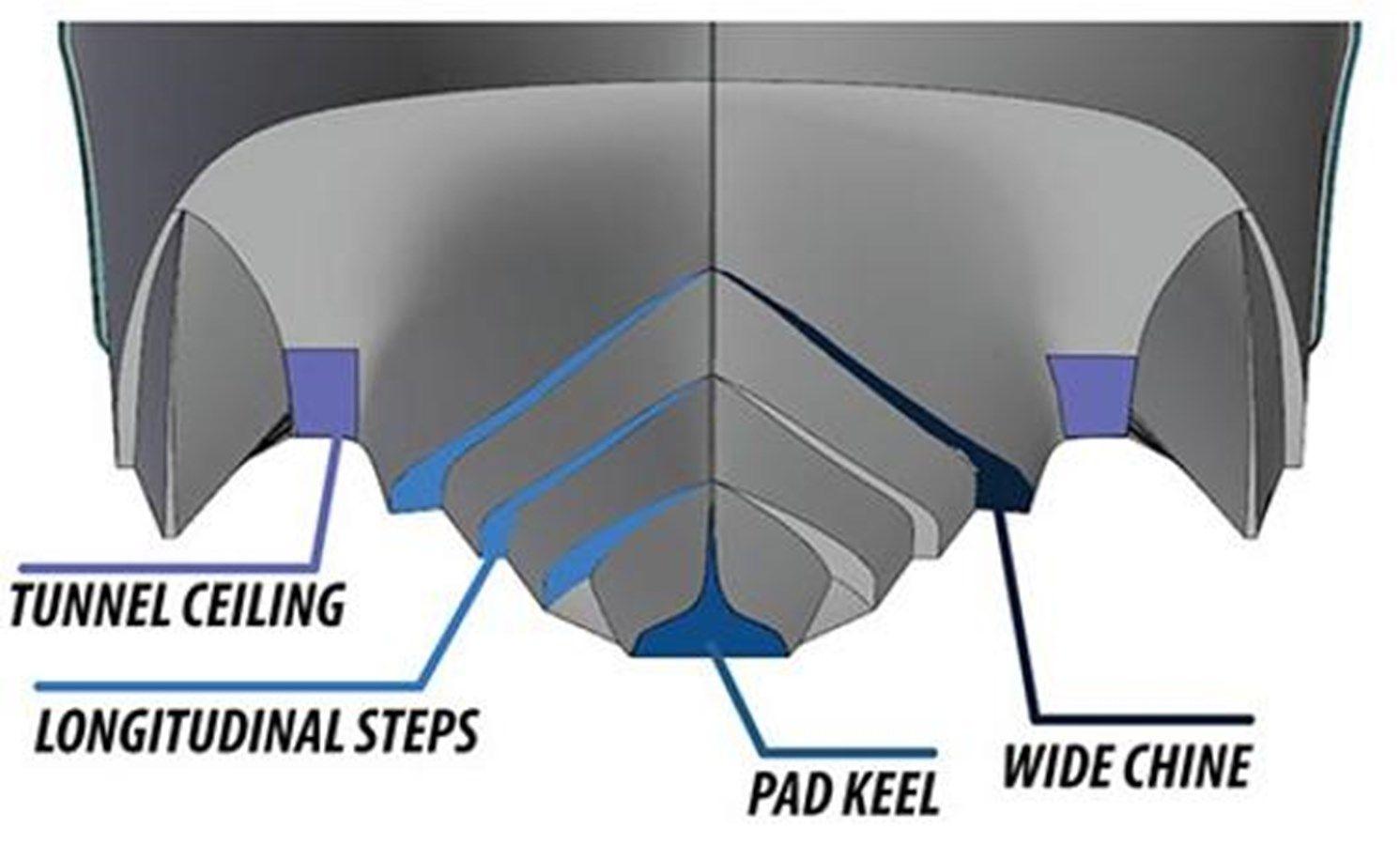
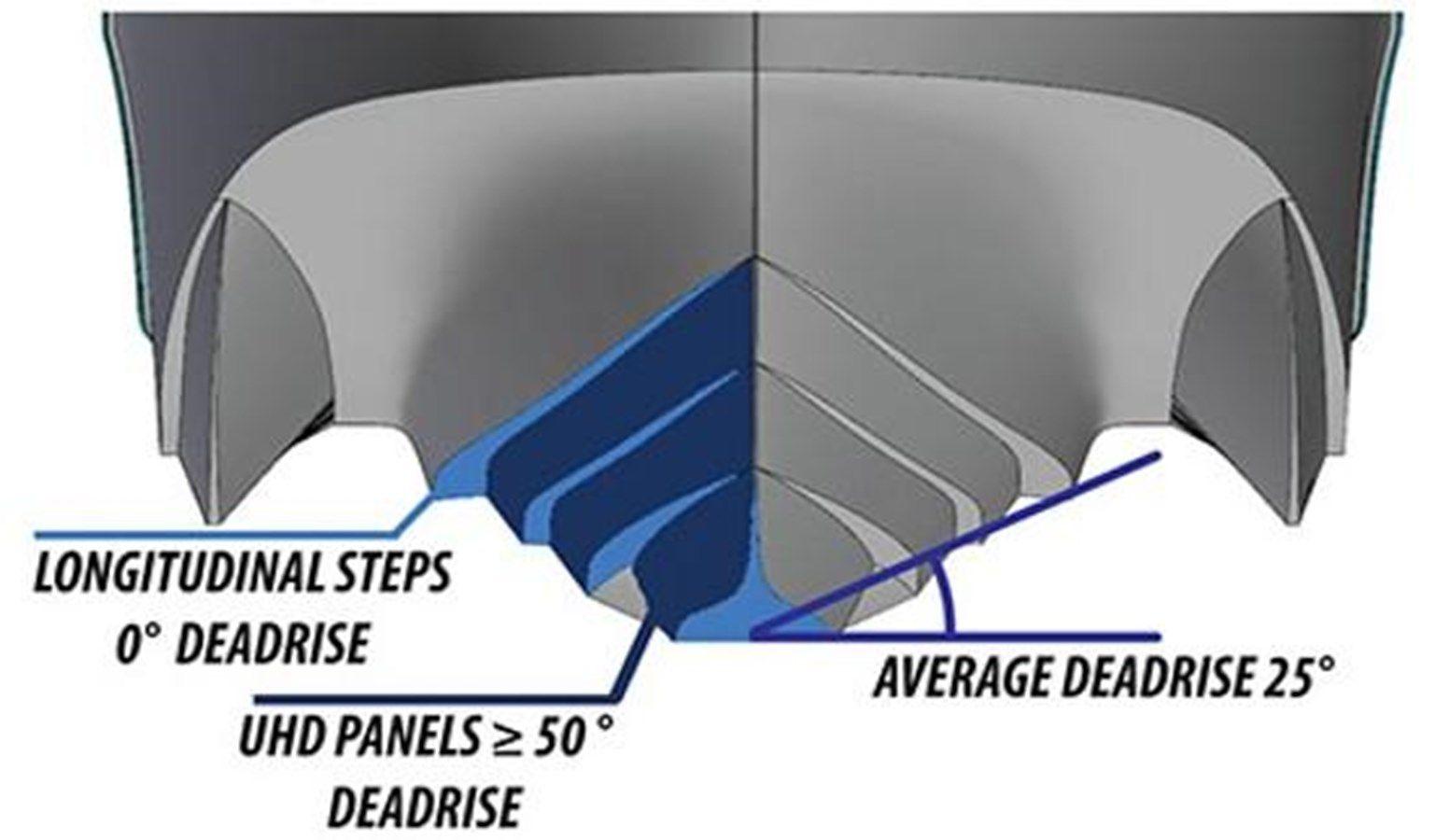
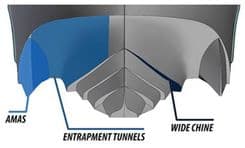
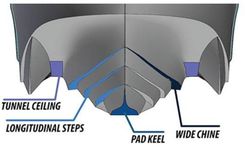
Hull Scientific Research has developed proprietary computational fluid dynamics (CFD) simulation methods to efficiently analyze complex transient seakeeping dynamics and to predict and refine the Sea Blade hull. Full‑scale demonstrations of designs derived from these simulations confirm a balance of high efficiency and markedly improved ride quality in rough water. Extremely efficient planing lift is achieved through 0° deadrise panels that progressively reduce immersion with speed, while running on wide chines on a slender center hull and spray compression in the entrapment tunnel significantly reduce drag. Combining 0° deadrise panels with ultra‑high deadrise (UHD) panels at ≥50° yields a hull that is neither too stiff like a traditional planing form nor too soft like a deep‑V, delivering better ride quality and comfort with decreased slamming.
Sea Blade design ethos: an offshore hull form offering superior speed, seakeeping—the ability to withstand rough seas—and sea kindliness—the ability to maintain comfort in rough seas—in all loading conditions. It is seaworthy and safe at high speed in rough water; comfortable and stable at drift or idling in rough seas, with increased metacentric height compared to a traditional monohull but less than that of a catamaran; free of bad habits such as stuffing, plunging, broaching, slamming, tripping, yawing, excessive spray, wave overtopping, excessive roll amplitudes especially in beam seas, off‑axis (heeled) hull landings, bow steering, or spin‑out in turns; and it possesses superior competencies including stable low running trims, ease transitioning hump speeds, reduced accelerations, confident navigation of confused seas and breaking waves, strong seakeeping on quartering headings, course‑keeping and directional stability, payload overload tolerance, and assured control when coming alongside another vessel in a seaway (VBSS).
Key hull design features include a sharp entry angle and a high cutaway bow rake with proud strakes, optimizing progressive forebody penetration and wave cleaving while mitigating spray, kiting, stuffing, and bow steering. Bow flare further curbs wave overtopping and plunging by throwing spray outboard rather than upward. Longitudinal steps separate each running bottom panel, and ultra‑high deadrise (UHD) sides space these steps vertically to create an effectively high‑average‑deadrise hull with keel‑to‑chine deadrise greater than 24 degrees. The vertical stagger of narrow hull panels softens re‑entry by increasing the added‑mass time constant as each panel plunges; incremental loading from keel to mid to outboard panels spreads slamming forces over a longer impulse, reducing peak pressures. The steps also facilitate ventilation by trapping entrained air along their length from bow stagnation lines aft, reducing wetted area and viscous drag on the running bottom, while steps and chines on each panel cleanly separate flow from lower to upper panels to further reduce wetted area and mitigate both viscous and spray drag. UHD panels enhance directional stability and grip in turns, and the longitudinal steps increase hull strength and stiffness by significantly reducing the area of individual panels.
An entrapment tunnel is formed on the hull sides by the outboard panel longitudinal riser, the tunnel ceiling panel, and amas depending outboard from the ceiling. At rest, the amas, including the tunnel ceiling, are submerged to provide added buoyancy and stability both longitudinally and transversely. Accelerating from rest, the tunnel ceiling adds planing surface area as the tunnel traps planing pressure aft, reducing bow rise and improving lift and acceleration toward critical planing speed. As planing speed increases, decreasing immersion progressively ventilates the tunnel until the ceiling is fully ventilated. High‑speed flow running outboard and aft from the longitudinal step panels is trapped by the tunnels at the transom, partially sealing them; the ram effect of air within the partially sealed tunnel generates aerostatic pressure that produces lift and increased ventilation to the transverse steps, yielding the unique benefit of entrapment‑tunnel craft being as fast or faster upwind at high speeds. As the craft heels and trims at speed, high‑energy flows impact the tunnel ceiling in the direction of motion, generating automatic pitch and roll stabilizing moments.
Amas (sponsons) extend from the outboard side of the tunnel ceilings from forward of midship to the transom, progressively stiffening the hull hydrodynamically and hydrostatically in pitch, roll, and yaw. They improve stability both at drift and at speed; they enhance directional stability, especially in quartering or following seas, improving course‑keeping and mitigating broaching; adjusting ama spacing outboard from the center hull and their buoyancy allows tuning of the boat’s metacentric height to optimize natural roll periods; and transverse separation from the main hull provides a structural standoff that protects the primary hull from collision impacts at the waterline, improving damage stability and overall survivability.
Disclaimer
The Company offers the details of this vessel in good faith but cannot guarantee or warrant the accuracy of this information nor warrant the condition of the vessel. A buyer should instruct his agents, or his surveyors, to investigate such details as the buyer desires validated. Hours listed may vary from actual hours due to recent use. Purchaser is encouraged to verify hours prior to purchase. This vessel is offered subject to prior sale, price change, or withdrawal without notice.
Specifications
- Length:
- 36' (10.97m)
- Beam:
- 11' (3.5m)
- Year Built:
- 2022
- Builder:
- SEA BLADE
- Category:
- Motor yachts
- Engines:
- 2 engines Mercury
- Cruise Speed:
- 35 Kts.
- Max Speed:
- 52 Kts.
- Location:
- United States



Yacht name «Sea Blade I» – SEA BLADEis for sale and located in Newport County, United States
Motor yachts «Sea Blade I» built by manufacturer SEA BLADE in 2022— available for sale. Yacht location: United States. If you are looking to buy a yacht «Sea Blade I» or need additional information on the purchase price of this SEA BLADE,
please call: +1 (954) 274-4435 USAOnly deal with professionals!