

 Licensed Yacht BrokersYachts for Sale
TRIBALE YACHTS - Available for sale:
Yachts with similar parameters:
Tribale 56 Cat - TRIBALE YACHTS FOR SALE



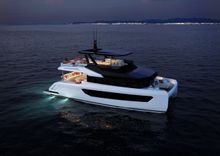
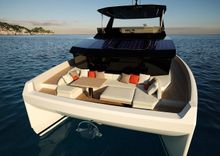
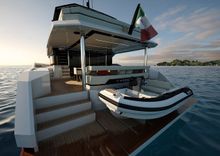
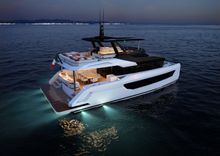
Basic information
- Builder:
- TRIBALE YACHTS
- Category:
- Motor yachts
- Sub Category:
- Catamaran
- Model Year:
- 2025
- Year Built:
- 2025
- Country:
- Italy
Dimensions
- LOA:
- 56' (17.07m)
- Beam:
- 26' (8.08m)
- Max Draft:
- 10.66' (3.25m)
Speed, capacities and weight
- Water Capacity:
- 184.92 Gallons
- Fuel Capacity:
- 528.34 Gallons
Accommodations
- Sleeps:
- 4
- Total Heads:
- 4
- Crew Berths:
- 3
Hull and deck information
- Hull Material:
- Fiberglass and Plastic Yachts
- Deck Material:
- Fiberglass Sandwich
- Hull Configuration:
- Catamaran
- Hull Color:
- white
- Hull Designer:
- Tribale Yachts
- Exterior Designer:
- Tribale Yachts
- Interior Designer:
- Tribale Yachts
Engine information
- Engines:
- 2
- Manufacturer:
- Yanmar
- Engine Type:
- Inboard
- Fuel Type:
- Diesel
Overview
Vessel name - Tribale Cat 56
Year - 2025
Length - 17.07 m (56')
Builder - TRIBALE YACHTS
Type - Catamaran
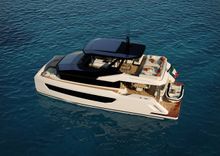
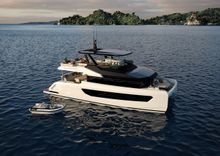
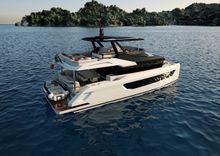
Meet the Tribale Cat 56, a finely tuned luxury multihull that embodies modern yacht craftsmanship. Launched in 2025 by the renowned TRIBALE YACHTS, this bluewater catamaran showcases the pinnacle of design, engineering, and comfort. More than a vessel, it’s a refined expression of aesthetics and innovation, created for those who value elegance, performance, and true seaworthiness.
Stretching 17.07 meters (56 feet), the Tribale Cat 56 sits confidently in the premium cruising catamaran class. While its footprint is purposeful, the yacht surprises with expansive volumes inside and out—an achievement made possible by TRIBALE YACHTS’ intelligent space planning. Every zone is thoughtfully conceived to maximize livability, turning each area into a smart, beautifully composed environment.
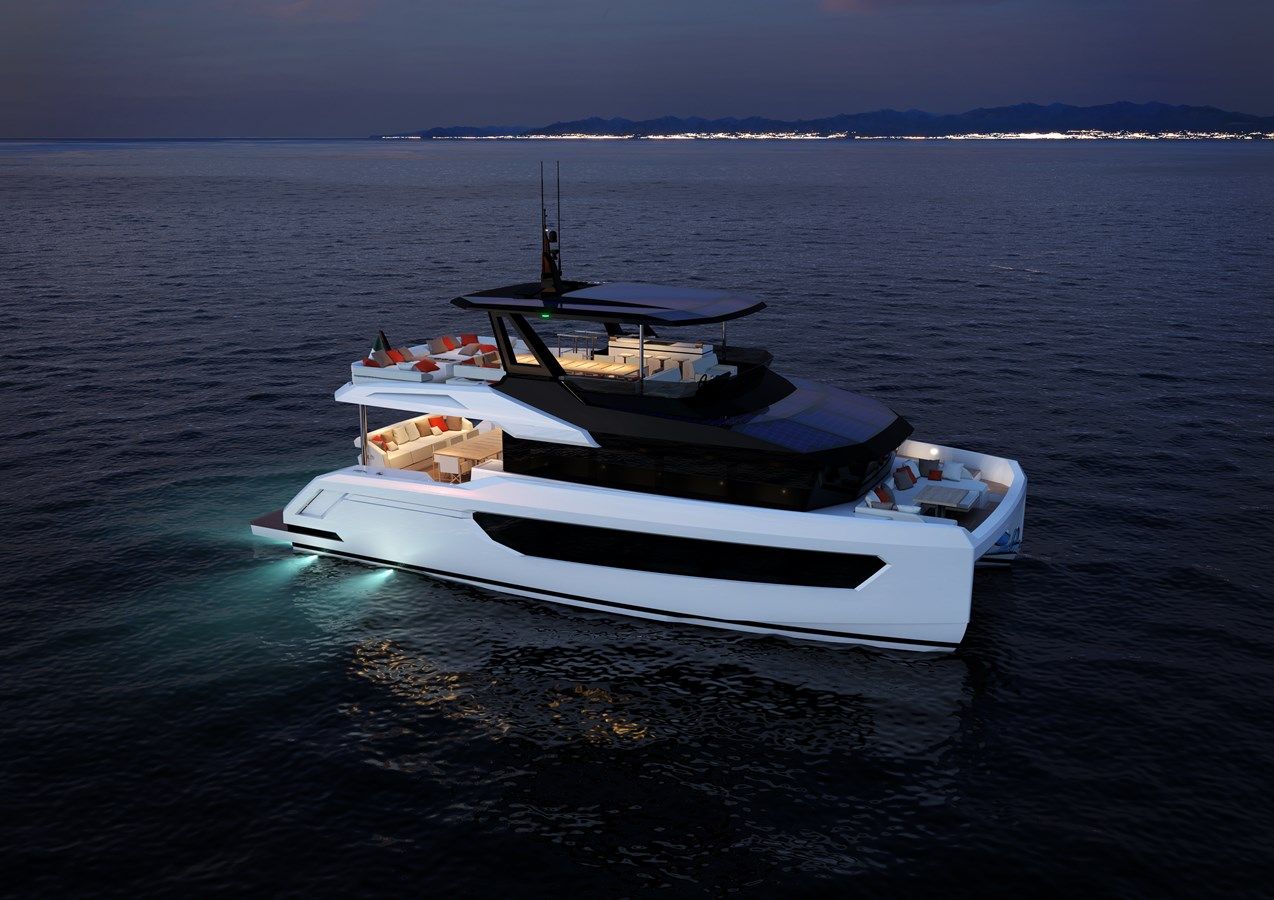
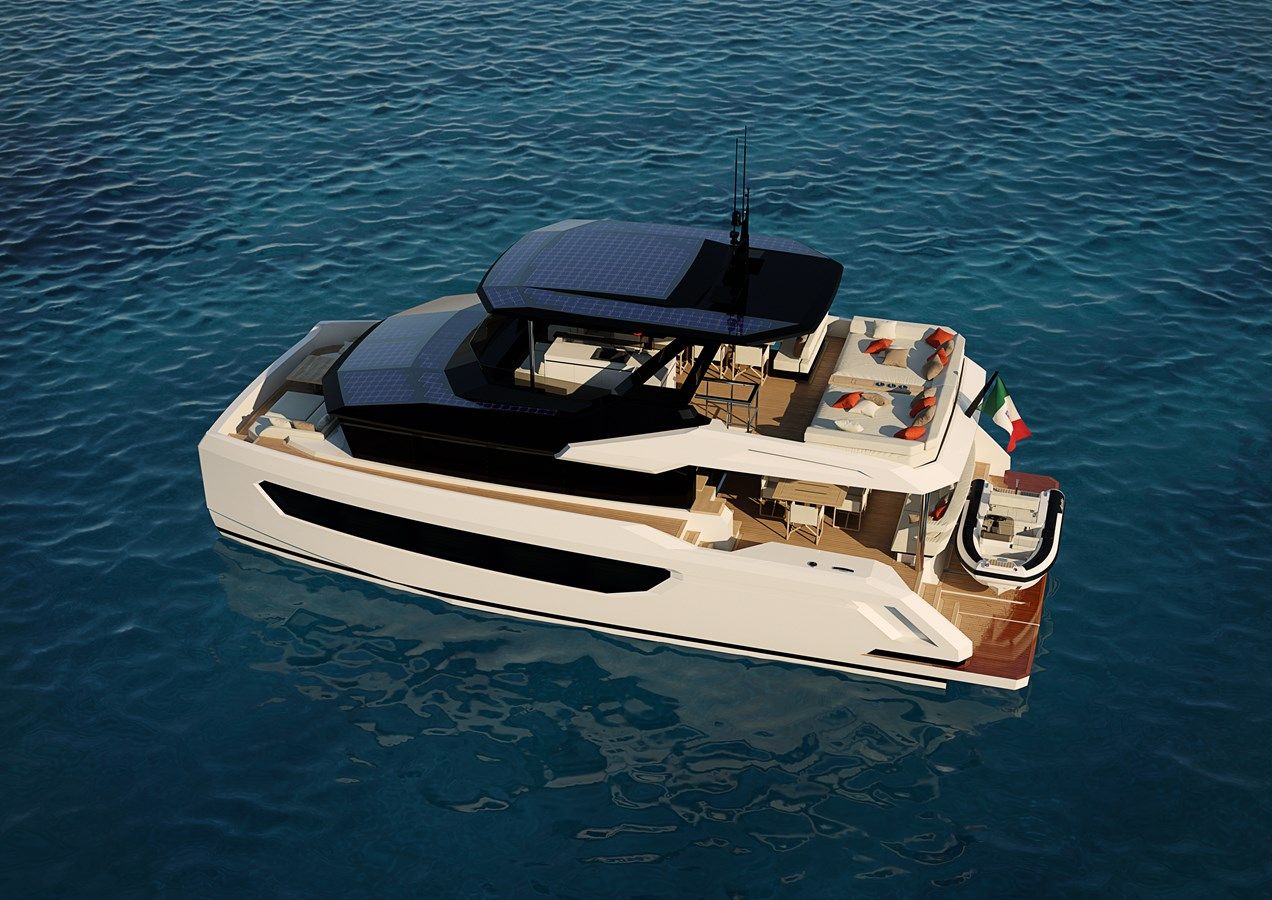
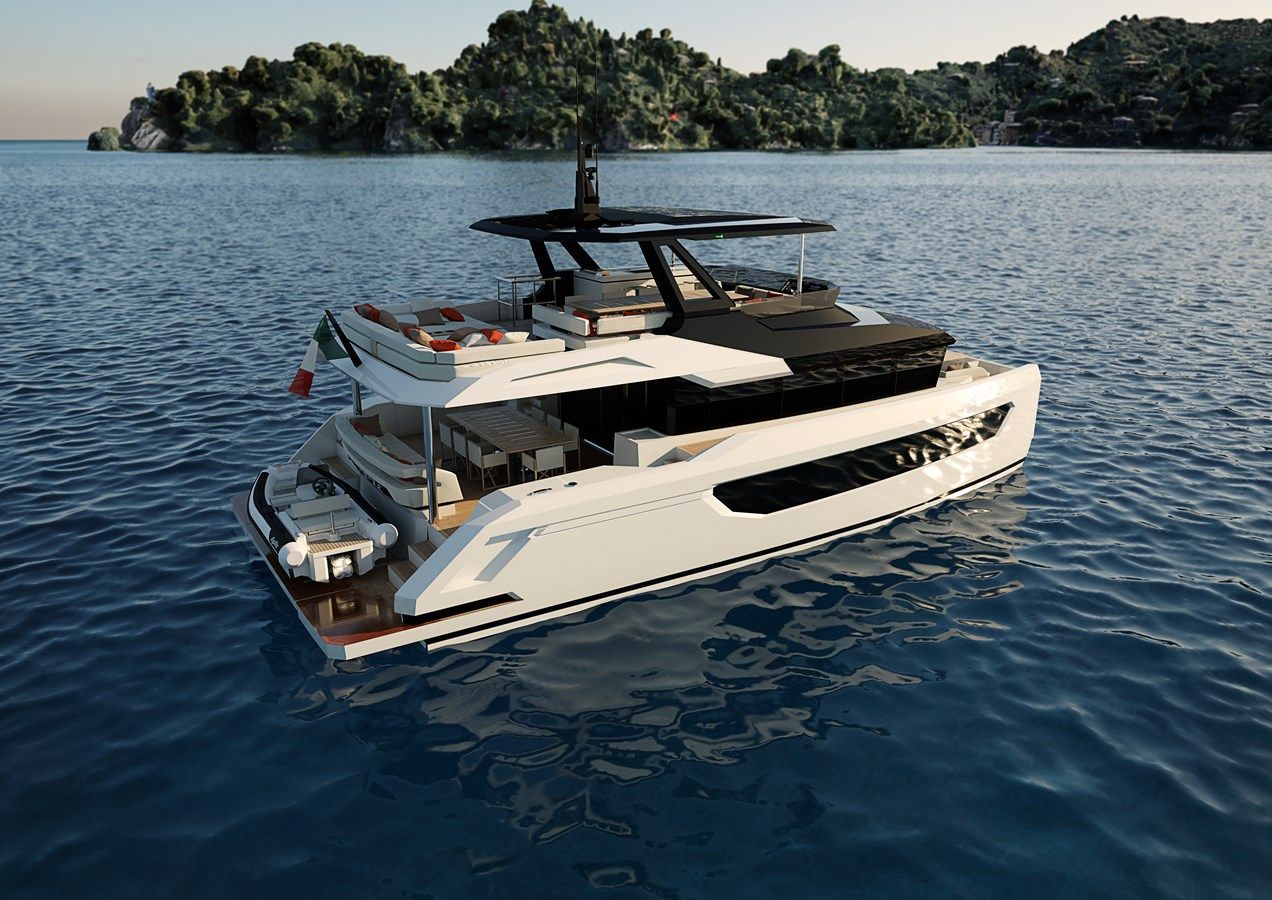
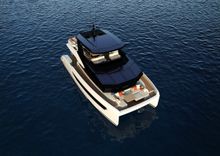
The silhouette is striking at first glance: sleek, contemporary lines flow into the signature twin-hull form that delivers renowned stability, efficiency, and pace. It marries the clean poise of a modern multihull yacht with the reassuring safety features required for blue-water passages. Whether cruising coastlines or crossing oceans, the Tribale Cat 56 feels composed, predictable, and capable.
Hull and deck are built from top-tier materials, engineered for strength, longevity, and performance. The structure reflects meticulous attention to detail, with finishes that are as durable as they are sophisticated. Validated through rigorous testing, the Tribale Cat 56 stands out as a performance cruiser designed to endure demanding conditions without compromising its refined character.
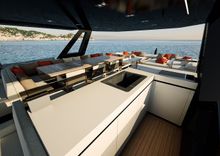
Step inside and the yacht reveals the atmosphere of a high-end residence on the sea. The generous salon, serene staterooms, and fully outfitted galley are executed with precision and finesse. Premium fabrics, rich textures, and exquisite joinery create a warm, contemporary mood—an inviting retreat that balances understated luxury with practical function.
The main salon invites gatherings and celebratory moments, offering ample seating and effortless flow. Cabins are elegantly appointed with quality linens and thoughtful storage, ensuring guests experience both privacy and indulgence. Panoramic windows flood the interior with natural light, connecting you continuously to the horizon and the changing play of sea and sky.
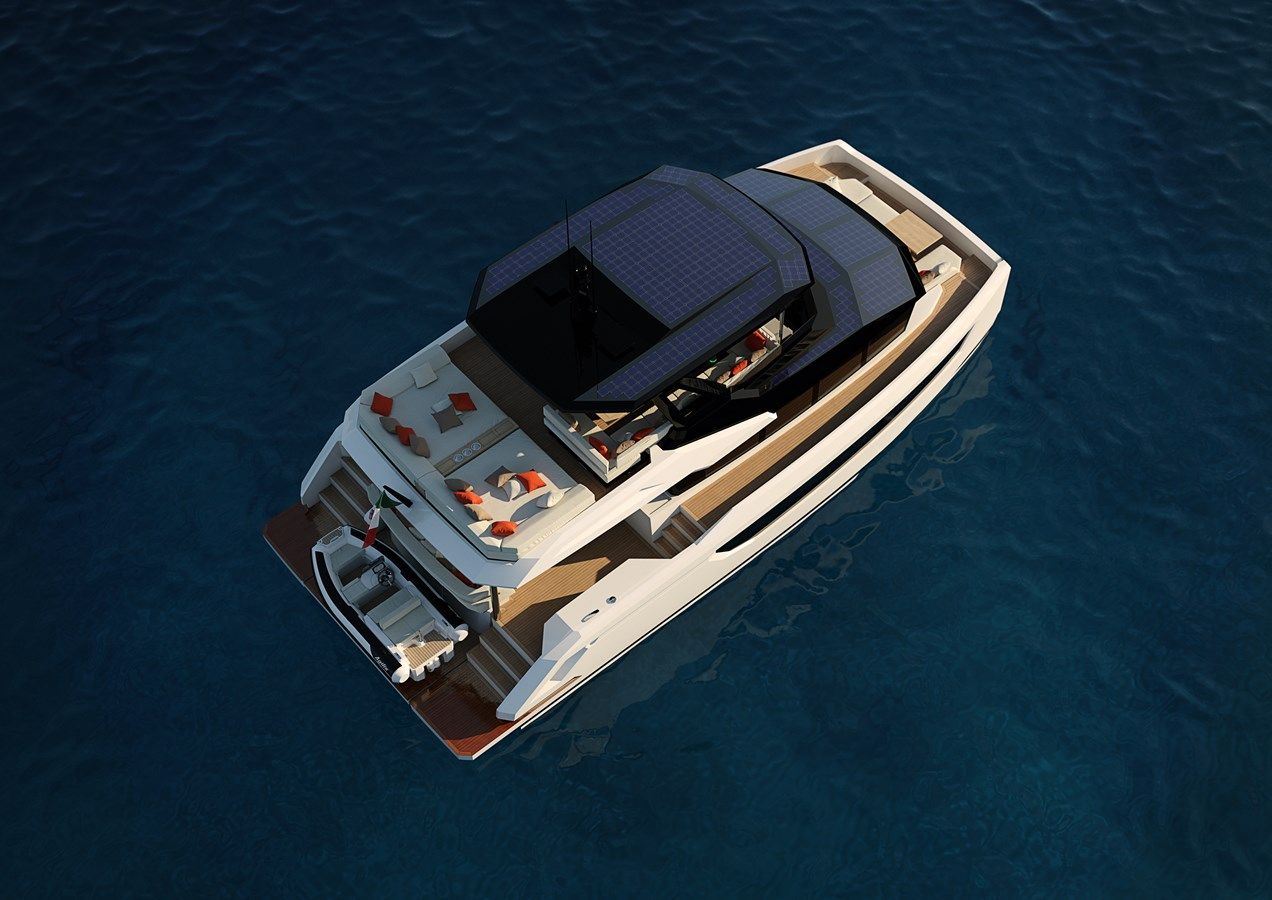
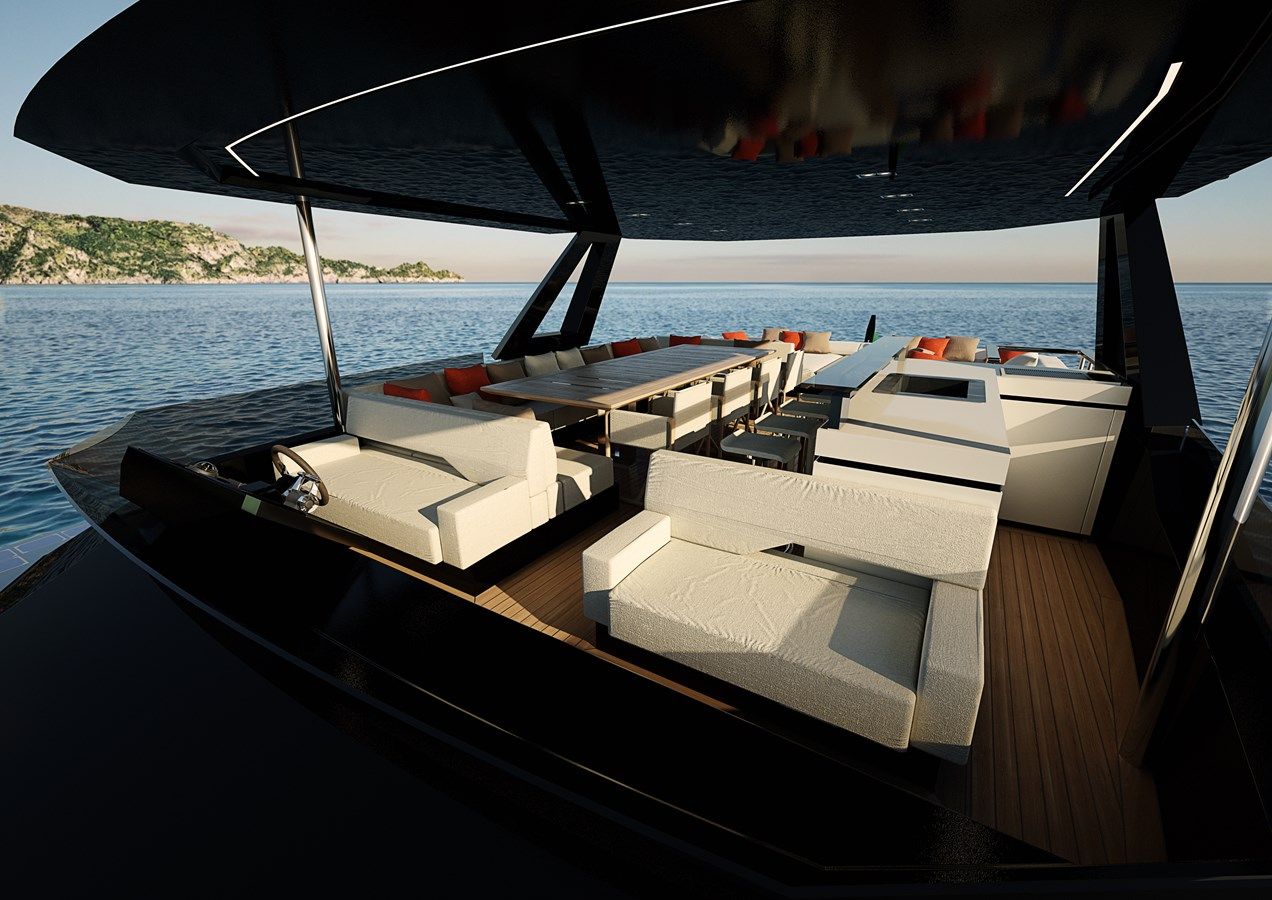
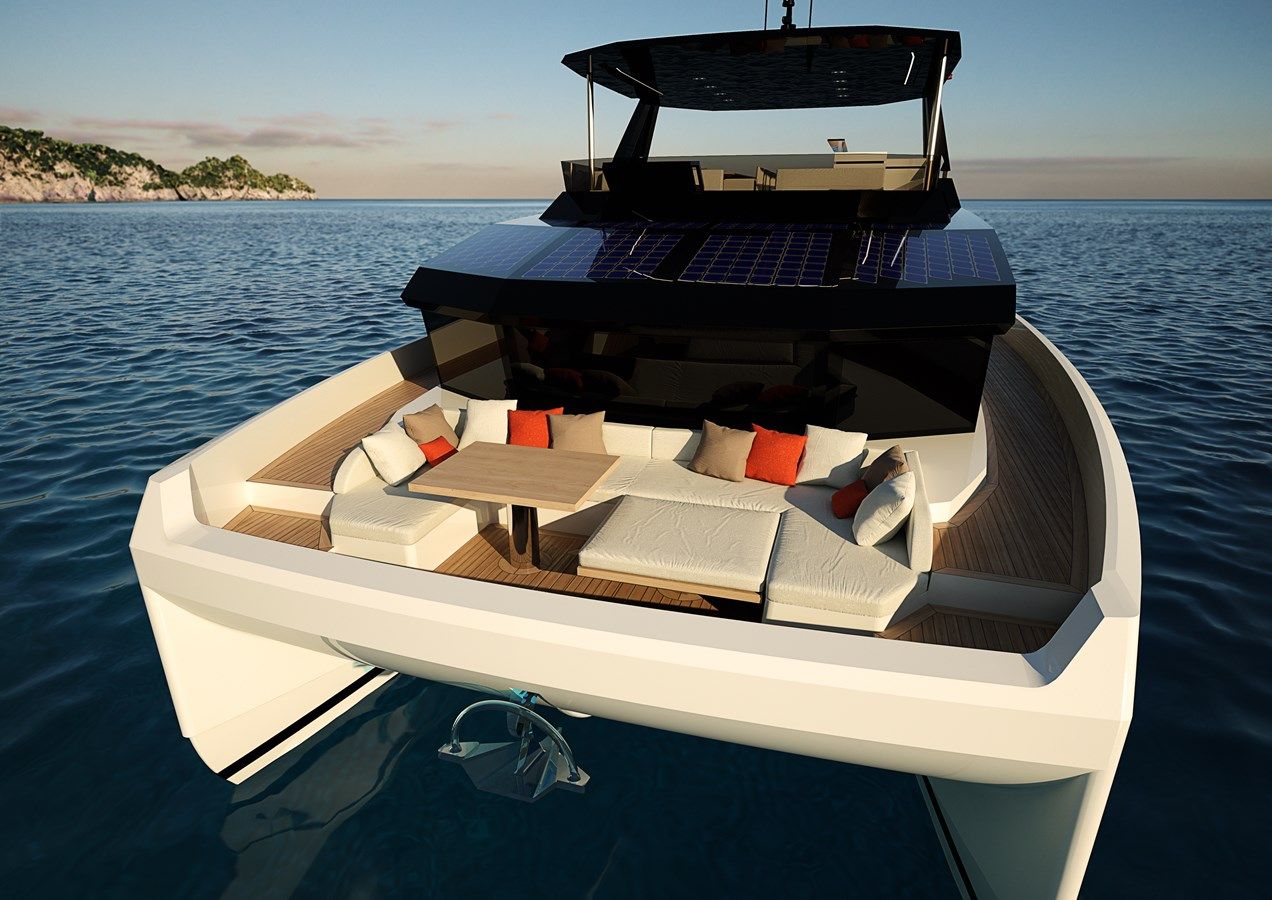
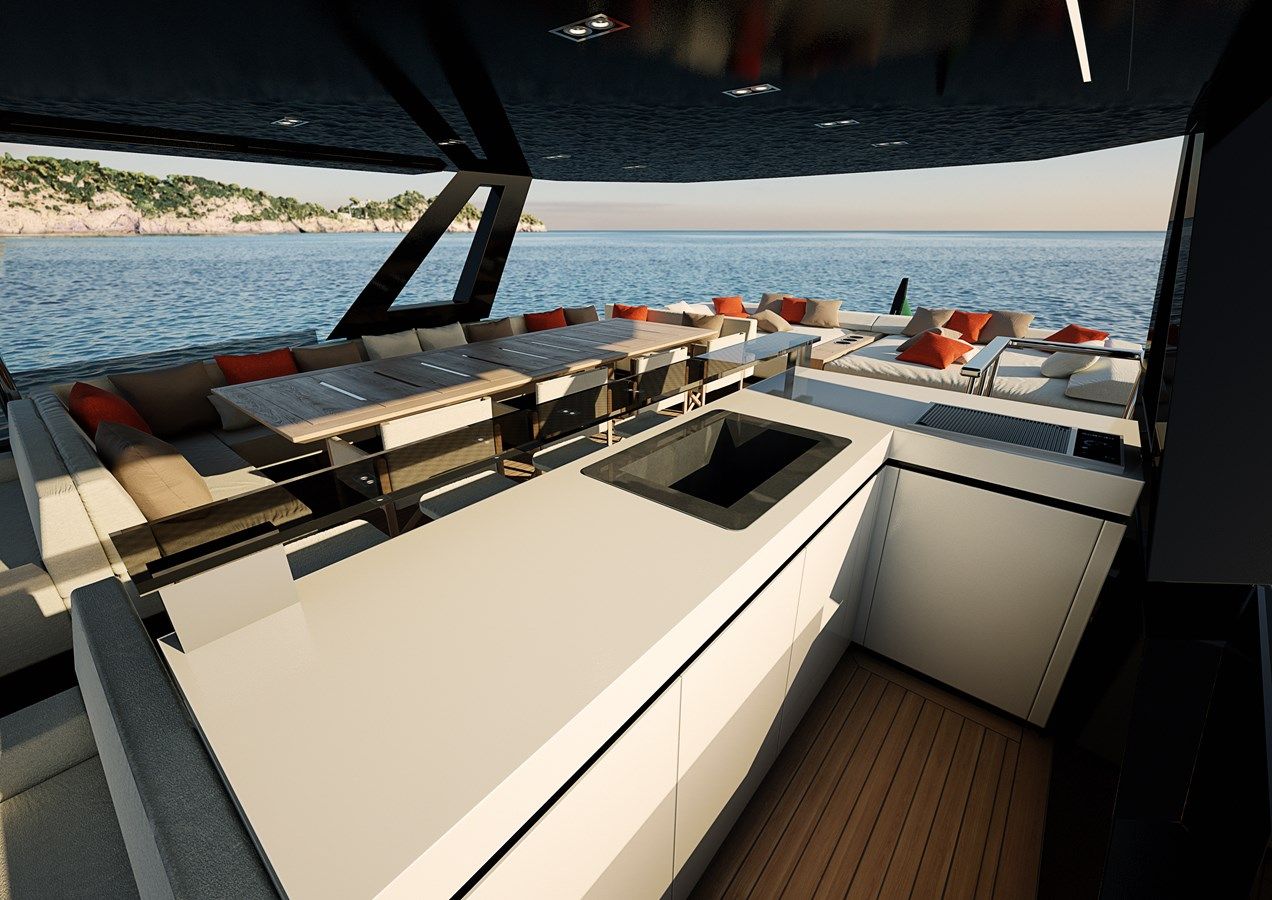
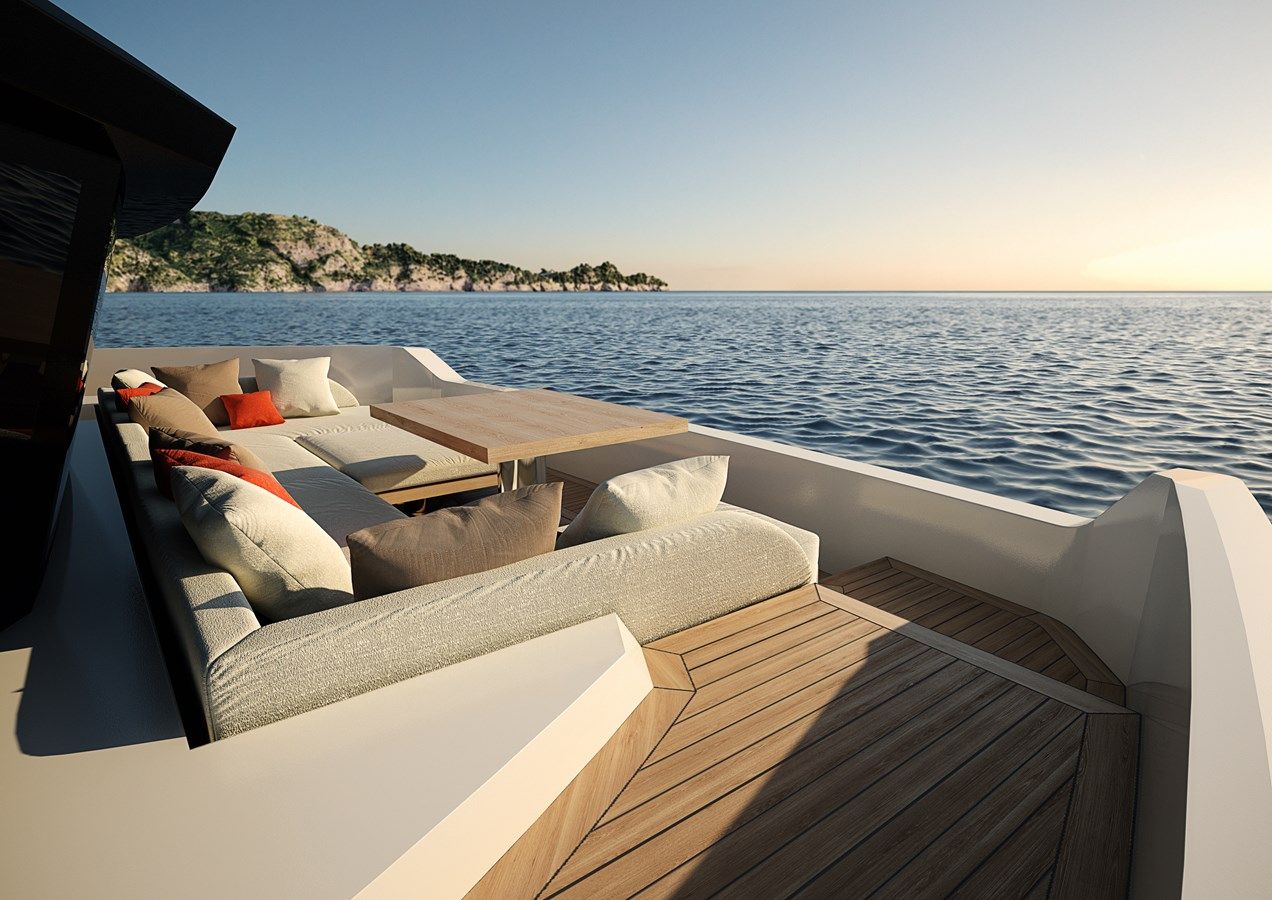
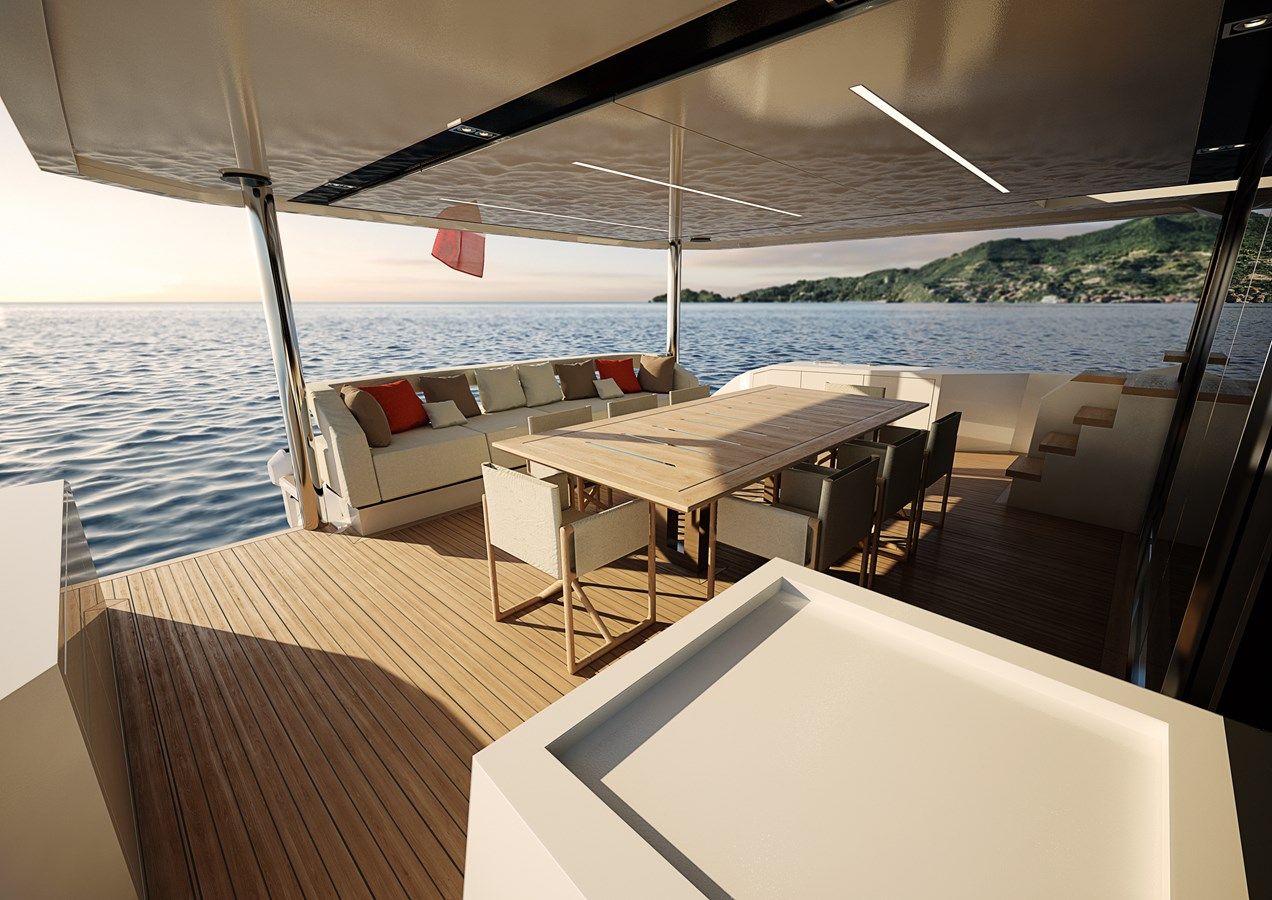
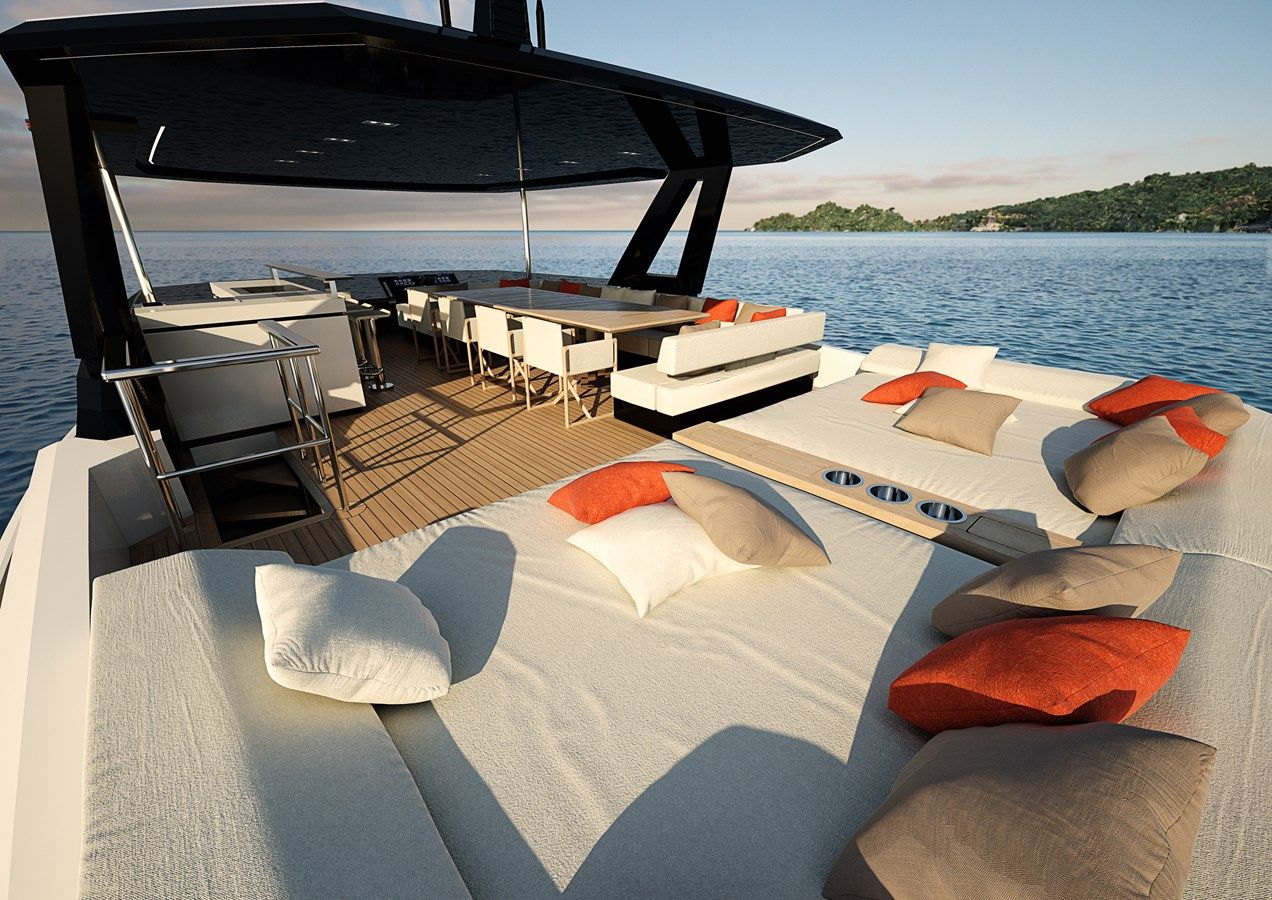
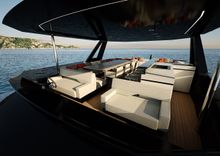
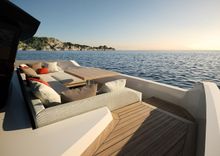
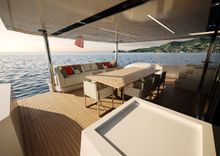
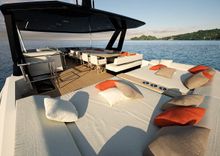
On deck, the Tribale Cat 56 caters to open-air living. Wide walkways, a welcoming cockpit, and multiple lounge zones make it easy to relax, dine, or entertain in style. Teak accents, polished stainless details, and carefully positioned seating areas set the stage for alfresco meals and sunset conversations. It’s a cruising yacht that invites you to linger outside as much as you do within.
Behind the scenes, the technical package is equally accomplished. Efficient propulsion, advanced navigation electronics, refined sail-handling solutions, and comprehensive safety systems come together to deliver confidence and control. The helm is designed for clear sightlines and intuitive operation, helping the captain manage long passages or short hops with ease.
For sailors and owners seeking a blend of speed, stability, and lavish comfort, the Tribale Cat 56 excels. As a luxury catamaran, bluewater cruiser, and performance cruising multihull, it brings together the hallmarks of modern yacht design—range, reliability, and refined living—in one coherent, compelling form. It’s an ideal platform for private ownership or discerning charter, equally at home on coastal adventures or transoceanic routes.
In sum, the Tribale Cat 56 by TRIBALE YACHTS is far more than transport; it’s a confident statement in contemporary yacht building. This premium liveaboard catamaran doesn’t simply traverse the water—it commands it—turning every journey into an experience defined by grace, serenity, and enduring quality.
Detailed Description
Technical specifications
Construction begins with a Glass Reinforced Plastic hull whose laminates are verified to CE standards and, if appointed, Classification Society procedures. The monohedral form is reinforced by an efficient longitudinal framing system along bottom and sides, working together with girders, bulkheads, and web frames to ensure transverse rigidity. The keel is single-skin, while bottom, wet deck, and sides are sandwich construction with special local reinforcements in highly loaded areas such as the fore sections, machinery foundations, shaft brackets, internal casings within accommodations, bow-thruster tunnel, and rudders. Vinylester resin is used throughout the laid-up lamination coats, with an infusion process as standard and wet lay-up where required. Decks, hull sides, and superstructure are cored sandwich structures using closed-cell foam. Two watertight bulkheads create three watertight compartments; structural bulkheads are GRP and plywood to Classification rules, while compartmenting bulkheads are sandwich panels with plywood or PVC cores. Non-structural tanks for fuel oil, fresh water, grey water, and black water follow the capacity plan and are fabricated in steel, light alloy, or PVC-PET. Engine foundations are built on high-density PU-cored longitudinal girders with an inserted metallic foundation, the girders extending fore and aft to become an integral part of the bottom girder system. There is no garage door. Forward, a chain locker sized to CE requirements is fitted, with an AISI 316L stainless-steel hawse pipe featuring half-round ends in the anchor pocket and at deck level, plus an anchor-chain wash line. There is no hull rubstrake. A GRP mast as shown in profile carries antennas and radomes for the navigation and communication suite, the anchor light, and other antennas.
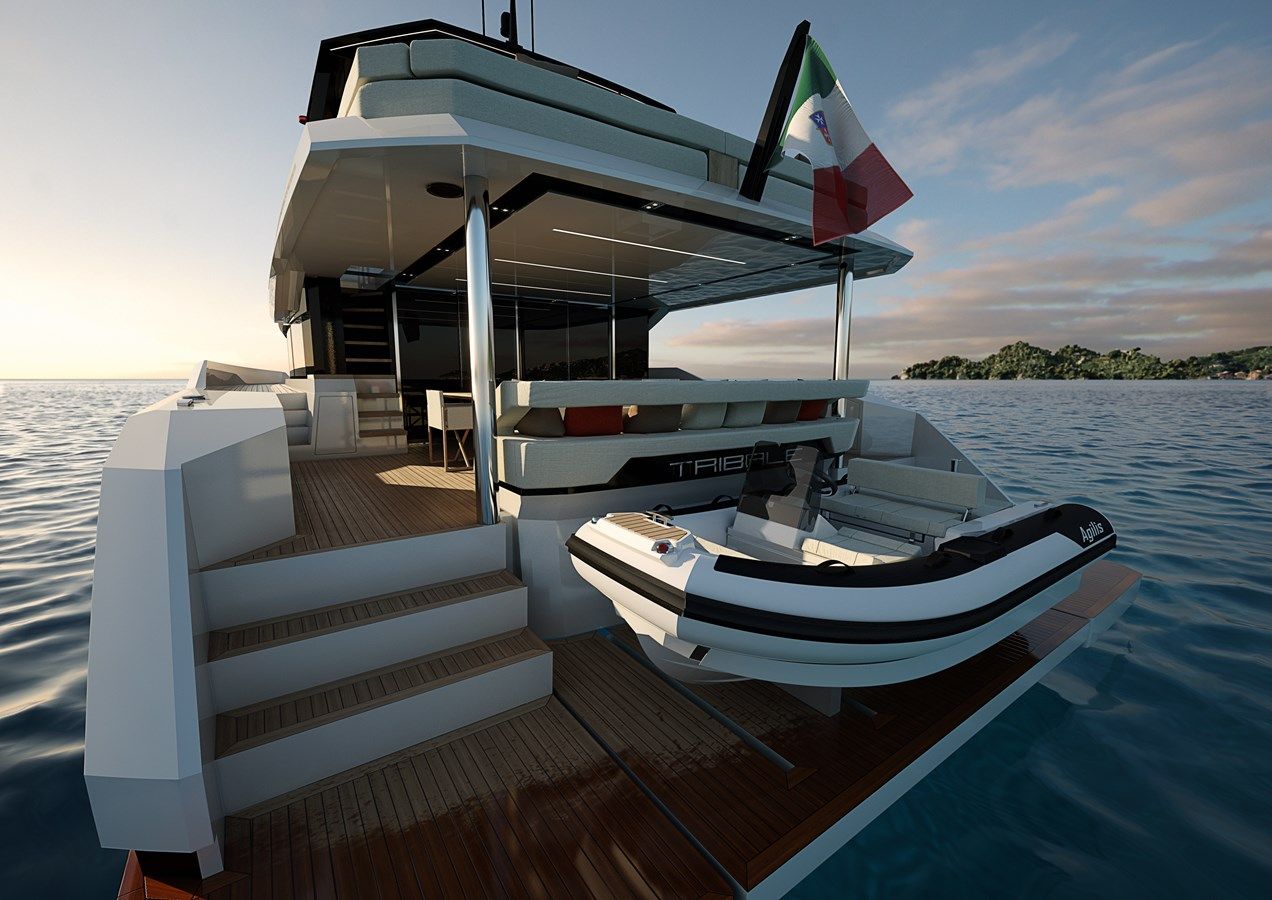
Outfitting on deck includes a main deck—aft cockpit and side corridors from the step aft—planked in six-millimetre synthetic teak such as Synteak Plasdeck or equivalent, laid with margin boards, side drainages, adhesive bonding, and five-millimetre seams in black rubber compound. Foot-stops are GRP; handrails are stainless steel. Ground tackle is managed by one stainless-steel Italwinch Orchid 2000/24 electric windlass at twenty-four volts, single speed, rated at two kilowatts, with a gypsy for twelve-millimetre chain, vertical shaft, and a wandering lead. The standard anchor is one galvanized steel unit of twenty-five kilograms with sixty metres of twelve-millimetre galvanized chain, sized to CE requirements. For assistance when docking, there are two stainless-steel Italwinch Nestor 1000/24 electric capstans at twenty-four volts, single speed, rated at one kilowatt, with a rubber-coated deck switch. Mooring hardware includes eight bollards in total—four aft, two at the bow, and two amidships—plus one hundred metres of polyester/polyamide mooring line of eighteen millimetres in diameter and fifty metres of polyester/polyamide towing line of twenty-four millimetres. Openable portlights are Lewmar Flush Mitre, paired with fixed glass windows in light alloy and glass per the exterior profile and layout. There are no bulwark doors. Exterior doorways comprise one manual sliding door in glass with painted stainless steel from the aft deck to the main saloon and two manual hatches on the main deck for engine-room access by Lewmar or equivalent; all as per the General Arrangement, built to the Builder’s standard dimensions and designs, secured in the open position, and supplied by Davit or equivalent. The fly-bridge windscreen is twelve-millimetre plexiglass. At the stern, a hydraulic tender-lift platform with a safe working load of six hundred kilograms by Noval, H+B Tecniques, or equivalent is installed, and a Besenzoni or equivalent stern gangway on the aft main deck doubles as a swimming ladder. The yacht’s name and port of registry are fitted to the transom per Builder’s standard. Window size and placement follow the General Arrangement and Profile, with glass thickness per CE; all windows are fixed and non-opening. A fresh-water windscreen-wiper system is installed with a dedicated fan coil for defrosting. Signalling equipment includes a pneumatic horn by Osculati or equivalent and one remote-controlled searchlight. A flagpole is fitted at the mast’s stern side. Protective covers in Dacron are provided for the fly-bridge console, while tender and water-toy covers, if any, are owner-supplied. Eight Polyform F6 cylindrical fenders are included, with stowage for fenders and mooring ropes in the forward locker beneath the sofa and in the aft locker. Portable fire extinguishers are supplied to CE requirements, along with a full set of rescue and safety equipment per CE rules.
Noise and vibration control adopts resilient mounts for main mechanical equipment; main engines and reduction gears are elastically mounted on extra-rigid foundations; all main pipes are secured with rubber-lined brackets; generators are elastically mounted and enclosed in sound shields from their supplier; and insulation materials are applied wherever necessary to reduce airborne noise, notably on engine-room bulkheads and ceilings. The engine room is insulated in accordance with CE rules. Where required, hull sides in accommodation areas receive insulation to CE standards. Interior partitions are sandwich panels with plywood and/or foam and a veneer finish; ceilings are sandwich panels; and all lower-deck floors are GRP sandwich with foam fiberglass.
The fuel system comprises two tanks totaling two thousand litres in light alloy or stainless steel with inspection manholes, vent pipes, and remote level gauges. Fuel inlets are amidships on both port and starboard. Each generator has a single Racor filter and each main engine a twin Racor arrangement. Emergency quick-closing valves with remote control outside the engine room are fitted on the tanks for the diesel supply lines. All fuel transfers between tanks are remote controlled from the wheelhouse, with an emergency manual system in the engine room. A lubricating-oil plant is available as an option. Potable water is stored in one stainless-steel tank of approximately seven hundred litres with a remote level gauge and a shore-water connection fitted with a pressure-reducing valve. The fresh-water system uses a rubber-mounted Gianneschi Ecoinox pressure pump at twenty-four volts producing fifty litres per minute, with PEX piping such as Uponor from the main line to showers, sinks, and other outlets; a dedicated line serves anchor-chain washing. Hot water is supplied by two Indel Isotemp heaters at two hundred thirty volts AC, fifteen litres each, with pressure-relief valves and piping identical to the cold-water system. A Schenker Zen 100 or equivalent reverse-osmosis watermaker at twenty-four volts provides approximately one hundred litres per hour and includes all necessary gauges, filters, and both high- and low-pressure pumps. The black-water system is described in two configurations: one arrangement gathers all toilet discharge to a single tank of eighty litres using Superflex or equivalent hoses; a second arrangement collects toilet discharge to two polyethylene Osculati tanks of eighty litres each, one per side, with internal macerators, polyethylene air vents, and deodorizing filters by Osculati or equivalent, again using Superflex or equivalent hoses; toilets are Osculati at twenty-four volts with internal macerators. The grey-water system collects discharge from showers, sinks, and bidet and transfers by gravity to two polyethylene Osculati tanks of one hundred thirty litres each, one per side; the galley sink can discharge either to tank or directly overboard through a three-way valve; shore discharge connections with relative piping are provided; tank drainage is possible via two Osculati pumps at twenty-four volts rated at forty-five litres per minute; tanks are ventilated with polyethylene air vents and fitted with Osculati or equivalent smell filters; all hoses are Superflex or equivalent. For damage control and fire safety, each watertight compartment has its own bilge suction served by separate submerged Marco UP2000 bilge pumps at one hundred twenty-six litres per minute and twenty-four volts, with a manifold feeding a single manual Osculati bilge pump; hoses are Superflex or equivalent. The engine room carries a fixed manual FM200 Easy Fire system by Osculati approved to CE rules, and ten portable fire extinguishers per CE are installed across guest and technical areas.
Air conditioning is sized at approximately fifty thousand BTU, designed for summer ambient of thirty-five degrees Celsius and sixty percent relative humidity with interior at twenty-two degrees Celsius and sixty percent relative humidity and seawater up to thirty-two degrees Celsius, and for winter exterior at zero degrees Celsius with interior at twenty-two degrees Celsius and sixty percent relative humidity and seawater down to ten degrees Celsius. The Webasto reverse-cycle marine chiller feeds independent, isolatable fan coils throughout the vessel. Sea-water piping uses flexible hose by SCAMO or equivalent; circulation-water piping uses Superflex or equivalent, fully insulated with anti-condensation rubber; pumps are driven by two hundred thirty volts AC electric motors. The chiller features a single variable-speed compressor rated at fifty thousand BTU, one self-priming seawater cooling pump, and one circulating pump, serving nine two hundred twenty volts AC fan coils with individual thermostats and speed controls sized and located per the final layout.
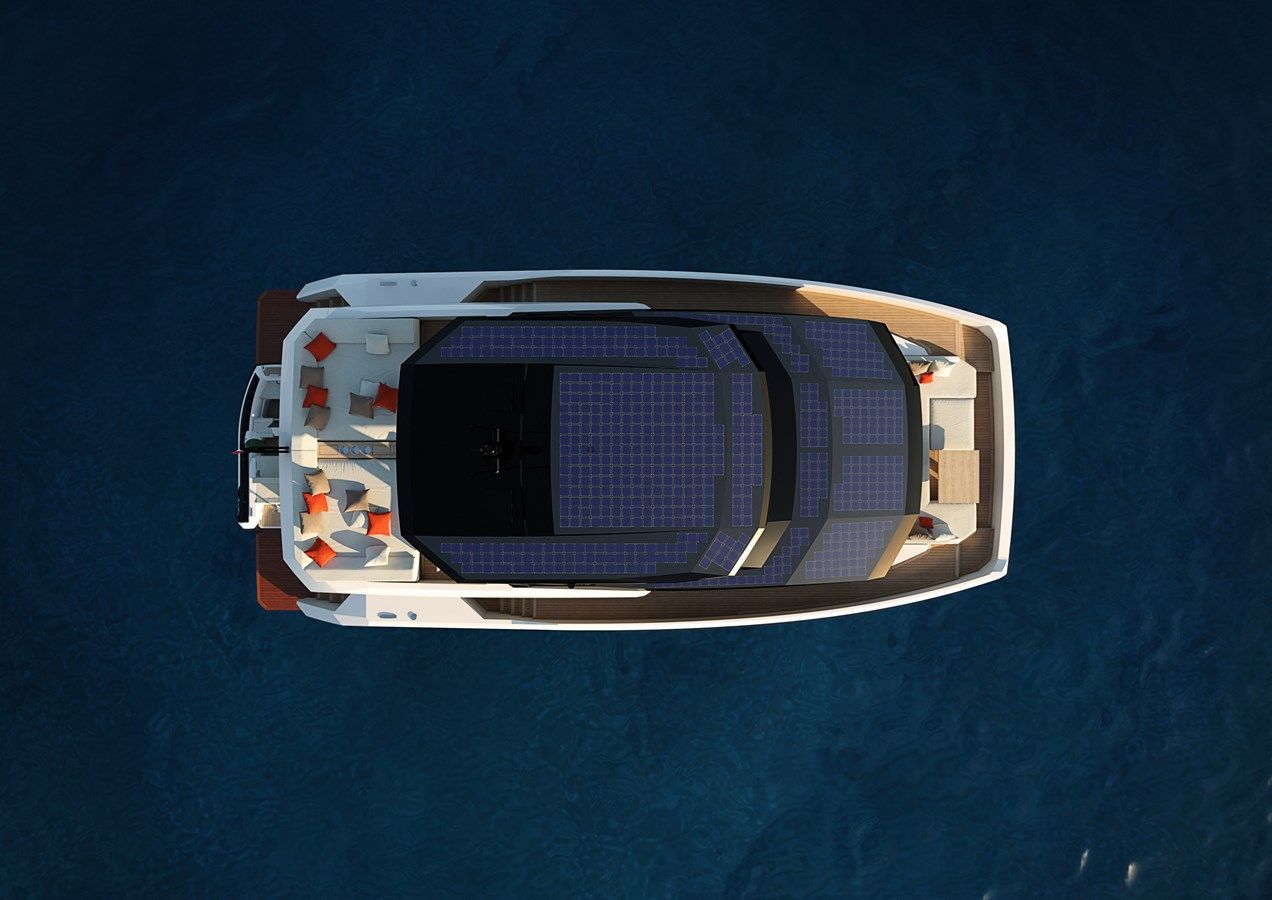
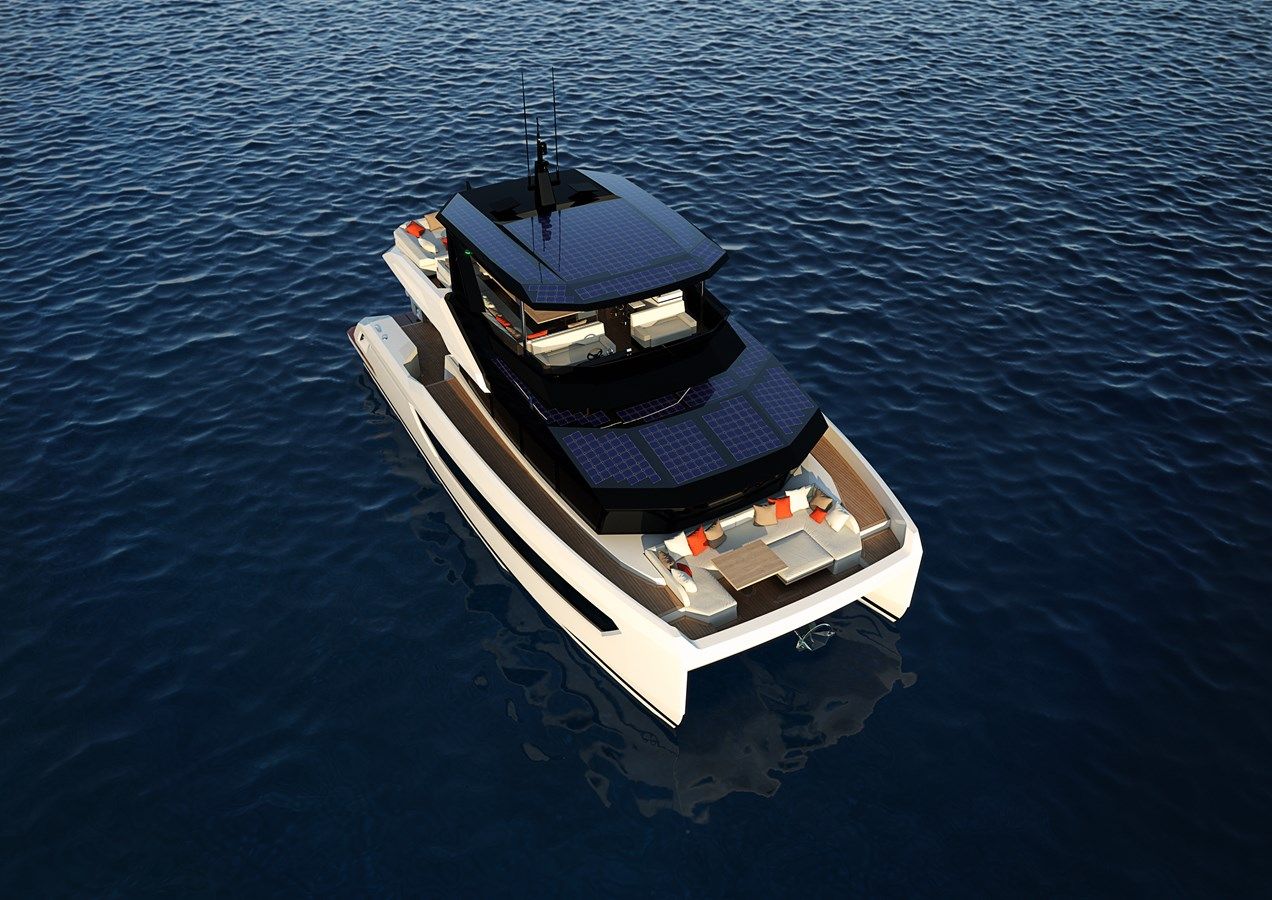
The electrical system is designed, installed, and tested to CE rules, with equipment selected and located for protection against water, oil, humidity, vibration, and to facilitate maintenance. A Raymarine YachtSense monitoring system provides control of navigation and anchor lights; levels and alarms for fuel, potable water, black water, and grey water; control of engine-room blowers; fire and smoke alarm monitoring; power-supply visualization; bilge alarms and pump control; horn activation; autopilot control; and underwater-light control. Approximately forty-two square metres of solar array delivering six point seventy-five kilowatts charges the service-battery plant. Distribution comprises a main two hundred thirty volts AC fifty hertz single-phase network and a twenty-four volts DC battery system. AC power is available from one diesel generator rated at fifteen point six kilowatts, fifty hertz, or from a shore-power connection at two hundred thirty volts single phase, fifty hertz, thirty-two amps. The generator set is a Kohler unit, fifteen point six kilowatts at fifty hertz or equivalent, two phases, fifteen hundred rpm, full-load continuous rating, with twenty-four volts DC starting and a water separator. All electric motors are either two hundred thirty volts AC single phase at fifty hertz or twenty-four volts DC, resiliently mounted with adequate ventilation; all wiring is labelled at termination points; penetrations through watertight bulkheads maintain integrity; AC sub-panels are placed to minimize wire runs and weight; ground-fault protection is incorporated where required; and all electrical equipment bears nameplates. The main switchboard is installed in the technical area aft of the engine room, built in light alloy with hinged front panels and quick-release locks for access, ventilation grilles on both sides, and physical separation between the high-voltage section and the twenty-four volt section. Lighting is per Builder’s standard using Osculati or equivalent fixtures; exterior lights are waterproof, mounted overhead on superstructure ceilings and at foot level, powered at twenty-four volts DC; all circuits are breaker protected; interior switches are Bticino, Vimar, or similar, with waterproof switches in technical spaces and outdoors. Navigation lights meet COLREG seventy-two and pleasure-craft rules, including masthead white, port red, starboard green, stern white, and anchor white. Batteries include dedicated banks for services, generator starting, and main engine starting, with real capacities finalized after the electrical balance analysis. Battery charging provides one automatic charger for service batteries, one for generator-start batteries, and one for main-engine-start batteries. The navigation, communication, and control package by Raymarine comprises one Quantum Q24D radar with twenty-four nautical miles range on X-band and a closed twenty-one-inch aerial; four sixteen-inch Axiom+12 multifunction touchscreen displays, two on the fly bridge and two in the wheelhouse; one CP100 echosounder with CPT110 transducer; one RS150 GPS; a log and wind system to be advised; one Evolution EV-DBW autopilot with PT70rs display; one magnetic compass on the fly bridge; and one Ray ninety VHF with two Raymic handsets for wheelhouse and fly bridge. CCTV coverage includes two CAM 300 IP cameras in the engine room. Entertainment specifications are available on request; standard provisions include one Starlink data satellite antenna and a Wi‑Fi network serving lower deck, main deck, and fly bridge. Grounding uses copper straps bonded throughout the hull to all electric motors, metallic pipes, and similar, while an adequate number of zinc anodes below the waterline protect metal fittings from galvanic corrosion.
Propulsion is by Yanmar, with the standard pair of liquid‑cooled 4LV250 engines on dedicated foundations, each coupled by shaft to a reduction gear, common-rail injection, four in-line cylinders, two point seventy-five litres displacement, and certified to IMO Tier II and EPA Tier III, producing one hundred eighty-four kilowatts or two hundred fifty horsepower at three thousand eight hundred rpm. As an option, twin Yanmar 8LV370 engines deliver two hundred seventy-two kilowatts or three hundred seventy horsepower at three thousand eight hundred rpm with eight cylinders in a V configuration, four point forty-six litres displacement, common-rail injection, and the same certifications. With 8LV370s the approximate maximum speed is twenty-two knots and the cruising speed fifteen knots, with an estimated range of four hundred thirty nautical miles at cruise; with 4LV250s the approximate maximum speed is twenty knots and the cruising speed fourteen knots, with an estimated range of four hundred eighty nautical miles at cruise and about seven hundred sixty to seven hundred seventy nautical miles at eight knots. Reduction gear type and ratio are to be determined. Propeller shafts are two Duplex F51 stainless-steel lines of approximately fifty millimetres diameter with PSS or equivalent shaft seals; struts are high-quality bronze alloy with water-cooled bearings. Propulsion uses two four-blade Nibral propellers. The electric steering system drives twin airfoil-section rudders located in the propeller wash, with actuators linked to the rudder shafts by a connector rod; rudder shafts are sealed at hull penetrations with O-rings and antifriction bushes, and all rudder structures including the connector rod are stainless steel. Optional diesel-electric packages are available: a Mild Hybrid with two diesel Yanmar two hundred fifty horsepower engines, two fifty-kilowatt electric motors, eighty kilowatt-hours of batteries, and two thirty-five-kilowatt generator sets; a Full Hybrid with two diesel Yanmar three hundred seventy horsepower engines, two one-hundred-kilowatt electric motors, eighty kilowatt-hours of batteries, and three thirty-five-kilowatt generator sets; and a Full Electric configuration with two one-hundred-kilowatt electric motors, eighty kilowatt-hours of batteries, and three thirty-five-kilowatt generator sets. These systems include two electric motors at fifty or one hundred kilowatts each at nine hundred rpm, direct-coupled to the shaft lines with fixed four-blade fixed-pitch propellers, two or three generator sets to supply electrical power, lithium battery banks totaling eighty kilowatt-hours for propulsion and hotel loads, and a power-generation and distribution plant with battery chargers, inverters, solar panels if specified, and distribution for both propulsion and hotel modes. Preliminary performance data without main engines indicate maximum speed eight knots and cruising speed six knots in battery mode; maximum speed nine knots and cruising speed seven knots in generator mode with one-hundred-kilowatt motors, or maximum speed eight knots and cruising speed six knots with fifty-kilowatt motors; battery-mode range approximately eighteen nautical miles and hybrid-mode range about seven hundred sixty nautical miles. An optional electric bow thruster, Max Power CT125 or equivalent of about eight point five kilowatts with fiberglass tunnel and a three-blade propeller, is installed forward in the proper position and controlled from both wheelhouse and fly bridge. Stabilizers are not applicable.
Joinery and interiors are curated by the Builder’s Interior Design department, with the option for an owner-appointed independent designer working within this specification and schedule; any upgrades are quoted extra and delays in information supply are permissible delays affecting delivery. Interior and exterior layouts follow the contractual General Arrangement, and all appliances, TVs, stereo, air conditioning and ventilation equipment, light fixtures, alarms, fire detectors, and electrical panels are integrated into the design. Floor finishes include carpet in the owner’s suite, guest cabins, and hallways as per shipyard samples, parquet in the saloon and dining room, and carpet in crew areas; shower floors are fitted with drip pans. There is no skirting board. Wall finishes use woods commonly employed in the Italian yachting industry—oak, cherry, Tanganyika, mahogany, or equivalent—with limited areas upholstered in fabric or leather within shipyard cost limits; bathrooms receive lacquered or GRP panels, while crew-area walls are Formica or GRP. Built-in furniture—cupboards, drawers, consoles, night tables, wash-basin units, desks, and more—is executed to the General Arrangement and Builder’s standards in timber or marine-plywood veneer of the selected woods, with dedicated storage fitted with plexiglass retainers for glasses, dishes, cutlery, and china; galley worktops are finished in Corian or similar. Loose furniture—chairs, armchairs, tables, stools, sofas—is supplied per the General Arrangement within shipyard cost limits. Interior doors are double plywood panels with doorstops to hold them open and finishes matching adjacent walls. Ceiling panels are lacquered or upholstered in fabric or leather within shipyard sample limits, with lacquered panels in crew areas, galley, bathrooms, and day heads as shown on the GA. Lighting fixtures follow shipyard cost limits, with LED spotlights for interior and exterior and reading lamps by Osculati or equivalent, and switches and sockets by Bticino, Vimar Living series, or equivalent; positions for every light, switch, and socket are defined on dedicated drawings. All windows and portholes, except those in the wheelhouse, are fitted with curtains in fabric that can be lined for a blackout effect. Taps and bathroom accessories are selected among Ideal Standard, Grohe, or equivalent, with sanitary fittings by Osculati, Ideal Standard, Tecma, or equivalent, and accessories provided including soap and glass holders, towel rails and rings, toilet brush and paper holder, robe hooks, and a bathroom bin, all within shipyard sample cost limits. Hardware is of marine quality, with positive closures on all cupboard, storage, wardrobe, and cabinet doors, and drawer stops; furniture knobs, anti-roll rods, handrails, door handles, and doorstops are fitted as appropriate, with the maker selected to Builder’s standard. Bedding includes custom spring mattresses with appropriate clearance in the frames, plus pillows and bed covers for every berth; bed linens and blankets are excluded. Domestic appliances comprise SMEG refrigerator, freezer, four‑zone induction cooktop, overhead hood, electric oven, microwave, dishwasher, and washer–dryer; one ice maker in the saloon; one refrigerator in the main saloon; one refrigerator on the fly bridge; and one electric grill on the fly bridge. Exterior comfort is enhanced with sunbathing mattresses and exterior-grade upholstered cushions for the outdoor sofas.
Finishes include gelcoat on the GRP hull, superstructure, and all GRP parts per shipyard specification; antifouling paint by Marlin or equivalent below the waterline; and a waterline boot stripe. All bilges inside and outside the engine room are painted white. Structural fuel tanks are not applicable.
Project planning requires finalizing the layout configuration at contract signing. Within twenty days of signature, the Owner must define interior furniture design, fabrics, carpets, marbles, bathroom accessories, and any modifications to standard navigation and communication equipment, entertainment equipment, and household appliances. Standard supply excludes tenders, wave runners, water-sports and diving equipment, pots, pans, cooking utensils, china ware, cutlery, tablecloths, bed sheets and blankets, towels and robes, rugs, stationery, decorative items such as paintings and sculptures, crew uniforms, charts, pilots, almanacs, chart-table instruments, binoculars, computers, tools, spare parts, cleaning tools and accessories, and any other item not expressly included in this specification.
Specifications
- Accommodations:
- 8 staterooms
- Length:
- 56' (17.07m)
- Beam:
- 26' (8.08m)
- Year Built:
- 2025
- Builder:
- TRIBALE YACHTS
- Category:
- Motor yachts
- Engines:
- 2 engines Yanmar
- Location:
- Italy



Yacht name «Tribale 56 Cat» – TRIBALE YACHTSis for sale and located in Pisa, Italy
Motor yachts «Tribale 56 Cat» built by manufacturer TRIBALE YACHTS in 2025— available for sale. Yacht location: Italy. If you are looking to buy a yacht «Tribale 56 Cat» or need additional information on the purchase price of this TRIBALE YACHTS,
please call: +1 (954) 274-4435 USAOnly deal with professionals!