
 Licensed Yacht BrokersSales and service of yachts and ships
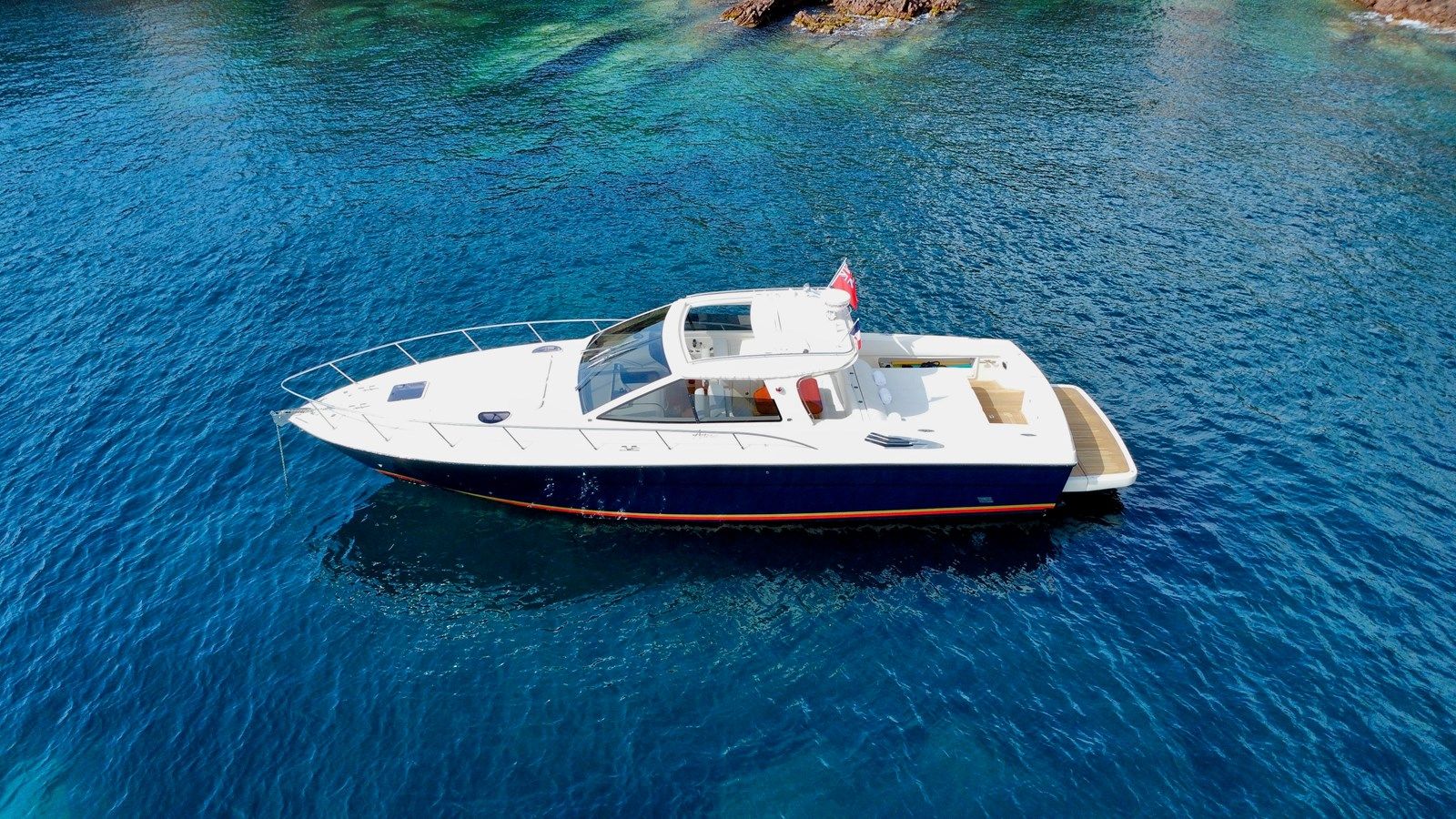
ASTERIE - For Sale
English
Country of Origin
Italy
Reputation and Quality
Asterie is recognized on the brokerage and enthusiast markets as a boutique Italian yacht brand associated with refined, neo-classic open dayboats and compact cruisers. The marque is most frequently referenced through models encountered on the Mediterranean resale market—such as the Asterie 315—positioned for owners who value elegant lines, traditional detailing, and straightforward, seaworthy construction over mass-produced volume. Although detailed corporate histories are not widely published, the brand’s boats are consistently described and traded as Italian-built craft, reflecting the country’s long tradition of small-series artisanal production.
Design-wise, Asterie’s profile favors timeless proportions: low, graceful shear lines; generous foredecks; well-proportioned coamings; and extensive use of teak for decking, cap rails, and interior trim. This aesthetic places Asterie among Mediterranean “classic-contemporary” builders that balance heritage styling with modern composite construction. The result is a boat that looks at home among classic runabouts and lobster-style craft yet benefits from the reliability and maintainability of GRP (fiberglass) hulls and decks.
On the water, owners and brokers typically characterize Asterie boats as comfortable coastal dayboats—equally suited to morning harbor hops, lunch at anchor, and late-afternoon returns in a building breeze. The hull forms associated with this segment emphasize predictable handling and a dry ride in moderate chop, with sufficient deadrise and volume forward to soften head seas. Deck layouts tend to be social and practical: a clear cockpit, abundant seating, sunpad space, safe side passages, and direct access to a swim platform. Belowdecks (where applicable), interiors are usually compact and purposeful—often oriented around a convertible dinette, a small galley module, and a fully enclosed head—supporting occasional overnights without compromising open-air living above.
Fit-and-finish is a notable strength. Even in used examples, it is common to see careful joinery, solid stainless hardware, robust cleats and fairleads, and tidy electrical and plumbing runs. Upholstery and canvas work typically follow premium Mediterranean standards, favoring durable marine vinyls and weather fabrics. Many boats in this category are specified with thoughtful details—varnished teak accents, well-engineered engine access, substantial mooring gear—that quietly communicate craftsmanship rather than ostentation.
From a maintenance standpoint, Asterie craft exhibit the virtues of small-series Italian builds that rely on proven, widely available components. Systems—electrical panels, pumps, lighting, navigation electronics, and deck gear—are generally sourced from mainstream European marine suppliers. For owners, this means that even if the original building yard is not nearby, routine service and parts are commonly handled by established marine technicians. The GRP structures and teak overlays are straightforward to survey and maintain: standard fiberglass care, attention to sealants and fastenings, periodic teak refinishing or replacement of caulking, and vigilant prevention of water ingress around hardware.
Performance and propulsion details vary by individual build and model year, but boats in this class are commonly outfitted with reliable inboard-diesel power or compact driveline solutions appropriate to coastal cruising and dayboat duty. The emphasis is on balanced performance—a confident cruising speed, responsive throttle behavior for close-quarters handling, and sound fuel economy for day use—rather than on chasing maximum top-end numbers. Noise and vibration levels, when engines and mounts are well maintained, are typically in line with premium mid-size Mediterranean dayboats.
In terms of market positioning, Asterie appeals to buyers seeking:
- Understated elegance and classic lines rather than aggressive styling.
- Practical, social deck layouts optimized for swimming, sunbathing, and shared meals.
- Craftsmanship-forward details—teak, stainless, and clean gelcoat work—that age gracefully.
- A manageable ownership profile, with systems and components familiar to service yards across Italy, France, Spain, and the broader Mediterranean.
On the secondary market, values tend to reflect the enduring desirability of classic aesthetics, the condition of cosmetic woodwork, the currency of navigation electronics, the service record of engines and driveline components, and the state of canvases and cushions. Well-cared-for examples often command attention from buyers who want a “Mediterranean look” without stepping into ultra-collectible wooden runabouts. Surveyors commonly recommend routine checks typical for GRP dayboats: moisture readings in deck coring around fittings, inspection of teak fastenings and seams, verification of bilge pump capacity and wiring, and careful review of engine service intervals.
Safety and compliance are aligned with European standards typical of the brand’s era of production. CE marking on many Mediterranean brokerage examples signals adherence to established categories of seaworthiness for coastal cruising. Handholds, bulwarks, nonskid patterns, and boarding ladders are generally well-considered for family use and frequent swimming.
In sum, Asterie’s reputation rests on three pillars:
- Italian character: styling, material choices, and finish that speak to local maritime heritage.
- Seaworthy simplicity: sensible hulls and systems that support reliable day use and weekend cruising.
- Lasting appeal: timeless lines and enduring materials that help boats remain attractive well beyond their initial model year.
For owners who prize classic Mediterranean design executed in fiberglass with tasteful teak detailing—and who want a boat that feels special without demanding exotic maintenance—Asterie sits comfortably among respected small-series Italian builders.
Italiano
Paese di origine
Italia
Reputazione e qualità
Asterie è conosciuta tra broker e appassionati come un marchio italiano di nicchia, legato a dayboat e piccoli cruiser dal gusto neoclassico. Il nome ricorre spesso sul mercato dell’usato nel Mediterraneo—con modelli come l’Asterie 315—ed è orientato a armatori che privilegiano linee eleganti, dettagli tradizionali e una costruzione solida e affidabile, rispetto alla produzione di massa. Pur in assenza di ampie pubblicazioni su storia aziendale e struttura societaria, le imbarcazioni del marchio sono comunemente descritte e trattate come costruite in Italia, in linea con la tradizione locale della produzione artigianale in piccole serie.
Lo stile privilegia proporzioni senza tempo: murate basse e filanti, prua generosa, falchette ben dimensionate e uso esteso del teak per ponti e rifiniture. È un’estetica “classic-contemporary” che combina charme tradizionale e costruzione moderna in composito (vetroresina). Ne risultano barche perfettamente a loro agio accanto a runabout classici e lobster boat contemporanee, ma con i vantaggi di manutenzione e affidabilità tipici della GRP.
In navigazione, le unità Asterie sono apprezzate come comodi dayboat costieri: ideali per brevi trasferimenti, bagni in rada e rientri serali con mare in aumento. Le carene privilegiano conduzione prevedibile e asciutta, con adeguata deadrise e volume a prua per addolcire l’onda corta. I layout di coperta sono sociali e funzionali: pozzetto libero, sedute abbondanti, aree prendisole, passavanti sicuri e accesso diretto alla piattaforma bagno. Gli interni (dove presenti) sono compatti e razionali—spesso con dinette trasformabile, piccolo modulo cucina e bagno separato—per brevi crociere senza penalizzare la vita all’aperto.
La qualità costruttiva è un punto di forza: falegnameria curata, ferramenta in inox dimensionata, impiantistica pulita e ordinata. Selleria e tessuti rispettano gli standard mediterranei di fascia alta, con materiali marini durevoli. La componentistica (elettrico, pompe, elettronica, accessori di coperta) è in genere di fornitori europei diffusi, semplificando assistenza e ricambi presso cantieri di servizio in Italia, Francia e Spagna. Le strutture in GRP e i rivestimenti in teak sono facili da ispezionare e mantenere: cura della vetroresina, sigillature, rifinitura periodica del legno e prevenzione delle infiltrazioni.
Le prestazioni privilegiano equilibrio ed economia d’esercizio per l’uso giornaliero: velocità di crociera confortevole, manovrabilità in spazi ristretti e consumi ragionevoli. In termini di posizionamento, Asterie parla a chi cerca:
- Eleganza discreta e linee classiche.
- Layout di coperta conviviali, ottimizzati per bagno e relax.
- Dettagli di artigianato—teak, inox, gelcoat curato—che invecchiano bene.
- Un profilo di gestione semplice, con componenti noti alla rete di assistenza mediterranea.
Sul mercato dell’usato incidono soprattutto: stato delle finiture in legno, aggiornamento dell’elettronica, storico manutentivo di motorizzazioni e organi di trasmissione, e condizioni di tendalini e cuscinerie. Le verifiche consigliate dagli esperti includono: controllo umidità attorno alla ferramenta in coperta, fissaggi del teak, capacità delle pompe di sentina e intervalli di manutenzione dei motori.
Complessivamente, la reputazione di Asterie si fonda su carattere italiano, semplicità marinaresca e fascino duraturo—un mix che continua a convincere gli armatori in cerca di un dayboat mediterraneo di qualità.
Français
Pays d’origine
Italie
Réputation et qualité
Asterie est identifiée, sur le marché de l’occasion et auprès des connaisseurs, comme une marque italienne artisanale spécialisée dans les day-boats et petits croiseurs au style néo-classique. Le nom apparaît régulièrement sur les places de courtage méditerranéennes—avec des modèles tels que l’Asterie 315—plutôt destinés aux propriétaires recherchant des lignes élégantes, des finitions traditionnelles et une construction sérieuse, plutôt qu’une production industrielle de grande série.
Le dessin privilégie des proportions intemporelles: ligne de pont basse et fluide, proue généreuse, hiloires bien dimensionnés, et usage important du teck pour les ponts et les finitions. Cette esthétique “classic-contemporary” marie le charme des lignes d’antan à une construction moderne en composite (PRV). On obtient des bateaux parfaitement à l’aise parmi les runabouts classiques et les lobster-boats contemporains, tout en bénéficiant de la fiabilité et de la facilité d’entretien de la fibre.
En navigation, les unités Asterie sont tenues pour d’excellents bateaux de journée côtiers: déplacements courts, mouillages conviviaux et retours sûrs en fin de journée. Les carènes favorisent une tenue prévisible et sèche dans le clapot, avec suffisamment de deadrise et de volume à l’avant. Les plans de pont sont conviviaux et pratiques: cockpit dégagé, assises généreuses, bains de soleil, passavants sécurisés et accès direct à la plage de bain. Sous le pont (lorsque présent), l’aménagement est compact et fonctionnel—dinette transformable, petit module cuisine, cabinet de toilette fermé—adapté à des nuits ponctuelles.
La qualité de fabrication se distingue par une menuiserie soignée, une accastillage inox robuste et une installation des systèmes propre et ordonnée. Sellerie et toiles suivent les standards méditerranéens haut de gamme. L’équipement électrique, la plomberie, l’électronique et l’accastillage proviennent généralement de fournisseurs européens répandus, facilitant l’entretien et les pièces de rechange. Les structures en PRV et les ponts lattés teck sont faciles à expertiser et à maintenir: contrôle des scellements, entretien des joints et prévention des infiltrations.
Côté performances, l’équilibre prime: vitesse de croisière confortable, manœuvres aisées et consommation mesurée pour un usage à la journée. Le positionnement d’Asterie s’adresse aux plaisanciers qui privilégient:
- Une élégance discrète et des lignes classiques.
- Des plans de pont sociaux, pensés pour la baignade et le farniente.
- Des détails artisanaux—teck, inox, gelcoat soigné—qui traversent le temps.
- Une maintenance rationnelle grâce à des composants largement diffusés en Europe.
Sur le marché de l’occasion, la valeur dépend fortement de l’état des boiseries et du teck, de l’actualisation de l’électronique, de l’historique moteur/ligne d’arbre/embases, ainsi que des capotes et coussins. Les contrôles conseillés incluent les mesures d’humidité autour de la visserie de pont, l’examen des fixations et joints du teck, la vérification des pompes de cale et la revue des carnets d’entretien.
En résumé, Asterie bénéficie d’une image de classicisme italien, de simplicité marine et de charme pérenne—un trio qui séduit durablement les amateurs de day-boats méditerranéens de qualité.
Español
País de origen
Italia
Reputación y calidad
Asterie se reconoce en los mercados de segunda mano y entre aficionados como una marca italiana de producción limitada, centrada en dayboats y pequeños cruceros de estilo neoclásico. Su presencia se detecta a través de modelos que circulan por el Mediterráneo—por ejemplo, el Asterie 315—orientados a armadores que valoran líneas elegantes, detalles tradicionales y construcción sólida, por encima del volumen de producción.
El enfoque de diseño apuesta por proporciones atemporales: francobordos bajos y estilizados, proas generosas, bordas bien dimensionadas y uso amplio de teca en cubiertas y remates. Esta estética “clásico-contemporánea” combina el encanto de las líneas tradicionales con la construcción moderna en PRFV (fibra). El resultado son embarcaciones que encajan entre runabouts clásicos y lobster boats actuales, manteniendo las ventajas de fiabilidad y mantenimiento propio de la fibra.
En navegación, los barcos Asterie son apreciados como plataformas costeras de día: traslados cortos, fondeos agradables y regresos seguros por la tarde. Las carenas priorizan un manejo predecible y seco con mar rizada, con la deadrise y el volumen de proa adecuados. Las cubiertas son sociales y prácticas: bañeras despejadas, asientos generosos, soláriums, pasillos seguros y acceso directo a la plataforma de baño. Bajo cubierta (cuando existe), el interior es compacto y funcional—dinete convertible, pequeño módulo de cocina y aseo independiente—pensado para escapadas puntuales.
La calidad de acabados destaca por su carpintería cuidada, herrajes de acero inoxidable dimensionados y una instalación de sistemas limpia y ordenada. La tapicería y las lonas siguen estándares mediterráneos de alta gama. La mayoría de los componentes (eléctrica, bombas, electrónica, herrajes de cubierta) provienen de proveedores europeos consolidados, lo que facilita el servicio y el suministro de repuestos en todo el arco mediterráneo. Las estructuras en fibra y los detalles en teca son sencillos de mantener: atención a sellados, fijaciones y al mantenimiento periódico de la madera.
En cuanto a prestaciones, la filosofía es el equilibrio: cruceros cómodos, maniobrabilidad en puertos y consumos razonables para uso diario. El posicionamiento de Asterie atrae a quienes buscan:
- Elegancia discreta y líneas clásicas.
- Cubiertas pensadas para socializar, nadar y tomar el sol.
- Detalles artesanales—teca, inox, gelcoat bien trabajado—que envejecen con gracia.
- Un esquema de mantenimiento asumible, con componentes estandarizados y disponibles.
En el mercado de ocasión, el valor depende del estado del teca y la madera, la actualización de la electrónica, el historial de motores y transmisiones, y la condición de lonas y cojinería. Las inspecciones recomendadas incluyen mediciones de humedad en cubiertas alrededor de herrajes, revisión de juntas y fijaciones del teca, verificación de bombas de achique y análisis de intervalos de servicio.
En definitiva, Asterie se asocia con carácter italiano, sencillez marinera y atractivo atemporal—una combinación que continúa convenciendo a quienes desean un dayboat mediterráneo de calidad sin complicaciones de mantenimiento.
Main Competitors
In the absence of an official, continuously updated model range from Asterie, the brand is most accurately positioned by the type of boats it is known for on the Mediterranean brokerage market: elegant, classic-leaning open dayboats and compact weekenders in the 8–10 meter (roughly 26–33 feet) band, often with generous teak, clean GRP tooling, and a focus on social deck layouts. Within this niche, the following builders are the closest practical and aspirational competitors owners and brokers consider when cross-shopping an Asterie. They are listed for their overlap in styling cues, size, intended use, and the quality expectations typical of Mediterranean cruising.
-
Apreamare (Italy) Apreamare’s Gozzo line and its earlier gozzo-inspired cruisers deliver the blend of classic Mediterranean lines and modern composite construction that appeals to Asterie buyers. Sizes around 28–35 feet, high standards of joinery, extensive teak, and a refined onboard experience make Apreamare a frequent point of comparison. While Apreamare often sits at a higher price tier, the overlap in owner priorities—timeless allure over aggressive styling; comfortable day use with occasional overnights; social cockpits and easy access to the water—is strong.
-
Fratelli Aprea (Italy) A family-run specialist in traditional gozzo craft, Fratelli Aprea competes on authenticity, craftsmanship, and seakeeping in short Mediterranean seas. Boats in the 7.5–10 meter range favor classic profiles, varnished wood accents, and practical decks. For buyers who value artisanal touches and a heritage feel—elements frequently appreciated by Asterie owners—Fratelli Aprea is a natural alternative.
-
Gagliotta (Italy) Gagliotta’s range of compact lobster-style and open cruisers intersects with Asterie’s “classic-contemporary” DNA. Models around 30–35 feet emphasize practicality, seaworthiness, and understated lines. In the eyes of many Italian and French Riviera brokers, a well-kept Gagliotta often appears on the same shortlist as an Asterie for clients seeking honest construction, real-world usability, and a restrained aesthetic.
-
Tornado Yachts (Italy) Tornado’s long-standing 31–38 foot open sports-cruisers are known for straightforward, durable builds and no-nonsense layouts that suit day cruising, cove hopping, and weekend runs. They are stylistically more “sport-open” than “classic-lobster,” but the practical deck plans, honest systems, and reputation for solid hulls make Tornado a live comparison—especially for buyers focused on handling and maintenance rather than on brand showmanship.
-
Sciallino (Italy) Rooted in Ligurian workboat heritage, Sciallino offers compact cruisers with a traditional, seaworthy bent. While some models trend toward pilot-house or semi-displacement themes, the brand’s reputation for sturdy construction, sensible layouts, and Mediterranean pragmatism overlaps with the user profile that appreciates Asterie hulls—owners who prioritize comfort, safety, and elegant simplicity over flash.
-
Cantiere Mimi (Italy) Mimi’s gozzo series spans the same “dayboat with character” brief, offering accessible pricing, wide Mediterranean dealer coverage, and handsome lines with practical layouts. For shoppers who want the visual charm and onboard functionality that define the Asterie appeal but with a broad, contemporary model line and efficient production, Mimi is a strong contemporary competitor.
-
Colombo (Italy) Colombo’s classic runabouts and small open cruisers emphasize high finish, teak detailing, and a refined Italian look—values that resonate strongly with Asterie’s clientele. While Colombo often plays in a slightly different stylistic register (runabout versus lobster-dayboat), many clients cross-shop the two for their shared focus on craftsmanship, premium materials, and a premium aesthetic in compact footprints.
-
Cantieri di Sarnico (Italy) Sarnico’s smaller open and hardtop cruisers (historically around the mid-30-foot mark) compete on quality of build, Italian design sophistication, and performance balance. Although styling can be sportier and more contemporary than Asterie’s neo-classic vibe, the overlap is clear for buyers seeking an upscale Italian dayboat/weekender with proven glass work and finish.
-
Itama (Italy; Ferretti Group) Itama occupies a more performance-oriented, larger-size niche, but it is an aspirational benchmark for open Italian yachting—sleek profiles, deep-V hulls, and iconic Mediterranean cachet. For some Asterie shoppers, especially those open to stepping up in size and budget, Itama exemplifies the high-end of the open-cruiser philosophy that Asterie channels on a smaller, more practical scale.
-
Apreamare Gozzo vs. Asterie: a direct-use comparison Because both appeal to owners who like to day-cruise in style and anchor for long lunches, the Apreamare Gozzo 33/35 class versus an Asterie of roughly 28–31 feet is a frequent decision point. The Gozzo brings broader dealer support and a current catalogue; Asterie’s appeal lies in its boutique character, timelessness, and the satisfaction of owning a less-common boat with artisanal cues.
-
Chris-Craft (USA) In the European Mediterranean, the Chris-Craft Corsair and Launch lines compete on premium finish, abundant teak, and classic silhouettes. While their American roots and design language differ from the Italian lobster/gozzo idiom, the experiential overlap—high-quality dayboating with elegant design—puts Chris-Craft on the competitive map for Asterie-minded buyers.
-
Frauscher (Austria) Frauscher’s design-forward open boats (e.g., circa 7–10 meters) present a contemporary counterpoint to Asterie’s classic leanings. For some clients, the decision is not “classic vs. modern” in function, but which aesthetic expression better suits their mooring and crowd. Frauscher’s premium materials, tight build quality, and sophisticated styling make it a legitimate alternative for owners focused on brand distinction and top-tier finish.
-
Austin Parker (Italy) Known for lobster-inspired cruisers, Austin Parker typically plays a size class above Asterie’s most visible used-market footprint. Nevertheless, for owners contemplating a step up while preserving the lobster/classic vibe—protected cockpits, teak-rich decks, restrained elegance—Austin Parker sits in the same conceptual neighborhood.
-
Riva (Italy) Riva’s Aquariva and Iseo are an aspirational reference point for classic runabout luxury. Though Riva usually commands a higher price and a different ownership profile, buyers with a taste for classic lines, superb woodwork, and an iconic brand sometimes include Riva on their long list when considering the overall experience an Asterie-type boat represents: an object of design as much as a means to spend a day on the water.
How these brands “compete” in practice:
- Aesthetic and philosophy: Asterie aligns closest with Italian gozzo/lobster-inspired boats (Apreamare, Fratelli Aprea, Gagliotta, Mimi, Sciallino) that celebrate heritage lines and teak detailing but use modern GRP construction.
- Use case: Dayboating with social cockpits, sunpads, easy water access, and simple overnights; comparable rivals prioritize the same on-water lifestyle.
- Fit-and-finish: Premium joinery, stainless, and tidy systems are a must for this segment; Riva, Colombo, Chris-Craft, and Frauscher set strong benchmarks, while the Italian lobster/gozzo builders provide the traditional flavor many Asterie owners desire.
- Serviceability: Mediterranean cruising demands robust, straightforward systems. Tornado, Gagliotta, Sciallino, and Asterie-like craft share the virtue of using widely available European components for easy maintenance.
For prospective owners, the “best competitor” depends on which dimension matters most: classic charm versus contemporary minimalism; ultimate brand cachet versus boutique rarity; or the practicalities of dealer proximity, parts support, and resale strength in specific regional markets.
Current Production Status
Publicly available information in the 2020s places Asterie most readily in the context of brokerage and enthusiast listings rather than in recurring, widely promoted new-build catalogs. In other words, buyers most often encounter Asterie as existing boats—frequently around 28–32 feet, with model references such as the Asterie 315—offered on the secondary market across Italy, France, Spain, and occasionally farther afield. This pattern is common among small-series Mediterranean builders whose boats continue to circulate actively for decades based on their enduring aesthetics and practical layouts.
What this means in practical terms:
- Absence of a continuously updated, mass-market catalog: The lack of frequent model-year refreshes, trade-press roadshows, or large-stand presences at major international shows (e.g., Cannes Yachting Festival or boot Düsseldorf) suggests that if Asterie production exists today, it is not at a scale or cadence that draws consistent international press coverage.
- Boutique or dormant posture: Many respected Italian craft brands operate in very small series, intermittently, or on a build-to-order basis even when not broadly advertised. Some go quiet for several seasons and then reappear with a short run or a refreshed variant. Asterie’s current public footprint resembles this “boutique or dormant” posture rather than continuous, high-volume output.
- Active secondary-market life: The continued desirability of Mediterranean classic-contemporary dayboats—especially those with plentiful teak, clean GRP work, and proven hulls—helps Asterie examples remain visible through brokers. In many cases, this aftermarket vibrancy sustains a brand’s reputation even when new-boat promotion is sparse.
Signals that owners and brokers look for to judge ongoing production:
- Official channels: A regularly updated builder website, press releases, and social channels are the most direct markers of active serial production. The lack of these or long stretches without updates points to limited or paused activity.
- Boat show presence: Repeated, yearly appearances at national boat shows (Genoa, Venice) or international shows (Cannes, Düsseldorf) are common among active builders. Sporadic or absent showings hint at boutique runs or inactivity.
- Dealer/distributor networks: An active dealer map, service bulletins, and updated price lists indicate a current pipeline. When these are unavailable, it’s harder to substantiate ongoing production beyond one-off projects.
- Registry notices and trade listings: In Italy, companies in the small-yacht segment may still exist legally while operating intermittently. Conversely, full cessation is often reflected in business registry changes, though this can lag behind on-the-water reality.
Given those industry norms, the most defensible characterization today is:
- Asterie remains best known through existing boats trading on the brokerage market.
- There is no widely verifiable, current evidence of high-volume series production or a broad, actively marketed model range in recent seasons.
- If any new builds are undertaken, they are likely limited, bespoke, or regional in nature and not promoted widely enough to register in mainstream international coverage.
For prospective buyers considering Asterie specifically as a new build, sensible next steps include:
- Contacting established Mediterranean brokers who have historically listed Asterie boats; they often know whether a builder or its principals are taking occasional commissions.
- Inquiring through Italian marine trade associations, regional chambers of commerce, or the Genoa and Venice boat show organizers to confirm any recent exhibitor presence or press activity under the Asterie name.
- Assessing availability of technical documentation (owner’s manuals, electrical schematics, parts lists) for existing models; robust documentation, even for used boats, is a positive sign for long-term maintenance.
For owners evaluating an existing Asterie on the pre-owned market, the brand’s “boutique or dormant” production profile is not a drawback provided the survey is thorough and systems are based on mainstream components (a common trait among Italian small-series builders). Key survey focuses typically include:
- Moisture checks in cored decks around hardware penetrations.
- Teak deck condition, seam integrity, and fastener security.
- Engine and driveline service history and documentation.
- Electrical panel labeling, bilge pump capacity, and overall wiring neatness.
- Fuel tank material and access for inspection or replacement, if required.
Resale considerations in the absence of ongoing mass production usually hinge on condition, cosmetic presentation, up-to-date electronics, and the enduring appeal of classic lines. Asterie’s core strengths—aesthetic longevity, sensible layouts, premium materials—help these boats maintain relevance and desirability even without a continuously active new-build pipeline.
In summary, while Asterie’s historical identity as an Italian builder of refined, classic-leaning dayboats is well recognized among brokers and enthusiasts, reliably verifiable signals of current, serial production are limited. The market encounter with Asterie today is, first and foremost, through well-kept existing examples whose design and craftsmanship keep them in steady circulation along Mediterranean coasts.
Frequently Asked Questions
Question: What type of boats is Asterie best known for?
Answer: Asterie is commonly associated with classic-leaning Mediterranean dayboats and compact weekenders in the roughly 9–10 meter range. These boats emphasize elegant lines, teak detailing, and practical open-cockpit layouts designed for coastal day cruising with the option of short overnights.
Question: What construction materials are typically used on Asterie boats?
Answer: The boats are generally built in GRP (fiberglass) with extensive use of teak for exterior decking, cap rails, and trim. This blend offers the timeless look of traditional Mediterranean craft with the durability and serviceability of modern composite construction.
Question: How are Asterie boats typically laid out on deck?
Answer: Expect an open cockpit optimized for social use—ample seating, an aft sunpad, safe side passages, and straightforward access to a swim platform. Shade solutions are usually via bimini or soft-top arrangements rather than heavy superstructures, maintaining low, elegant profiles.
Question: Do Asterie boats have cabins?
Answer: Many examples include a compact interior below, typically with a convertible V-berth or a small double berth, a basic galley module, and a separate or semi-enclosed head. The design prioritizes day use while still enabling occasional overnights.
Question: What kind of propulsion is commonly found on these boats?
Answer: Twin diesel engines with sterndrives are typical for this size and style, using widely available European marine diesels. This arrangement balances performance, serviceability, and efficient cruising for coastal itineraries.
Question: What are the typical performance figures?
Answer: Depending on engine specification and load, many boats in this format cruise comfortably around 20–26 knots and can reach approximately 28–35 knots at the top end. Exact numbers vary by model year, engine choice, and condition of hull and running gear.
Question: How is the seakeeping for coastal conditions?
Answer: The hulls are intended for predictable handling in short Mediterranean chop—stable, reasonably dry, and confidence-inspiring for day trips. As with any 9–10 meter open boat, prudent routing and good seamanship remain important in deteriorating weather.
Question: What maintenance profile should an owner expect?
Answer: Routine GRP care, periodic teak maintenance (cleaning, sanding, and seam caulking as needed), diligent inspection of deck hardware sealants, and standard diesel service intervals. Electrical and plumbing components are typically from mainstream European suppliers, simplifying parts sourcing.
Question: Are these boats suitable for families?
Answer: Yes, the open layouts, swim platforms, and ample seating suit family day boating. Handholds, bulwarks, and nonskid surfaces are usually well considered, but owners should always confirm safety gear, boarding ladders, and child-friendly arrangements for their specific boat.
Question: What is the typical passenger capacity?
Answer: Capacity plates vary by year and configuration, but a 9–10 meter open dayboat often carries around 8–10 persons. Always check the builder plate and documentation for the certified maximum.
Question: Which CE category is typical?
Answer: Examples in this class are often found with CE Category B or C ratings depending on build year and configuration. Verification on the specific vessel’s plate and documents is essential.
Question: How practical is trailering?
Answer: With a typical beam around 3 meters and overall length near 10 meters, these boats are generally transported by professional haulers rather than trailered by private vehicles. Owners commonly store them on the hard during off-season periods.
Question: What are the usual fuel and water capacities?
Answer: Capacities vary by model year and specification, but boats of this size and type commonly carry roughly 350–500 liters of fuel and 100–150 liters of fresh water. Confirm actual tankage on the specific vessel’s documentation.
Question: What common upgrades do owners pursue?
Answer: Modern multi-function displays (chartplotter/radar), AIS transceivers, upgraded audio, LED lighting, bow thrusters for tight marinas, updated canvas, and new cockpit upholstery are typical. Some owners also refresh teak decking or refinish brightwork to maintain appearance and value.
Question: How do Asterie boats compare with modern “sport-open” designs?
Answer: Asterie’s appeal tilts toward classic-contemporary styling—understated lines, teak accents, and a traditional ambiance—whereas sport-open boats may emphasize sharper, more aggressive aesthetics. Functionally, both target similar use cases: day cruising, cove hopping, and social time at anchor.
Question: What should a pre-purchase survey focus on?
Answer: Key checks include moisture readings around deck hardware and in any cored structures, condition of teak seams and fasteners, evidence of water ingress in lockers and bilges, inspection of fuel tanks and hoses, thorough engine diagnostics, and evaluation of electrical panel labeling and bilge pump capacity.
Question: Are spare parts and service difficult to source?
Answer: Most mechanical and electrical systems are based on widely used European components, and major engine brands have broad service networks. Teak, stainless fittings, and generic marine hardware are straightforward to maintain or replace through standard marine channels.
Question: What is typical insurance and registration complexity?
Answer: Insurance and registration generally follow standard practices for 9–10 meter coastal boats. Insurers often request a recent condition and valuation survey, especially for older examples, and may ask for documented engine service history.
Question: How do these boats hold value?
Answer: Resale tends to reflect condition, cosmetic presentation (especially teak and gelcoat), currency of electronics, and engine service history. Classic lines have enduring appeal, which can help well-kept examples remain attractive on the secondary market.
Question: Are they suitable for extended cruising?
Answer: They are optimized for day use and short overnights rather than long passages. Storage, tankage, and protection from the elements are adequate for weekend cruising, but owners planning longer trips typically choose larger, more enclosed platforms.
Question: What about noise and vibration levels?
Answer: When engines are well maintained and mounts, exhaust, and sterndrives are in good order, noise and vibration are generally in line with premium Mediterranean dayboats. Sound levels vary with engine choice, propeller condition, and installation quality.
Question: What canvas and shade options are typical?
Answer: Bimini tops, removable enclosures, and sun awnings are common. Some examples may feature fixed arches supporting canvas, while others rely on simple, easily stowable frames to preserve clean lines.
Question: Are there known structural concerns unique to Asterie?
Answer: There is no single systemic issue broadly reported across all boats; as with any GRP/teak combination, diligent attention to core moisture prevention, hardware bedding, and teak seam integrity is key. Survey findings are boat-specific and depend heavily on prior care.
Question: What kind of electrical systems are typical?
Answer: A 12V DC house system with shore-power AC, battery charger, and distribution panel is standard for boats of this type and era. Many owners upgrade to modern charging solutions, lithium-ready setups (where appropriate), and improved lighting.
Question: How easy is engine access?
Answer: Engine access on Mediterranean dayboats of this configuration is often through a lift-up sunpad or a dedicated hatch, providing reasonable service reach to filters, belts, and seawater pumps. Always confirm ergonomics on the specific boat, as access can vary with engine model and installation.
Question: What safety gear should be prioritized?
Answer: Beyond the regulatory minimums, owners often add high-capacity bilge pumps with counters, modern VHF with DSC and AIS, fire suppression in the engine space, and robust ground tackle suited to local seabeds. Periodic inspection and replacement schedules are recommended for all safety-critical gear.
Question: Is a bow thruster necessary?
Answer: Not strictly, but many owners find a bow thruster helpful for docking in tight Mediterranean marinas, especially with crosswinds. For boats without one, retrofits are common and add confidence in close quarters.
Question: How does the upholstery and exterior finish age?
Answer: Teak weathers to a silver patina unless maintained with cleaners and sealers; vinyls and canvases last well when protected from UV and replaced on schedule. Regular washing, periodic polishing of gelcoat, and prompt attention to caulking extend cosmetic life significantly.
Question: What is a sensible cruising profile for longevity?
Answer: Running at an efficient midrange—often around 20–24 knots for twin-diesel 9–10 meter dayboats—reduces engine load, noise, and fuel burn while preserving schedule. Keeping hull, props, and drives clean further improves efficiency and handling.
Question: Are stabilization systems common?
Answer: Gyro stabilization is uncommon on this size and weight class; owners prioritize hull form, weight distribution, and speed management. At anchor, shade, windage control, and smart anchoring practices often do more for comfort than complex systems on compact boats.
Question: What are typical anchoring arrangements?
Answer: An electric windlass with a bow roller, chain rode, and a plow- or claw-style anchor is standard in the region. Ensure the windlass, wiring, and breaker sizing are appropriate and that the locker drains properly.
Question: How do these boats handle Mediterranean heat?
Answer: The open cockpit layout, generous shade, and frequent swimming stops are the primary comfort strategies. Some examples may include compact air-conditioning for the cabin when connected to shore power, but the main living area is outdoors.
Question: What documentation is important to retain?
Answer: Keep engine service records, equipment manuals, wiring diagrams if available, CE documents, builder’s plate details, and any refit invoices. Good documentation supports resale and speeds troubleshooting.
Question: How should owners plan winter layup?
Answer: Standard procedures apply: freshwater flushes, fuel stabilization and tank topping (or managed low levels with dry storage), engine fogging where recommended, sterndrive service, battery maintenance, dehumidification below, and protective covers for teak and upholstery.
Question: Are there known preferred marinas or regions?
Answer: Asterie boats are well suited to the Mediterranean coastline, islands, and similar fair-weather cruising grounds. Choice of marina is personal and logistical—focus on haul-out availability, service capability, and exposure to prevailing winds rather than any brand-specific requirement.
Question: What distinguishes Asterie’s aesthetic from others?
Answer: The emphasis on restrained, timeless lines and tasteful teak detailing gives the boats a classic-contemporary presence. The look is more “heritage Mediterranean” than overtly sporty, which many owners prefer for longevity of style.
Question: What is the typical ownership profile?
Answer: Owners often prioritize day enjoyment with friends and family, easy maintenance schedules, and a boat that looks elegant without being ostentatious. Many value boutique character and the satisfaction of a craft that stands apart from mass-produced alternatives.
Question: How complex are systems for DIY maintenance?
Answer: Many routine tasks—filter changes, impeller checks, belt tension, basic electrical troubleshooting—are within reach of hands-on owners. More advanced work (sterndrive overhauls, major electrical refits, structural repairs) is best handled by qualified marine technicians.
Question: Will a 9–10 meter dayboat handle overnight loads comfortably?
Answer: For two adults (and occasionally a child), yes—particularly on moderate-weather weekends. Storage is adequate for compact luggage and provisions, and a simple galley plus enclosed head makes short stays practical.
Question: Are there considerations for older examples?
Answer: As boats age, pay closer attention to fuel tank condition, exhaust elbows and risers, sterndrive bellows, seacocks and hoses, and any signs of osmosis or deck core deterioration around fittings. Proactive maintenance prevents small issues from becoming major repairs.
Question: How can owners preserve teak without heavy varnish schedules?
Answer: Many choose to keep teak natural, using periodic cleaning and gentle sanding, supplemented by modern sealers that slow UV graying without the maintenance burden of high-gloss varnish. Where brightwork is present, expect routine re-coating cycles.
Question: What factors most influence ride comfort?
Answer: Correct weight distribution, clean running gear, appropriate trim-tab use, and sensible speed selection for conditions have the biggest impact. Good seamanship can transform the experience on compact open boats.
Question: Is shore power standard?
Answer: Yes for most examples, along with a charger and AC distribution. Inverters, additional battery capacity, and upgraded breakers are common owner improvements for extended anchoring comfort.
Question: What should new owners prioritize after purchase?
Answer: Baseline the boat: full engine service, sterndrive inspection, fluid and filter changes, new anodes, fuel polish if needed, electrical audit, safety gear refresh, and a sea trial to set performance baselines. Then plan a maintenance calendar aligned with seasonal use.
Question: Do these boats carry a generator?
Answer: Generators are uncommon at this size unless specified by a prior owner. Many rely on shore power in the marina and batteries/inverter for short anchor periods, with careful energy management.
Question: What is the best cruising load for efficiency?
Answer: Travel light where possible—manage water and fuel levels to match trip length, stow gear low and central, and keep the bottom fair. Propeller condition and correct pitch also have a marked effect on fuel burn and acceleration.
Question: Are hardtops or enclosed options available?
Answer: Examples are typically open or soft-top; enclosed pilothouse variants are not the norm for this brand’s most-recognized footprint. Owners focused on all-weather protection often look to other formats or retrofit enhanced canvas solutions.
Question: How does the brand’s boutique character affect ownership?
Answer: It lends individuality and classic charm. Practically, it means you should value documentation, know your systems, and cultivate a relationship with a competent local yard for ongoing care—much like any quality small-series Mediterranean craft.
Available Models
The following reflects models and configurations that are reliably and repeatedly encountered on the secondary market. Specifications can vary by year, engine choice, options, and owner modifications, so treat the figures as typical ranges rather than absolutes.
Asterie 315
Key characteristics (typical):
- Length overall: approximately 9.5–9.7 meters (about 31–32 feet)
- Beam: approximately 3.0–3.1 meters
- Draft: approximately 0.8–0.9 meters (drive trimmed down)
- Construction: GRP (fiberglass) with extensive teak decking and trim
- Layout: open cockpit with aft sunpad, social seating, safe side passages; belowdecks often features a compact convertible berth, small galley module, and enclosed head
- Cabins/berths: 1 cabin area with convertible V-berth; sleeps 2 (up to 3–4 with conversion, depending on layout)
- Engine types: typically twin diesel sterndrives from mainstream European manufacturers; horsepower per engine commonly in the ~170–260 hp range depending on fit-out and year
- Cruising speed: commonly around 20–26 knots (sea state, load, and engine models affect outcome)
- Maximum speed: often cited around 28–35 knots depending on power and condition
- Fuel capacity: frequently in the vicinity of 350–500 liters (varies by installation)
- Water capacity: commonly around 100–150 liters (varies by installation)
- Notable features: classic-contemporary Mediterranean styling; generous teak; practical systems sourced from well-known European suppliers; emphasis on day use with occasional overnights
Notes on variants and naming:
- Some listings reference the boat simply as “Asterie 31” or “Asterie 315,” sometimes with descriptors like “Open” or “Classic” that reflect styling cues or equipment rather than a formal, distinct model generation. Specifications and layouts may differ slightly between years and owner customizations, but the core concept remains a classic-styled open dayboat with a compact cabin.
Operational context:
- Use case: coastal cruising, day trips, anchoring for swimming and lunch, with comfortable returns in moderate afternoon breezes.
- Systems: straightforward, favoring reliability and easy service access; electrical and plumbing are typically tidy and component-based.
- Maintenance: periodic attention to teak seams and hardware bedding; standard diesel and sterndrive service; annual antifouling and anode replacement according to local waters.
- Ownership profile: buyers who value timeless aesthetics, practical deck layouts, and boutique character over mass-market ubiquity.
Because this brand’s visibility today is strongest through well-kept existing boats rather than a continuously refreshed published catalogue, model availability is best understood as “historically offered and actively traded” rather than “annually updated.” Prospective owners should verify a given boat’s exact specification against its documentation, builder’s plate, and survey findings.

Learn more on the “ASTERIE”
To learn more on the “ASTERIE” or to get advice on how to buy or sell a yacht or get a great price for a yacht charter
please call +1 (954) 274-4435 USAOnly deal with professionals!