
 Licensed Yacht BrokersYachts for Sale
HERON 2 - WOODNUTT AND CO FOR SALE




Basic information
- Builder:
- WOODNUTT AND CO
- Category:
- Sail yachts
- Sub Category:
- Classic Yacht
- Model Year:
- 1936
- Year Built:
- 1936
- Country:
- France
Dimensions
- LOA:
- 52' (15.85m)
- Beam:
- 11' (3.47m)
- Max Draft:
- 6' (1.83m)
Speed, capacities and weight
- Cruise Speed:
- 6 Kts. (6.90 MPH)
- Water Capacity:
- 87.18 Gallons
- Fuel Capacity:
- 26.42 Gallons
Accommodations
- Sleeps:
- 4
Hull and deck information
- Hull Material:
- Teak
- Deck Material:
- Teak
- Hull Configuration:
- Bilge Keel
- Hull Color:
- White
- Hull Designer:
- Fred Shepherd
- Exterior Designer:
- Fred Shepherd
Engine information
- Engines:
- 1
- Manufacturer:
- Ford
- Engine Type:
- Inboard
- Fuel Type:
- Diesel
Overview
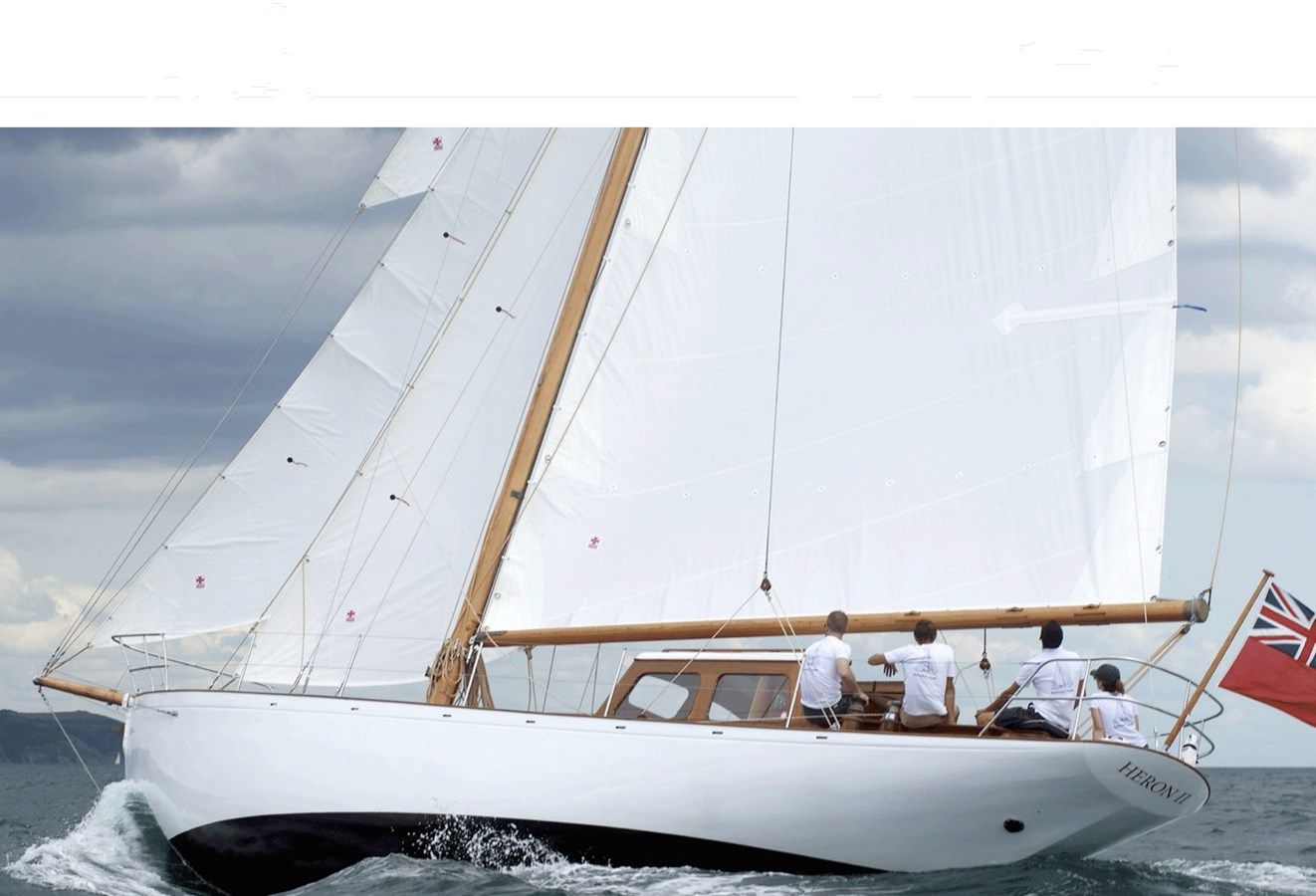
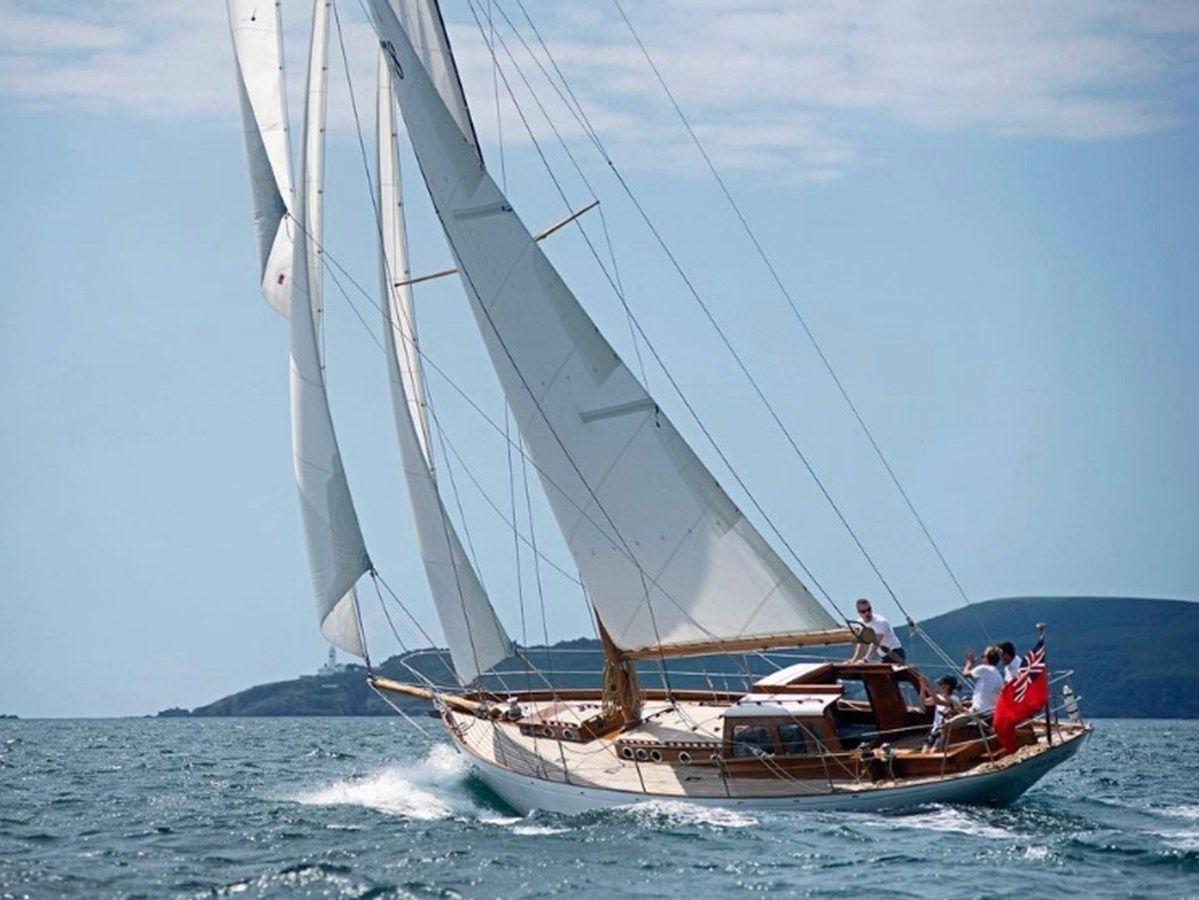
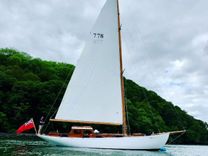
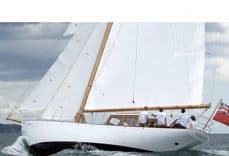
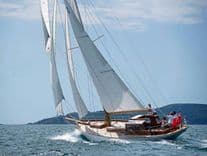
Recipient of Classic Boat’s 2020 Restoration of the Year, Heron II is a graceful 1936 Fred Shepherd creation, renewed with contemporary craftsmanship to meet modern expectations. A classic sailing yacht with the poise of a luxury cruiser, she parts the sea with spirited pace—commended by Uffa Fox in his book, Racing, Cruising and Design—and offers a generous, light-filled interior with chic, practical accommodation. Thoughtfully refashioned inside and out, this vintage yacht is a sympathetically evolved original, completed to an exceptional standard that honours her heritage while enhancing capability.
Detailed Description
General
Winner of Classic Boat’s Restoration of the Year 2020, Heron II is a beautiful 1936 Fred Shepherd design, revived with a modern touch to meet the desires and capabilities of today. She slices through the swell with a “good turn of speed,” as reported by Uffa Fox in Racing, Cruising and Design, and she is roomy and bright within, with a stylish, practical living space. Inside and out, she is a thoughtfully evolved classic, finished to a high standard in keeping with her original build and spirit.
General specification
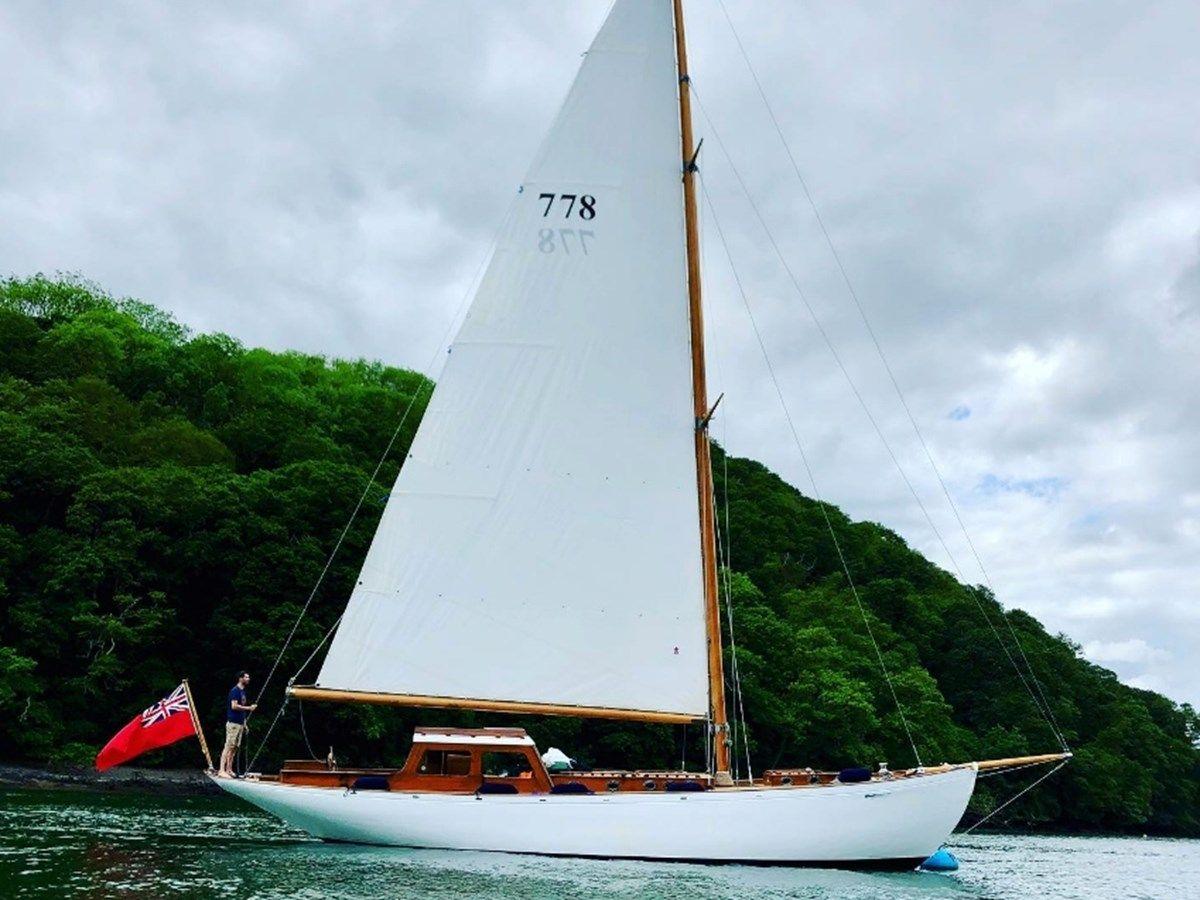
Heron II is a 1936 Fred Shepherd design, built by Woodnutt & Co on the Isle of Wight for Stanley W Cooper to Lloyds’ highest standard (100A1), and she is a registered National Historic Vessel. Length overall is 52' 0", with 46' 3" on deck, an 11' 4" beam, and a 6' 6" draught. Sail area is 1,041 sq ft, and her rig is a Bermudan cutter.
Construction
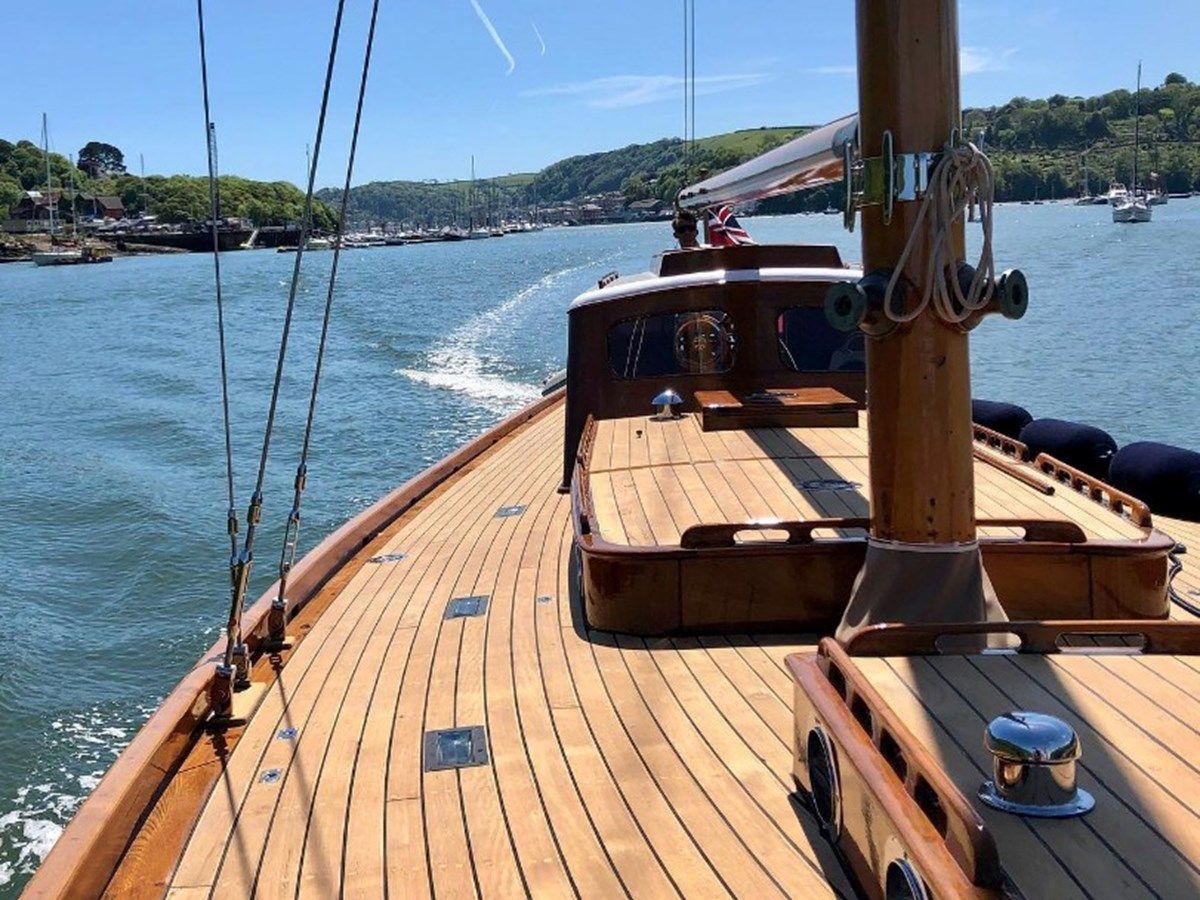
Heron II is built with 1 1/4" Burma teak planking, copper fastened throughout. Her frames are of well-grown English oak with one steamed American elm between each, the sternpost in Burma teak, the stem in English oak, and the beam shelf and stringers in pitch pine. The main keel is English elm. The external ballast keel is 7 1/4 tons of lead, fastened to the keel with 1 1/4" naval brass bolts, complemented by a further 1 ton of internal lead pigs. The rudder is Burma teak with bronze fittings. The laid deck, brightwork, and much of the exterior joinery are Burma teak, while the spars are in silver spruce.
Deck layout and equipments
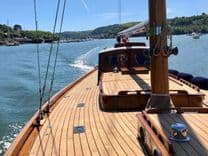
Heron II presents a minimalist, impeccably clean deck plan featuring stainless steel cleats and fairleads. In the cockpit, Lewmar self-tailing winches bring modern ease, complemented by original winches on the mast. A stainless steel pulpit and pushpit, stainless stanchions on bronze stanchion bases, and chrome‑plated mushroom ventilators, vents, and portlights speak to a meticulous specification. A stainless steel mast band and gooseneck complete the spar fittings. Ground tackle is handled by a Lofrans stainless steel X3.5 windlass and 60 m of 12 mm chain feeding a 22 kg CQR anchor, while a stainless steel cranse iron incorporates two large mooring cleats. Eighteen portlights have been newly chromed with new glass and seals, and an aft deck shower adds welcome convenience.
Accommodation and equipment
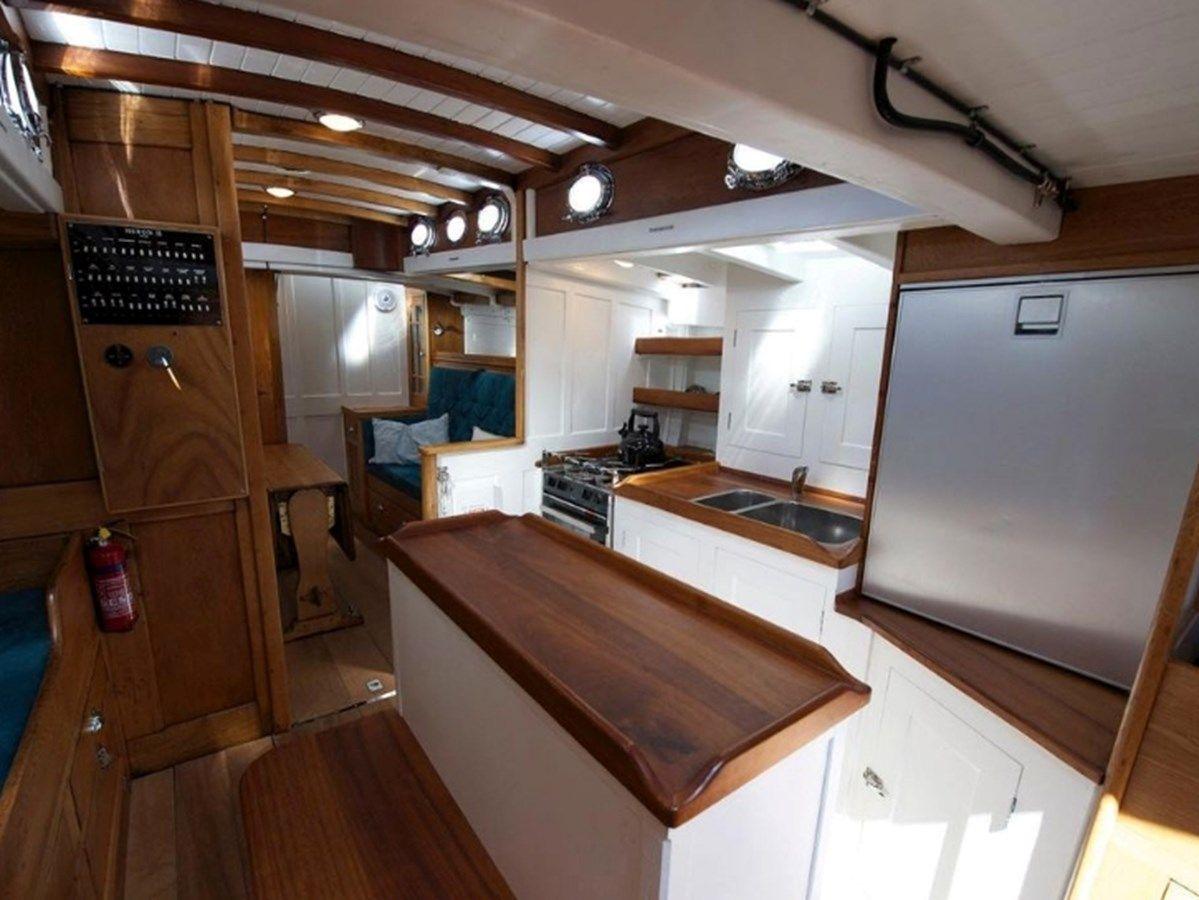
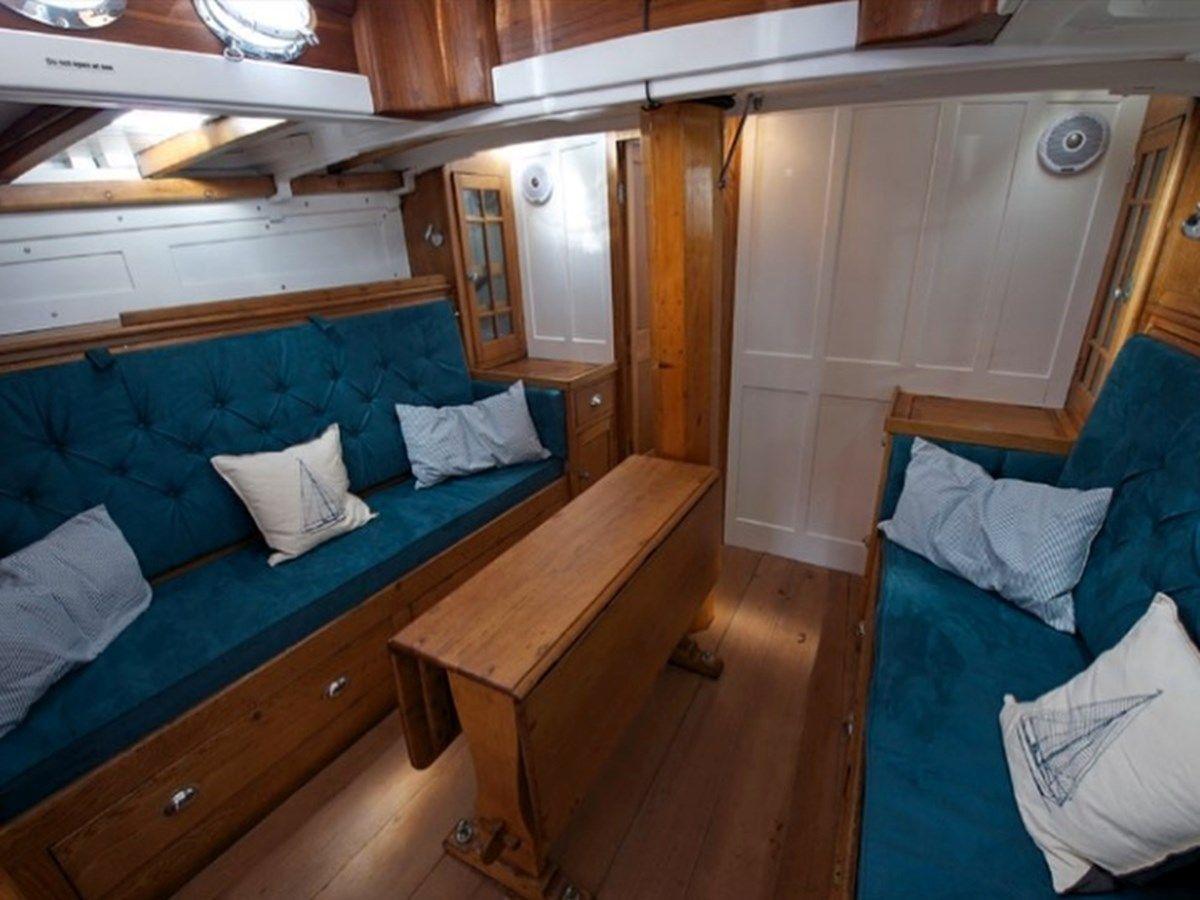
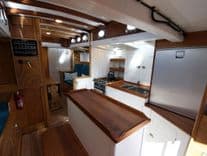
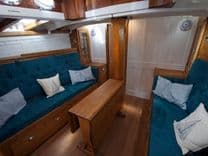
A bright deckhouse with a fold‑out table welcomes you aboard. Aft are three permanent single berths, while opposite the galley a drop‑down chart table serves navigation duties. Forward, the bow cabin offers a double berth that can be converted to a V‑berth, and in the saloon two further berths convert as required. The saloon also retains the original gimballed oak table, a centerpiece of character. The fully equipped galley features a one‑and‑a‑half sink with mixer tap, a 130 liter Isotherm refrigerator with a 6 liter freezer compartment (Webasto Cruise Elegance CR130), and a Domestic Moonlight 3 gimballed cooker with three burners, oven, and grill with electric spark, while four Camping Gaz 904 bottles are secured in the gas locker. The heads retain the original Blake toilet with a shower/basin tap, and a large lazarette offers generous stowage.
Rigging sails and covers
Heron II benefits from 1×19 stainless steel standing rigging with Sta‑Lok fittings fitted in 2020, and classic‑look Marlow running rigging from 2020, with Dyneema running backstays and quality blocks correctly sized throughout. Chainplates are stainless steel (2020), as are the masthead, gooseneck, and mast band (2020), with a new bowsprit cranse iron and heel in 2020. Her working sails include a mainsail, staysail, jib, and jib top by Crusader Sails (all 2020, Dacron, white) with leather detailing, complemented by a North Sails masthead asymmetric spinnaker from 2016 with snuffer in blue and yellow, and a green balloon foresail by Ratsey and Lapthorne, year unknown; all sails are supplied with appropriate sail bags. Covers include a Crusader Sails boom and mainsail cover from 2020 in hemp colour, a full sun awning running from bow to stern, split into two sections forward and aft of the mast in beige, plus beige covers for the fore hatch, midships hatch, and life‑raft.
Mechanical, electrical and tankage
Power is by a 65 hp Ford FSD engine with only 400 hours, consuming about 3 lph at 2000 rpm for approximately 6 kn. Cooling is via a Jabsco water pump, fuel is polished through two filters—Racor primary and micro secondary—with a Vetus 330 water strainer. The gearbox is a Newage PRM 150D supplied new with the engine, driving a three‑blade fixed prop through a 316 stainless steel shaft. Steering is by Edison patent oscillating gear. The rudder is a single forward‑pivoted raked blade in Burma teak, with a through‑deck and hull stock in forged bronze, upper stuffing gland and lower bearing, and a bottom pintle located in the timber keel; the blade is cut away to accommodate the centreline propeller, and an emergency tiller mounts to the top of the rudder stock. All seacocks are by Blake. The yacht has been fully rewired with tinned marine cable and fitted with new batteries: five 95 Ah Exide AGM house batteries in the galley island unit and one 95 Ah Exide AGM engine battery under the sole boards, managed via a BEP battery distribution cluster. Charging is by a 75 Ah alternator, with a Victron MultiPlus inverter/charger rated at 1600 VA and a Victron BMV‑700 battery monitor/display. There are three double plug points with integrated USB outlets, and a Marinco stainless 230 V 16 A shore power inlet socket in the cockpit. Hot water is provided by a Surecal 40 litre calorifier with a 1 kW immersion heater, buffered by two 5 litre expansion tanks. Fresh water storage totals 400 litres in two Vetus polyurethane tanks under the saloon sole plus one flexible tank in the bow. Fuel is in a stainless steel tank under the cockpit sole with a capacity of 100 litres. All pipework throughout Heron is new and of the best marine quality.
Navigation and electronics
At the helm, a B&G Valcun 9 plotter carries European C‑Map charts, backed by a B&G Triton2 cockpit display. Apparent wind is by a B&G WS320 wireless masthead sensor, while depth, speed, and temperature are via a TriData DST800 transducer. Communications include a B&G V50 VHF with DSC, an Em‑Trak B‑100 AIS with splitter, and an ICOM M25 handheld VHF, while a cockpit compass provides trusted redundancy. Entertainment is by a Fusion BB100 Black Box stereo, wireless and dual‑zone, driving two Fusion speakers in the cockpit and two in the saloon. Lighting and signaling are all‑LED where appropriate: a Lopolight masthead tricolour, Lopolight bow and stern lights, Lopolight spreader lights, an LED anchor light, a mast steaming/deck light, cockpit lighting, and warm white and red interior LEDs with dimmable spotlights. Deck systems include a Lofrans X3.5 stainless windlass. Fresh water is managed by a Whale WaterMaster automatic pump with strainer, grey water by a fully automatic Whale IC pump requiring no holding tank. Bilge management comprises a Rule Mate 2000 automatic pump with manual override and a cockpit‑operated manual Whale Gusher Urchin, supported by a Rule high‑water alarm. Safety monitors include Pilot gas alarms, a smoke alarm, and a CO2 alarm, all governed through a custom switch panel.
Safety & security equipment
Safety equipment is comprehensive: an EPIRB Ocean Sig Rescue ME 406 Cat2 GPS stands ready, supported by an Ocean Safety 8C Charter ISO life‑raft for eight persons to ISO/ORC, with the next service due 31/07/22, released by a Hammer hydrostatic unit. Nine KRU Sport 185 automatic life‑jackets with harnesses are paired with Baltic elasticated safety lines. Recovery and signaling include a Jonbuoy DanBuoy and horseshoe, plus an additional Jonbuoy DanBuoy, and an ICOM M25 handheld VHF. Fire protection comprises a 1 kg automatic clean‑agent engine extinguisher, two Gloria 1 kg powder extinguishers, and a fire blanket. A fog horn with canister set, a Kim safety ladder, and an emergency radar reflector add further security. The grab bag to Solas B standard is provisioned with Ikaros flares, six in number, parachute rockets, four in number, and buoyant smoke, two in number, alongside water and food rations, ten thermal protective aids, a Category C first aid kit with manual, an emergency VHF antenna, an anchor ball and motoring cone, emergency navigation lights, softwood bungs, an 18 m floating line, jackstays and a D‑ring in the cockpit, signaling flags, and a Working Boat Code training manual.
Miscellaneus
Practical touches include a stainless steel swim ladder with five rungs, a seven‑foot teak boat hook, five winch handles, six blue fenders with socks, and a full complement of mooring lines.
Restoration
The restoration of Heron II took place over four years (2016–2020) and encompassed a full refurbishment of the original teak deck to restore watertight integrity, minor structural work to the hull to remedy damage caused by the previously open deck, a complete strip‑back and fresh paint and varnish inside and out, and a full interior overhaul. She was converted from a ketch back to her original Bermudan cutter configuration, as shown in Fred Shepherd’s designs in Racing, Cruising and Design and in our archive imagery. Structural works included a new teak bow king plank and capping rail, with a new laminated breast hook; two frame tops were replaced in the bow and two frame bottoms aft, all in oak; and the deck was re‑splined. On the keel, naval brass keel bolts were removed and polished, with washers replaced as necessary, and the garboards were re‑caulked. The topsides were stripped and repainted in International Mediterranean White, all skin fittings removed and restored or replaced where needed, the toe rail refastened, and a new teak capping rail and king plank fitted. The deck was refastened, splined, and re‑caulked, with a new teak cockpit sole, new winch bases, and all deck prisms re‑bedded. In the deckhouse, new toughened glass windows were installed, a new gas locker with in‑line valve, pressure tester, and Pilot alarm was created under the table with a drain to open deck, and the engine ignition and control panel were moved to the deckhouse. The helm and steering system were restored, cleats and fairleads reorganised and replaced in stainless steel, all chrome work re‑chromed, and the pushpit, pulpit, and stanchions removed, polished, and re‑bedded on new deck plates. The windlass and anchor system were replaced with a Lofrans X3.5 windlass and 60 m of 12 mm chain running into a new chain locker in the forward cabin and a 22 kg CQR anchor. Spars saw the mast stripped, the bronze mast track refastened, and new stainless steel masthead and mast band/gooseneck fitted. A new bowsprit cranse iron and heel were made, incorporating a staysail stay fitting and two large mooring cleats. A new boom—acquired from the mast of David Dimbleby’s yacht Rocket—was fitted with three reef points and a new bronze track, while the original engraved “Heron II 1936” boom end cap was preserved. The rig was returned to its original layout with the mizzen mast removed, all new stainless steel 1×19 standing rigging with Sta‑Lok bottle screws and fittings and new chainplates installed, together with all new classic‑look running rigging and new blocks. Inside, every square inch down to the bilge was taken back to bare wood, then finished in the best quality paint and varnish, the bilge re‑pitched, and a satin varnish adopted throughout. The interior layout was opened up for better movement and light, and the galley moved aft for improved stability under sail, with a new galley, full‑size Isotherm fridge, and a new island unit/worktop encasing the engine and house batteries and serving as a seat for the drop‑down chart table above the berth. A new heads was created while maintaining the original Blake toilet, and a new double bow cabin constructed that can adapt to a V‑berth. All original oak interior panel boards, berths, under‑drawers, and the gimballed table were restored. New mattresses and upholstery were installed, and all sole boards replaced except in the saloon. Electrically, all wiring was stripped out and replaced with modern tinned marine cable and new equipment as specified in the electrics section. Mechanically, the engine and gearbox, with only 400 hours, were removed during the restoration and received a new cam‑belt, starter motor, alternator, water pump, oils and filters, pipework, and a calorifier with electric immersion; the prop and shaft were removed, cleaned, and refitted, and the steering gear removed and restored. Her history is distinguished: she is a well‑respected vessel with registered National Historic Vessel status, built in 1936 to Lloyds 100A1 for Stanley W Cooper. Upon launch, Uffa Fox dedicated a full chapter to her in his 1937 book Racing, Cruising and Design. The present owner, Aaron, first discovered classic sailing at the age of seven aboard this very vessel when she lay on the Isle of Wight and was owned by a family friend, Michael Clark, a radio engineer; Michael and Heron II were featured in Yachting Monthly in 1984. It is believed that Heron II once broke the Isle of Wight to Scilly Isles race record. Enthusiasts who sailed aboard her in past decades have since contacted us to fill gaps: Michael purchased Heron in 1984 from Christopher Smith, and before that, in the early sixties to mid‑seventies, she was owned by John Morris of the Gosport shipyard John Morris & Co, which built minesweepers during the war; at some point she was converted to a ketch with a mizzen mast. Aaron built a career as a yacht skipper before taking on Heron II’s restoration in 2016, sailing her from the Isle of Wight to Dartmouth. He won the Restoration of the Year Award 2020 for bringing her back to life, following an extensive feature in Classic Boat magazine in March 2020. While based in Devon, Heron was used in a photo‑shoot and video for an Adidas and Palace clothing commercial. Heron II then departed British waters for Cannes in the South of France, ready for charter.
Specifications
- Accommodations:
- 5 staterooms
- Length:
- 52' (15.85m)
- Beam:
- 11' (3.47m)
- Year Built:
- 1936
- Builder:
- WOODNUTT AND CO
- Category:
- Sail yachts
- Engines:
- 1 engines Ford
- Cruise Speed:
- 6 Kts.
- Location:
- France



Yacht name «HERON 2» – WOODNUTT AND COis for sale and located in Cannes, France
Sail yachts «HERON 2» built by manufacturer WOODNUTT AND CO in 1936— available for sale. Yacht location: France. If you are looking to buy a yacht «HERON 2» or need additional information on the purchase price of this WOODNUTT AND CO,
please call: +1 (954) 274-4435 USAOnly deal with professionals!