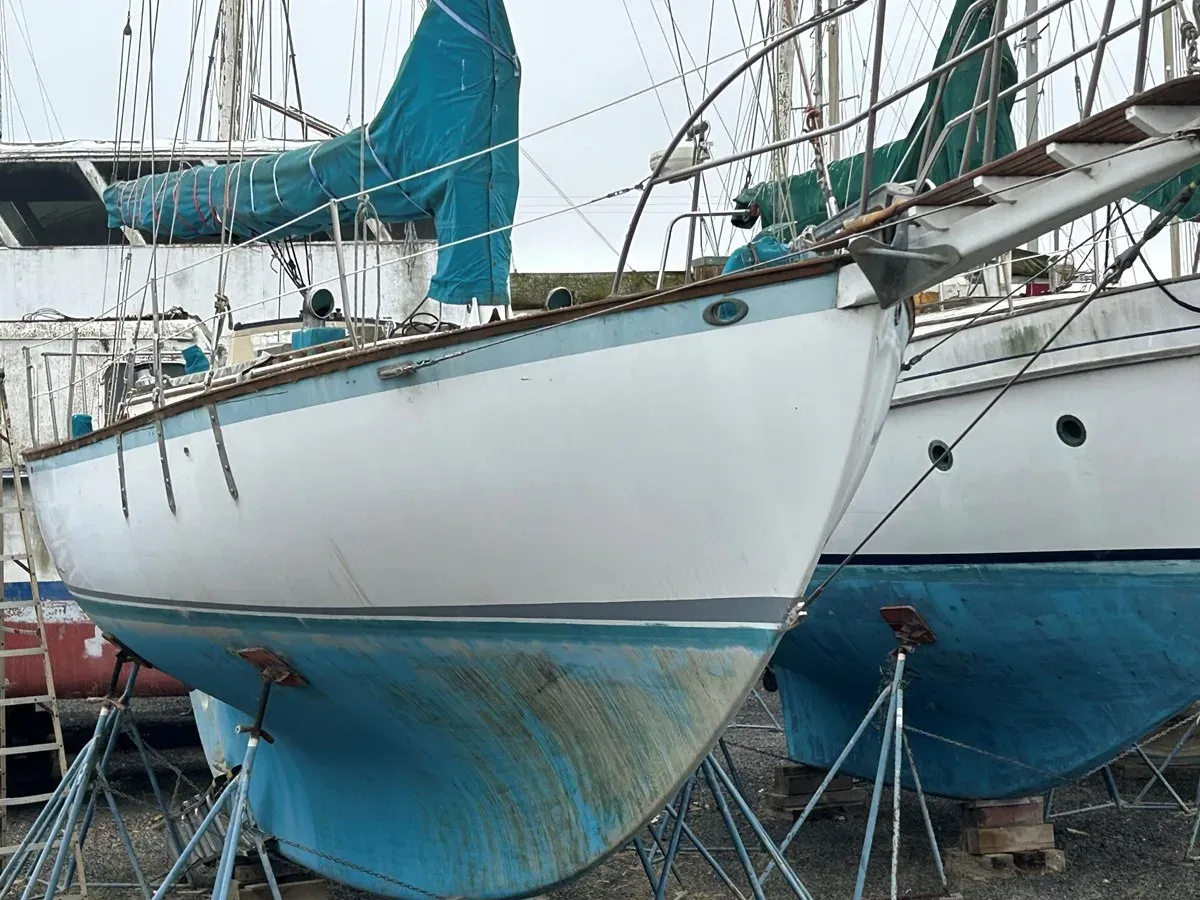
background image
Licensed Yacht BrokersSales and service of yachts and ships

N/A - For Sale

Alajuela Yacht Corp

Company History

Alajuela Yacht Corporation emerged during the mid-1970s, a period in which American bluewater cruising was undergoing a renaissance fueled by new fiberglass construction techniques and a growing cultural appetite for self-reliant ocean voyaging. The company built its reputation on solidly constructed, traditionally styled cruising sailboats with canoe sterns and full keels—yachts that prioritized seaworthiness, heavy-weather capability, and ocean-crossing range ahead of dockside fashion or racing performance.

The firm’s best-known model is the Alajuela 38, a heavy-displacement, double-ended cutter that quickly earned a following among serious offshore sailors. In contrast to production cruisers that emphasized interiors for marina living, the Alajuela 38 was laid out to move safely at sea: deep, secure cockpits; sea berths; stout handholds; and a conservative rig that could be shortened down for gale conditions. The boat’s lines echoed the North Sea and Colin Archer traditions filtered through American naval-architecture sensibilities of the mid-20th century—aesthetic and functional choices that connected Alajuela to a lineage of proven ocean voyagers.

After the 38, the company also offered the Alajuela 33, following the same philosophy in a slightly smaller package. Across both models, the brand leaned into hand craftsmanship, substantial scantlings, and customization. Interiors were frequently finished in warm, oiled teak with joinery details that signal careful, small-shop workmanship rather than high-volume assembly. Buyers often specified engine brands, rig hardware, and some layout details, and it was not uncommon for hulls to be sold at varying stages of completion typical of the era’s semi-custom approach.

Although exact production numbers and a fully documented corporate chronology are not widely published, the arc followed a familiar pattern seen among several boutique West Coast yacht builders of the period. The late-1970s were buoyant, but the early-1980s recession and rising interest rates dampened demand for heavy-displacement cruisers, particularly those requiring labor-intensive craftsmanship. As tastes shifted toward lighter, faster, and more cost-efficient cruisers, the market narrowed for Alajuela’s traditional offerings. Over time, Alajuela Yacht Corporation’s original operations wound down, leaving a legacy centered on a limited number of well-regarded offshore yachts that continue to attract bluewater sailors on the brokerage market.

In practical terms, the company’s milestones are best understood through its models:

  • Introduction of the Alajuela 38: Established the brand’s identity—robust construction, double-ended hull form, cutter rig, and an interior suited to extended passagemaking.
  • Expansion to the Alajuela 33: Provided a slightly smaller, more accessible platform with the same offshore DNA, further cementing the company’s reputation among independent cruisers and aspiring passagemakers.

From the outset, Alajuela’s mission was not mass production but quality over quantity, a philosophy visible in the boats that remain afloat decades later and in the loyalty of owners who continue to sail them across oceans.

Country of Origin

United States

Manufacturing Locations

Alajuela Yacht Corporation operated in Southern California, a region that, in the 1960s through the 1980s, became a crucible for fiberglass boatbuilding and the birthplace of many iconic cruising sailboats. This ecosystem included a dense network of lamination shops, spar and rigging specialists, foundries, and marine hardware suppliers—an environment that supported Alajuela’s handcrafted approach.

Consistent with West Coast practice of the era, Alajuela’s hulls were laid up in fiberglass by hand, emphasizing strength and longevity. The deck structures were typically cored for stiffness and weight distribution, while the hulls were generally solid glass to withstand the stresses of offshore service and occasional groundings. Joinery and systems installation took place in the same Southern California industrial corridors that housed many of the region’s marine trades. This proximity let Alajuela collaborate closely with local craftsmen, adjust to custom requests, and maintain oversight of quality through each build cycle.

While production volumes were modest, the concentration of skilled trades helped the company produce yachts with an artisanal feel—hand-finished interiors, careful deck hardware installation, and robust rigging arrangements that reflected the realities of ocean sailing rather than show-floor gloss. Boats were often delivered as complete builds, though some left the yard in semi-complete stages for final fit-out, a practice not uncommon among boutique builders of the time.

Reputation and Quality

Within the bluewater cruising community, Alajuela occupies a respected niche: classic, long-keel, double-ended cutters with a reputation for composure when the barometer drops. Owners choose these boats because they value seakindly motion, structural robustness, and practical systems over raw speed. The company’s yachts were conceived to cross oceans dependably and to be maintained by experienced owners far from marina infrastructure.

Key aspects of Alajuela’s reputation and quality include:

  • Offshore-first design philosophy:

    • Hull form: Alajuela hulls emphasize directional stability and a predictable motion at sea. The double-ended stern, full keel, and protected rudder help the boats track well downwind, minimize broach tendencies, and provide a forgiving ride in beam seas.
    • Rig and sail plan: Most examples were rigged as cutters with a manageable mainsail and multiple headsails. This enables versatile sail combinations and easier heavy-weather management. In escalating conditions, crews can shorten down systematically without losing balance.
    • Deck and cockpit: Hardware placement, traveler and sheet leads, and the depth of the cockpit reflect an offshore mindset. Cockpits are often deep enough to feel safe and snug, with bridgedecks and high coamings to mitigate green water boarding.
  • Structural integrity:

    • Lamination: The hulls are known for generous fiberglass layups by modern standards, reflecting an era in which scantlings favored strength and longevity. This gives many Alajuelas the “hewn from granite” feel that bluewater sailors prize, albeit at the expense of lighter-air performance.
    • Deck and hardware: Through-bolted hardware with substantial backing plates is typical, as is robust chainplate engineering and conservative rig loads. These choices reduce the risk of fatigue-related failures during long passages.
  • Interior craftsmanship and offshore layouts:

    • Joinery: Interiors commonly feature rich teak joinery with durable finishes that gracefully absorb the scuffs and knocks of life at sea. Lockers, fiddles, and handholds are positioned with a sailor’s perspective—secure stowage and safe movement at heel were deliberate design goals.
    • Sea berths and galley: Owners frequently praise galley arrangements that allow bracing on either tack and the presence of true sea berths with lee cloths, making rest underway viable. Navigation stations tend to be practical and well-proportioned for paper charts and modern electronics retrofits.
  • Bluewater track record:

    • Passagemaking: Individual Alajuela yachts have completed long ocean passages, including Pacific and Atlantic crossings, island-hopping in remote archipelagos, and seasonal trades routes. While the brand did not chase racing silverware or boat-show glamour awards, its boats built their reputations where it matters most—in difficult miles sailed far from home ports.
  • Owner community and long-term value:

    • Enthusiast following: A dedicated owner base shares maintenance tips, refit advice, and voyage logs. This informal knowledge network helps sustain older yachts, increasing confidence for buyers entering the brand on the brokerage market.
    • Resale and longevity: Well-cared-for examples hold their value relative to age, a testament to their construction and the enduring appeal of traditional, seaworthy cruisers. Buyers often arrive at Alajuela after evaluating a range of classic bluewater designs and deciding that offshore pedigree and solidity outweigh the allure of lighter, faster, or more voluminous alternatives.
  • Real-world compromises and considerations:

    • Performance profile: The same factors that make an Alajuela confidence-inspiring offshore—displacement, long keel, heavy scantlings—also mean these boats are not sprinters. In light air, sail area-to-displacement ratios and wetted surface can produce modest speeds until the breeze fills in. Cruising sailors who prize comfort and reliability over velocity tend not to mind.
    • Maintenance: Many boats feature substantial exterior teak and bronze fittings that reward attentive care. Keeping wood varnished or oiled and metalwork serviced is part of the ownership rhythm. For purists, this maintenance is integral to the boat’s charm; for others, it is a trade-off to be weighed.
    • Systems access: As with many traditional 1970s/1980s cruisers, engine access and systems routing can be tighter than on some modern designs, especially when retrofitting larger alternators, watermakers, or air-conditioning. Experienced owners typically plan refits with serviceability in mind.
  • Comparative standing among peers:

    • Within the family of classic cruising cutters—think West Coast and Far East–built double-enders from the same era—Alajuela stands out for its thick hull laminates, conservative rigs, and interiors that feel purpose-built for sea time rather than marina living. Compared to more performance-oriented cruiser-racers, an Alajuela will feel steadier and more deliberate. Against lighter, higher-volume modern cruisers, it gives up interior breadth and speed in exchange for a reassuring, traditional motion and the comfort of knowing the boat was designed to cope with squalls, not just sunny weekends.
  • Suitability for mission profiles:

    • Liveaboard voyaging: Those planning to cross oceans at a relaxed pace, spend extended periods off-grid, and anchor in far-flung places will appreciate the boats’ tankage potential, storage volume, and sea berths. The layouts lend themselves to practical living with fewer compromises when the boat is moving.
    • Coastal and seasonal cruising: Owners who mostly day-sail and coastal cruise still enjoy Alajuela’s comfort and character, though they should anticipate reefing early in building breezes and seeking larger sail plans or light-air sails (e.g., drifters, Code sails) to stay lively in gentle conditions.
    • Refit potential: Many surviving examples have been thoughtfully updated with modern electronics, improved deck hardware, solar arrays, and renewed standing rigging. The underlying structure supports such investment, enabling a new chapter of reliable service decades after launch.
  • Brand ethos and legacy:

    • Alajuela Yacht Corporation earned respect not through mass production or widespread marketing, but by delivering boats that delivered on their promise offshore. The brand’s low production numbers and artisanal approach mean that today each surviving Alajuela has its own history—refits, voyages, and ownership stories that enhance the collective identity of the marque.
    • While not a household name outside dedicated cruising circles, Alajuela is spoken of with quiet admiration by those who value traditional seamanship, conservative design, and the calm confidence that comes from sailing a boat intended, from keel to truck, to go the distance.

In sum, Alajuela Yacht Corporation’s reputation rests on a simple proposition executed well: build strong, seakindly, cutter-rigged cruising yachts that can shoulder the burden of bluewater miles. The company’s boats do not shout their virtues; they demonstrate them, passage after passage, year after year. For sailors who share that philosophy—and who understand the maintenance, pace, and seamanship that come with it—an Alajuela remains a deeply satisfying choice.

Main Competitors

Alajuela Yacht Corp operated in the heart of the 1970s–1980s bluewater-cruiser boom, addressing a niche of sailors who valued traditional, ocean-capable, heavy-displacement cruising sailboats with canoe sterns and conservative sail plans. In that landscape, the company’s most recognizable models—the Alajuela 38 and the later Alajuela 33—were frequently evaluated alongside several well-known competitors that targeted the same long-distance cruising customer. The following companies and models are widely recognized as Alajuela’s principal competitors in design ethos, market positioning, and buyer consideration sets during the period:

  • Westsail Corporation (notably the Westsail 32, and to a lesser extent the W42/W43)

    • Westsail’s 32-foot double-ender became iconic of the back-to-the-sea movement in North America and is often credited with catalyzing the 1970s offshore cruising renaissance. The brand’s emphasis on rugged construction, simple systems, and a full-keel underbody put it squarely in the same conversation as Alajuela’s boats. Many buyers cross-shopped a Westsail 32 against the Alajuela 38 when evaluating comfort, safety, and traditional aesthetics versus size, tankage, and passagemaking ambitions.
    • Westsail also played in the semi-finished/owner-finished segment (particularly with the W32), a dynamic that shaped the competitive landscape for traditional cruisers in the U.S. market by affecting perceived value and entry price.
  • Hans Christian Yachts (HC 38/41/43 series)

    • Hans Christian models, designed and marketed with long-range voyaging in mind, share the double-ended aesthetic and ocean-cruising focus, making them a very close peer group to Alajuela’s offerings. Known for ornate teak joinery, deep storage, and stout scantlings, Hans Christians appealed to buyers who prioritized old-world craftsmanship and a robust, seakindly ride. The HC 38, in particular, was often compared to Alajuela’s 38 when sailors were deciding between West Coast American builds and high-quality Taiwanese-built alternatives.
  • Pacific Seacraft (Crealock 37 and later the Crealock 34)

    • Pacific Seacraft combined traditional, seakindly hull forms with refined construction and excellent engineering. The Crealock 37, with its proven offshore record and canoe-stern profile, consistently appeared on the same short list as the Alajuela 38 for sailors who wanted a balance of offshore durability, good manners at sea, and enduring resale interest. Pacific Seacraft’s reputation for quality control and conservative design made it a perennial comparison point.
  • Tayana (Tayana 37)

    • The Tayana 37 became one of the most prolific bluewater cruisers in its size range. It fed the same appetite for traditional lines and long-distance comfort while offering competitive pricing and a wide array of interior configurations. For buyers weighing overall value, availability, and customization during the late 1970s and 1980s, the Tayana 37 was a frequent benchmark to measure against the Alajuela catalog.
  • Ta Shing-built Perry double-enders (Baba 30/35/40 and Panda 38)

    • Ta Shing’s builds—branded as Baba or Panda—are revered for their craftsmanship and classic double-ended hulls. Although some models are a bit smaller than the Alajuela 38, these boats appealed to the same sensibility: ocean passages in comfort, heavy-weather integrity, and artisanal interiors. Buyers evaluating fine joinery and long-term offshore suitability regularly considered Ta Shing’s Perry-designed boats alongside Alajuela.
  • Valiant Yachts (Valiant 40)

    • While the Valiant 40 was more performance-oriented than many traditional double-enders, it competed for the same bluewater buyer who wanted serious offshore ability, self-sufficiency, and proven passage records. For cruisers considering a faster passagemaker versus a more traditional heavy-displacement profile, the Valiant 40 was often the counterweight in the comparison against an Alajuela 38.
  • Mason (Mason 43/44)

    • Mason yachts offered stout, long-legged passages with conservative profiles and a reputation for endurance. They were part of the same broader category of ocean-capable, beautifully finished cruisers that appealed to buyers who might also be drawn to an Alajuela.
  • Cabo Rico (Cabo Rico 38)

    • The Cabo Rico 38, with its full-keel, heavy-displacement design and bluewater heritage, often came into view for the same sailors comparing Alajuela with other classically proportioned world cruisers. Its reputation for seakindly motion, traditional styling, and go-anywhere build made it part of the same conversation.

How Alajuela positioned within this set:

  • Design philosophy: Alajuela’s boats are best known for their traditional, canoe-stern profiles and conservative underbodies, favoring directional stability, load-carrying capacity, and kind motion in a seaway—traits that long-distance voyagers prioritize. This placed Alajuela squarely in the “classic bluewater” camp.
  • Build ethos: During the brand’s active years, buyers associated Alajuela with robust construction and serious passagemaking intent rather than lightweight coastal performance. Interior layouts and finishing typically reflected offshore practicality: abundant storage, secure galleys, sea berths, and attention to handholds and seagoing ergonomics.
  • Buyer calculus: Prospective owners weighing an Alajuela often compared:
    • Seakeeping and comfort (especially in big seas) against speed and pointing ability.
    • U.S. West Coast build and support ecosystem versus the established Taiwanese yards’ value proposition and craftsmanship.
    • Availability on the used market, refit needs, and long-haul self-sufficiency features such as tankage, ground tackle, and rig configuration.

Taken together, Alajuela Yacht Corp sat among a tight cluster of highly respected, ocean-tested brands that defined the golden era of traditional bluewater cruising sailboats. For sailors who wanted a vessel that would look after them across oceans and reward patient passagemaking, Alajuela’s models stood as credible, admired choices alongside the well-known names above.

Current Production Status

Production under the Alajuela Yacht Corp name is no longer active. The brand’s heyday was the late 1970s through the mid-1980s, a period when North American interest in traditional, heavy-displacement cruising sailboats was particularly strong. As market conditions evolved—shaped by macroeconomic factors, changing consumer preferences, and the rising competitiveness of overseas production—the company’s output tapered and ultimately ceased.

Key points about the current status:

  • Inactive brand: There is no indication in trade publications, contemporary boat show rosters, or new-build order books that Alajuela Yacht Corp is producing yachts today. The brand is widely regarded within the industry and among owners as a legacy marque.
  • Presence in the marketplace: Alajuela-branded boats remain visible in the brokerage market, especially in North America. Enthusiasts and ocean-cruising buyers still seek them out for their offshore pedigree. Some examples have circumnavigated or completed substantial bluewater itineraries, reinforcing the brand’s reputation among serious cruisers.
  • Refit and stewardship culture: The activity around the Alajuela name today centers on refits, upgrades, and ongoing stewardship. Owners and specialist yards focus on preserving the boats’ bluewater capability while modernizing systems where appropriate—typical areas include standing and running rigging renewal, powertrain updates, electrical system modernization, and improvements to deck equipment and ground tackle. The enduring appeal of these boats, even decades after production ended, reflects the strength of the original design philosophy.
  • Support ecosystem: While there is no original factory support, owners generally rely on independent naval architects, riggers, and shipwrights familiar with traditional full-keel cruisers, along with active owner communities, archives, and class-specific knowledge shared online and at cruising hubs. Because Alajuela yachts were built to conventional offshore standards and with broadly available materials for their time, most service and replacement needs can be met by skilled yards without access to proprietary factory parts.

Context on the broader market dynamic:

  • The traditional bluewater segment in which Alajuela competed remains vibrant on the used market. Buyers today often balance the allure of a proven heavy-displacement design with the realities of caring for a mature yacht—survey diligence and a long-term maintenance mindset are common themes among Alajuela owners.
  • The resurgence of interest in voyaging lifestyles has kept boats like the Alajuela 38 in steady demand among sailors who appreciate classic lines and ocean-crossing pedigree over modern styling and high-aspect performance. As such, while the Alajuela brand no longer manufactures new boats, its legacy continues through active use, careful refits, and a loyal following within the bluewater community.

In summary, Alajuela Yacht Corp is best understood today as a respected historic builder whose yachts live on through dedicated owners and specialists. There is no current production, but the marque retains strong credibility among sailors seeking traditional, ocean-proven cruisers.

Frequently Asked Questions

Question:Who is Alajuela Yacht Corp and what are they known for?
Answer:Alajuela Yacht Corp was a Southern California sailboat builder active primarily from the mid-1970s into the 1980s. The company became known for robust, long-range cruising yachts with classic double-ended (canoe-stern) hulls, full keels, and cutter rigs. Their boats emphasized offshore capability, seakindly motion, and traditional craftsmanship over contemporary race-oriented performance. The best-known models are the Alajuela 38 and Alajuela 33—both admired by bluewater sailors for their heavy-displacement comfort, stout construction, and practical, sea-going layouts.

Question:Are Alajuela yachts still in production?
Answer:No. Production ended decades ago. Today, Alajuela yachts are found exclusively on the brokerage and private resale markets. Because many examples have been carefully maintained and periodically refit, condition and specification can vary significantly from one hull to another.

Question:What design philosophy defines Alajuela sailboats?
Answer:Alajuela’s philosophy aligns with traditional, ocean-cruising seamanship: safe, predictable handling in open water; a comfortable motion profile for days or weeks offshore; and construction robust enough to withstand the rigors of passagemaking. You’ll see this in the long, full keels that track reliably, canoe sterns that soften following seas, cutter rigs that allow flexible sail plans across changing conditions, and cockpits designed to be safe and secure in bad weather. Interiors favor practical liveaboard features—secure galleys, proper sea berths, abundant handholds, and abundant stowage.

Question:What construction methods and materials were used?
Answer:Alajuela hulls were generally hand-laid fiberglass (GRP) with notably heavy laminates relative to their size class, reflecting a conservative, strength-first approach. Decks were typically cored (often with marine plywood in period construction), and many boats were originally delivered with laid-teak overlays on the deck and coachroof. Structural bulkheads are typically glassed to the hull and deck, and interior joinery was commonly done in solid or veneer teak, contributing to both strength and a warm aesthetic. Hardware and fittings were specified for offshore service, with substantial chainplates, cleats, and chocks typical of the era’s best bluewater cruisers.

Question:Are Alajuela yachts capable bluewater cruisers?
Answer:Yes. Alajuela yachts have long been chosen for ocean passages and extended liveaboard cruising. Key attributes include: high displacement-to-length ratios for load-carrying and a gentle motion; full keels that track well and protect rudders; cutter rigs that simplify heavy-weather sail handling; and deck/cockpit ergonomics that prioritize security. While not designed for speed records, they excel in making steady, comfortable miles with reduced crew fatigue—an important metric for real-world passagemaking.

Question:How do Alajuela boats sail and perform offshore?
Answer:Expect a steady, predictable helm with confident tracking under a variety of conditions. Compared to modern fin-keel, spade-rudder cruisers, an Alajuela will typically be slower in light air and upwind but will reward in terms of motion comfort and directional stability—especially reaching and running in a seaway. Heaving-to is typically well-mannered, an asset in heavy weather. Many owners pair them with windvane self-steering or robust autopilots for long passages.

Question:What are the typical rigs and deck layouts?
Answer:The classic Alajuela configuration is a masthead cutter with a bowsprit and, on many boats, a short boomkin aft for split backstays. The cutter rig offers a versatile sail plan: a high-cut yankee forward for visibility and reduced green water loading, a staysail on the inner forestay for balance and heavy-weather options, and a manageable mainsail. Decks often feature substantial bulwarks, wide side decks, stout handrails, dorade vents, and a compact, secure cockpit with efficient drainage. On original builds with laid-teak, deck grip and aesthetics are excellent, though maintenance is higher than modern non-skid composites.

Question:What interior layouts and liveaboard features are common?
Answer:Interiors typically include a forward stateroom (often a V-berth or pullman-style berth, depending on model and completion), a single head compartment, a seagoing galley (U-shaped or L-shaped), and a salon with opposing settees convertible to sea berths. Many layouts include a quarter berth or pilot berth, a dedicated navigation station, and extensive storage—lockers, drawers, and deep bins suitable for provisions and spares. Teak joinery lends a warm, traditional ambiance. Because some boats were semi-custom or completed by different craftsmen, exact layouts and details can vary.

Question:What engines were typically installed, and what should buyers expect today?
Answer:Original installations often included small to mid-sized diesel auxiliaries appropriate for heavy-displacement cruisers of the era. Common period engines included models from Perkins or Volvo Penta, and over the decades many boats have been repowered with modern diesels from manufacturers like Yanmar or Beta Marine. On the used market today, you’ll encounter a mix of original and repowered engines. Prospective buyers should evaluate engine condition, service history, mounts, shafting, exhaust runs, fuel system condition, and cooling arrangements as part of a thorough survey.

Question:What maintenance and survey items are specific to Alajuela yachts?
Answer:While every individual vessel is unique, experienced surveyors often focus on:

  • Deck cores around fasteners and fittings, especially where laid-teak overlays were installed, to check for moisture intrusion.
  • Chainplates and associated backing structures for corrosion and bedding integrity.
  • Mast step and partners for compression or water ingress.
  • Rudder and lower gudgeon/shoe areas for wear and water entry.
  • Fuel and water tanks (original materials and any signs of corrosion or leakage).
  • Bulkhead tabbing and structural joins for integrity.
  • Standing rigging age, wire condition, and terminal fittings. Many of these considerations are common to bluewater cruisers of similar vintage.

Question:How do Alajuela models compare to contemporaries like Westsail or other double-enders?
Answer:They inhabit similar bluewater territory: strong construction, traditional lines, and a focus on comfort and safety offshore. Compared to some heavy cruisers of the period, Alajuelas are often praised for refined detailing and interior finish. Performance differences come down to individual hull forms, displacement, and rig geometry, but expectations should remain in the “steady passagemaker” category rather than “performance cruiser.”

Question:Are these boats manageable for a couple or solo sailor?
Answer:Yes. The cutter rig, sensible deck layout, reliable self-steering options, and predictable heavy-weather behavior make Alajuela yachts popular with couples and experienced solo sailors. Many owners optimize for short-handed sailing with efficient reefing systems, well-led control lines, upgraded winches, and robust ground tackle.

Question:What upgrades commonly add value and safety to older Alajuelas?
Answer:Meaningful upgrades often include:

  • Repowering with a modern, appropriately sized diesel and new engine controls.
  • New standing and running rigging, modern chainplates, and quality sails (including storm canvas).
  • Re-bedded deck hardware and renewed core sections where needed.
  • Electrical system modernization (tinned copper wiring, updated panels, lithium or high-capacity AGM banks with proper charging, and LED lighting).
  • Safety systems (EPIRB, AIS, radar, modern nav suite, upgraded bilge pumping capacity).
  • Ground tackle suited to long-term cruising (oversized anchor, upgraded windlass, and adequate chain rode).
  • If equipped with laid-teak decks, careful refastening/rebedding or, in some cases, professional removal and replacement with modern non-skid.

Question:What kind of tankage and storage can be expected?
Answer:Tankage is generally generous for long-range cruising relative to boat length and displacement, with dedicated spaces for fuel and water sized for extended passages. Exact capacities vary by model and build, and many boats have seen tank replacements or upgrades over time. Storage is a strong point: deep lockers, cabinetry, and bilge spaces often allow carriage of spares, tools, and provisions consistent with ocean voyaging.

Question:What keel and rudder configuration do Alajuela yachts use?
Answer:The classic Alajuela profile is a long, full keel with a protected, attached rudder. This arrangement offers directional stability, a robust foundation for grounding protection, and mechanical simplicity. It does come with trade-offs: wider turning radii under power and less agility in tight marinas compared to fin-keel boats. Many owners feel the offshore confidence more than compensates for these compromises.

Question:What is the typical motion and comfort level at sea?
Answer:Alajuela yachts are known for a soft, predictable motion that reduces crew fatigue. Their displacement and hull form help them shoulder aside waves rather than hobbyhorse or slam. On a reach in moderate seas they tend to feel settled and secure, which is one reason they’ve earned a following among long-distance cruisers.

Question:How consistent are specifications from one Alajuela to the next?
Answer:Expect variation. While many boats were factory-finished, others saw semi-custom completion or significant owner upgrades over the years. Discrepancies in interior layout, hardware choices, tank materials, and even rig details are not unusual. A thorough, hull-specific survey and inventory review is essential to establish what any individual boat actually offers.

Question:What kind of sailor is an Alajuela best suited for?
Answer:An Alajuela suits the cruising sailor who prioritizes offshore safety, comfort over long passages, and traditional aesthetics. If you value a forgiving motion, heavy-weather capability, and a warm, timber-rich interior—and you accept that you won’t point or accelerate like a modern light-displacement cruiser—an Alajuela can be a deeply satisfying platform for serious voyaging or liveaboard life.

Available Models

  • Alajuela 38

    • Overview: The flagship and most recognized model, the Alajuela 38 is a classic double-ended, heavy-displacement bluewater cruiser. Its long full keel, canoe stern, and cutter rig embody the brand’s offshore ethos. Many examples have completed substantial ocean passages.
    • Length: Approximately 38 ft on deck; overall length can exceed 40 ft when accounting for bowsprit and boomkin.
    • Layout: Typically a forward stateroom, one head, a seagoing galley, opposing salon settees (often convertible to sea berths), and substantial storage. A quarter berth or pilot berth is common on many layouts.
    • Rig: Masthead cutter with bowsprit; inner forestay for staysail; manageable mainsail with robust reefing.
    • Engine: Single inboard diesel. Original installations often included midrange diesels of the era; many boats have been repowered with modern engines in the ~40–60 hp range, depending on propeller and displacement.
    • Performance: Designed for seakindly, steady passagemaking rather than sprinting. Typical sailing “top speeds” align with displacement hull-speed expectations for a vessel of this waterline length.
    • Notes: Fit and finish are generally high. Because some boats were semi-custom or owner-finished, interior details and tankage vary.
  • Alajuela 33

    • Overview: A slightly smaller sibling carrying the same double-ended profile and full-keel philosophy. The 33 offers much of the 38’s offshore temperament in a more compact package, favored by couples and solo sailors who want manageable size without sacrificing bluewater intent.
    • Length: Approximately 33 ft on deck; overall length increases with the bowsprit and any boomkin arrangement.
    • Layout: Typically one forward stateroom, one head, a functional seagoing galley, and a salon with settees designed for secure sea berths. A quarter berth is found on many examples. Stowage is generous for the length.
    • Rig: Masthead cutter, with sail area and gear sized for short-handed handling.
    • Engine: Single inboard diesel, usually smaller than those found in the 38. Many have been repowered over time with reliable 20–40 hp class diesels appropriate to the displacement.
    • Performance: Similar character to the 38—conservative sail plan, good tracking, manageable in heavy weather, and comfortable motion at sea. Hull-speed expectations are in keeping with a traditional heavy-displacement cruiser of this size.
    • Notes: As with the 38, specifications vary with year and completion. Buyers should survey for deck core health, chainplate condition, and fuel/water tank integrity, consistent with yachts of the era.

Important note on specifications: Because Alajuela yachts were produced during a period when semi-custom completion and owner-specified options were common, exact measurements (such as tank capacities), interior arrangements, and original equipment lists can differ between boats—even within the same model. When evaluating any specific Alajuela, rely on a current, professional survey and a detailed onboard inventory to confirm its exact configuration, equipment, and condition.

Read more
Advanced search
Found1yachts for sale
Sort by:
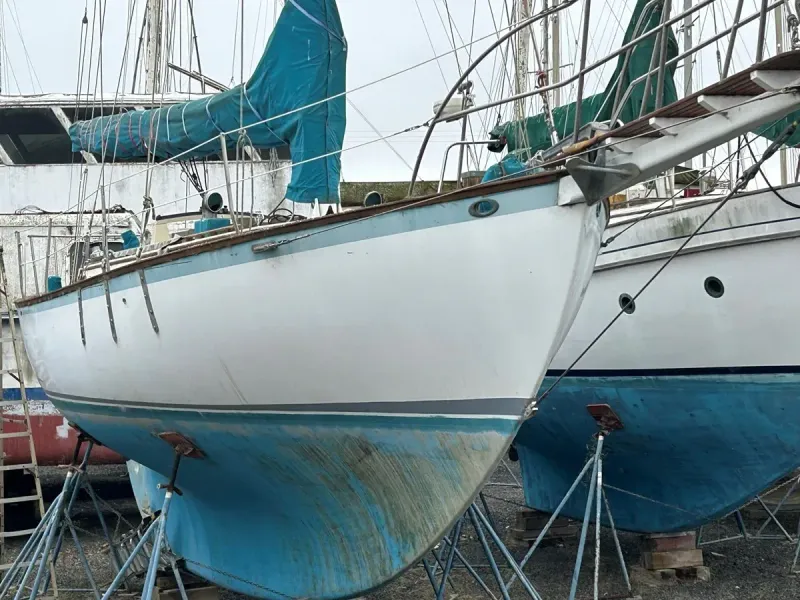
SIR TUFFY
SIR TUFFY
38N/A1977
$23,000 USD
Yacht search history
person

Learn more on the “N/A”

To learn more on the “N/A” or to get advice on how to buy or sell a yacht or get a great price for a yacht charter

please call +1 (954) 274-4435 USA

Only deal with professionals!
