
 Licensed Yacht BrokersSales and service of yachts and ships
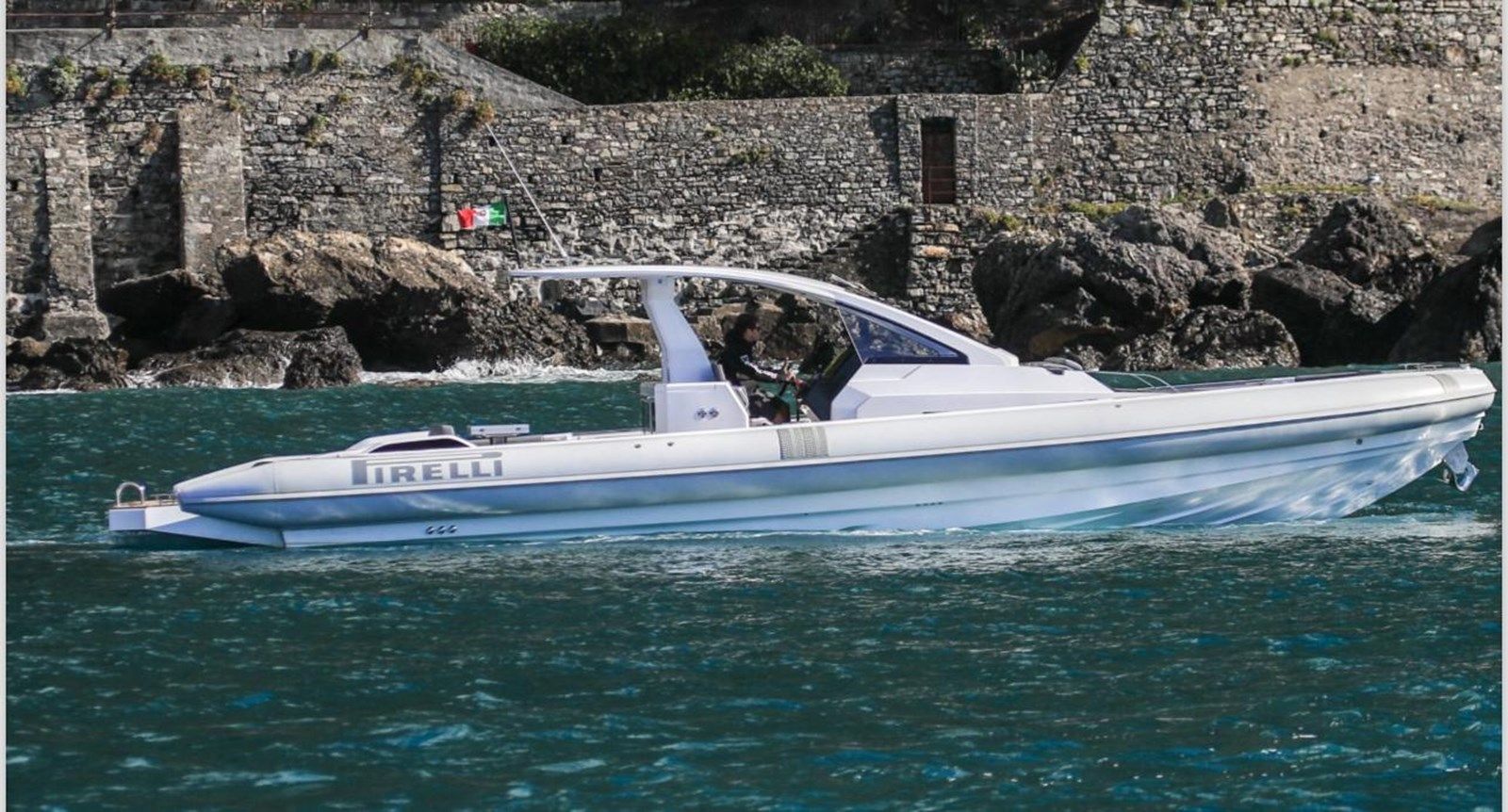
PIRELLI PZERO - For Sale
Sacs Tecnorib S.p.A. (Manufacturer of PIRELLI PZERO RIBs)
Company History
Sacs Tecnorib S.p.A. is the Italian manufacturer responsible for the PIRELLI PZERO range of rigid inflatable boats (RIBs). The company is the result of the integration of two specialized Italian players: Sacs and Tecnorib. Tecnorib was created in the mid-2000s with the specific mandate to design, build, and distribute high-performance RIBs under a long-term brand license from Pirelli, the renowned Milan-based company known for its motorsport heritage and product design. Under that license, Tecnorib launched the PIRELLI and PZERO lines, which quickly gained a reputation as stylish, fast, and luxurious RIBs favored as superyacht tenders, chase boats, and premium day cruisers.
In 2021–2022, Sacs and Tecnorib combined their capabilities, forming Sacs Tecnorib S.p.A. The new entity consolidated design, engineering, and production under one roof while maintaining the PIRELLI brand license and continuing the Sacs ranges. Over the years, the PIRELLI PZERO portfolio has evolved from sporty tenders to include larger walkaround day cruisers and chase boats, including the PIRELLI 30, 35, 42, and 50, which emphasize performance, seakeeping, and onboard comfort. The brand’s aesthetic and hydrodynamic solutions have been shaped through collaboration with acclaimed naval architects and designers, helping the boats stand out for their sleek lines and dynamic handling.
Today, Sacs Tecnorib is recognized as the exclusive producer of PIRELLI-branded RIBs, strengthening the legacy started by Tecnorib and leveraging synergies in industrial processes, distribution, and after-sales support. The company continues to present new models at leading international boat shows, underscoring a focus on innovation and premium craftsmanship.
Country of Origin
Italy. The PIRELLI PZERO RIB range is designed and manufactured in Italy under license from Pirelli.
Manufacturing Locations
Sacs Tecnorib’s industrial base is in Lombardy, northern Italy. Production, outfitting, and final assembly for PIRELLI PZERO models are centered in and around the company’s facilities in the Milan area, with a principal manufacturing and organizational hub in Roncello (Monza e Brianza). The company works with a network of specialized Italian and European suppliers for components such as tubes, composites, metalwork, upholstery, and electronics. Sea trials and testing are conducted in suitable Italian waters to validate performance, safety, and comfort. The Made in Italy identity is a key part of the brand’s positioning, encompassing both the craftsmanship and the industrial processes used to build the boats.
Ownership and Management
Sacs Tecnorib S.p.A. operates the PIRELLI-branded RIB business under a long-term global brand license from Pirelli & C. S.p.A. Through this license, Sacs Tecnorib is the official, exclusive producer of PIRELLI and PZERO RIBs, handling product development, manufacturing, and distribution. The company is managed by an experienced leadership team with deep expertise in RIB design, production, and international sales, drawing on the combined heritage of Sacs and Tecnorib. Details of individual board members or shareholders can vary over time; what is consistent is the strategic partnership with Pirelli for brand stewardship and design alignment, as well as the company’s tight integration of engineering, production, and customer support.
Reputation and Quality
Sacs Tecnorib’s PIRELLI PZERO boats are positioned in the premium segment of the RIB market. They are well regarded for their combination of Italian design, responsive handling, and high build quality. The PIRELLI PZERO line is especially popular as superyacht tenders and chase boats, where reliability, load-carrying ability, and seakeeping are paramount. Hulls draw on proven hydrodynamic research and performance know-how, while deck layouts prioritize safety, ergonomics, and comfortable social spaces.
The brand is known for meticulous construction, including composite hulls and decks built with advanced techniques, robust Hypalon/Neoprene tubes from specialist suppliers, and premium outfitting. Attention to detail extends to noise and vibration mitigation, clean installations, and service access. Many models are designed in collaboration with leading European design studios and naval architects, reflecting an emphasis on performance aesthetics and functional elegance.
Sacs Tecnorib maintains a strong presence at major international boat shows such as Cannes, Düsseldorf, Genoa, and others, and its boats are frequently reviewed by the marine press for their performance and styling. The company offers a comprehensive dealer and service network, especially around the Mediterranean, Northern Europe, and key export markets, to support commissioning, warranty, and after-sales needs. The PIRELLI PZERO line benefits from customization options for colors, materials, and onboard equipment, aligning with the expectations of private owners and professional users alike.
Sacs Tecnorib S.p.A. (Produttore dei RIB PIRELLI PZERO)
Storia dell’Azienda
Sacs Tecnorib S.p.A. è il costruttore italiano responsabile della gamma di battelli pneumatici a scafo rigido PIRELLI PZERO. L’azienda nasce dall’integrazione tra Sacs e Tecnorib. Quest’ultima, creata a metà degli anni 2000, ha ottenuto da Pirelli una licenza di marchio per progettare, costruire e distribuire RIB ad alte prestazioni. Con tale accordo sono state lanciate le linee PIRELLI e PZERO, rapidamente apprezzate come tender di lusso, chase boat e day cruiser di fascia premium.
Tra il 2021 e il 2022, Sacs e Tecnorib hanno unito le forze dando vita a Sacs Tecnorib S.p.A., che ha mantenuto la licenza del marchio PIRELLI a livello globale. La gamma si è ampliata con modelli walkaround come PIRELLI 30, 35, 42 e 50, caratterizzati da linee pulite, abitabilità e ottime prestazioni in mare. Le soluzioni progettuali riflettono collaborazioni con studi di design e architettura navale di primo piano, con attenzione a idrodinamica, sicurezza ed eleganza.
Paese di Origine
Italia. I RIB PIRELLI PZERO sono progettati e costruiti in Italia su licenza Pirelli.
Sedi Produttive
La base industriale si trova in Lombardia, nel nord Italia. Le attività di produzione e allestimento dei modelli PIRELLI PZERO sono concentrate nell’area di Milano, con un hub principale a Roncello (Monza e Brianza). L’azienda collabora con una filiera di fornitori italiani ed europei per componenti, tubolari, compositi, selleria ed elettronica. Le prove in mare vengono svolte in acque italiane per validare prestazioni e comfort.
Proprietà e Management
Sacs Tecnorib S.p.A. gestisce i RIB a marchio PIRELLI grazie a una licenza di lungo periodo concessa da Pirelli & C. S.p.A., che la riconosce come produttore esclusivo a livello mondiale. La direzione unisce competenze tecniche e commerciali maturate in Sacs e Tecnorib, con una forte integrazione tra progettazione, produzione e assistenza al cliente.
Reputazione e Qualità
I RIB PIRELLI PZERO si collocano nel segmento premium, con una reputazione consolidata per design italiano, qualità costruttiva e maneggevolezza. Sono molto richiesti come tender per superyacht e chase boat, grazie a capacità di carico, affidabilità e tenuta di mare. La costruzione impiega tecniche avanzate sui compositi, tubolari in Hypalon/Neoprene di alta qualità e allestimenti premium. Il brand è presente ai principali saloni internazionali e supportato da una rete di vendita e assistenza che copre Mediterraneo ed export strategici.
Sacs Tecnorib S.p.A. (Fabricante de RIB PIRELLI PZERO)
Historia de la Empresa
Sacs Tecnorib S.p.A. es el fabricante italiano responsable de la línea de semirrígidas PIRELLI PZERO. Nace de la integración entre Sacs y Tecnorib. Tecnorib se estableció a mediados de la década de 2000 con la licencia de marca de Pirelli para desarrollar RIB de alto rendimiento. Bajo esa licencia se lanzaron las gamas PIRELLI y PZERO, que se hicieron populares como tenders de superyates, chase boats y day cruisers de lujo.
Entre 2021 y 2022, Sacs y Tecnorib unificaron operaciones creando Sacs Tecnorib S.p.A., manteniendo la licencia global de PIRELLI. La oferta actual incluye modelos walkaround como PIRELLI 30, 35, 42 y 50, que combinan velocidad, estabilidad y confort a bordo, con diseños firmados por estudios europeos de prestigio.
País de Origen
Italia. La gama PIRELLI PZERO se diseña y fabrica en Italia bajo licencia de Pirelli.
Ubicaciones de Fabricación
La producción y el montaje se concentran en Lombardía, al norte de Italia, con un núcleo industrial en Roncello (Monza e Brianza) y soporte de una cadena de suministro especializada en Italia y Europa. Las pruebas de mar se realizan en aguas italianas para asegurar prestaciones y seguridad.
Propiedad y Gestión
Sacs Tecnorib S.p.A. opera la marca PIRELLI en RIB mediante una licencia a largo plazo concedida por Pirelli & C. S.p.A., actuando como productor exclusivo a nivel mundial. La gestión combina la experiencia de Sacs y Tecnorib en diseño, producción y distribución internacional.
Reputación y Calidad
Los PIRELLI PZERO ocupan un lugar destacado en el segmento premium de semirrígidas por su diseño italiano, acabados y navegación dinámica. Son habituales como tenders de superyates. Emplean compuestos avanzados, tubulares de Hypalon/Neopreno y equipamiento de alta gama. La marca exhibe en salones como Cannes, Düsseldorf y Génova, y mantiene una red de servicio posventa enfocada en el Mediterráneo y mercados de exportación clave.
Sacs Tecnorib S.p.A. (Fabricant des RIB PIRELLI PZERO)
Histoire de l’Entreprise
Sacs Tecnorib S.p.A. est le constructeur italien en charge de la gamme de semi‑rigides PIRELLI PZERO. L’entreprise résulte de l’intégration de Sacs et de Tecnorib. Cette dernière a été créée au milieu des années 2000 avec une licence de marque accordée par Pirelli pour développer des RIB hautes performances. Les lignes PIRELLI et PZERO ont rapidement gagné en notoriété comme annexes de superyachts, chase boats et day boats haut de gamme.
En 2021–2022, Sacs et Tecnorib ont uni leurs forces pour former Sacs Tecnorib S.p.A., qui conserve la licence mondiale de la marque PIRELLI. La gamme s’est enrichie de modèles walkaround tels que PIRELLI 30, 35, 42 et 50, alliant performance, confort et style épuré.
Pays d’Origine
Italie. Les RIB PIRELLI PZERO sont conçus et fabriqués en Italie sous licence Pirelli.
Sites de Production
Les opérations de production et d’assemblage sont basées en Lombardie, dans le nord de l’Italie, avec un pôle industriel à Roncello (province de Monza et de Brianza). Une chaîne d’approvisionnement spécialisée en Italie et en Europe fournit les composants clés. Des essais en mer sont réalisés en Italie pour valider la sécurité et la tenue à la mer.
Propriété et Direction
Sacs Tecnorib S.p.A. exploite la marque PIRELLI pour les RIB dans le cadre d’une licence de longue durée accordée par Pirelli & C. S.p.A., dont elle est le producteur exclusif. L’équipe de direction réunit des compétences issues de Sacs et de Tecnorib, couvrant conception, industrialisation et distribution internationale.
Réputation et Qualité
Les PIRELLI PZERO se positionnent sur le segment premium, reconnus pour leur design italien, leur qualité de fabrication et leur comportement marin. Très prisés comme annexes de superyachts, ils utilisent des matériaux et procédés haut de gamme, notamment des composites avancés et des tubulaires en Hypalon/néoprène. La marque est présente sur les grands salons et bénéficie d’un réseau d’assistance après‑vente étendu.
Sacs Tecnorib S.p.A. (Hersteller der PIRELLI PZERO RIBs)
Unternehmensgeschichte
Sacs Tecnorib S.p.A. ist der italienische Hersteller der PIRELLI PZERO Festrumpfschlauchboote. Das Unternehmen entstand aus der Integration von Sacs und Tecnorib. Tecnorib wurde Mitte der 2000er Jahre gegründet und erhielt von Pirelli eine Markenlizenz zur Entwicklung leistungsstarker RIBs. Mit dieser Lizenz wurden die Linien PIRELLI und PZERO eingeführt, die sich schnell als luxuriöse Tender, Chase Boats und Premium‑Dayboote etablierten.
In den Jahren 2021–2022 schlossen sich Sacs und Tecnorib zusammen und gründeten Sacs Tecnorib S.p.A., die weiterhin die weltweite PIRELLI‑Lizenz hält. Das Portfolio umfasst heute Walkaround‑Modelle wie PIRELLI 30, 35, 42 und 50, die für Performance, Seegängigkeit und viel Komfort an Bord stehen.
Herkunftsland
Italien. Die PIRELLI PZERO RIBs werden in Italien unter Pirelli‑Lizenz entworfen und gebaut.
Produktionsstandorte
Die Fertigung und Endmontage erfolgen in der Lombardei (Norditalien), mit einem zentralen Standort in Roncello (Monza und Brianza). Das Unternehmen arbeitet mit spezialisierten Zulieferern in Italien und Europa zusammen. Probefahrten und Abnahmen finden in italienischen Gewässern statt.
Eigentum und Management
Sacs Tecnorib S.p.A. betreibt das PIRELLI‑RIB‑Geschäft auf Basis einer langfristigen globalen Markenlizenz von Pirelli & C. S.p.A. und ist exklusiver Hersteller. Das Managementteam vereint die Kompetenzen von Sacs und Tecnorib in den Bereichen Entwicklung, Produktion und internationaler Vertrieb.
Reputation und Qualität
PIRELLI PZERO gilt als Premium‑Marke im RIB‑Segment. Die Boote sind für italienisches Design, hochwertige Verarbeitung und dynamische Fahreigenschaften bekannt und werden häufig als Superyacht‑Tender eingesetzt. In der Konstruktion kommen fortschrittliche Verbundwerkstoffe, hochwertige Hypalon‑Schläuche und Premium‑Ausstattung zum Einsatz. Die Marke ist auf führenden Messen präsent und verfügt über ein internationales Service‑Netz.
Sacs Tecnorib S.p.A. (Производитель надувных катеров PIRELLI PZERO)
История компании
Sacs Tecnorib S.p.A. — итальянский производитель линейки жестко‑корпусных надувных лодок PIRELLI PZERO. Компания образована в результате интеграции брендов Sacs и Tecnorib. Tecnorib была создана в середине 2000‑х годов и получила лицензию на использование бренда Pirelli для разработки и производства высокопроизводительных RIB. Под этим брендом были представлены линейки PIRELLI и PZERO, ставшие популярными как люксовые тузики для суперъяхт, chase‑boats и премиальные прогулочные катера.
В 2021–2022 годах Sacs и Tecnorib объединились в Sacs Tecnorib S.p.A., сохранив эксклюзивную мировую лицензию на бренд PIRELLI. Линейка расширилась за счет моделей формата walkaround — PIRELLI 30, 35, 42, 50 — сочетающих динамику, мореходность и комфорт.
Страна происхождения
Италия. Модели PIRELLI PZERO проектируются и производятся в Италии по лицензии Pirelli.
Производственные площадки
Основные мощности расположены в Ломбардии (север Италии), с ключевым производственным узлом в Рончелло (провинция Монца‑э‑Брианца). Компания сотрудничает с профильными поставщиками из Италии и Европы; ходовые испытания проводятся в итальянских водах.
Собственность и управление
Sacs Tecnorib S.p.A. осуществляет выпуск RIB под маркой PIRELLI на основании долгосрочной глобальной лицензии Pirelli & C. S.p.A. и является эксклюзивным производителем. Руководство объединяет экспертизу Sacs и Tecnorib в области проектирования, производства и международных продаж.
Репутация и качество
PIRELLI PZERO — заметный игрок премиум‑класса на рынке RIB. Лодки славятся итальянским дизайном, высоким качеством сборки и отличной управляемостью; широко применяются как тузики и рабочие катера сопровождения суперъяхт. Используются современные композиты, долговечные гипалон‑неопреновые баллоны и премиальная комплектация. Широкая география дилеров и сервисов обеспечивает поддержку клиентов в Средиземноморье и на ключевых экспортных рынках.
Sacs Tecnorib S.p.A. (PIRELLI PZERO 刚性充气艇制造商)
公司历史
Sacs Tecnorib S.p.A. 是意大利的 PIRELLI PZERO 刚性充气艇(RIB)制造商,由 Sacs 与 Tecnorib 整合而成。Tecnorib 于 2000 年代中期成立,获得 Pirelli 的品牌授权,专注于研发、制造和销售高性能 RIB。此后推出的 PIRELLI 与 PZERO 系列因造型时尚、速度出众、乘坐舒适而广受欢迎,常被用作超级游艇接驳艇、伴航艇以及高端日间休闲艇。
在 2021–2022 年,Sacs 与 Tecnorib 完成整合,成立 Sacs Tecnorib S.p.A.,并继续持有 PIRELLI 品牌在 RIB 领域的全球独家授权。近年来的产品线包括 PIRELLI 30、35、42、50 等 walkaround 布局型号,强调性能与居住性的平衡,并与欧洲顶尖设计团队合作进行外观与船型设计。
原产国
意大利。PIRELLI PZERO 系列在意大利设计与制造,并获得 Pirelli 授权。
生产地点
公司生产与总装主要位于意大利北部的伦巴第大区,在米兰都市圈内的 Roncello(蒙扎‑布里安扎省)设有核心制造与组织枢纽;并与意大利及欧洲的专业供应商合作,提供管体、复材、金属部件、内饰及电子系统等。新船在意大利海域进行海试与验证。
所有权与管理
Sacs Tecnorib S.p.A. 基于 Pirelli & C. S.p.A. 授予的长期全球品牌授权,独家生产 PIRELLI 与 PZERO 品牌 RIB,负责产品开发、制造与全球分销。管理团队汇聚了来自 Sacs 与 Tecnorib 的技术与商业能力,形成从研发到售后的一体化运营。
品牌声誉与质量
PIRELLI PZERO 在高端 RIB 市场拥有良好口碑,以意式设计、精湛工艺与灵敏操控著称,广泛用于超级游艇配艇与伴航任务。船体结构采用先进复合材料工艺,管体常用高耐候性 Hypalon/氯丁橡胶材料,甲板与设备配置注重人体工学、安全和静音。品牌常年亮相戛纳、杜塞尔多夫、热那亚等国际游艇展,并在地中海及重点出口市场建立起完善的经销与售后网络,支持定制化颜色、材质与设备选配以满足高端用户需求.
Main Competitors
The PIRELLI PZERO line, designed and built under license by Sacs Tecnorib S.p.A., competes in the upper tier of the rigid inflatable boat (RIB) market, especially in the 8–15 m segment that serves as premium dayboats, chase boats, and superyacht tenders. The competitive set includes European builders focused on high performance, refined finishes, and custom specifications for private owners and professional users. Key competitors include:
- Technohull (Greece) — Known for very high-performance deep‑V hulls and offshore-capable models with aggressive styling and speeds that attract performance‑oriented owners. Typical rivals in size and concept include models in the 9–13 m range and larger flagships.
- Ribco (Greece) — Specializes in sleek, fast chase boats (often 10–14 m) with premium outfitting and Mediterranean‑oriented layouts; a common sight as superyacht support craft.
- Goldfish Boat (Norway) — Emphasizes Scandinavian design, light‑weight composite engineering, and excellent seakeeping. Competes in both leisure and professional niches, notably with models around 9–15 m.
- Scorpion RIBs (United Kingdom) — Boutique builder with bespoke fitout and strong offshore pedigree; well regarded for hull refinement and custom tenders for discerning owners and captains.
- Nuova Jolly Marine (Italy) — The Prince series occupies several sizes overlapping with PIRELLI PZERO. Strong presence in the Mediterranean; known for robust construction and versatile layouts.
- Capelli (Italy) — The Tempest range covers an extensive size ladder with widespread dealer support; mid‑ to large‑size Tempest models overlap with PIRELLI PZERO use cases.
- Lomac (Italy) — The GranTurismo series is a direct competitor for premium leisure RIBs, with a focus on comfort and styling alongside performance.
- Scanner Marine (Italy) — The Envy line targets the luxury dayboat and tender segment with sculpted design language and refined materials, often cross‑shopped with PIRELLI models.
- ZAR Formenti (Italy) — Distinctive hull layouts and generous deck space; while some models are more family‑oriented, the upper end of the range competes with premium European RIBs.
- Ribeye (United Kingdom) — Strong footprint in custom superyacht tenders and premium leisure RIBs; known for tailored specifications and detailed finishing.
- Pascoe International (United Kingdom) — A reference name in the superyacht tender market, including RIB and non‑RIB tenders; often specified by large yacht projects.
- Williams Jet Tenders (United Kingdom) — Dominant in smaller jet‑drive tenders (typically 3–7 m). While the size focus is different from the larger PIRELLI PZERO models, overlap exists on motherships that need a coordinated tender fleet.
- Italboats/Island Rib/other boutique builders — Regional players that occasionally compete on specific sizes and custom projects.
Adjacent competition also comes from non‑RIB luxury dayboats used as yacht chasers or high‑style commuters—brands like Axopar/Brabus Marine, Pardo, Fjord, Wally (smaller sizes), and Invictus—since some owners cross‑shop on aesthetics and deck lifestyle rather than insisting on inflatable tubes. Still, for many superyacht programs and for owners who prioritize high‑speed seakeeping with forgiving decks and tubes for docking/fendering, RIBs like PIRELLI PZERO remain the primary choice.
Within its own corporate group, Sacs models (built by the same Sacs Tecnorib S.p.A.) can occasionally overlap with the PIRELLI PZERO propositions on size and mission profile. While they are coordinated brands under one manufacturer, from a buyer’s standpoint they may be considered alternative solutions in the same showroom and therefore a form of internal competition.
What differentiates PIRELLI PZERO in this field is the combination of Italian industrial design—often echoing the Pirelli brand’s visual language—and the manufacturing know‑how consolidated at Sacs Tecnorib. The boats are positioned where premium finishing, sporty handling, and brand heritage matter to the owner experience.
Current Production Status
Production of PIRELLI-branded RIBs is ongoing. Sacs Tecnorib S.p.A. remains the official, exclusive licensee for PIRELLI in the RIB segment and continues to design, manufacture, and distribute the PIRELLI PZERO (and related PIRELLI‑branded) models. The company’s industrial base is in Lombardy, northern Italy, with its organizational and production heart in the Milan area—specifically Roncello (Monza e Brianza). From there, the builder manages lamination, assembly, outfitting, and sea‑trial workflows, supported by a specialized supply chain across Italy and Europe for tubes, composite structures, metalwork, upholstery, electronics, and propulsion systems.
The active PIRELLI RIB range has been structured in recent years around contemporary model naming by length—commonly referenced as PIRELLI 30, 35, 42, and 50—complementing the earlier PZERO series that helped establish the brand’s reputation. These current models are conceived as premium walkaround dayboats/chase boats with strong seakeeping and owner‑friendly deck ergonomics. They are frequently selected as:
- Superyacht tenders and chase boats, where deck protection, boarding ease, and stability at rest are key.
- Fast day cruisers for coastal and island hopping, emphasizing comfortable seating, sunpads, storage, and protected helm ergonomics.
- Multi‑role platforms for water sports, diving, and guest transfer, where the inflatable tubes provide both safety and practicality in tight yacht marinas.
Build techniques emphasize stiffness‑to‑weight and durability. Hulls and decks are laid up in advanced composites, with weight‑controlled laminates that aim to deliver both torsional rigidity and a smooth ride. Tubes are typically specified in high‑grade CSM (commonly referred to as Hypalon/Neoprene), prized for UV and abrasion resistance versus entry‑level PVC. Outfit quality—joinery, upholstery, stitching, hardware selection, and wiring—targets the premium segment, with attention to corrosion resistance and service access for professional maintenance regimes typical in the superyacht context.
Propulsion configurations are tailored to market preferences and intended use. For the Mediterranean and many export markets, multiple high‑output outboards are common, balancing performance and serviceability. For certain models and owner briefs, inboard or sterndrive packages may be available, chosen for range, center of gravity, and deck layout implications. The builder prioritizes clean rigging, noise and vibration mitigation, and handling neutrality across load conditions. Electronic controls, joystick options, and integrated navigation/entertainment systems are typically offered to align with expectations in the premium RIB category.
On the regulatory side, models are certified under the European Recreational Craft Directive (RCD II), with design categories varying by size and configuration. Safety fitout (fixed fuel systems, fire protection, bilge management, navigation lighting, and life‑saving gear provisions) is engineered to meet or exceed applicable standards, and to integrate smoothly with superyacht operational procedures. Where relevant, installations adhere to engine manufacturers’ requirements and class society or flag guidance for tender operations off larger yachts.
Production is supported by a dealer and service network with strong representation around the Mediterranean (Italy, France, Spain, Greece, Croatia), Northern Europe, and other export markets. Dealers assist with configuration, color/trim selection, handover, and after‑sales. Given the premium positioning, a notable share of builds are owner‑ or project‑specified with customized upholstery, tube colors, exterior paints/gelcoats, and electronics packages. The manufacturer also coordinates with yacht builders and captains for cradle dimensions, lifting points, and custom fendering/handhold solutions to ensure that boats integrate seamlessly with the mothership’s garages, cranes, or beach club arrangements.
Lead times reflect the premium and semi‑custom nature of these boats. Scheduling typically accounts for composite lay‑up queues, engine allocation, specialist upholstery, and paint/finish processes. Sea trials and quality checks are integral; each boat undergoes functional testing before delivery, and final commissioning often takes place in proximity to the dealer or the yacht’s home port to complete owner orientations and shakedown.
Sustainability and process control have become increasingly important in modern Italian boatbuilding. While the RIB sector is not as emissions‑regulated as large yachts, Sacs Tecnorib applies controlled resin processes and material selection with an eye to lifecycle durability—helping owners achieve longer service intervals, maintain residual value, and reduce waste through repairable, modular components (e.g., tube sections, deck hardware, and upholstery).
In short, PIRELLI PZERO production is active, with the brand positioned as a premium Italian RIB offering that leverages the Pirelli design ethos and the manufacturing concentration of Sacs Tecnorib to deliver boats suited to both private leisure and superyacht service roles.
Latest News
- Integration under Sacs Tecnorib S.p.A.: The most notable structural development has been the combination of Sacs and Tecnorib into Sacs Tecnorib S.p.A. (formalized during 2021–2022). The move consolidated R&D, manufacturing, supply chain, and distribution for both the Sacs ranges and the PIRELLI-branded RIBs. For PIRELLI PZERO customers and dealers, the outcome has been a clearer industrial base and a unified organization responsible for the entire lifecycle—from design and build through delivery and support. The company continues to operate the PIRELLI brand under an exclusive license from Pirelli & C. S.p.A., reaffirming the long‑standing collaboration that has underpinned the PZERO identity since Tecnorib’s inception.
- Ongoing product portfolio development: The PIRELLI lineup has in recent seasons focused on contemporary length‑designated models (e.g., PIRELLI 30, 35, 42, 50). These boats refine the earlier PZERO philosophy—combining sporty handling and seakeeping with walkaround decks, protective helm areas, and upgraded interior/exterior materials. The design language often references Pirelli’s world of high‑performance mobility, with signature detailing in upholstery textures, colorways, and graphic elements that make the boats immediately recognizable alongside other premium RIBs.
- Presence at major international shows: The brand regularly maintains visibility at high‑profile boat shows—Cannes Yachting Festival, boot Düsseldorf, and the Genoa International Boat Show among them. These events are typical venues for the company to present model‑year updates, trim and option expansions, or limited‑run finishes, while engaging with international dealers, yacht builders, and captains who specify tenders for newbuild and refit projects. Show participation underscores the ongoing production cadence and the group’s commitment to export markets.
- Dealer and after‑sales consolidation: Following the integration of Sacs and Tecnorib, distribution agreements and service footprints have been rationalized in key territories to improve customer experience—streamlining parts logistics, technical training, and warranty processes. For yacht programs that operate globally, this improved network coverage is important for coordinating spare parts, managing seasonal lay‑up and recommissioning, and ensuring rapid turnaround on service tasks.
- Model optimization and configuration breadth: Recent seasons have seen continued optimization of helm ergonomics, seating modules, sunpad geometries, and storage solutions across the range, reflecting feedback from private owners and professional crews. The builder has emphasized clean rigging for multi‑outboard installations and refined noise/vibration isolation—practical changes that directly affect owner satisfaction without altering the core identity of each model.
- Continued brand collaboration: The PIRELLI identity remains central to the boats’ market appeal. The ongoing brand‑license partnership allows Sacs Tecnorib to leverage Pirelli’s design sensibility and lifestyle associations, which helps differentiate PIRELLI‑branded RIBs in a crowded premium field. The collaboration is visible in aesthetic details and in communications around performance, innovation, and Italian design heritage.
The themes across these developments are continuity and consolidation. The PIRELLI PZERO line remains in active production; the corporate integration that created Sacs Tecnorib S.p.A. has provided an industrial and organizational platform for sustained product evolution; and the company continues to present its models at major European shows, reinforcing its position in the premium RIB segment used by private owners and superyacht programs alike.
Frequently Asked Questions
Question: Who builds PIRELLI PZERO boats? Answer: PIRELLI PZERO rigid inflatable boats (RIBs) are designed and produced in Italy under an official brand license. The program brings together Italian industrial design and specialized RIB manufacturing know-how, with production, outfitting, and testing based in northern Italy.
Question: What type of boats are in the PIRELLI PZERO range? Answer: They are premium rigid inflatable boats (RIBs), typically used as superyacht tenders, chase boats, and high-style day cruisers. The concept focuses on a deep-V planing hull for performance and seakeeping, combined with inflatable tubes for stability, protection, and practical dockside handling.
Question: What are the main advantages of a PIRELLI PZERO RIB compared to a conventional hard-sided dayboat? Answer: The tubes add reserve buoyancy and act as natural fenders, making docking and alongside transfers more forgiving—especially valuable for yacht operations. The deep-V hulls and weight distribution aim to deliver a soft, controlled ride at speed. The deck layouts are optimized for quick boarding, flexible seating, water sports staging, and guest transfer. Owners also value the distinctive Italian styling and premium finishing.
Question: What materials are used for the hull and tubes? Answer: Hulls and decks are laminated in advanced composites for stiffness-to-weight efficiency and long-term durability. The tubes are typically specified in CSM (often referred to as Hypalon/Neoprene), chosen for superior UV, heat, and abrasion resistance compared with basic PVC. Upholstery and exterior soft goods use marine-grade foams and coverings designed to withstand high sun exposure and saltwater use.
Question: How seaworthy are these boats? Answer: Models are designed and certified under European recreational craft regulations, with design categories varying by size and configuration. Larger models are generally suited to offshore passages within prudent weather windows, while smaller models target coastal and inshore operation. The ride quality is driven by a pronounced deep-V hull form, careful weight control, and robust structural engineering.
Question: What propulsion options are typical? Answer: Multi-outboard installations are the most common in the current lineup, emphasizing performance, serviceability, and broad global support. Depending on the model and owner priorities, inboard gas or diesel configurations may also be specified. Power options are matched to the hull to maintain predictable handling across load conditions.
Question: How fast can PIRELLI PZERO models go? Answer: Exact speeds depend on the model, engine package, propeller selection, load, and sea state. As guidance, many configurations in this segment target top speeds in the 40–60 knot range, with comfortable cruise well below that. The hulls are balanced for stability and directional control at speed rather than top-end numbers alone.
Question: Do any models have cabins? Answer: Yes. While the most compact sizes are open, center-console oriented, mid-size and larger models commonly include a cabin with a berth and an enclosed head. Larger platforms add standing headroom, natural light, and more refined joinery to support day cruising and occasional overnights.
Question: Are PIRELLI PZERO boats suitable as superyacht tenders? Answer: Very much so. The range is widely used for guest transfer, water sports, provisioning runs, and chase-boat duties. Practical features typically include robust lifting points, well-protected sheer lines, substantial tube diameter for fendering, safe side-deck movement, and ergonomic helm layouts that work well for professional crews. Many boats are specified with tow eyes, custom chocks, and tailored colorways to match a mothership.
Question: What customization is available? Answer: Customization typically covers tube colors and textures, exterior hull finishes, upholstery materials and stitching patterns, deck flooring (synthetic teak or closed-cell foam), T-top or hardtop options, shade systems, wet-bar modules, refrigeration, lighting, audio packages, and integrated navigation electronics. Storage solutions for gear and water sports equipment can be tailored, as can towing and lifting arrangements.
Question: How should the tubes be maintained? Answer: Maintain correct inflation pressures relative to temperature and load; inspect valves and seams periodically; rinse with fresh water after saltwater use; and use cleaners and protectants designed for CSM tube material. Avoid harsh solvents or high-pressure jets at close range. Minor punctures or abrasions can often be professionally patched, preserving the long-term service life of the tubes.
Question: What are best practices for engine and systems maintenance? Answer: Follow the engine manufacturer’s service schedule for oil, filters, impellers, spark plugs (for gasoline outboards), and cooling system checks. Inspect rigging (controls, steering, harnesses), electrical connections, and fuel systems. Keep bilges clean and dry. For high-use tenders, preventative maintenance and regular sea-trial checks are recommended to catch issues before peak season.
Question: Are these boats trailerable? Answer: The smallest sizes may be trailerable depending on regional regulations for width and weight, but many RIBs in the premium 9–15 meter segment exceed standard trailer width limits and typically require professional transport. When used as yacht tenders, boats are commonly stored on deck, in a garage, or on specialized cradles, with lifts or cranes for launch and recovery.
Question: How do PIRELLI PZERO models handle noise and vibration? Answer: The manufacturer emphasizes clean rigging, proper engine mounting, balanced prop selection, and structural stiffness to mitigate noise and vibration. Helm ergonomics, seating geometry, and windshield or hardtop designs focus on reducing fatigue over sustained runs. Many owners specify advanced helm chairs, wind protection, and sound-deadening treatments in storage modules and lockers.
Question: What safety features are integrated? Answer: In addition to the inherent stability and fendering benefit of the tubes, safety fit-out typically includes navigation lighting, fire protection appropriate to the propulsion type, fixed fuel systems with proper ventilation, multiple bilge pumps, handholds and grab rails, non-slip decking, and compliant electrical installations. High freeboard at speed, secure boarding zones, and well-positioned cleats/eyes support safe crew operations.
Question: What are typical ranges or fuel capacities? Answer: Fuel capacity and range vary by model and engine package. As a general concept, these boats are engineered to cover full-day excursions at efficient cruise settings, with reserves for returns in freshening conditions. Owners should rely on the exact model specifications and sea-trial data to estimate endurance for their use profile.
Question: Are electric or hybrid propulsion options available? Answer: The mainstream specification remains focused on modern four-stroke outboards (and some inboard packages), which are favored for power density and service support. Alternative propulsion is an evolving area; availability depends on model, region, and technical feasibility at a given time.
Question: What certifications apply? Answer: Boats are certified under the European Recreational Craft Directive (RCD II), with design categories assigned based on length and configuration. Larger models typically achieve more offshore-oriented categories, while smaller boats are certified for coastal and inshore use. Compliance extends to systems installations and documentation.
Question: How do PIRELLI PZERO boats compare to other premium RIBs? Answer: They are known for combining Italian design language with high-performance hulls and refined finishing. Owners often cite the styling, ergonomics, and practical detailing (boarding, storage, service access) as differentiators. In the marketplace they are frequently cross-shopped with other European premium RIBs and, in some cases, with non-inflatable luxury dayboats where buyers prioritize deck lifestyle.
Question: What is the typical use profile—private or professional? Answer: Both. Private owners employ them for day cruising, watersports, and island hopping, while professional and superyacht programs rely on them for guest transfer, chase duties, escort, and support roles. The boats are designed to accommodate both leisure and demanding daily operations.
Question: How robust are these boats for frequent launching and recovery? Answer: The hull structure, tube composition, lifting hardware, and deck protection are specified with frequent handling in mind, which is why they are popular tenders. Proper lifting slings, balanced hoist points, and crew procedures are essential to maintain hull and tube integrity over repeated cycles.
Question: How does storage work in a yacht garage context? Answer: Dimensions and configurations are often coordinated with the mothership’s garage or deck plan. That can include custom cradles, removable or foldable elements where feasible, and tailored handholds and fendering. The objective is seamless fit, safe restraint underway, and efficient launch/recovery.
Question: What is the approach to sustainability and long-term durability? Answer: The build emphasizes materials and processes that support longevity—composite structures for structural efficiency, CSM tubes for UV and abrasion resistance, and modular components that can be serviced or replaced. Keeping weight down improves performance and fuel efficiency, and robust surface finishes protect against corrosion and UV degradation.
Question: Are there recommended owner checks before a trip? Answer: Yes. Confirm tube pressure, fuel level and venting, bilge dryness, battery state, navigation lights, VHF functionality, engine oil and cooling water flow, safety gear placement, and anchor/rode readiness. A brief systems test at idle before departure is good practice.
Question: Is a bow thruster necessary on larger models? Answer: Maneuverability with modern multi-outboard joystick systems is excellent; some inboard configurations can benefit from a bow thruster, especially for tight marinas or side winds. Suitability depends on the specific model, engine package, and operational environment.
Question: How many guests can these boats carry? Answer: Capacity is model-specific and stated on the certification plate. Larger RIBs in this class can carry a substantial complement of guests for short transfers, but safe loading and weight distribution must follow the builder’s guidance.
Question: What kind of electronics are commonly specified? Answer: Integrated multifunction displays, radar on larger models, AIS, depth and fishfinding capability, autopilot (where appropriate), engine data integration, premium audio, underwater lighting, and thermal or low-light cameras for night operations on select configurations.
Question: Do the tubes deflate for storage? Answer: On large premium RIBs, tubes are fitted as permanent components and are not routinely deflated. Their structure, bonding, and routing of accessories assume an inflated, ready state. For compact models, deflation is more plausible, but most owners prefer to keep them inflated and protected under covers.
Question: How does the brand approach ergonomics? Answer: Helm geometry, sightlines, shock isolation through seating and deck design, handhold placement, and safe movement from bow to stern are central priorities. The aim is to support both relaxed cruising and the higher tempo of tender duties with equal confidence.
Question: Are there differences between earlier “PZERO” models and the more recent length‑named series? Answer: Earlier PZERO models introduced the performance-forward RIB design language associated with the brand. The newer length-named series builds on that foundation, incorporating contemporary styling, walkaround layouts, enhanced helm protection, and expanded comfort features, especially on the larger platforms.
Question: What kind of owner profile is typical? Answer: Owners who value high-speed seakeeping, premium design and finish, and the practical advantages of a RIB. Many are experienced boaters or yacht programs seeking dependable, stylish, and crew-friendly support craft.
Question: Can these boats be used year-round? Answer: With appropriate weather protection (hardtop, enclosure solutions, heating on some inboard setups) and mindful of local conditions, many owners extend the season beyond summer. Routine care for tubes, seals, and finishes helps maintain performance and appearance.
Question: What’s the expected service life of the tubes? Answer: With correct maintenance, quality CSM tubes are known for long service lives. UV management, correct storage, and periodic inspections are the keys. If needed, professional tube replacement or partial section renewal is a viable life-extension option for the boat.
Question: How important is weight distribution on RIBs at speed? Answer: Very. Proper stowage, even fuel distribution (when applicable), and respectful limits on stern loading help the hull maintain its designed trim and running attitude. This improves efficiency, comfort, and helm control.
Question: Are shock-mitigating seats available? Answer: On some configurations, owners specify advanced helm seating with shock mitigation or enhanced bolstering. Availability depends on the model and chosen options.
Question: Is there a head (toilet) on smaller models? Answer: Some smaller center-console layouts can be specified with a compact head compartment within the console, space permitting. Larger models offer enclosed heads and more comfortable facilities.
Question: What is the typical upholstery approach? Answer: UV-resistant marine vinyls and fabrics with double- or triple-stitched seams, high-density foam cores, and drainage strategies to maintain comfort and appearance in heavy use.
Question: Are sunshades and enclosure options common? Answer: Yes. T-tops or hardtops, along with extendable awnings and removable enclosure panels, are common selections to modulate sun and wind exposure during day trips or guest transfers.
Question: What distinguishes the deck layouts? Answer: Walkaround circulation, broad sunpads, convertible seating/dining modules, safe side decks, and a protected helm are hallmarks. Storage is integrated for fenders, lines, lifejackets, and water sports gear to keep the deck clear and functional.
Question: How easy is it to board from the water? Answer: Swim platforms (on applicable models), ladders, handholds, and strategically placed step pads support safe boarding after swimming or diving. The tube’s height and diameter also assist as handholds alongside the platform.
Question: Can the boat tow toys or another craft? Answer: Many tenders are specified with reinforced tow points and suitable cleats. Towing should adhere to the builder’s load guidance and local regulations, and be matched to the engine package.
Question: Are hardtops standard? Answer: Hardtops or T-tops are common on larger models and optional on some smaller ones. The choice balances sun protection, aesthetics, clearance (for garage stowage), and weight distribution.
Question: What kind of lighting is typical? Answer: Navigation lighting compliant with regulations, courtesy and cockpit lights, underwater LEDs on request, and task lighting at the helm and wet-bar or galley modules on larger models.
Question: Is there an emphasis on service access? Answer: Yes. Access to batteries, pumps, filters, and key rigging points is designed to support routine checks and quick service tasks—important for professional crews and active private owners alike.
Question: What should owners consider when specifying color? Answer: Dark hull and tube colors look dramatic but can run hotter in strong sun; light tones reduce heat soak and highlight cleanliness. Many owners choose contrasting stitch patterns and textures to emphasize the brand’s design language.
Question: What is the typical onboard equipment set for a day out? Answer: Depending on model: fresh-water shower, refrigerated storage, wet-bar with sink, convertible sunpads and dining areas, shade options, stereo, and integrated navigation systems—optimized for beach runs, swimming, and scenic day cruising.
Question: How do these boats hold value? Answer: Premium RIBs with desirable layouts, careful maintenance records, and tasteful specifications tend to maintain strong interest in the resale market. The brand’s design cachet and widespread appeal as tenders support demand.
Question: Are there differences in tube diameter across the range? Answer: Yes—tube diameter is matched to the length and mission profile. Larger diameters generally enhance reserve buoyancy and side protection, helpful for yacht-side operations and in choppy conditions.
Question: Is there a difference between sport and cabin versions in legacy models? Answer: Legacy series sometimes offered both open/sport and cabin variants on the same hull length. Cabin versions trade some open deck area for enclosed accommodation and a more versatile shoulder season envelope.
Question: What should a captain consider when specifying engines? Answer: Evaluate intended cruise speeds, loading (guest count, gear), typical sea state, fuel burn objectives, and service availability. Propeller selection and engine height/rigging materially influence performance and efficiency.
Question: Do the boats come with owner’s manuals and systems schematics? Answer: Yes. Documentation covers operation, maintenance, and safety. Professional handover and familiarization are recommended so owners and crew can leverage the boat’s full capability safely.
Question: Are joystick systems available for outboards? Answer: On many multiple-outboard configurations, integrated joystick and station-keeping features can be specified, enhancing low-speed control and docking confidence.
Question: Can the boats host diving operations? Answer: Yes. The wide, secure side decks, stable platform at rest, and ease of re-boarding make them popular for diving and snorkeling. Storage for tanks and gear can be configured as needed, with attention to trim and deck safety.
Question: How do they perform at anchor? Answer: The combination of beam, tube volume, and hull form provides steady behavior at rest relative to many hard-sided craft. Proper anchoring technique and scope remain critical.
Question: What are typical upholstery and deck material choices? Answer: Marine vinyl and technical textiles for seating; synthetic teak or EVA/PE foam decking; stainless steel for rails and hardware; and composite or carbon-fiber accents on select configurations.
Question: Are windshield wipers common on larger models? Answer: On enclosed or partially enclosed helms, wipers and defog systems may be specified to improve visibility in spray or rain.
Question: How are fresh water and waste systems handled? Answer: Larger models include pressurized fresh water for sinks/showers and enclosed heads with holding tanks, plumbed to meet applicable regulations.
Question: Is there provision for heating or air-conditioning? Answer: On cabin-equipped models, HVAC solutions can be installed depending on power availability and space planning, enhancing comfort in colder or hotter climates.
Question: Can owners specify towing bridle setups? Answer: Yes. Many yacht programs specify reinforced towing points and bridles, with attention to chafe protection and load distribution.
Question: What about radar and night running? Answer: Larger models can mount radar and carry night-vision aids; helm electronics packages are tailored to the operational profile, with careful attention to mounting and weight.
Question: Are there recommended fendering strategies beyond the tubes? Answer: Yes. While tubes offer excellent protection, additional fenders, chafe guards, and properly placed lines help manage varied dock geometries and protect finishes.
Question: How are batteries and DC systems specified? Answer: Robust DC systems with dedicated house and engine banks, appropriate charging solutions, and protected wiring runs are standard practice on premium RIBs. Lithium options may be available subject to model and regional standards.
Question: Do the boats support watersports towing? Answer: Many configurations are well-suited to towing wakeboards, skis, and inflatables, with appropriate cleat placement and mirrors or camera aids as desired.
Question: Is there a recommended break-in procedure for engines? Answer: Yes, follow the engine manufacturer’s guidance for RPM limits and duration during the initial hours to ensure longevity and optimal performance.
Question: Are there differences in cockpit drainage between models? Answer: Self-bailing cockpits with scuppers are typical; exact system design varies by length and mission profile.
Question: Can the deck be configured for fishing? Answer: Yes. Rod holders, live wells, and electronics can be specified, although the core identity of the line is premium leisure and tender service rather than pure fishing layouts.
Question: How do these boats behave when heavily loaded? Answer: Properly powered and propped, they maintain predictable manners. Operators should adjust trim, distribute weight, and manage throttles sensibly in chop for comfort and fuel efficiency.
Question: Is there provision for shore power? Answer: On larger models, shore power connections and AC distribution can be specified for onboard systems, particularly when cabins and HVAC are included.
Question: Can teak be specified, and what are the trade-offs? Answer: Synthetic teak is common for practicality, weight, and maintenance; natural teak can be available but adds upkeep and mass.
Question: What’s the typical lifespan of upholstery in marine sun? Answer: With quality materials and covers, upholstery holds up well, but UV, sunscreen, and wet gear are harsh—regular cleaning and protective covers extend life significantly.
Question: Do the boats have options for enclosed helm glazing? Answer: Larger models may offer more substantial glazing and protection, combining visibility, airflow control, and weather protection while maintaining the open RIB spirit.
Question: What are the key value points for owners choosing this brand? Answer: Performance seakeeping, Italian styling, premium build quality, tender-friendly practicality, and a model range that scales from compact to substantial platforms.
Available Models
Note: Availability evolves over time; the line has transitioned from earlier PZERO-designated models to a contemporary series identified by length. The following overview consolidates commonly recognized models and typical characteristics. Exact specifications vary by year and configuration.
-
PIRELLI 30
- Length overall: approximately 9.5–10.0 m
- Layout: open, center-console walkaround with forward and aft social zones
- Cabins: typically none; compact head within the console may be available
- Engine type: twin outboards are common
- Typical performance: capable of high 40-knot top speeds depending on power and load; optimized for quick day trips and tender duties
-
PIRELLI 35
- Length overall: approximately 11 m
- Layout: walkaround deck with protected helm; convertible seating and sunpads
- Cabins: usually a compact cabin with berth; enclosed head generally available
- Engine type: twin or triple outboards; select inboard options depending on specification
- Typical performance: generally 45–55 knots at top end, with a comfortable, efficient cruise below that range
-
PIRELLI 42
- Length overall: approximately 13 m
- Layout: generous walkaround plan with wet-bar modules, multiple sunpads, and a protected helm beneath a substantial top
- Cabins: typically includes a cabin with berth and an enclosed head; enhanced interior finishes
- Engine type: twin or triple outboards are common; twin inboards on select builds
- Typical performance: high 40s to 50+ knots depending on power; designed for confident offshore runs in suitable conditions
-
PIRELLI 50
- Length overall: approximately 15 m
- Layout: large walkaround/chase-boat platform with expansive deck living, substantial seating, and options for galley modules
- Cabins: one or two cabin arrangements depending on layout; separate head(s)
- Engine type: triple or quad outboards are typical; twin inboard alternatives may be specified
- Typical performance: around 50 knots at the top end, emphasizing stable, quiet, and composed handling for long day passages
Legacy PZERO Series (earlier generation; still widely seen in service, with availability dependent on production cycles):
-
PZERO 1400 Sport / PZERO 1400 Cabin
- Length overall: approximately 14 m
- Layout: Sport is open and performance-focused; Cabin adds enclosed accommodation while preserving generous exterior space
- Cabins: Cabin version provides enclosed sleeping and a separate head; Sport emphasizes open deck
- Engine type: twin high-output outboards or inboard packages depending on build
- Typical performance: aimed at 50-knot class performance with appropriate power and prop selection
-
PZERO 1100
- Length overall: approximately 11 m
- Layout: open, fast dayboat/tender orientation with secure side decks and versatile seating
- Cabins: generally open; day-head options vary by build
- Engine type: twin outboards are common; inboard configurations seen on some units
- Typical performance: mid-to-high 40-knot top speeds with suitable engines
-
PZERO 1000
- Length overall: approximately 10 m
- Layout: open with forward sunpad and aft cockpit; strong tender suitability for mid-size motherships
- Cabins: typically open; compact head options may be available
- Engine type: single high-output or twin outboards depending on performance target
- Typical performance: around 40–50 knots depending on configuration
-
PZERO 880
- Length overall: approximately 8.8 m
- Layout: open center-console; family-friendly dayboat and multi-role tender
- Cabins: open; optional head may be packaged within the console depending on layout
- Engine type: single or twin outboards
- Typical performance: roughly mid-40-knot potential when appropriately powered
-
PZERO 770
- Length overall: approximately 7.7 m
- Layout: compact open RIB for swift transfers and nearshore play; agile and easy to manage
- Cabins: none
- Engine type: single outboard or light twin setup depending on regional norms
- Typical performance: generally 35–45 knots with suitable power
Key characteristics across the range:
- Deep-V hull geometry for composed high-speed running and a soft re-entry in chop.
- CSM tube construction for longevity in sun-exposed, high-use environments.
- Premium deck ergonomics and secure circulation for both leisure and professional tender operations.
- Modularity in seating, sunpads, wet-bar modules, and shade solutions to tailor the boat to owner missions.
- Electronics integration that scales with boat size—single MFD on compact models, expanding to multi-display helms, radar, and enhanced night-running aids on larger platforms.
- Attention to service access, lifting/towing infrastructure, and practical stowage—critical for superyacht programs and active private owners alike.
This overview is intended to help prospective owners and captains understand how the PIRELLI PZERO philosophy scales from compact, swift tenders to substantial chase boats with cabin comfort. Exact specifications, performance figures, and configuration availability vary by model year and build, but the core attributes—performance, Italian design, and tender-friendly practicality—remain consistent throughout the lineup.
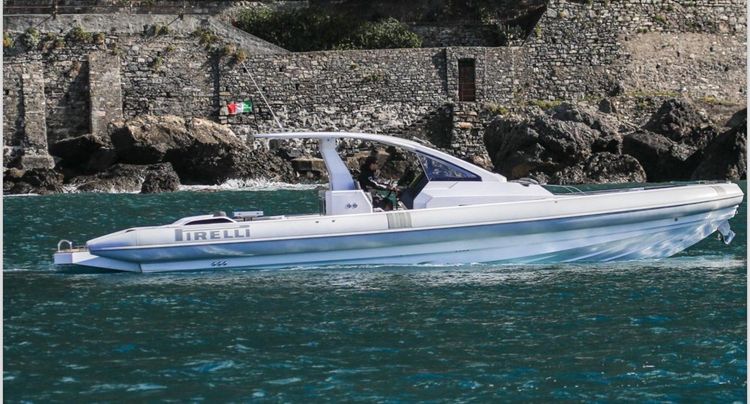

Learn more on the “PIRELLI PZERO”
To learn more on the “PIRELLI PZERO” or to get advice on how to buy or sell a yacht or get a great price for a yacht charter
please call +1 (954) 274-4435 USAOnly deal with professionals!