
 Licensed Yacht BrokersSales and service of yachts and ships
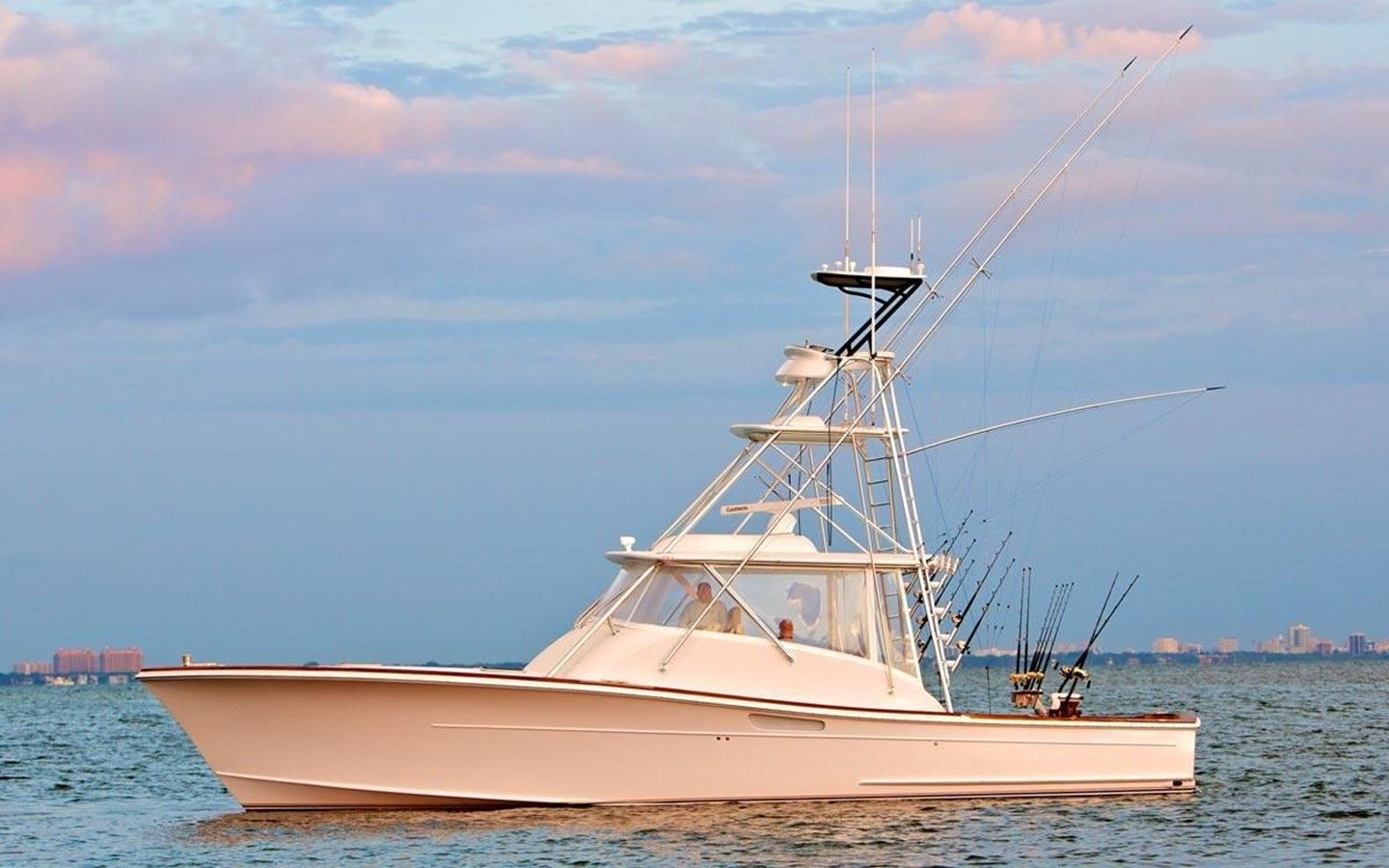
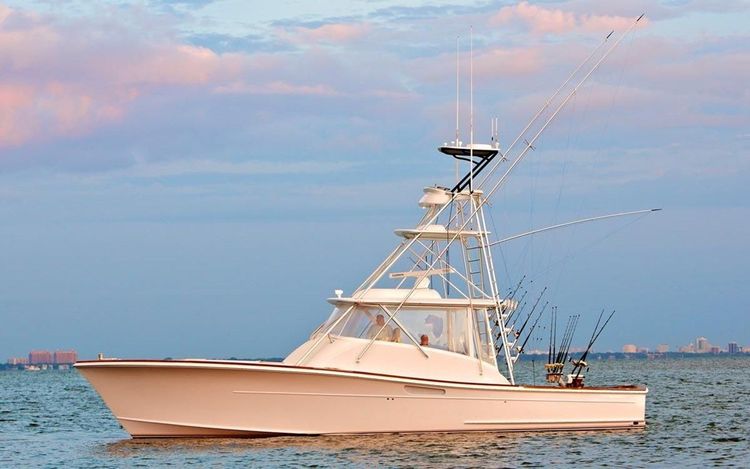
RELEASE BOATWORKS - For Sale
Release Boatworks
Company History
Release Boatworks emerged on the U.S. sportfishing scene in the early 2010s with a clear, tightly focused mission: to build serious, purpose-driven offshore fishing boats that blend classic lines with modern construction and ergonomics. From the outset, the brand concentrated on walkaround layouts—boats that allow 360-degree access around the cabin and helm—because seasoned anglers value the safety, fishability, and efficiency these decks deliver when fighting big pelagics, kite-fishing, or working multiple lines. Early models quickly caught the attention of tournament crews and specialist media, helping the company establish credibility in a market dominated by legacy names.
As the brand grew, Release Boatworks expanded its portfolio to include express and other fishing-forward configurations while maintaining a core focus on performance hulls, clean machinery spaces, and intelligently designed cockpits. The aesthetic language—carried sheerlines, measured tumblehome, and proportionate houses—signals a timeless, East Coast sportfish heritage. Inside, layouts evolved through direct collaboration with experienced captains and owners, so helm ergonomics, livewell placement, rigging access, and storage reflect real-world priorities on the water.
Release Boatworks’ development path has been characterized by incremental refinement rather than splashy overhauls: subtle hull tweaks to improve head-sea behavior, standardized rigging practices to simplify service, iterative weight management for better efficiency, and careful equipment selection geared to reliability offshore. The brand’s visibility increased through consistent showings at high-profile fishing destinations and tournaments across the U.S. East Coast, the Bahamas, and the Caribbean, where the boats’ seakeeping and deck layouts could be judged under pressure. Over time, Release Boatworks has come to stand for a particular style of modern sportfish yacht: compact, sharp, light, and efficient, yet tough enough for repeated offshore duty and meticulously finished for owners who demand both performance and craftsmanship.
Country of Origin
United States of America.
Manufacturing Locations
United States (East Coast), serving a client base primarily across the U.S., the Bahamas, and the broader Atlantic/Caribbean sportfishing grounds.
Reputation and Quality
Release Boatworks has built a reputation among captains and tournament anglers for boats that are simultaneously practical and beautifully executed. The brand’s calling card is the walkaround: a deck plan that maximizes fishability and safe movement, especially when multiple anglers are working around the boat in a bite. While walkarounds can be found across the market, Release Boatworks helped re-center this configuration in the premium, custom-minded segment by marrying fish-first utility with upscale finishes and carefully controlled weight.
Key elements of the brand’s quality profile include:
- Fishability-first design: Everything from coaming height to livewell volume, from mezzanine seating to tackle and gaff storage, reflects practical, captain-driven input. The result is a cockpit and foredeck that support diverse techniques—chunking, jigging, kite-fishing, trolling—without compromises on safety or workflow.
- Hull performance and seakeeping: Release Boatworks hulls are designed for predictable, confidence-inspiring handling in the variable conditions common to the Gulf Stream and beyond. Owners and operators praise dry rides, responsive tracking at trolling speeds, and efficient cruise numbers that keep range and fuel burn in balance for long runs to the canyons or islands.
- Construction discipline: Builds employ modern composite techniques with a focus on strength-to-weight efficiency. Vacuum-assisted lamination practices, high-quality reinforcements, and robust stringer/grillage systems produce stiff, quiet hulls that take well to the loads and vibrations of heavy offshore use. Machinery spaces are organized around serviceability—clear labeling, generous access, and professional cable/hose routing—so scheduled maintenance and underway fixes are faster and safer.
- Ergonomics and visibility: Helm geometry, sightlines, and seating positions are calibrated for both long-range transits and fine control during docking, backing down, or chasing fish. The brand’s experience with walkarounds informs handhold placement, deck camber, and water management, leading to a drier, more secure feel for crews moving forward in seas.
- Customization and finish: Although Release Boatworks keeps a disciplined standard for systems and structure, owners typically specify layouts, equipment packages, and aesthetic details to suit their programs—livewell count and capacity, ice and refrigeration strategies, tower configurations, electronics suites, and interior arrangements. Joinery and finish work balance durability with a classic sportfish presentation.
- Systems integration and reliability: The electrical backbone, fuel system architecture, and steering/hydraulics are designed around redundancy and clarity. This approach pays off at sea when components must be diagnosed quickly and replaced with minimal disruption.
Market positioning: Release Boatworks occupies a niche favored by serious anglers who want a boat capable of targeting billfish and pelagic species with minimal compromise, while still offering the refinement expected in an upscale custom or semi-custom build. Owners often come from larger convertibles or from center console fleets and choose Release Boatworks for a platform that blends the deck freedom of a center console with the protection, storage, and systems capacity of a cabin boat.
Service and ownership experience: A recurrent theme among Release Boatworks owners is that the boats are straightforward to run and maintain. Thoughtful rigging and system layout keep downtime low and simplify annual service. The company’s focus on practical, captain-informed features translates into fewer retrofits post-delivery and strong day-2 usability—livewells plumbed right the first time, pumps and strainers reachable, wiring loomed and labeled, and bilges clean and accessible.
Tournament presence and media coverage: While formal awards vary year to year, Release Boatworks models have consistently earned positive coverage in leading sportfishing and boating publications. Their boats are a familiar sight in competitive circuits and hotspots where on-the-water performance is judged by results: how quickly crews can move around the boat, how dry and stable the platform feels on a windy day, and how reliably systems support long offshore campaigns.
Resale and longevity: The brand’s restrained, classic styling helps its boats age gracefully, and the emphasis on efficient, robust construction supports good resale interest. Walkaround layouts remain desirable among informed buyers, particularly those who fish hard in varied conditions and value the safety of moving forward behind a secure toe rail and handholds.
Sustainability and materials trends: In recent years, Release Boatworks—like many premium builders—has aligned with best practices that reduce unnecessary weight and improve efficiency without sacrificing strength. This includes selective use of advanced cores, sound/thermal insulation strategies to reduce fatigue for crews, and attention to drive-train optimization for lower fuel burn at target cruise speeds. Owners benefit from a quieter ride, longer range, and more comfortable living aboard between bites.
In summary, Release Boatworks is respected for executing a focused vision: fish-first, captain-informed sportfishing yachts that deliver 360-degree deck access, efficient offshore performance, and durable, serviceable systems. For anglers who want the freedom and safety of a walkaround with the polish and capability of a premium custom-minded builder, Release Boatworks stands out as a compelling choice.
Release Boatworks (Español)
Historia de la empresa
Release Boatworks apareció en la escena del sportfishing estadounidense a principios de la década de 2010 con un objetivo claro: construir embarcaciones de pesca en alta mar de alto rendimiento que combinen líneas clásicas con construcción moderna y ergonomía pensada por capitanes. Desde el principio, la marca se centró en los “walkaround”, permitiendo el acceso 360° alrededor de la cabina; un diseño muy valorado por pescadores expertos por su seguridad y eficiencia al pelear peces grandes o trabajar múltiples líneas. Los primeros modelos llamaron la atención en torneos y prensa especializada, consolidando su reputación en un segmento exigente.
A medida que creció, la marca amplió su oferta con configuraciones “express” y otras variantes enfocadas en la pesca, manteniendo su enfoque en cascos de alto rendimiento, espacios de máquinas ordenados y cubiertas inteligentes. La estética—líneas clásicas y proporciones equilibradas—refleja la herencia de los sportfish de la Costa Este. Los interiores y la distribución evolucionan con aportes de capitanes y propietarios, por lo que la ergonomía del puesto de mando, la ubicación de viveros y el acceso a los aparejos responden a la realidad de la pesca diaria.
País de origen
Estados Unidos de América.
Ubicaciones de fabricación
Estados Unidos (Costa Este), atendiendo principalmente a clientes que navegan en la costa Este, Bahamas y el Caribe.
Reputación y calidad
Release Boatworks es reconocida por combinar practicidad extrema con acabados de alto nivel. Su sello es el “walkaround”: una cubierta pensada para la pesca al 100%, segura y eficiente. La marca reposicionó esta configuración en el segmento premium al unir utilidad profesional con una ejecución ligera, rígida y eficiente.
Aspectos destacados de calidad:
- Diseño centrado en la pesca: viveros dimensionados, estiba lógica, alturas de brazola adecuadas y fluidez de movimientos para técnicas variadas (troleo, kite-fishing, jigging).
- Prestaciones del casco: navegación seca y predecible en condiciones variables, buen control a velocidad de curricán y eficiencia de crucero con autonomía adecuada para salidas largas.
- Construcción compuesta moderna: técnicas de vacío y refuerzos de calidad para cascos rígidos y silenciosos; mamparos y varengas que soportan las exigencias del mar abierto; espacios de máquinas limpios y accesibles.
- Ergonomía y visibilidad: puesto de mando con líneas de visión cuidadas y mandos bien situados para maniobras de atraque o para seguir al pez marcha atrás.
- Personalización y acabados: aunque la arquitectura de sistemas se mantiene disciplinada, los propietarios eligen equipos, distribución y detalles a su programa—capacidad de viveros, torres, electrónica, etc.
- Integración de sistemas: enfoque en fiabilidad y redundancia para diagnósticos y reparaciones rápidas en el mar.
La marca es especialmente atractiva para pescadores que desean la libertad de movimiento de un centro consola con la protección, capacidad y autonomía de una cabina de sportfish de nivel premium. Su presencia habitual en torneos y destinos de pesca reputados respalda la fama de cascos eficientes y cubiertas verdaderamente pescadoras.
Release Boatworks (Français)
Historique de l’entreprise
Release Boatworks s’est imposé au début des années 2010 aux États‑Unis avec une proposition ciblée: des bateaux de pêche hauturière performants, alliant lignes classiques et construction moderne. La marque s’est distinguée par ses “walkarounds”, offrant une circulation 360° sûre et pratique pour les combats et manœuvres de pêche. Cette approche, validée par des capitaines expérimentés, a rapidement attiré l’attention des médias spécialisés et du circuit des tournois.
Au fil du temps, le chantier a étendu son offre à des configurations express et autres variantes orientées pêche, en conservant une obsession pour la fonctionnalité, la performance de carène et l’accessibilité des systèmes. L’ADN esthétique reste celui d’un sportfish de la côte Est, intemporel et soigné.
Pays d’origine
États‑Unis d’Amérique.
Sites de fabrication
États‑Unis (côte Est), au service d’une clientèle opérant notamment sur la côte Atlantique, aux Bahamas et dans les Caraïbes.
Réputation et qualité
Release Boatworks jouit d’une excellente réputation auprès des capitaines pour des bateaux pragmatiques, efficaces et élégants. Le “walkaround” constitue sa signature: une plateforme de pêche sécurisante, fluide et particulièrement adaptée aux techniques exigeantes.
Points clés:
- Conception orientée pêche: volumes de viviers, rangements, hauteurs de francs-bords et ergonomie conçus avec des professionnels.
- Carènes performantes: comportement prévisible dans la mer formée, efficacité au régime de croisière et bonne tenue à petite vitesse pour le traîne.
- Construction composite: procédés sous vide, renforts structuraux et réseaux techniques ordonnés pour faciliter la maintenance.
- Ergonomie du poste de pilotage: visibilités optimisées et commandes intuitives pour les manœuvres fines ou la poursuite d’un poisson.
- Personnalisation: plans, équipements et finitions adaptés au programme de chaque propriétaire, avec un haut niveau d’exécution.
Cette combinaison de performance offshore, d’ergonomie et de finition positionne Release Boatworks comme un choix de référence pour les pêcheurs exigeants.
Release Boatworks (Italiano)
Storia dell’azienda
Release Boatworks è emersa negli Stati Uniti all’inizio degli anni 2010 con un obiettivo preciso: realizzare sportfish offshore che coniugano linee classiche e costruzione moderna, con forte enfasi sul layout walkaround per la massima pescabilità e sicurezza a bordo. La visibilità del marchio è cresciuta con le prove in mare e la presenza nei tornei, confermando la bontà del progetto.
Paese d’origine
Stati Uniti d’America.
Sedi produttive
Stati Uniti (Costa Est), con imbarcazioni diffuse lungo la costa Atlantica, Bahamas e area caraibica.
Reputazione e qualità
Il marchio è apprezzato da capitani e armatori per:
- Progetto “fishing first”: vivai ben dimensionati, stive funzionali, accessi tecnici ordinati.
- Scafi efficienti e sicuri: prestazioni prevedibili, corsa asciutta e consumi equilibrati alle velocità di crociera.
- Costruzione composita moderna: attenzione a peso, rigidità e silenziosità, oltre a una disposizione impiantistica che facilita manutenzione e affidabilità.
- Ergonomia e visibilità: plancia studiata per lunghe trasferte e manovre delicate.
- Ampia personalizzazione: dall’elettronica alle torri, dai layout interni alle opzioni di stivaggio, con finiture di livello.
L’insieme crea barche orientate alla pesca sportiva più impegnativa, senza rinunciare alla qualità costruttiva e all’eleganza tipica del segmento premium.
Release Boatworks (Deutsch)
Unternehmensgeschichte
Release Boatworks trat Anfang der 2010er Jahre in den USA mit einem klaren Konzept an: Offshore‑Sportfischer mit klassischer Optik, moderner Verbundbauweise und einer starken Ausrichtung auf Walkaround‑Layouts, die sichere 360‑Grad‑Bewegungsfreiheit bieten. Die Marke gewann rasch Ansehen durch mediale Resonanz und Einsätze im harten Turnierbetrieb.
Herkunftsland
Vereinigte Staaten von Amerika.
Produktionsstandorte
Vereinigte Staaten (Ostküste), mit Einsatzschwerpunkt entlang der US‑Atlantikküste, auf den Bahamas und in der Karibik.
Ruf und Qualität
Release Boatworks steht für praxisorientierte, hochwertig verarbeitete Boote:
- Fischerei im Fokus: durchdachte Cockpits, große Lebendfischbehälter, sinnvolle Stauraumlösungen.
- Leistungsfähige Rümpfe: trockenes Fahrverhalten, Effizienz auf Reisegeschwindigkeit und gutes Handling beim Trolling.
- Moderne Verbundkonstruktion: steife, leichte Strukturen und sauber verlegte Technik für einfache Wartung.
- Ergonomie: optimierte Sichtlinien und bedienerfreundliche Steuerstände.
- Individualisierung: maßgeschneiderte Ausstattung und Ausführung entsprechend dem Einsatzprofil des Eigners.
Diese Eigenschaften machen die Boote zu verlässlichen Arbeitsplattformen für anspruchsvolle Offshore‑Fischerei mit dem Finish eines Premium‑Builders.
Release Boatworks (Русский)
История компании
Release Boatworks заявила о себе в начале 2010‑х в США, сфокусировавшись на высокоэффективных лодках для морской спортивной рыбалки с классическим обликом и современной композитной конструкцией. Визитная карточка бренда — схемы walkaround с безопасным круговым проходом по палубе, что особенно востребовано в турнирной и экспедиционной эксплуатации.
Страна происхождения
Соединенные Штаты Америки.
Производственные площадки
США (восточное побережье), с активной эксплуатацией лодок на Атлантике, Багамах и в Карибском бассейне.
Репутация и качество
Release Boatworks ценится капитанами за:
- Приоритет рыбалки: рациональные кокпиты, эффективные лайвеллы, удобные места для хранения и обслуживания снастей.
- Ходовые качества: предсказуемое поведение на волне, «сухой» ход, экономичность на крейсерских скоростях.
- Современную композитную постройку: жесткие и легкие корпуса, аккуратная разводка систем для простой сервисной работы.
- Эргономику: продуманные линии обзора и комфортная компоновка поста управления.
- Индивидуальные решения: конфигурации и оснащение под задачи владельца, высокий уровень отделки.
В итоге получается инструментальный, надежный, но при этом элегантный sportfisher для серьезной океанской рыбалки и турнирных задач.
Main Competitors
Release Boatworks competes in the niche where serious offshore anglers seek semi-custom or custom sportfishing platforms that balance classic lines, robust construction, and highly fishable deck plans—especially walkaround and express configurations in roughly the 35–60 foot range. Because the walkaround layout bridges the gap between big center consoles and traditional convertibles, Release Boatworks is often cross-shopped against both custom Carolina-style builders and premium production brands with open/express models. The following are the most commonly cited competitors or cross-shop alternatives in this space:
-
Viking Yachts (including Billfish/Open models): Viking is the dominant production builder in the premium sportfish segment. Models such as their Billfish and Open series appeal to the same anglers who want speed, fishability, and protection without going to a large convertible. Viking is frequently on the shortlist when buyers compare finish, systems engineering, dealer/service infrastructure, and market liquidity.
-
Jarrett Bay Boatworks: A premier custom Carolina builder known for cold-molded construction, distinctive bow flare, and exquisite custom detail. While Jarrett Bay tends to operate at larger sizes, the yard’s express and specialty builds overlap with Release Boatworks’ customer profile: highly involved owners who value bespoke layouts, tournament readiness, and craftsmanship.
-
Spencer Yachts: Another benchmark custom Carolina yard producing fast, efficient, and elegant sportfishers. Spencer’s custom approach, performance focus, and attention to weight and finish make it a natural competitor when buyers prioritize performance and a high degree of personalization.
-
F&S Boatworks: Known for striking Carolina styling and meticulously engineered custom sportfish builds, often in the express/walkaround realm. F&S’s reputation for structural execution, ride quality, and detail puts it squarely in the conversation for anglers looking at a boutique, fish-first platform.
-
Winter Custom Yachts: A well-regarded North Carolina custom builder with a portfolio that includes walkarounds and express boats. Winter’s blend of classic lines and modern systems often resonates with buyers evaluating Release Boatworks for similar reasons—fishability, ride, and refined aesthetics.
-
Gamefisherman: Specializes in classic sportfishing designs, with notable experience building walkarounds. For anglers who are specifically targeting a 360-degree fish-around layout with traditional proportions and top-tier joinery, Gamefisherman is a direct peer.
-
Garlington: A boutique builder producing elegant, high-performance sportfish yachts with a long-standing reputation. Their boats attract the same clientele who want understated style, strong seakeeping, and premium fit-and-finish.
-
Albemarle Boats: Known for rugged express and offshore fishing boats with a strong reputation for head-sea ability. Albemarle’s lineup offers alternatives for anglers who want an express-style fishing platform with proven North Atlantic chops.
-
Henriques Yachts: A New Jersey builder recognized for stout, fishing-first express and convertible boats. Henriques models often appeal to captains who prioritize cockpit utility, livewell capacity, and offshore reliability—attributes also central to Release Boatworks’ identity.
-
Bertram Yachts: A storied name in offshore fishing. Modern Bertrams include express and convertible designs that compete on comfort, range, and durability, and tend to be considered by buyers comparing brand heritage and dealer networks alongside pure fishability.
-
Mag Bay Yachts: A premium West Coast builder producing refined, performance-oriented fishing boats, including express and large center console offerings. Their design language and finish quality bring them into competitive focus for owners who want a modern, upscale aesthetic with serious fishing capability.
-
OBX Boatworks: Offers Carolina-inspired sportfish builds, including express configurations. OBX appeals to anglers seeking the look and ride characteristics of the Carolina school with semi-custom flexibility.
-
Merritt and Rybovich (ultra-premium custom): Although typically larger and in a rarified tier, these names define the top echelon of custom sportfish. Some prospective owners evaluating Release Boatworks will also consider the philosophies and standards set by these icons, even if the final size or budget is different.
-
Valhalla Boatworks (by Viking), Invincible, Contender, SeaVee, HCB, and other large center consoles: Many Release Boatworks prospects consider high-end, large center consoles for their speed, deck freedom, and simplicity. The walkaround concept competes directly here: it preserves near-360-degree fishability, adds weather protection and cabin amenities, and integrates larger livewells and systems—appealing to owners who want more range, comfort, and all-weather utility than a pure center console typically provides.
This competitor set is not exhaustive, but it captures the primary brands that appear repeatedly in buyer comparisons. The common threads across them—ride quality, cockpit utility, livewell design, systems execution, and layout efficiency—are exactly where Release Boatworks stakes its value proposition.
Current Production Status
Release Boatworks operates as a boutique, order-driven builder in the United States, with a product philosophy focused on offshore fishing layouts—particularly walkarounds and express boats—built to a high standard and outfitted for serious angling programs. In practice, that means:
-
Semi-custom builds: Prospective owners typically begin with a proven hull and superstructure concept and then tailor key elements—livewell capacity and plumbing, mezzanine arrangements, rod and tackle storage, fishbox and ice management strategy, tower and outriggers, helm seating and electronics, interior arrangements, generator and HVAC sizing, and other systems integration choices. This process produces a boat that is fish-ready upon delivery, minimizing aftermarket retrofits.
-
Performance and ride priorities: Hulls are designed to run efficiently at practical offshore speeds with predictable manners in quartering and head seas, dry decks, and stability at trolling speeds. Owners and captains drawn to the walkaround layout often prioritize safe fore-and-aft movement when the boat is pitching or rolling; Release Boatworks’ layouts and handhold ergonomics are tailored to these moments.
-
Modern composite construction: Builds emphasize strength-to-weight efficiency, stiffness, and longevity. Vacuum-assisted laminations and high-quality structural cores, stringer grids, and bulkheads contribute to a quiet, solid ride. The brand’s engineering mindset is oriented toward durability and serviceability—a priority for boats that spend real time offshore and see tournament-level duty cycles.
-
Clean machinery spaces and service access: One hallmark of serious fishing platforms is how quickly crews can get to pumps, strainers, filters, manifolds, and electrical components in real time. Release Boatworks is known for orderly rigging—labeled wiring looms, smart hose routing, accessible sea chests, and thoughtful hardware placement. This pays dividends in reduced downtime and efficient annual maintenance.
-
Power options and drivetrains: Offshore sportfish boats in this class are typically powered by diesel inboards with straight shafts. Depending on the model and owner preference, some builds may pursue alternative configurations to suit mission profiles, but the core expectation in this category remains reliable, torque-rich inboards that balance range, efficiency, and backing-down authority.
-
Electronics and towers: Given the target market, integrated electronics packages are a substantial part of the build. Sophisticated sonar, chirp sounders, multi-kilowatt transducers, high-power radar, night-vision, and robust networking are common. Towers and hardtops are tailored to the owner’s fishing style—sight-fishing, kite systems, dredge management, or tournament-level spread control.
-
Fit, finish, and longevity: Release Boatworks aims for a timeless sportfish presentation—clean exterior lines, proportionate houses, and classic detailing that ages gracefully. Interior joinery and upholstery resist hard-use wear while keeping a premium look. Materials selections, sealants, and hardware are chosen with an eye to heavy washdown routines, UV exposure, and saltwater service life.
As a boutique yard, Release Boatworks’ schedule is typically governed by active contracts and slot availability rather than speculative production. Interested buyers generally engage the yard to confirm timelines, milestones (design freeze, lamination, mechanical/electrical installation, fit-out), and sea trial windows. While details evolve boat to boat, the through-line is consistent: a focused, fish-first build delivered with the ergonomics and reliability standards demanded by experienced captains.
From a market presence standpoint, Release Boatworks boats are regularly seen in the same waters where serious sportfishing happens—U.S. East Coast canyons, the Bahamas, and the Caribbean—operating in the conditions and programs that the boats are designed to handle. Whether in private programs or tournament appearances, these boats remain a familiar sight, supporting the view that the brand continues to build and deliver on an order basis.
Prospective owners evaluating current production commonly look at:
- Lead times and yard capacity
- Model availability and proven hull lengths
- Customization bandwidth and engineering support
- Warranty terms and post-delivery service support
- Integration options for live bait systems, refrigerated fish storage, and ice management
- Tower and rigging partners, and electronics integrators experienced with offshore packages
This is the practical picture of “current production” for a custom-minded brand: a steady, order-focused approach, refined hull and deck platforms, and deep attention to the details that make a fishing boat work hard without nagging issues.
Production Volumes
Specific annual production numbers for Release Boatworks are not publicly published. This is typical of boutique custom and semi-custom sportfishing builders, which prioritize one-off or short-run projects over high-throughput manufacturing. What can be stated with confidence, based on the nature of the segment:
-
Output is low-volume by design: Semi-custom and custom sportfish builds require extensive man-hours in design finalization, lamination, systems integration, and finish work. Each hull represents a significant commitment of specialized labor, and schedules are paced to maintain quality standards rather than maximize unit count.
-
Cycle times are measured in months: From contract to delivery, a sportfish of this complexity commonly spans many months, reflecting hull construction, fairing and finish, machinery installation, systems run, interior/joinery, rigging, tower and electronics fit, and sea trials. When considering change orders or bespoke requests, timelines can extend to ensure workmanship remains consistent.
-
Workforce specialization, not assembly-line scaling: Boutique yards rely on experienced laminators, carpenters, systems techs, and finish specialists who move through phases of the build deliberately. This approach resists the economies of scale seen in mass-production fiberglass boats because the objective is to hit exact owner specifications and in-service reliability, not to drive down unit cost through volume.
-
Backlogs fluctuate with demand: Order books typically ebb and flow with fishing seasons, tournament calendars, and macroeconomic conditions affecting discretionary purchases. When the order book is healthy, lead times extend; when market pace moderates, timelines can tighten. In either scenario, the yard’s throughput stays intentionally measured.
-
Resale and brand control: Low-volume builders often view each delivery as a long-term brand ambassador. Boats that hold up well offshore and require minimal post-delivery remediation support reputation and future orders more effectively than pushing volume.
In short, while a precise figure for Release Boatworks’ annual unit output is not available, the structural realities of the semi-custom sportfish niche make it clear that volumes are modest, quality-centric, and governed by active contracts rather than speculative production runs. Buyers planning a project with Release Boatworks should concentrate on securing a production slot, clarifying design scope early, and aligning expectations with the yard’s quality-first cadence.
Frequently Asked Questions
Question:What type of boats does Release Boatworks build?
Answer:Release Boatworks focuses on offshore sportfishing boats with a strong emphasis on walkaround and express configurations. These platforms prioritize 360-degree fishability, safe movement around the deck, and the systems capacity required for serious offshore programs.
Question:What is a walkaround sportfisher and why do anglers choose it?
Answer:A walkaround sportfisher provides a protected, continuous side deck so crew can move safely from cockpit to bow while fighting fish or managing lines. Anglers choose it for the combination of near center‑console freedom of movement with the protection, storage, and overnighting capability of a cabin boat.
Question:How customizable are Release Boatworks builds?
Answer:Builds are typically semi‑custom, allowing owners to tailor livewell capacity and location, fishbox and ice strategies, helm layout, seating, tower configuration, interior arrangements, and electronics. The yard refines each project around the owner’s fishing style and preferred techniques.
Question:What construction methods and materials are used?
Answer:Boats are built with modern composite techniques aimed at strength‑to‑weight efficiency and durability. Structural grids, bulkheads, and carefully engineered laminates are used to achieve a stiff, quiet hull that stands up to offshore duty cycles.
Question:What propulsion is typical on these boats?
Answer:Diesel inboards with straight shafts are most common in this category, chosen for reliability, torque, range, and precise control when backing down or maneuvering around fish. Specific power packages are selected based on hull size, mission profile, and owner preferences.
Question:How is fishability prioritized in the design?
Answer:Cockpit geometry, coaming heights, livewell volume, rod and gaff storage, rigging access, and mezzanine seating are laid out to support techniques like trolling, kite‑fishing, chunking, and jigging. The goal is a clear, safe workflow during active fishing.
Question:What distinguishes the express configuration from the walkaround?
Answer:Express boats prioritize a larger helm deck and cabin volume with a forward windshield and hardtop, creating excellent protection and social space. Walkarounds trade some interior volume for uninterrupted 360° deck access and more secure movement in rough conditions.
Question:How do these boats ride in head seas and quartering seas?
Answer:Hulls are designed for predictable handling, with an emphasis on a dry, efficient ride at practical offshore speeds. Weight distribution, running surface geometry, and spray control are tuned to maintain comfort and control in variable sea states.
Question:What kind of live bait systems are common?
Answer:Builds typically integrate high‑capacity livewells with robust plumbing, sea chests or pump boxes, and redundancy to protect bait on long runs. Valving and access are laid out for quick service and easy flow adjustments.
Question:Is gyroscopic stabilization available?
Answer:Many owners opt to integrate a gyro stabilizer to reduce roll at drift and troll. The decision depends on fishing style, displacement targets, and service considerations, but the platforms can be engineered to accommodate stabilization equipment.
Question:How is wiring and plumbing handled for serviceability?
Answer:Systems are organized around access and clarity: labeled wiring runs, clean penetrations, sensible hose routing, and reachable strainers, manifolds, and filters. This simplifies troubleshooting, reduces downtime, and supports reliable offshore operation.
Question:What are the typical cabin accommodations?
Answer:Depending on size and configuration, interiors may include a V‑berth or convertible settees, a compact galley, and an enclosed head with shower. Express models generally offer more interior volume than walkarounds, which emphasize deck access.
Question:How is noise and vibration managed?
Answer:Sound attenuation is addressed through structural stiffness, isolation of machinery, and strategic insulation. The goal is to reduce fatigue on long runs and to make communication easier during fishing operations and docking.
Question:What electronics packages are commonly installed?
Answer:Boats are outfitted with integrated navigation, radar, sonar with high‑power transducers, autopilot, and networked multifunction displays. Packages are engineered to the owner’s fishery—bluewater trolling, bottom fishing, or mixed programs.
Question:Do these boats support towers and upper stations?
Answer:Yes. Towers and upper stations are common for sight‑fishing, spread management, and improved visibility while searching or working birds. Installations are designed to integrate cleanly with the helm, rigging, and structural hardtop.
Question:How are fishboxes and ice systems set up?
Answer:Fishboxes are insulated and often refrigerated or paired with flake‑ice production. Drainage, maceration, and cleaning access are planned to minimize odors and simplify daily washdowns during active fishing campaigns.
Question:What about fuel capacity and range?
Answer:Tankage and fuel system architecture are engineered to support offshore missions with appropriate range and reserve. Manifolds, polishing options, and redundancy are common considerations in the design brief for extended runs.
Question:Are these boats suitable for tournament fishing?
Answer:Yes. The deck flow, livewell capacity, dredge and teaser management, and rigging access are all compatible with tournament programs. The layouts support fast transitions and safe crew movement under pressure.
Question:How does the helm ergonomics support long runs?
Answer:Sightlines, seat positioning, footrests, and control placement are tuned for comfort and control, whether cruising or maneuvering precisely in reverse. Ventilation and enclosure options help maintain comfort across seasons.
Question:What materials are used for hardware and fittings?
Answer:Premium marine alloys and stainless hardware are selected for corrosion resistance and longevity. Fastener strategy and bedding practices are emphasized to keep the boat tight and rattle‑free through heavy use.
Question:How is drainage handled on deck?
Answer:Deck camber, scupper sizing, and channeling move water off the boat efficiently. Attention to toe‑kick areas, non‑skid textures, and handhold placement ensures safe footing and movement in sloppy conditions.
Question:What safety systems are typical in the machinery space?
Answer:Fixed fire suppression, clear egress, lighting, and organized access to shutdowns and seacocks are standard considerations. The machinery space is arranged to keep routine checks quick and straightforward.
Question:What standards guide construction and systems?
Answer:Boats are built to prevailing U.S. recreational marine norms and best practices for structural, electrical, and fuel systems. The approach emphasizes reliability, serviceability, and compliance with recognized industry guidance.
Question:How do these boats compare to large center consoles?
Answer:Walkaround and express sportfish boats preserve near 360° fishability while adding weather protection, cabin space, and larger, integrated systems for bait, fish storage, and power generation. Owners often find they can fish harder across more conditions with less fatigue.
Question:What kind of maintenance regime is expected?
Answer:Routine engine and generator service, seasonal systems checks, and periodic attention to coatings, caulking, and hardware are part of normal ownership. Organized rigging and labeled systems make these tasks more efficient.
Question:How does the builder address weight management?
Answer:Structural engineering, materials choices, and equipment placement are managed to achieve a target displacement that supports speed, efficiency, and balance. Careful weight control enhances seakeeping and economy without compromising strength.
Question:What upholstery and interior finishes are used?
Answer:Interiors favor durable marine fabrics, veneers, and solid surfaces that withstand frequent cleaning and UV exposure. The aesthetic is classic and restrained to age gracefully over time.
Question:Can the boats be optimized for specific fisheries?
Answer:Yes. Outfitting is commonly tailored to kite‑fishing, dredge programs, sword drops, or mixed pelagic campaigns. That tailoring can include livewell geometry, transducer selection, spreader arrangements, and storage solutions.
Question:Are there options for climate control and extended cruising comfort?
Answer:Air conditioning, heating, and generator packages are available to support multi‑day trips. Interior layouts can be configured for rest, meal prep, and gear management without sacrificing cockpit utility.
Question:How are windows and enclosures handled on express builds?
Answer:Glazing, venting, and enclosure systems are selected to maintain visibility, reduce fogging, and provide weather protection. Wiper and defog solutions are specified for offshore reliability.
Question:Is digital switching or remote monitoring available?
Answer:Many owners choose integrated digital switching and remote monitoring to streamline control and diagnostics. System selection balances usability with serviceability in the field.
Question:What is the approach to redundancy offshore?
Answer:Critical systems—pumps, fuel delivery, electronics power—are planned with redundancy and clear isolation. This allows crews to diagnose and restore function quickly if a component fails underway.
Question:How are towers and outriggers integrated with the hull and deck?
Answer:Structural hardpoints and reinforcements are part of the design to accommodate tower loads, rigging forces, and outrigger bases. Wiring and control lines are routed cleanly to keep decks uncluttered.
Question:What deck surfaces and coatings are used for grip and longevity?
Answer:Non‑skid patterns and durable topcoats are selected for traction and UV resilience. The finish is chosen to be easy to wash down after long days of bait and blood on deck.
Question:How do owners typically store and manage trolling gear?
Answer:Tackle centers, rod lockers, gaff tubes, and dedicated dredge storage are integrated to keep gear secure and accessible. The layout ensures fast turnarounds between bites and minimal clutter in the cockpit.
Question:What measures help keep the bilge clean and accessible?
Answer:Smooth bilge surfaces, proper limbering, and organized routing help with drainage and cleaning. Access panels and thoughtful component placement make inspections and service practical.
Question:What is the typical build process from contract to delivery?
Answer:The process moves through design refinement, lamination, structural assembly, machinery and systems install, interior fit‑out, rigging and electronics, and sea trials. Milestones are scheduled to allow owner input while maintaining quality control.
Question:Are these boats suitable for family cruising as well as fishing?
Answer:Many owners use them for both. The protected helm, cabin amenities, and efficient layouts suit family day trips and short overnights, while the cockpit and systems remain optimized for dedicated fishing use.
Question:What considerations go into anchor handling on a walkaround?
Answer:The walkaround deck facilitates safe bow access for anchoring and mooring. Hardware placement, windlass choice, and locker geometry are designed so the crew can work forward efficiently and securely.
Question:How are ventilation and climate handled in machinery spaces?
Answer:Engine room ventilation is engineered for airflow, temperature control, and fume extraction appropriate to high‑load operation. This supports engine health and crew comfort during inspections underway.
Question:What distinguishes Release Boatworks in this niche?
Answer:A focused dedication to fishability with 360° access, clean systems integration, and classic sportfish aesthetics. The boats combine captain‑driven ergonomics with modern composite execution to deliver a reliable offshore tool that remains refined and timeless.
Question:What factors influence delivery timelines?
Answer:Scope of customization, equipment lead times, engineering requests, and the yard’s active schedule all affect timing. Clear early decisions and coordinated change management typically keep projects on track.
Question:What should owners expect in terms of documentation and labeling?
Answer:Clear labeling of circuits, plumbing, and valves; organized documentation; and schematic diagrams that support diagnostics and maintenance over the life of the vessel.
Question:How does the layout enhance safety when fighting fish?
Answer:Secure handholds, appropriate coaming height, non‑skid, and predictable deck flow let multiple anglers and crew move safely under load, whether passing rods forward or backing down on a fish.
Question:How are weight and balance maintained after adding towers and equipment?<br**Answer:Structural allowances and careful equipment placement preserve center of gravity and trim targets. Sea trials verify performance, and fine‑tuning of load distribution ensures the intended ride and handling.
Question:What is the approach to corrosion prevention and long‑term durability?
Answer:Material selection, isolation of dissimilar metals, quality coatings, and rigorous bedding/sealing practices are used to resist corrosion. Regular inspection and maintenance routines are facilitated by accessible systems.
Question:How does the builder think about resale value?
Answer:Timeless styling, robust construction, and fish‑first layouts tend to remain desirable in the secondary market. Clean rigging and documentation further support confidence among future buyers.
Question:What owner support is typical after delivery?
Answer:Owners generally coordinate with trusted captains, technicians, and service yards for ongoing maintenance and upgrades. Documentation and organized systems ease handoffs to local service professionals wherever the boat operates.
Question:Can the boats be optimized for running to offshore canyons and island chains?
Answer:Yes. Many builds prioritize efficient cruise numbers, redundant navigation and communications, robust bait systems, and cold storage strategies that suit extended runs to remote grounds.
Question:What kind of helm seating and protection options are common?
Answer:Shock‑mitigating seats, adjustable footrests, windshield treatments, venting, and enclosure configurations are selected for comfort and clarity in a range of conditions, from winter runs to summer heat.
Question:How does the design handle washdowns and cleanup after a heavy day?
Answer:High‑capacity washdown systems, smart drainage, durable deck finishes, and accessible compartments make end‑of‑day cleanup efficient, reducing turnaround time for the next outing.
Question:What is the philosophy behind interior styling?
Answer:Interiors emphasize clean, practical layouts with durable marine materials and classic detailing. The aim is comfort and longevity rather than trend‑driven design, helping the boat age gracefully.
Question:Are there provisions for future upgrades?
Answer:Conduit runs, service loops, and accessible panels are planned to allow later additions or technology updates without disruptive refits. This foresight helps keep the boat current over many seasons.
Question:How is helm visibility maintained in rough weather?
Answer:Sightlines, wiper/washer systems, and defog solutions are chosen to keep the view clear during spray and rain. Helm ergonomics help the operator stay braced and in control through chop and swell.
Question:What distinguishes the cockpit design on these boats?
Answer:A wide, uncluttered work area with tackle centers, refrigerated storage options, secure seating, and direct access to systems. Clear corners and coaming geometry support safe angles while backing down or working fish boatside.
Question:How are trim and running attitude controlled?
Answer:Trim systems are specified to fine‑tune running angle as loads and sea states change. Proper trim helps maintain a dry ride, efficient fuel burn, and steady tracking at trolling speeds.
Question:What considerations are made for international or island operations?
Answer:Systems are selected for reliability and parts availability, with clear labeling and documentation that aids local technicians. Redundant pumps and spares strategies are common for remote operations.
Question:Is there flexibility in transducer and sonar fitment for deep‑drop or pelagic programs?
Answer:Yes. Through‑hull and fairing options, multi‑kilowatt transducers, and black‑box sounders can be integrated to suit specific fisheries, with careful attention to placement for clean water flow and minimal aeration.
Question:How is ventilation handled on walkaround decks?
Answer:Side‑deck design, hardware placement, and enclosure options work together to manage airflow while maintaining safety and ergonomics. The result is a secure path forward even when conditions are breezy or wet.
Question:What is the guiding philosophy behind Release Boatworks builds?
Answer:Fish‑first design, clean engineering, and timeless sportfish aesthetics. The boats are built to be reliable offshore tools that crews can move around confidently, with systems that are easy to service and robust enough for heavy use.
Available Models
(Information on specific model designations, lengths, cabin counts, maximum speeds, and exact engine packages is not provided here.)

Learn more on the “RELEASE BOATWORKS”
To learn more on the “RELEASE BOATWORKS” or to get advice on how to buy or sell a yacht or get a great price for a yacht charter
please call +1 (954) 274-4435 USAOnly deal with professionals!