
 Licensed Yacht BrokersSales and service of yachts and ships
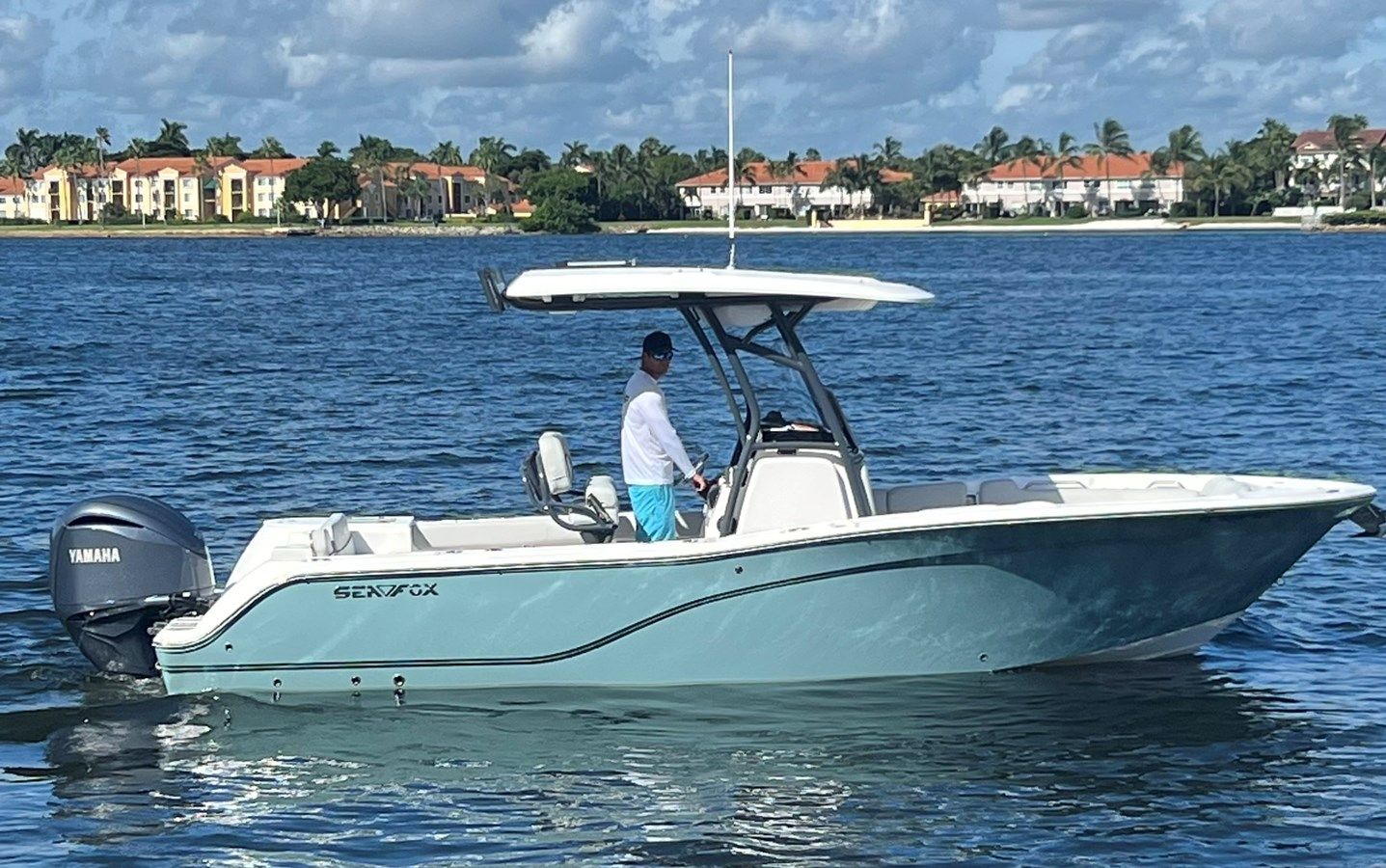
SEAFOX - For Sale
Sea Fox Boats (Sea Fox Boat Company)
English
Company History
Sea Fox Boats, officially known as Sea Fox Boat Company, was founded in 1995 in South Carolina, United States. The company’s founding figure and long-time leader is Freddy Renken, a member of the Renken family that had been active in fiberglass boat building in the Charleston area for decades prior. Drawing on that heritage, Sea Fox began by producing practical, fish-focused fiberglass boats for coastal anglers and families who wanted capable, trailerable craft at accessible prices.
Through the late 1990s and 2000s, the brand steadily expanded its lineup from small center consoles into a broader range of saltwater-oriented models, including bay boats and dual consoles. A significant development milestone came with the launch and continual refinement of the Commander series of center consoles, which emphasized a blend of offshore fishability, family comfort, and modern styling. The brand’s evolution included investments in updated tooling, CAD-driven design, and systematic product refreshes to improve ergonomics, storage, wiring organization, and rigging access.
As demand rose—especially in the southeastern United States—Sea Fox strengthened its dealer network and increased throughput at its South Carolina production campus. The company navigated industry cycles (including the late-2000s downturn) by positioning itself as a value-forward builder: delivering capable hulls, balanced layouts, and a comprehensive set of standard features compared with similarly sized competitors. In the 2010s and beyond, attention to helm ergonomics, seating comfort, livewell function, and overall fit-and-finish became hallmarks of its popular models, particularly within the Commander and Traveler (dual console) lines. Today, Sea Fox is recognized as an established, family-owned American boatbuilder with a strong presence among recreational anglers and coastal families.
Country of Origin
United States of America.
Manufacturing Locations
Sea Fox Boats builds its products in Moncks Corner, South Carolina, near the Charleston metro area. The company’s main campus houses the core manufacturing functions—from mold preparation and lamination through to assembly, rigging, and quality checks—allowing Sea Fox to control consistency across hulls, decks, liners, and integrated components. Proximity to South Carolina’s tidal waterways and the Atlantic coast provides convenient conditions for on-water evaluation, dealer demos, and continued product development. The Moncks Corner location also supports logistics for components and engines from major marine suppliers serving the U.S. boating industry.
Ownership and Management
Sea Fox Boat Company is privately held and family owned. Leadership is closely associated with the Renken family, with company president Freddy Renken widely recognized as a central figure in the brand’s development and day-to-day direction. The management approach emphasizes hands-on involvement in product design, supplier relationships, and dealer support. This owner-operator culture helps the company adapt to customer feedback and market trends while maintaining continuity in brand identity.
Reputation and Quality
Sea Fox has a reputation for delivering solid value in the saltwater segment, particularly in center consoles, dual consoles, and bay boats from the 19–32 foot range (approximate). Customers and dealers often highlight:
- Fishability: Large, practical livewells; useful rod storage; tackle organization; and thoughtful deck layouts that balance fishing space with seating.
- Family Comfort: Ample seating, coaming bolsters, convertible loungers, shade options, and enclosed heads on larger models—features that allow a single boat to serve fishing, cruising, and watersports.
- Features-for-the-price: Competitive standard equipment lists compared with similarly sized models from other brands.
- Evolving Fit-and-Finish: Continuous improvements in rigging access, wiring looms, hardware selection, and helm ergonomics.
Sea Fox models are commonly rigged with leading outboard brands and electronics from major marine suppliers. The company adheres to widely accepted U.S. industry practices, and its boats are typically offered as NMMA Certified to ABYC standards, a benchmark for construction and safety compliance in North America. The brand has been favorably reviewed in boating media for its ride quality and interior packaging, with models like the Commander series earning positive attention among coastal anglers and family boaters. Overall, Sea Fox occupies a respected position as a dependable, value-driven American builder with a broad dealer footprint and an engaged owner community.
Español
Historia de la empresa
Sea Fox Boats (Sea Fox Boat Company) fue fundada en 1995 en Carolina del Sur, Estados Unidos, por la familia Renken, con Freddy Renken como figura clave en su liderazgo. La tradición de la familia en la construcción de embarcaciones de fibra de vidrio en el área de Charleston se refleja en el enfoque original de Sea Fox: fabricar lanchas prácticas y orientadas a la pesca para aguas costeras, capaces y remolcables, con una excelente relación precio-prestaciones.
Durante los años 2000, la marca amplió su catálogo desde pequeñas center console a una gama más amplia que incluye bay boats y dual consoles. Un hito importante fue el desarrollo de la línea Commander, centrada en combinar capacidad offshore, comodidad familiar y un diseño moderno. Con el tiempo, Sea Fox invirtió en herramientas actualizadas, diseño asistido por computadora y mejoras de ergonomía, almacenamiento y acceso al cableado y al equipo de a bordo.
La empresa reforzó su red de distribución, aumentó la producción en su planta de Moncks Corner y se consolidó como un constructor de valor en el segmento de pesca y recreo costero. En los últimos años, el confort a bordo, la calidad de los acabados y la funcionalidad de los viveros y estaciones de mando han sido rasgos destacados de sus modelos más populares.
País de origen
Estados Unidos de América.
Ubicaciones de fabricación
Sea Fox fabrica sus embarcaciones en Moncks Corner, Carolina del Sur, cerca de Charleston. En su complejo principal se realizan las etapas críticas de producción (laminación, montaje, instalación y control de calidad), lo que permite mantener la consistencia entre cascos, cubiertas y componentes integrados. La proximidad a las vías navegables de marea y al Atlántico facilita pruebas, demostraciones y desarrollo continuo de productos.
Propiedad y gestión
Sea Fox es una empresa privada y de propiedad familiar. La dirección está vinculada a la familia Renken, con Freddy Renken como presidente y figura destacada. La gestión mantiene un enfoque práctico en diseño de productos, relaciones con proveedores y soporte a concesionarios, lo que asegura una respuesta ágil a las necesidades del mercado y de los clientes.
Reputación y calidad
La marca es reconocida por:
- Enfoque en la pesca: viveros funcionales, almacenamiento de cañas, organización de aparejos y cubiertas bien aprovechadas.
- Comodidad familiar: asientos generosos, opciones de sombra y baños cerrados en modelos mayores.
- Equipamiento competitivo en relación al precio.
- Mejora continua del acabado, del acceso a la instalación eléctrica y de la ergonomía.
Los modelos suelen equiparse con motores fuera de borda y electrónica de proveedores líderes. Sus embarcaciones cumplen con prácticas de la industria estadounidense y suelen presentarse con certificación NMMA según estándares ABYC. En conjunto, Sea Fox es valorada como un constructor estadounidense confiable y orientado al valor.
Français
Histoire de l’entreprise
Sea Fox Boats (Sea Fox Boat Company) a été fondée en 1995 en Caroline du Sud (États-Unis) par la famille Renken, avec Freddy Renken comme dirigeant de premier plan. Issue d’une tradition locale de construction en fibre de verre, la marque a débuté avec des bateaux pratiques et orientés pêche pour les eaux côtières, faciles à remorquer et abordables.
Au fil des années 2000, Sea Fox a élargi son offre pour inclure des center consoles, des dual consoles et des bay boats. Le lancement et l’essor de la gamme Commander ont marqué une étape clé, mettant l’accent sur un équilibre entre performances de pêche au large, confort familial et design contemporain. L’entreprise a investi dans des outils modernisés, la conception assistée par ordinateur et l’optimisation de l’ergonomie, du rangement et de l’accès au câblage.
Pays d’origine
États-Unis d’Amérique.
Sites de production
Les bateaux Sea Fox sont construits à Moncks Corner, en Caroline du Sud, près de Charleston. Le site principal regroupe la plupart des opérations de fabrication—de la préparation des moules à la stratification, l’assemblage, l’équipement et le contrôle qualité—afin d’assurer la cohérence de production. La proximité des voies d’eau maritimes et de l’Atlantique facilite les essais et le développement continu.
Propriété et direction
Sea Fox est une entreprise privée, détenue et gérée par la famille Renken. Freddy Renken en est une figure dirigeante, associée à l’orientation stratégique et à l’amélioration des produits. La direction valorise une approche de terrain, aussi bien dans la conception que dans les relations avec les fournisseurs et le réseau de distributeurs.
Réputation et qualité
Sea Fox est reconnue pour:
- Sa polyvalence orientée pêche: viviers efficaces, rangements dédiés, ponts bien agencés.
- Le confort familial: assises généreuses, options d’ombrage, cabines toilettes sur les plus grands modèles.
- Un rapport équipement/prix compétitif.
- Des finitions et un câblage soignés, avec une ergonomie de poste de pilotage en constante amélioration.
Les bateaux Sea Fox suivent les pratiques de l’industrie américaine et sont généralement certifiés NMMA selon les standards ABYC. La marque est appréciée pour l’équilibre entre valeur, fonctionnalité et agrément de navigation.
Deutsch
Unternehmensgeschichte
Sea Fox Boats (Sea Fox Boat Company) wurde 1995 in South Carolina, USA, gegründet. Die Marke, maßgeblich geprägt von Freddy Renken und der Renken-Familie, baut seit jeher glasfaserverstärkte Kunststoffboote für den Salzwassereinsatz—mit Schwerpunkt auf praktischen, trailerbaren und preislich attraktiven Modellen.
In den 2000er-Jahren wurde das Portfolio ausgebaut: Neben Center Consoles kamen Bay Boats und Dual Consoles hinzu. Ein wichtiger Meilenstein war die Entwicklung der Commander-Serie, die Hochsee-Angeltauglichkeit mit Familienkomfort und modernem Design verbindet. Laufende Investitionen in Werkzeuge, CAD-gestützte Konstruktion und Detailverbesserungen (Ergonomie, Stauraum, Zugang zur Elektrik) begleiteten das Wachstum.
Herkunftsland
Vereinigte Staaten von Amerika.
Produktionsstandorte
Sea Fox fertigt in Moncks Corner, South Carolina, nahe Charleston. Auf dem Hauptstandort werden die Schlüsselschritte—Laminieren, Montage, Ausrüstung und Qualitätskontrolle—gebündelt, um gleichbleibende Qualität sicherzustellen. Die Lage bietet zudem gute Voraussetzungen für Tests und Weiterentwicklung auf nahegelegenen Wasserwegen.
Eigentum und Management
Sea Fox ist privat und familiengeführt. Die Leitung ist eng mit der Familie Renken verknüpft; Präsident ist Freddy Renken. Die Führung setzt auf praktische Nähe zum Produkt, enge Zusammenarbeit mit Lieferanten und intensive Unterstützung des Händlernetzes.
Ruf und Qualität
Sea Fox gilt als wertorientierter Hersteller im Salzwassersegment. Stärken sind:
- Angeltauglichkeit und durchdachte Deckslayouts,
- familienfreundliche Komfortmerkmale,
- umfangreiche Serienausstattung,
- stetig verbesserte Verarbeitung und Ergonomie.
Boote von Sea Fox entsprechen gängigen US-Standards und werden üblicherweise gemäß NMMA/ABYC zertifiziert. Die Marke ist für ein ausgewogenes Preis-Leistungs-Verhältnis und praxistaugliche Ausstattungen bekannt.
Italiano
Storia dell’azienda
Sea Fox Boats (Sea Fox Boat Company) nasce nel 1995 in South Carolina, Stati Uniti, sotto la guida della famiglia Renken, con Freddy Renken come figura chiave. Fin dall’inizio l’azienda si è focalizzata su imbarcazioni in vetroresina pratiche, adatte alla pesca costiera, facili da trasportare e con un forte orientamento al valore.
Nel corso degli anni 2000, Sea Fox ha ampliato la gamma includendo center console, dual console e bay boat. Un passaggio importante è stato lo sviluppo della serie Commander, concepita per coniugare pescabilità offshore, comfort per la famiglia e stile moderno. Investimenti in attrezzature aggiornate, progettazione CAD e miglioramenti ergonomici hanno accompagnato l’evoluzione del marchio.
Paese d’origine
Stati Uniti d’America.
Sedi produttive
La produzione di Sea Fox si svolge a Moncks Corner, South Carolina, nei pressi di Charleston. Il sito principale integra laminazione, assemblaggio, allestimento e controlli di qualità per garantire coerenza e affidabilità dei prodotti. La vicinanza alle vie d’acqua costiere facilita test in mare e sviluppo continuo.
Proprietà e management
Sea Fox è un’azienda privata a conduzione familiare. La proprietà e la direzione sono legate alla famiglia Renken; il presidente è Freddy Renken. La gestione privilegia un approccio diretto al prodotto, solide relazioni con i fornitori e un forte supporto alla rete di concessionari.
Reputazione e qualità
Sea Fox è apprezzata per:
- la funzionalità per la pesca e i layout ben studiati,
- il comfort per tutta la famiglia,
- dotazioni di serie competitive rispetto al prezzo,
- miglioramenti costanti nella qualità costruttiva e nell’ergonomia.
Le imbarcazioni seguono le pratiche dell’industria statunitense e sono generalmente presentate come certificate NMMA secondo gli standard ABYC, a conferma di conformità e sicurezza.
Русский
История компании
Sea Fox Boats (Sea Fox Boat Company) основана в 1995 году в штате Южная Каролина (США). Ключевую роль в создании и развитии бренда сыграл Фредди Ренкен, представитель семьи Ренкен, которая на протяжении многих лет была связана со строительством стеклопластиковых лодок в районе Чарлстона. С самого начала Sea Fox ориентировалась на практичные катера для прибрежной рыбалки и семейного отдыха, сочетающие ходовые качества, удобство перевозки на прицепе и доступную цену.
В 2000‑х годах компания расширила линейку: помимо center console появились dual console и bay boats. Важной вехой стало развитие серии Commander, где сочетаются возможности для рыбалки в прибрежной и умеренно удаленной акватории, эргономика и современный дизайн. Компания последовательно обновляла оснастку и формы, внедряла CAD‑проектирование, улучшала эргономику поста управления, размещение оборудования и доступ к электрике.
Страна происхождения
Соединенные Штаты Америки.
Производственные площадки
Основное производство Sea Fox расположено в Монкс-Корнер, Южная Каролина, неподалеку от Чарлстона. На площадке сосредоточены основные этапы: подготовка форм, ламинирование, сборка, оснащение и контроль качества. Близость приливных водных путей и Атлантики удобна для заводских испытаний, демонстраций дилерам и совершенствования моделей.
Собственность и управление
Sea Fox — частная компания, находящаяся в семейном владении. Руководство тесно связано с семьей Ренкен; президент компании — Фредди Ренкен. Менеджмент придерживается практико-ориентированного подхода, уделяет внимание обратной связи от владельцев и дилеров, а также взаимодействию с поставщиками.
Репутация и качество
Sea Fox заслужила репутацию надежного американского производителя с сильным соотношением цена/возможности в сегменте соленой воды. Ключевые особенности:
- продуманная «рыболовная» функциональность (организация палубы, места хранения, живые колодцы),
- комфорт для семьи (сиденья, тенты, санузлы на крупных моделях),
- конкурентная стандартная комплектация,
- постоянное улучшение качества сборки и эргономики.
Лодки Sea Fox соответствуют принятым в США нормам и обычно сертифицируются NMMA по стандартам ABYC. Бренд известен устойчивым спросом среди прибрежных рыболовов и семейных владельцев, а также широкой дилерской сетью в США.
Main Competitors
Sea Fox Boats competes in the North American saltwater fiberglass segment, primarily in the 19–32 foot range, with a product mix centered on center consoles (Commander series), dual consoles (Traveler series), and bay boats. This space is crowded, and competitors range from value-focused family/angling brands to premium offshore specialists. The brands below frequently appear on the same consumer shortlists, in dealer showrooms near Sea Fox, and in head-to-head media tests.
-
Sea Hunt Boat Company (South Carolina): One of the most direct competitors in price, size, and mission. Sea Hunt’s Gamefish and Ultra lines target the same coastal/offshore crossover buyer who prioritizes fishability, family seating, and a strong features-for-the-price proposition.
-
Sportsman Boats (South Carolina): Another close rival with modern tooling, contemporary styling, and a broad lineup of center consoles and dual consoles. Sportsman emphasizes integrated electronics options, balanced layouts, and high perceived value, often mirroring Sea Fox’s appeal to family anglers.
-
Tidewater Boats (South Carolina): Competes on value and looks, offering deep lineups of center consoles and bay boats. Tidewater’s packages and price positioning are frequently cross-shopped with Sea Fox, particularly in the mid-20-foot sizes.
-
Key West Boats (South Carolina): Known for straightforward, durable construction and smart layouts, Key West is often compared with Sea Fox for buyers seeking a capable, family-friendly saltwater boat without a premium price tag.
-
Robalo (part of Marine Products Corp.): Robalo’s R and Cayman series (center consoles and bay boats) are frequently cross-compared. Robalo angles a bit toward a premium-mainstream position and has strong dealer coverage, which often overlaps with Sea Fox’s markets.
-
Sailfish Boats (Florida): Similar offshore-family orientation, with a reputation for fish-ready features and deep-V rides. Sailfish’s price point and standard-equipment mix put it into many of the same purchase decisions as Sea Fox.
-
NauticStar (Mississippi): Offers center console, bay, and deck boat models; the brand often competes on price-value and breadth of layouts. NauticStar’s bay boats in particular commonly go head-to-head with Sea Fox’s shallow-water offerings.
-
Carolina Skiff / Sea Chaser (South Carolina/Georgia): Sea Chaser (the saltwater/CC line) overlaps heavily with Sea Fox on value-driven coastal fishing boats. Carolina Skiff’s reputation for rugged, simple boats appeals to a similar, price-conscious segment.
-
Parker Boats (North Carolina): While Parker is known for pilothouse and workmanlike center consoles, there is meaningful cross-shopping among practical anglers who prioritize utility and straightforward construction over luxury.
-
Cobia (Maverick Boat Group, Florida): A step toward the premium-mainstream space, Cobia’s center consoles and dual consoles are aimed at family-anglers with refined fit-and-finish. Buyers comparing Commander models often look at Cobia equivalents.
-
Scout Boats (South Carolina): Generally more premium in price and finish, but overlap exists—particularly among buyers weighing whether to stretch budget for a more upscale brand or stay value-centered with a well-equipped Sea Fox.
-
Grady-White (North Carolina) and Boston Whaler (Massachusetts/Florida): Premium benchmarks in the category. Many Sea Fox shoppers consider these as aspirational comparisons for ride, layout, and resale. They set reference points for quality and safety, though typically at significantly higher prices.
-
Everglades and EdgeWater (Florida): Premium center consoles with high build standards and offshore capabilities; they compete for buyers prioritizing top-tier fit-and-finish and performance. Sea Fox is often the value alternative in comparisons.
-
Contender, Regulator, Yellowfin, Invincible, Cape Horn, and Blackfin: These brands skew to serious offshore performance and premium construction. They are often a rung above in price but frequently serve as “stretch goals” for buyers comparing hull performance, deadrise, and offshore range. In real-world shopping, a Sea Fox Commander may be weighed against a smaller or pre-owned model from these builders.
-
Pathfinder (Maverick Boat Group) and other bay specialists: In bay boats, Pathfinder is a high-profile competitor, with strong credentials in shallow and nearshore fishing. NauticStar, Tidewater, Sea Chaser, and Key West also compete directly in this subsegment with similar lengths and layouts.
How Sea Fox positions against these competitors:
- Value-forward specification: Sea Fox typically equips models with robust standard features that reduce the need for long option lists—an approach that resonates with family anglers watching the total package price.
- Mixed-mission layouts: Commanders and Travelers are designed to fish and cruise, with convertible seating, large livewells, and helm ergonomics aimed at full-day use.
- Dealer coverage in the Southeast and key coastal markets: Sea Fox is well represented where saltwater fishing is part of daily life, which keeps the brand in many head-to-head comparisons with the competitors noted above.
- Incremental refinement: The company has focused on continuous improvements—wiring organization, access for maintenance, upholstery durability, and helm visibility—areas where many competitors also compete intensely.
In practice, Sea Hunt, Sportsman, Tidewater, Key West, NauticStar, Sailfish, and Robalo are the most frequent direct comparisons at a similar price point and size. Scout, Cobia, Grady-White, Boston Whaler, and Everglades often serve as premium alternatives for buyers considering a step up in finish or offshore pedigree, while Contender, Regulator, Yellowfin, and Invincible set the tone for higher-performance offshore expectations that some Sea Fox shoppers evaluate before selecting a more value-centered package.
Current Production Status
Sea Fox Boat Company is an active, privately held American builder with manufacturing centered in Moncks Corner, South Carolina, near the Charleston area. Production is ongoing. The company builds fiberglass saltwater boats with a strong focus on:
- Center consoles (Commander series) tailored for coastal and moderate offshore fishing, as well as family cruising. Representative sizes have historically spanned roughly the low-20s to low-30s feet, covering the most popular trailerable and lift-kept categories.
- Dual consoles (Traveler series) that prioritize family versatility—beach and sandbar days, tow sports, cruising—while retaining baitwells, rod storage, and fish-ready features.
- Bay boats (Sea Fox’s bay lines) designed for inshore/nearshore applications with shallow draft, elevated casting decks, and livewell/tackle configurations optimized for artificials and live bait.
Production practices are consistent with mainstream U.S. fiberglass boatbuilding:
- Composite construction with stringer grids, hull/deck bonding, and corrosion-resistant hardware.
- Attention to ergonomics and service access—helm back panels, rigging chases, and hatch geometry that allow owners and technicians to reach pumps, wiring looms, and seacocks.
- Rigging with major outboard brands common to U.S. builders (dealers typically offer Yamaha, Mercury, or Suzuki packages depending on region and dealership agreements).
- Compliance with widely accepted standards; Sea Fox boats are typically offered as NMMA Certified to ABYC standards, aligning construction and safety practices with industry norms in North America.
Market footprint and channels:
- Sea Fox sells primarily through an authorized dealer network, with strong representation in the U.S. Southeast, Gulf Coast, and mid-Atlantic—regions where center consoles and bay boats are the predominant family boat categories.
- The company also appears at major boat shows and regional events, which serve as key order-writing venues and opportunities to roll out model-year updates.
Operationally, like most builders in this segment, Sea Fox has navigated supply-chain fluctuations that affected the marine industry in recent years. The brand’s value-focused positioning, coupled with incremental model improvements and steady dealer relations, has helped maintain order flow and brand visibility in core markets. As of the latest generally available information, there has been no public indication of a permanent halt to production or a relocation of manufacturing; the Moncks Corner campus remains the production hub.
Production Volumes
(Information not publicly disclosed by the privately held company; no reliable, verifiable figures are available. As such, this section is intentionally omitted.)
Latest News
Because Sea Fox is privately held and does not routinely disclose detailed corporate updates, “latest news” tends to be product- and dealer-focused rather than financial or ownership announcements. Within the most recent model cycles leading up to the current timeframe, several themes have characterized Sea Fox’s public activity:
-
Model-year refinements across core lines: Sea Fox habitually refreshes layouts, upholstery, helm ergonomics, and storage solutions within its Commander and Traveler families. These updates typically include revisions to seating geometry, improvements to livewell plumbing and pump access, upgraded leaning posts with integrated tackle storage, and hardtop option packages designed to maximize shade, rod storage, and electronics placement. Such incremental changes are typical of competitive saltwater brands and help keep the boats current without full ground-up redesigns every year.
-
Electronics and engine integration: Sea Fox’s dealer rigging has continued to emphasize compatibility with leading outboard platforms and the associated digital steering, throttle/shift controls, and multi-function displays from major marine electronics brands. Buyers commonly see factory/dealer packages that streamline helm installation, network integration, and transducer placement. The trend toward larger MFDs, integrated sonar modules, and clean helm layouts has been evident in the brand’s show displays and dealer demos.
-
Fit-and-finish improvements: In recent years, media walk-throughs and dealer presentations have highlighted more refined wiring looms, labeled circuits, improved access to breakers/fuse panels, and thoughtful routing of hoses and harnesses. Upholstery durability and stitching quality are also typical focal points of model-year enhancements, reflecting the competitive pressure in Sea Fox’s price band.
-
Ongoing participation in major boat shows: Sea Fox’s presence at significant U.S. boat shows—such as Miami, Fort Lauderdale, and key regional shows in the Southeast—remains a primary conduit for new-model introductions and for previewing running changes. Boat shows are used to gather customer feedback (seating comfort, storage access, transom design, hardtop shading) that often feeds the next round of updates.
-
Dealer network engagement: The company’s relationship with its dealer channel is central to its business model. Recent cycles have emphasized training, delivery quality control, and post-sale support—topics that matter materially in this segment because many buyers are first- or second-time boat owners who rely heavily on their dealership for service and orientation.
-
Safety and standards adherence: Sea Fox continues to promote NMMA Certification to ABYC standards on its models. While not a “news headline” in the traditional sense, consistent certification underscores ongoing compliance and is often featured in sales materials and dealer communications, particularly when customers weigh different brands’ safety claims.
-
Product line breadth and hierarchy: Sea Fox has maintained a lineup strategy that offers step-up paths within each family—smaller Commanders for inshore/coastal duty and larger Commanders for offshore-capable days, plus Traveler dual consoles that trade some open fishing space for family lounge features and wind protection. In more recent model years, the company has leaned into clearer differentiation among sizes (helm height, seating modules, fish boxes, deadrise and fuel capacity) to make the step-up logic intuitive for shoppers.
What has not been publicly announced:
- As of the latest broadly available information, no widely reported mergers, acquisitions, ownership changes, or permanent plant closures have been announced by the company.
- No reliable, company-verified production volume numbers have been released to the public.
- There is no official public guidance from the company indicating a departure from its established product families or a radical shift in manufacturing location.
Implications for buyers and dealers:
- For buyers cross-shopping Sea Fox with the competitive set, the “latest” take-away is that the brand continues to compete through steady refinement rather than shock-and-awe redesigns, maintaining an attractive features-to-price ratio.
- For dealers, Sea Fox’s focus on incremental improvements makes training and parts stocking more predictable across model years, simplifying service and customer support while still giving sales teams fresh points to discuss each season.
In summary, Sea Fox operates in a highly contested slice of the U.S. saltwater market and remains active in production at its Moncks Corner, South Carolina facility. The competitive environment is defined by brands that press hard on value, fit-and-finish, and fishability, pushing Sea Fox to iterate continually. While the company does not publish unit counts or detailed corporate news frequently, the cadence of boat-show debuts, model-year upgrades, and dealer initiatives indicates a steady, ongoing presence in the segment and a commitment to serving coastal anglers and family boaters with practical, well-equipped fiberglass boats.
Frequently Asked Questions
Question:What kind of boats does Sea Fox build?
Answer:Sea Fox builds fiberglass outboard-powered saltwater boats with an emphasis on center consoles, dual consoles, and bay boats. The lineup is oriented toward coastal and near-offshore fishing while remaining family-friendly for cruising, sandbar days, and watersports.
Question:What size range do Sea Fox boats typically cover?
Answer:Most models fall roughly in the 20 to 32 foot range, which covers popular trailerable sizes and accommodates single- or twin-outboard power. This range suits inshore fishing, coastal cruising, and moderate offshore runs in appropriate conditions.
Question:Are these boats suitable for offshore use?
Answer:Many center-console models are set up for moderate offshore use when properly powered and equipped, with features such as deep-V hulls, substantial fuel capacity relative to size, and livewells. As with any boat, prudent weather planning, loading, and seamanship are essential for offshore operation.
Question:What materials are used in construction?
Answer:The boats are built using fiberglass composite construction with gelcoat finishes, molded liners, and composite structural grids (stringer systems). Corrosion-resistant hardware and marine-grade wiring are employed throughout, consistent with mainstream U.S. saltwater boatbuilding practice.
Question:Are Sea Fox boats certified to recognized standards?
Answer:Models are commonly presented as NMMA Certified to ABYC standards. This certification references widely adopted North American construction and safety benchmarks, addressing items like flotation, electrical systems, and fuel systems.
Question:What hull characteristics should buyers expect?
Answer:Center consoles typically feature variable-deadrise hulls designed to balance ride comfort and stability, with sharper entries forward and flatter aft sections for efficiency. Bay boats prioritize shallow draft, quick planing, and stable casting platforms suitable for inshore waters.
Question:Is there foam flotation in the hull?
Answer:Closed-cell foam flotation is widely used by builders in this segment for noise reduction and buoyancy. Sea Fox models are commonly described as employing foam in appropriate cavities; specific locations and volumes vary by model and year.
Question:What about transom and stringer construction?
Answer:Sea Fox utilizes composite stringer grids and composite transom structures designed to resist rot and provide consistent structural support for outboards. These assemblies are bonded to the hull with resins and adhesives appropriate to marine use.
Question:Which engine brands are typically paired with Sea Fox boats?
Answer:Boats are commonly rigged with major outboard brands found across North America, such as Yamaha, Mercury, or Suzuki, depending on regional patterns and dealer offerings. Power selections scale with hull size, from single 150–250 hp packages on smaller boats to twin installations on larger center consoles.
Question:What are typical maximum speeds?
Answer:Maximum speeds depend significantly on hull length, deadrise, load, sea state, propeller selection, and engine power. As a general reference: smaller single-outboard models may top out around the mid-30s to mid-40s mph, while larger twin-outboard center consoles can reach the upper-40s to mid-50s mph when appropriately powered.
Question:Do these boats have cabins?
Answer:Most models do not have sleeping cabins. Larger center consoles and dual consoles often include an enclosed head in the console (or port-side compartment on dual consoles) and offer dry storage, but the boats are primarily day boats rather than cabin cruisers.
Question:What is the difference between the center console and dual console lines?
Answer:The center console line prioritizes 360-degree fishability, unobstructed decks, and livewell/fishbox capacity. The dual console line swaps some open deck space for expanded forward and cockpit seating, a walkthrough windshield, and family comfort features while retaining rod storage and fish-ready options.
Question:What fishing features are standard or commonly available?
Answer:Expect integrated livewells, insulated fish boxes, rod holders, rod storage, tackle drawers, and raw-water washdowns across fishing-oriented models. Many boats also offer options for additional rod storage, upgraded leaning posts, and enhanced livewell plumbing.
Question:How is helm ergonomics handled?
Answer:Helm layouts typically provide space for modern multifunction displays, clean switch panels, and good sightlines over the bow at running trim. Hardtop structures often include overhead electronics boxes, lighting, and rod storage, emphasizing clear cable routing and service access behind the helm.
Question:What comfort features should families look for?
Answer:Common comfort features include forward loungers with backrests, rear fold-away seating, coaming bolsters, freshwater showers, and upgraded upholstery. Dual consoles add a protected walkthrough windshield and, on larger sizes, more generous seating modules with convertible layouts.
Question:How are wiring and plumbing organized?
Answer:The boats typically feature labeled circuits, access panels, and chase routes for wiring and hoses, which simplify service and owner maintenance. Bilge and pump spaces aim to provide workable access to livewell pumps, seacocks (if applicable), and strainers.
Question:What about fuel capacity and range?
Answer:Fuel capacities scale with size: smaller boats often carry 60–100 gallons, mid-size models around 100–150 gallons, and larger center consoles 200 gallons or more. Real-world range depends on speed, loading, sea state, and engine selection; many owners plan offshore days around efficient cruise settings in the midrange rpm band.
Question:Are T-tops or hardtops available?
Answer:Yes, T-tops or hardtops are common on center consoles and dual consoles, often with integrated lighting, rod holders, and electronics mounts. Canvas or rigid enclosures may be available to augment weather protection.
Question:Is there a head on board?
Answer:Most larger center consoles and dual consoles include an enclosed head compartment inside the console or port-side module. Smaller models may offer it as an option or provide a portable toilet arrangement.
Question:Do Sea Fox boats come with trailers?
Answer:For many buyers, trailers are sourced through dealers as part of the package for sizes that are practical to tow. Trailer specifications—such as axle count, brakes, and bunks or rollers—are matched to hull length and weight.
Question:How trailerable are these boats?
Answer:Boats up to the mid-20-foot range are commonly trailered with appropriately rated vehicles. Wider and heavier boats may still be trailerable in some regions but can require special permits or more substantial tow vehicles; owners should consult local regulations.
Question:What is the typical maintenance profile?
Answer:Routine maintenance includes outboard engine service per manufacturer schedules, hull cleaning and waxing, inspection of through-hull fittings and clamps, livewell pump maintenance, and electrical connection checks. Annual or seasonal tasks may include bottom paint (if left in water), trailer service, and winterization in cold climates.
Question:How do these boats hold resale value?
Answer:Resale value is influenced by model popularity, engine brand and hours, maintenance records, and regional demand. Boats in the 20–30-foot saltwater segment generally retain interest on the pre-owned market due to their versatility and accessible operating costs relative to larger offshore craft.
Question:Are electronics pre-rigged or dealer-installed?
Answer:Many boats are set up to accept a range of MFDs, sonar modules, VHF radios, and radar. Depending on the purchase arrangement, electronics can be factory-prepped and finalized at the dealership, ensuring clean installations and appropriate transducer placement.
Question:What safety equipment should owners consider?
Answer:U.S.-compliant life jackets, throwable devices, visual distress signals, sound signaling devices, a properly sized anchor and rode, and an up-to-date first-aid kit are typical. For offshore or night operation, owners often add an EPIRB/PLB, AIS-enabled VHF, and redundancy in navigation power.
Question:How are livewells and fish boxes configured?
Answer:Expect at least one aerated livewell aft (often in the leaning post or transom) on fishing models; larger sizes may add a secondary well. Insulated fish boxes are usually in the bow or in-deck, with macerator pumps available on many models.
Question:What upholstery and deck finishes are common?
Answer:Marine-grade vinyls with UV-resistant stitching and foam density matched to seat locations are standard. Non-skid deck textures are molded into the liner; many owners add EVA/PE foam decking in select areas for comfort and noise damping.
Question:Are there options for sun protection and enclosure?
Answer:In addition to the hardtop/T-top, owners often select bow shades, aft sunshades, or side curtains to extend the season and improve comfort in harsh sun or light rain.
Question:How does the brand balance fishability with family features?
Answer:Designs integrate livewells, rod storage, and open decks while providing convertible loungers, fold-away aft seating, freshwater showers, and enclosed heads on larger models. This allows a single boat to cover early-morning fishing and afternoon family cruising.
Question:What kind of hull maintenance is needed if the boat stays on a lift or trailer?
Answer:Lift- and trailer-kept boats benefit from periodic hull washing, inspection of chines and strakes, and gelcoat waxing. If stored on a trailer, ensure proper bunk alignment and strap tension to prevent stress on the hull during transport.
Question:Are there common rigging upgrades owners choose?
Answer:Popular upgrades include second MFD displays, higher-capacity livewell pumps, additional rod holders, trolling motor packages on bay boats, upgraded underwater lights, and enhanced stereo systems. For offshore-oriented builds, owners may add radar and VHF with AIS.
Question:What should new owners know about weight distribution?
Answer:Proper distribution of passengers, fuel, water, and gear helps ride quality and fuel economy. Trim tabs and engine trim are used to dial in running attitude; heavier loads forward can soften the ride in chop but should be balanced carefully for safety.
Question:Are there considerations for cold-weather operation?
Answer:For colder climates, canvas or acrylic side panels and windshield wings help reduce wind chill. Systems exposed to freezing temperatures should be winterized to protect pumps, hoses, and freshwater fixtures.
Question:How do dual consoles handle family activities?
Answer:Dual consoles typically offer a protected helm, forward lounges suitable for sunning or seating, cockpit seating that can convert for watersports observers, and an enclosed head. Fishing capability remains with rod storage, livewells, and in-deck boxes.
Question:Can these boats be used for light diving or snorkeling?
Answer:Yes, many owners use the open transom area and swim platforms for snorkeling and light diving. A sturdy boarding ladder and clear transom access help with reboarding; ensure gear does not interfere with outboard controls or steering.
Question:What should be considered when adding a trolling motor to a bay boat?
Answer:Check bow space for a quick-release mount, ensure access to run heavy-gauge wiring to batteries (often in a console or compartment), and balance weight so the bow sits properly at rest. Many owners choose 24V or 36V systems with integrated GPS anchoring.
Question:How does the brand approach incremental model improvements?
Answer:Annual model cycles often bring refinements in storage access, seating ergonomics, helm layouts, and wiring/hose routing. These changes target practical gains in usability and service access rather than radical redesigns.
Question:What is a sensible pre-delivery checklist for buyers?
Answer:Verify operation of bilge and livewell pumps, lights, electronics, trim tabs, and steering; inspect rigging and labeling; confirm safety gear; and perform a sea trial to familiarize yourself with handling, planing rpm, and cruise economy.
Question:What are typical cockpit layouts on center consoles?
Answer:Expect a forward casting/seating area with insulated boxes, a mid-ship helm with leaning post (often with tackle storage or livewell), and an aft cockpit that balances open space with fold-away seating. Coaming bolsters run the perimeter for comfort during fishing.
Question:Do these boats come with freshwater systems?
Answer:Many models include a freshwater tank and transom shower, especially as size increases. This is useful for rinsing gear, hands, and sand after beach runs.
Question:What are the key benefits for owners focused on value?
Answer:A robust standard feature set, practical fish/storage layouts, and mainstream serviceability help manage total ownership cost. The hull sizes and power options are also chosen to be efficient to run and maintain relative to larger offshore boats.
Available Models
Note: Model names and detailed specifications can vary by model year. The information below outlines the principal series commonly associated with the brand, along with representative characteristics typical for each category. Exact dimensions, capacities, and performance depend on the specific model, power option, and configuration.
-
Commander Series (Center Consoles)
- Length: Approximately 20–32 ft overall, covering the most popular center-console sizes for coastal and moderate offshore use.
- Number of cabins: 0. Larger models generally feature an enclosed head inside the console, plus dry storage; these are day boats rather than cabin cruisers.
- Engine type: Outboard, single on smaller sizes and twin on larger hulls. Typical power ranges from about 150–250 hp (single) up to twin 200–300+ hp on larger models.
- Maximum speed: Approximate top speeds range from mid-30s to mid-40s mph for single-outboard configurations and upper-40s to mid-50s mph for twin-outboard configurations, subject to load, sea state, propeller selection, and engine brand.
- Key characteristics: 360-degree fishability, deep-V running surfaces for comfort in chop, substantial livewells, insulated fish boxes, rod storage, raw-water washdowns, and hardtop/T-top options. Helm areas typically fit one or two large multifunction displays, VHF, and stereo. Seating modules often include a leaning post with tackle storage or a livewell, fold-away aft seating, and convertible forward loungers with backrests.
-
Traveler Series (Dual Consoles)
- Length: Approximately 22–26 ft overall, aimed at families who split time between fishing, cruising, and tow sports.
- Number of cabins: 0. Larger models include an enclosed head compartment in the port console or similar location, plus generous dry storage.
- Engine type: Outboard, typically single on smaller models, with some larger sizes offering twin options depending on hull and year.
- Maximum speed: Generally mid-30s to mid-40s mph with single-outboard packages in the 200–300 hp range; higher with twin configurations where available.
- Key characteristics: Walkthrough windshield for protection, expanded bow and cockpit seating, convertible loungers, optional sunshades, and dedicated storage for watersports gear. Fishing amenities remain integral—livewells, rod holders, and in-deck fish boxes—so the boat can pivot from family days to serious angling.
-
Bay Boat Series (Inshore/Coastal)
- Length: Approximately 22–25 ft overall, built for shallow to moderate drafts and quick planing for inshore work.
- Number of cabins: 0. These are open-deck boats with raised casting platforms fore and aft, plus abundant compartment storage.
- Engine type: Outboard, typically single engines in the 150–300 hp range depending on size and intended load.
- Maximum speed: Commonly around 40–55 mph depending on hull size, loading, and engine selection.
- Key characteristics: Elevated casting decks, shallow draft, trolling motor compatibility, large aerated livewells (often including a release well), and plentiful rod storage. The helm area is compact and efficient; poling platforms and Power-Pole/anchor systems are common owner add-ons. Thoughtful livewell plumbing and deck drainage help manage bait health and deck dryness during active fishing.
-
Larger Offshore-Oriented Center Consoles (Upper end of Commander range)
- Length: Approximately 28–32 ft overall within the brand’s envelope, intended for longer offshore days when conditions permit.
- Number of cabins: 0. Enclosed head in console with potential space for additional storage or small berth-like cushions in some layouts, but not a dedicated cabin in the cruiser sense.
- Engine type: Outboard, typically twin installations, with power selections in the 500–700+ total horsepower range depending on model and year.
- Maximum speed: Often in the upper-40s to mid-50s mph with appropriate twin power and light-to-moderate loads; real-world cruise is typically set for efficiency and comfort in the 25–35 mph band.
- Key characteristics: Larger fuel capacities relative to mid-size models, expanded fish boxes and livewells, more robust hardtop structures with additional rod storage, and room for dual MFDs at the helm. Seating may include forward loungers with armrests, transom fold-away seats, and upgraded leaning posts with integrated tackle centers.
-
Compact/Mid-Size Center Consoles (Lower end of Commander range)
- Length: Approximately 20–24 ft overall, the sweet spot for many coastal anglers and family boaters.
- Number of cabins: 0. Head availability varies; on smaller sizes, a portable toilet may be the practical choice if an enclosed compartment is not present.
- Engine type: Outboard, single engine configurations typically in the 150–250 hp range.
- Maximum speed: Roughly mid-30s to mid-40s mph depending on load, prop selection, and sea conditions.
- Key characteristics: Trailerable footprint, efficient running surfaces, practical storage for tackle and safety gear, and layouts balancing fishing room with convertible seating. These boats are commonly used for inshore/nearshore trips, sandbars, and daylight cruising.
-
Family-Focused Dual Consoles (Upper end of Traveler range)
- Length: Approximately 24–26 ft overall, combining weather protection with generous seating and storage.
- Number of cabins: 0, with an enclosed head and additional storage within the console(s).
- Engine type: Outboard, single high-output or twin moderate-output setups depending on model year and configuration.
- Maximum speed: Typically in the low-to-mid 40s mph with single big-block outboards; potentially higher with twins where fitted.
- Key characteristics: Wraparound or convertible bow seating, cockpit social space with removable tables, transom walk-throughs, and swim-platform access. Fishing readiness remains with livewells and rod storage, but comfort elements—shade, upholstery, freshwater systems—are foregrounded.
Performance and feature notes across the range:
- Helm electronics: Most models accommodate at least one large MFD; larger boats often fit dual screens. Transducer mounting and radar/antenna provisions are commonly integrated into the design of the hull and hardtop.
- Livewells and fish handling: Boats generally feature well-plumbed aerated livewells sized for coastal bait species, with some models providing a secondary well for specialized bait management or tournament fishing.
- Seating and ergonomics: Coaming bolsters, strategically placed handholds, and flip-up bolsters at the helm are frequent. Fold-away aft benches preserve fishing space when stowed.
- Storage: In-deck fish boxes, bow loungers with insulated bins, dedicated tackle drawers, and transom or leaning-post storage solutions are typical, varying with length and mission.
- Ride and handling: Variable-deadrise geometries, lifting strakes, and careful weight distribution yield predictable handling and efficient cruising. Trim tabs help dial in fore-and-aft attitude, and outboard trim aids fuel economy and comfort.
Important caveat for model selection:
- Exact trims, layouts, and ratings vary by model year and option packages. Prospective owners should confirm the specific length overall (LOA), beam, fuel capacity, deadrise, maximum horsepower, and livewell/fish box volumes for the particular hull they are evaluating, as small dimensional changes and option differences can materially affect stowage, range, and performance.
This overview is designed to help shoppers understand how Sea Fox organizes its offering and what characteristics to expect in each series. While individual model names and detailed specifications evolve over time, the consistent themes across the brand—fishability, family versatility, and efficient outboard power—remain central to how these boats are used in the real world.

Learn more on the “SEAFOX”
To learn more on the “SEAFOX” or to get advice on how to buy or sell a yacht or get a great price for a yacht charter
please call +1 (954) 274-4435 USAOnly deal with professionals!