
 Licensed Yacht BrokersSales and service of yachts and ships
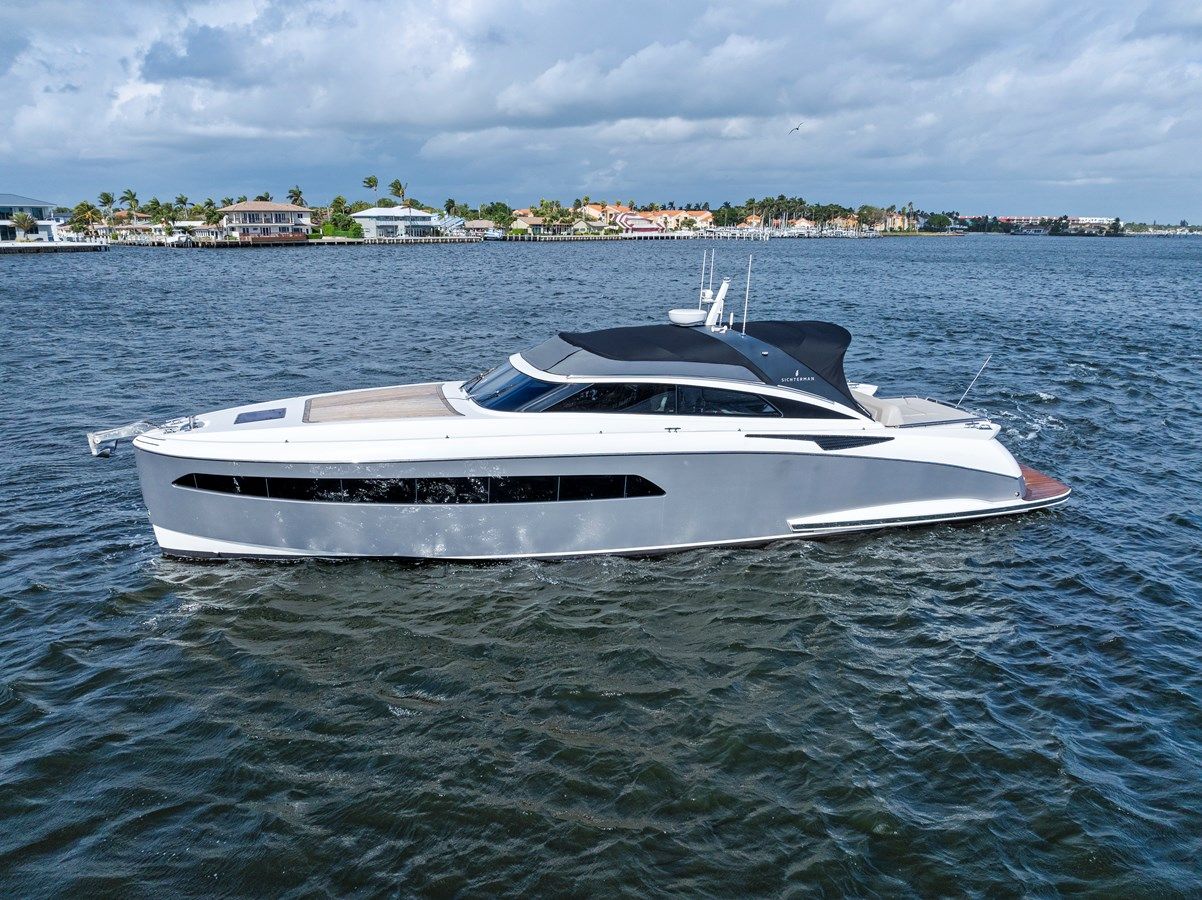
SICHTERMAN - For Sale
Company History
-
English:
Sichterman Yachts is a contemporary Dutch yacht builder known for combining modern naval engineering with timeless design. The brand emerged in the Netherlands in the late 2010s and quickly introduced a coherent family of semi-custom aluminum yachts. From the outset, Sichterman positioned itself at the intersection of efficiency, comfort, and understated elegance, partnering with two of the Netherlands’ most respected studios: Cor D. Rover Design for exterior styling and general concept, and Van Oossanen Naval Architects for hydrodynamics and performance. Sichterman’s early line-up centered on yachts in the 15–23 meter range, notably the Libertas 15M, the Felicità 20M, and the Nicodemus 23M, conceived to offer the handling and range of a modern cruiser with the artisanal finish associated with Dutch boatbuilding.
The company’s approach emphasizes complete Dutch build quality in aluminum, semi-custom flexibility to tailor layouts and finishes, and the integration of Van Oossanen’s efficiency technologies such as the Fast Displacement Hull Form (FDHF) and, as applicable, the Hull Vane appendage to enhance fuel economy and seakeeping. After the first launches around 2019, Sichterman drew attention for blending practical, day-to-day usability—easy circulation, smart storage, and intuitive helm ergonomics—with a restrained aesthetic signature. This philosophy helped the brand earn recognition among owners seeking a refined, low-maintenance yacht with long-legged cruising credentials and a distinctly Dutch pedigree. -
Nederlands:
Sichterman Yachts is een moderne Nederlandse jachtbouwer die bekendstaat om het verenigen van eigentijdse techniek met tijdloze vormgeving. Het merk kwam in de tweede helft van de jaren 2010 in Nederland op en introduceerde al snel een coherente serie semimaatwerkjachten in aluminium. Vanaf het begin positioneerde Sichterman zich op het snijvlak van efficiëntie, comfort en ingetogen elegantie, in nauwe samenwerking met twee gerenommeerde Nederlandse partijen: Cor D. Rover Design voor het exterieur en de algemene conceptontwikkeling, en Van Oossanen Naval Architects voor hydrodynamica en prestaties. De eerste modellen richtten zich op het 15–23-metersegment, waaronder de Libertas 15M, de Felicità 20M en de Nicodemus 23M, met het doel de vaareigenschappen en het bereik van een moderne cruiser te combineren met de ambachtelijke afwerking die bij Nederlands vakmanschap hoort.
De werkwijze draait om volledig Nederlandse aluminium bouwkwaliteit, semimaatwerk voor indelingen en afwerking, en de toepassing van efficiëntietechnologie van Van Oossanen, zoals de Fast Displacement Hull Form (FDHF) en, waar passend, de Hull Vane voor een lager brandstofverbruik en betere zeegang. Sinds de eerste opleveringen rond 2019 valt Sichterman op door praktische bruikbaarheid—logische looproutes, slimme bergruimte en intuïtieve besturing—en een ingetogen esthetiek. Dit heeft het merk aantrekkelijk gemaakt voor eigenaren die een verfijnd, onderhoudsvriendelijk jacht met groot vaarbereik en een uitgesproken Nederlandse signatuur zoeken. -
Deutsch:
Sichterman Yachts ist eine niederländische Werft der jüngeren Generation, die moderne Schiffstechnik mit zeitloser Gestaltung verbindet. Das Unternehmen trat Ende der 2010er Jahre in den Niederlanden in Erscheinung und stellte zeitnah eine stimmige Modellfamilie aus halb-kundenspezifischen Aluminiumyachten vor. Von Beginn an setzte Sichterman auf eine enge Zusammenarbeit mit Cor D. Rover Design (Exterieur/Designkonzept) und Van Oossanen Naval Architects (Hydrodynamik/Leistung). Die frühen Modelle – darunter Libertas 15M, Felicità 20M und Nicodemus 23M – zielen auf das 15–23-Meter-Segment und kombinieren die Reichweite und Effizienz moderner Cruiser mit der handwerklichen Verarbeitungsqualität, die man mit dem niederländischen Yachtbau verbindet.
Kern des Ansatzes ist die Aluminiumkonstruktion „Made in Holland“, semikundenspezifische Anpassungen bei Layout und Finish sowie die Integration der Effizienzlösungen von Van Oossanen, insbesondere der Fast Displacement Hull Form (FDHF) und optional des Hull Vane. Seit den ersten Auslieferungen um 2019 wird Sichterman für alltagstaugliche Details – klare Wegeführung, Stauraum, ergonomische Steuerstände – und eine zurückhaltende, langlebige Formensprache geschätzt. -
Français:
Sichterman Yachts est un constructeur néerlandais contemporain qui marie ingénierie navale moderne et design intemporel. Apparue aux Pays-Bas à la fin des années 2010, la marque a rapidement présenté une gamme cohérente de yachts semi-custom en aluminium. Dès l’origine, Sichterman a collaboré avec des références néerlandaises: Cor D. Rover Design pour le style extérieur et le concept général, et Van Oossanen Naval Architects pour l’architecture navale et l’hydrodynamique. Les premiers modèles – Libertas 15M, Felicità 20M et Nicodemus 23M – ciblent la plage de 15 à 23 mètres et associent l’autonomie et l’efficacité d’un cruiser moderne à la finition artisanale propre au savoir-faire hollandais.
La philosophie met l’accent sur une construction intégralement néerlandaise en aluminium, un degré élevé de personnalisation, ainsi que l’adoption des solutions d’efficacité de Van Oossanen, comme la carène FDHF (Fast Displacement Hull Form) et, le cas échéant, le Hull Vane pour réduire la consommation et améliorer le comportement marin. Depuis les premières mises à l’eau autour de 2019, Sichterman séduit par une utilisation pratique – circulation simple, rangements intelligents, ergonomie – et une esthétique sobre et durable. -
Español:
Sichterman Yachts es un astillero holandés actual que combina ingeniería naval de vanguardia con un diseño atemporal. Surgido en los Países Bajos a finales de la década de 2010, el astillero presentó pronto una familia coherente de yates semipersonalizables en aluminio. Desde el inicio, Sichterman colaboró con referentes neerlandeses: Cor D. Rover Design en el diseño exterior y concepto general, y Van Oossanen Naval Architects en arquitectura naval y rendimiento. Sus primeros modelos – Libertas 15M, Felicità 20M y Nicodemus 23M – se sitúan entre 15 y 23 metros, aunando la autonomía y eficiencia de un cruiser moderno con el acabado artesanal asociado al “Dutch build”.
El enfoque se centra en construcción íntegramente holandesa en aluminio, opciones de semipersonalización y la integración de tecnologías de eficiencia de Van Oossanen, como la FDHF (Fast Displacement Hull Form) y, cuando procede, el Hull Vane para mejorar consumo y estabilidad. Tras las primeras botaduras alrededor de 2019, Sichterman ha destacado por su practicidad a bordo y una estética sobria que resiste al paso del tiempo.
Country of Origin
-
English:
The Netherlands. -
Nederlands:
Nederland. -
Deutsch:
Niederlande. -
Français:
Pays-Bas. -
Español:
Países Bajos.
Manufacturing Locations
-
English:
Sichterman Yachts builds its models in the Netherlands, utilizing Dutch aluminum construction and a network of specialized local suppliers and craftsmen. Naval architecture is developed by Van Oossanen, and the overall design language is created by Cor D. Rover Design. Final assembly, outfitting, and sea trials are conducted in the Netherlands, leveraging the country’s dense maritime supply chain and quality control culture that Dutch yachtbuilding is known for. The emphasis on a 100% Dutch build supports consistency in metalwork, systems integration, and finishing standards, while enabling semi-custom execution within each length category. -
Nederlands:
Sichterman Yachts bouwt in Nederland, met aluminiumconstructie en een netwerk van gespecialiseerde Nederlandse toeleveranciers en vakmensen. De scheepsarchitectuur wordt ontwikkeld door Van Oossanen en de vormgeving door Cor D. Rover Design. Afbouw en proefvaarten vinden in Nederland plaats, waarbij men profiteert van de sterke maritieme infrastructuur en kwaliteitscultuur van de Nederlandse jachtbouw. De focus op volledig Nederlandse bouw borgt consistente plaatbewerking, systeemintegratie en afwerkingskwaliteit, en maakt semimaatwerk per model mogelijk. -
Deutsch:
Sichterman Yachts fertigt in den Niederlanden. Die Werft setzt auf Aluminiumbau und ein Netzwerk lokaler Spezialbetriebe und Zulieferer. Die hydrodynamische Auslegung stammt von Van Oossanen, das Design von Cor D. Rover. Endmontage, Ausrüstung und Probefahrten erfolgen in den Niederlanden, was die Nutzung der etablierten maritimen Lieferkette und strenger Qualitätsstandards ermöglicht. Die konsequent niederländische Fertigung sorgt für gleichbleibende Qualität in Metallbau, Systemintegration und Finish und erlaubt semi-kundenspezifische Ausführungen. -
Français:
Sichterman Yachts fabrique ses unités aux Pays-Bas, en s’appuyant sur une construction en aluminium et un réseau de fournisseurs et d’artisans locaux spécialisés. L’architecture navale est signée Van Oossanen, tandis que le design global est assuré par Cor D. Rover Design. L’assemblage final, l’aménagement et les essais en mer sont réalisés aux Pays-Bas, profitant d’une chaîne d’approvisionnement maritime dense et d’une culture de contrôle qualité reconnue. Cette logique de construction 100 % néerlandaise garantit la constance du niveau de finition et la flexibilité du semi-custom. -
Español:
Sichterman Yachts construye en los Países Bajos, con casco y superestructura en aluminio y el apoyo de una red de proveedores y artesanos locales. La arquitectura naval corre a cargo de Van Oossanen y el diseño global de Cor D. Rover. El armado final, la instalación de sistemas y las pruebas de mar se realizan en territorio neerlandés, aprovechando la cadena de suministro marítima del país y sus altos estándares de calidad. Este enfoque 100 % holandés aporta consistencia y permite un alto grado de semipersonalización.
Reputation and Quality
-
English:
Sichterman Yachts has established a reputation for Dutch build integrity, efficient cruising, and elegantly restrained styling. The collaboration with Van Oossanen brings proven hydrodynamic solutions—especially the Fast Displacement Hull Form and, where specified, the Hull Vane appendage—that help reduce resistance, improve running trim, and extend range at mixed speeds. Owners value the quiet ride and balanced handling, as well as the attention to practical details such as easy side-deck access, protected helm visibility, and storage engineered for real-world use.
The Cor D. Rover design language is deliberately timeless, favoring clean sheer lines and uncluttered decks over short-lived trends. Interiors are tailored within a semi-custom framework, with a focus on durable materials, rational layouts, and a light-filled atmosphere. Finish quality reflects the broader tradition of Dutch yachtbuilding: precise metalwork, methodical systems installation, and meticulous joinery. While Sichterman is a relatively young marque, the use of esteemed Dutch partners and a full-Holland supply chain has underpinned confidence among buyers seeking a serious yet usable cruiser in the 15–23 meter class. The brand is also frequently noted for its efficiency-focused ethos, aligning with the demands of owners who cruise long distances or in regions with variable sea states, where comfortable, economical passagemaking matters as much as top speed. -
Nederlands:
Sichterman Yachts staat bekend om Nederlandse bouwkwaliteit, efficiënt vaargedrag en een ingetogen, tijdloze vormtaal. De samenwerking met Van Oossanen levert beproefde hydrodynamische oplossingen—waaronder FDHF en, indien toegepast, de Hull Vane—die de weerstand verlagen, het vaargedrag optimaliseren en het bereik vergroten. Eigenaars waarderen de stille vaart en het uitgebalanceerde stuurgedrag, evenals praktische details zoals veilige gangboorden, goed zicht vanuit de stuurpositie en doordachte bergruimte.
De signatuur van Cor D. Rover is bewust tijdloos met strakke lijnen en opgeruimde dekken. Het interieur wordt binnen een semimaatwerk-kader naar wens ingericht, met duurzame materialen, logische indelingen en veel daglicht. De afwerking weerspiegelt de Nederlandse jachtbouwtraditie: strakke plaatbewerking, ordelijke systeeminstallatie en fijn timmerwerk. Hoewel Sichterman een jong merk is, geven de samenwerking met gerenommeerde Nederlandse partners en een volledig Nederlandse toeleveringsketen vertrouwen aan kopers die een serieuze, gebruiksvriendelijke cruiser in de 15–23 meterklasse zoeken. Het merk wordt vaak geroemd om zijn focus op efficiëntie—relevant voor langere tochten en uiteenlopende zeegangen, waar comfort en gunstig verbruik net zo belangrijk zijn als topsnelheid. -
Deutsch:
Sichterman Yachts genießt den Ruf, hochwertige niederländische Bauqualität, effiziente Fahrleistungen und eine elegante, zurückhaltende Formsprache zu vereinen. Dank der Zusammenarbeit mit Van Oossanen kommen bewährte hydrodynamische Lösungen zum Einsatz—insbesondere FDHF und optional der Hull Vane—die Widerstand reduzieren, die Lage im Wasser verbessern und die Reichweite erhöhen. Eigner loben die Laufruhe, das ausgewogene Handling und die praktische Umsetzbarkeit an Bord, etwa durch sichere Seitendecks, gute Übersicht am Steuerstand und funktionale Stauräume.
Die Gestaltung von Cor D. Rover ist bewusst zeitlos und setzt auf klare Linien und aufgeräumte Decks. Innenräume werden im Semi-Custom-Rahmen an Kundenwünsche angepasst, mit robusten Materialien, logischen Grundrissen und viel natürlichem Licht. Die Ausführungsqualität steht in der Tradition des niederländischen Yachtbaus: präzise Metallarbeiten, saubere Systeminstallation und hochwertige Tischlerei. Obwohl die Marke noch jung ist, schafft die konsequente Einbindung renommierter niederländischer Partner Vertrauen bei Käufern, die im 15–23-Meter-Bereich nach einem effizienten, praxistauglichen Cruiser suchen. -
Français:
Sichterman Yachts s’est bâti une réputation de construction hollandaise irréprochable, de croisière efficiente et d’esthétique sobre. Grâce au partenariat avec Van Oossanen, des solutions hydrodynamiques éprouvées—FDHF et, en option, le Hull Vane—réduisent la traînée, optimisent l’assiette et allongent l’autonomie à vitesses variées. Les propriétaires apprécient le silence de fonctionnement, l’équilibre de la carène et l’attention portée aux usages quotidiens: circulation bord sûre, visibilité au poste de pilotage et rangements bien pensés.
La signature de Cor D. Rover privilégie la pérennité: lignes pures, ponts dégagés et intérieurs réalisés dans un cadre semi-custom, avec matériaux durables et plans rationnels. La qualité de finition reflète la tradition néerlandaise: chaudronnerie précise, installation méthodique des systèmes et menuiserie soignée. Bien que jeune, la marque inspire confiance en s’appuyant sur des partenaires hollandais de premier plan et une chaîne d’approvisionnement entièrement locale, répondant aux attentes des plaisanciers qui recherchent un cruiser efficace et polyvalent dans la classe 15–23 mètres. -
Español:
Sichterman Yachts se ha ganado un reconocimiento por su calidad de construcción holandesa, su eficiencia en navegación y su estilo discreto. La colaboración con Van Oossanen aporta soluciones hidrodinámicas contrastadas—FDHF y, cuando procede, Hull Vane—que reducen la resistencia, mejoran la actitud de marcha y amplían la autonomía. Los armadores destacan la navegación silenciosa, el equilibrio del casco y los detalles prácticos: pasillos laterales seguros, visibilidad protegida en el puesto de mando y estiba diseñada para la vida a bordo.
El lenguaje formal de Cor D. Rover apuesta por la atemporalidad: líneas limpias y cubiertas despejadas. Los interiores se adaptan dentro de un marco semipersonalizable, con materiales duraderos y distribuciones lógicas. La terminación refleja la tradición del “Dutch build”: metalistería precisa, instalación ordenada de sistemas y ebanistería cuidada. Aunque es una marca joven, la elección de socios neerlandeses de alto nivel y una cadena de suministro completamente holandesa generan confianza entre quienes buscan un cruiser serio y eficiente en la franja de 15–23 metros.
Main Competitors
Sichterman operates in the premium, semi-custom segment of 15–23 meter motor yachts with a strong emphasis on Dutch aluminum construction, refined design, and efficient naval architecture. In this niche, the most relevant competitors are other Northern European and particularly Dutch builders that prioritize craftsmanship, customization, and seakeeping efficiency over mass production. There are also several “adjacent” brands—some building in composite rather than aluminum—that target the same clientele profile and length range.
-
Van der Valk Shipyard (Netherlands)
Van der Valk builds semi-custom aluminum motoryachts across a broad size band, with many projects featuring advanced hydrodynamics (including Van Oossanen on various models) and contemporary design. Their emphasis on Dutch craftsmanship, customization, and performance efficiency places them in direct consideration for buyers looking at Sichterman. Van der Valk’s portfolio spans flybridge, raised-pilothouse, and explorer/crossover concepts, offering owners similar benefits in terms of bespoke outfitting, long-range comfort, and a “full Dutch” production ecosystem. -
Mulder Shipyard (Netherlands)
Mulder is another high-end Dutch yard that works extensively in aluminum and is recognized for timeless styling and meticulous finish. While Mulder builds both in Sichterman’s size class and above, the overlap is meaningful for clients who prioritize understated design, quiet ride, and high-quality systems integration. Mulder’s semi-custom approach and Dutch supply chain mirror Sichterman’s value proposition, creating healthy overlap in customer consideration sets. -
Holterman Shipyard (Netherlands)
Holterman’s portfolio of steel and aluminum motoryachts (including the X-treme and Commander lines) combines Northern European craftsmanship with robust engineering and long-distance capability. Several Holterman models feature naval architecture by Van Oossanen, underlining an engineering philosophy similar to Sichterman’s emphasis on efficiency and seakeeping. For buyers weighing rugged cruising ability and bespoke interiors in the ~50–90 ft band, Holterman is a frequent comparator. -
Steeler Yachts (Netherlands)
Steeler produces custom and semi-custom yachts in aluminum and steel, with a strong track record in European design awards and owner satisfaction. Their focus on efficient hulls, careful weight management, and client-specific layouts aligns with Sichterman’s ethos. Steeler’s range overlaps the same general size bracket, making it a relevant option for owners prioritizing efficiency and Dutch craftsmanship. -
Vanquish Yachts (Netherlands)
Vanquish is known for fast, edgy aluminum dayboats and weekenders. While the design language is sportier and more avant-garde than Sichterman’s deliberately timeless aesthetic, the two brands often appear on the same shortlists because both offer aluminum construction, Dutch build quality, customization, and premium detailing. Vanquish’s performance orientation appeals to clients who also value the efficiency-minded, high-quality build that Sichterman champions—albeit in a different design idiom. -
Wajer Yachts (Netherlands)
Wajer builds premium composite dayboats and weekenders from approximately 38 to 77 feet. Despite the material difference (composite vs. Sichterman’s aluminum), the market overlap is real: both target owners looking for refined, low-maintenance, high-quality European yachts ideal for Med and Caribbean day cruising with the capability to stretch to short cruises. Wajer’s strong brand equity and customer service network make it a recurring alternative in this buyer segment. -
Zeelander Yachts (Netherlands)
Zeelander focuses on retro-modern composite yachts with luxurious finishes and quiet, smooth operation. Owners often compare Zeelander’s calm aesthetics and premium detailing with Sichterman’s restrained design philosophy, even though the hull materials differ. Zeelander’s sweet spot in the 44–72 ft range positions it as an alternative for clients seeking style-forward, high-quality Dutch builds for fast, comfortable coastal cruising. -
VanDutch (Netherlands origin, now under Cantiere del Pardo)
VanDutch offers minimalist, high-style composite dayboats and weekenders. While historically associated with lifestyle and fashion-forward boating, the brand often appears as a comparator for buyers considering smaller Sichterman models intended for day use plus occasional overnights. The common thread is a focus on clean design, Mediterranean usage profiles, and premium positioning. -
Van der Heijden, Zijlmans, and similar Dutch boutique yards
Several smaller Dutch builders operate in steel or aluminum within the 50–80 ft range, offering custom or semi-custom layouts and a “Made in Holland” narrative. These boutique players are not always as visible internationally as the larger names, but for knowledgeable buyers they can sit beside Sichterman on a shortlist because of their shared focus on craftsmanship and owner-specific solutions. -
International premium “adjacent” brands (indirect competitors)
A few composite builders outside the Netherlands also compete for the same owner demographics, particularly those who may value space, speed, and service networks over aluminum construction. Examples include Bluegame (by Sanlorenzo), which offers crossover-style open yachts in the 40–70+ ft range; and select models from Riva or Princess that appeal to clients focused on luxury and brand cachet. While the build philosophies and materials diverge from Sichterman’s, these brands can be cross-shopped when an owner’s priority is usage profile and design language rather than construction material.
In summary, Sichterman’s most direct competitors are Dutch and Northern European yards offering aluminum (and sometimes steel) semi-custom yachts with advanced naval architecture and a premium finish: Van der Valk, Mulder, Holterman, Steeler, and Vanquish are consistently relevant. Wajer and Zeelander stand as high-profile Dutch alternatives in composite, vying for similar owner lifestyles and cruising patterns.
Current Production Status
Sichterman is a boutique, semi-custom Dutch builder. Its production model is orderbook-driven rather than series mass production, with a tightly controlled build process in the Netherlands and a reliance on trusted Dutch partners for naval architecture (Van Oossanen) and exterior design/concepts (Cor D. Rover). The brand’s portfolio coherently covers the 15–23 meter class, with aluminum construction and efficiency-focused hull design as core attributes.
As of the latest publicly available information up to 2024, Sichterman continues to position itself as an active, build-to-order yard. The company’s messaging centers on:
- 100% Dutch construction and fit-out in aluminum.
- A semi-custom approach to layouts and materials, allowing owners to personalize interior configurations without moving into fully one-off superyacht territory.
- Efficiency and seakeeping as key differentiators, leveraging hydrodynamic solutions developed by Van Oossanen (notably their fast-displacement expertise and, on applicable sizes, appendage technologies aimed at reducing drag and improving trim).
- A design language by Cor D. Rover that emphasizes timeless lines, clean sheer, and practical deck ergonomics over short-lived styling trends.
Given its size and positioning, Sichterman’s build cadence is inherently limited and tailored to the orderbook. Boutique Dutch yards in this size range generally plan and schedule hulls sequentially to control quality, with the ability to adapt engineering and interiors to owner preferences. This structure typically results in a small number of launches per year, with substantial owner involvement during specification and build milestones.
Nothing publicly available up to the 2024 timeframe indicates a cessation of activity, a change of core partnerships, or a relocation away from the Netherlands. Instead, the brand maintains its emphasis on Dutch craftsmanship, semi-custom flexibility, and hydrodynamic efficiency. Prospective buyers usually engage directly with the yard for up-to-date delivery timelines, slot availability, and configuration options, which can vary based on the complexity of specifications and supplier lead times for premium systems.
From an owner’s perspective, Sichterman’s ongoing production stance translates into:
- Predictable quality control through a single-country supply chain and build program.
- The ability to specify materials, finishes, and layouts within pre-engineered envelopes for each length.
- Access to contemporary efficiency solutions that support comfortable mixed-speed cruising and reduced fuel burn—attributes that resonate with owners who split time between day boating and extended coastal passages.
Latest News
Sichterman’s news flow is characteristic of a privately held, boutique yard: major public updates tend to align with product milestones (new model introductions, first launches) and strategic partnerships rather than frequent, granular announcements. Based on widely reported information up to 2024, the following items capture the brand’s trajectory and positioning:
-
Brand introduction and strategic partnerships
Sichterman came to market in the late 2010s with a clear strategy: pair contemporary Dutch yachtbuilding in aluminum with design by Cor D. Rover and naval architecture by Van Oossanen. This partnership framework—design, hydrodynamics, and construction all anchored in the Netherlands—was a foundational announcement for the brand and remains central to its identity. It immediately signaled Sichterman’s commitment to efficiency, build quality, and restrained, enduring aesthetics. -
Early model line and first deliveries
The initial Sichterman family centered on models in the 15–23 meter range, with the early publicized boats including the Libertas (approximately 15 meters) and a circa-20-meter model often referenced in the press for its first delivery around 2019. These yachts combined semi-custom flexibility with practical on-deck circulation, generous natural light in the accommodation, and a focus on quiet, comfortable cruising. The deliveries drew attention to the yard’s metalwork precision and to the application of Van Oossanen’s efficiency philosophies in yachts small enough to be owner-operated but sophisticated in their engineering. -
Continued commitment to Dutch build and efficiency features
Subsequent communications and coverage underscored Sichterman’s continued use of Dutch suppliers, aluminum construction, and hydrodynamic solutions designed to reduce resistance and improve seakeeping. In applicable sizes, appendage technologies developed by Van Oossanen have been highlighted in the broader market for their potential to improve running trim and fuel economy. Sichterman’s positioning remained consistent: timeless design, practical ergonomics, and efficient cruising rather than chasing short-lived stylistic or speed extremes. -
Ongoing presence within the boutique Dutch yachtbuilding landscape
Through the early 2020s and up to 2024, Sichterman maintained a steady profile consistent with a bespoke builder: marketing a compact, coherent range; engaging directly with owners and designers to tailor each hull; and leveraging the Netherlands’ dense maritime ecosystem for metalwork, systems integration, and finishing. There were no publicly noted ownership upheavals or departures from the brand’s original collaboration model during this period. -
Alignment with buyer preferences for mixed-use cruising
Market commentary around Sichterman often highlights the brand’s suitability for mixed-use Mediterranean and Northern European cruising—day boating, weekend trips, and longer coastal passages—where efficiency, low noise/vibration, and easy handling are valued. Sichterman’s messaging and product execution have remained in sync with these preferences, emphasizing layouts that support social spaces on deck, all-weather helm comfort, and practical storage.
Because Sichterman is not a high-volume or publicly listed company, highly granular updates—such as individual contract signings or specific build slot allocations—are rarely disclosed in the public domain. Prospective clients typically obtain real-time information by contacting the yard or its official representatives. Nevertheless, the pattern of publicly available information through 2024 is consistent: a focused lineup, active collaboration with Cor D. Rover and Van Oossanen, and delivery of semi-custom aluminum yachts built entirely in the Netherlands for owners who value efficiency, quiet comfort, and timeless design.
In essence, the “latest” story for Sichterman has been one of continuity rather than radical change: a steady reaffirmation of its Dutch-boutique identity, an order-driven production cadence, and a product philosophy centered on efficient, semi-custom aluminum yachts in the 15–23 meter class.
Frequently Asked Questions
Question: Who is Sichterman and what kind of yachts do they build?
Answer: Sichterman is a Dutch semi-custom builder focused on premium aluminum motor yachts generally in the 15–23 meter range. The brand’s hallmark is a blend of efficient naval architecture, understated exterior styling, and practical, owner-operated usability.
Question: What distinguishes Sichterman’s naval architecture?
Answer: The yachts are engineered around advanced hydrodynamic principles developed by leading Dutch naval architects, emphasizing a fast-displacement approach that delivers low resistance over a broad speed range. This supports efficient cruising at mixed speeds, comfortable seakeeping, and predictable handling. Depending on the model and specification, additional appendage solutions may be employed to improve running trim and efficiency.
Question: Who designs the exteriors and interiors?
Answer: Exterior styling and the overall design language are associated with a renowned Dutch design studio known for clean lines, balanced proportions, and practical deck ergonomics. Interiors are executed within a semi-custom framework so layouts, materials, and finishes can be adapted to owner preferences while keeping the platform pre-engineered and reliable.
Question: Why aluminum construction?
Answer: Marine-grade aluminum (typically 5000/6000-series alloys) combines strength, light weight, excellent corrosion resistance when properly specified, and structural flexibility for semi-custom adaptation. For yachts in the 15–23 meter class, aluminum enables precise weight management, responsive handling, and highly detailed metalwork. It also tolerates localized modifications more readily than many composites.
Question: What kind of propulsion is typically used?
Answer: Twin diesel installations are standard, with configurations that may include either pod-drive systems (for joystick maneuverability, dynamic positioning, and compact engine-room layouts) or conventional inboard shafts (for robustness and service familiarity). Selection depends on the model and the owner’s intended usage profile—day boating, extended cruising, or a balance of both.
Question: What are the typical speed and range characteristics?
Answer: Exact figures vary by hull, engine package, load, and sea state. Generally, the boats are optimized for comfortable and efficient cruising across a wide band of speeds, with top-end performance that satisfies sporty day-trip use while retaining the economy to run efficiently at lower cruise numbers. The design objective emphasizes real-world range and efficiency rather than chasing headline speeds.
Question: Are stabilizers available?
Answer: Gyroscopic stabilization is commonly specified in this size segment for comfort at rest and at low speeds. Some owners also select fin-based stabilization on larger variants. The optimal stabilization approach depends on model length, weight distribution, and the owner’s typical sea conditions.
Question: How “custom” is the semi-custom approach?
Answer: The platforms are pre-engineered for reliability and performance, but key elements—interior layouts, materials, soft goods, carpentry details, and selected technical options—are configurable. This achieves a balance between one-off individuality and the consistency that comes from proven engineering and established supplier packages.
Question: What is the typical accommodation plan?
Answer: Layouts vary by length. In the 15-meter class, expect a dayboat/weekender ethos with 1–2 cabins and a focus on open decks and social spaces. Around 20 meters, 2–3 cabins are typical, often with a full-beam owner’s cabin or an optimized VIP arrangement, plus crew-for-two capability if requested. Each hull can be tailored to prioritize either guest space or technical/storage functions.
Question: What deck ergonomics are characteristic of the brand?
Answer: The exterior is designed for everyday usability: wide side decks, secure bulwarks/handholds, and efficient circulation from cockpit to foredeck. The helm is arranged for excellent sightlines, intuitive switchgear, and reduced fatigue on long passages. Fenders, lines, and safety gear are given dedicated storage to minimize clutter.
Question: How does Sichterman address noise and vibration?
Answer: Sound/vibration dampening is approached systemically: resilient engine mounts, floating floors and bulkheads in sensitive areas, acoustic insulation in the engine room and critical machinery spaces, careful alignment of drivetrain components, and methodical isolation of pumps and compressors. Aluminum’s stiffness-to-weight ratio, combined with thoughtful structural design, helps control resonances.
Question: What about systems integration and redundancy?
Answer: The boats are engineered with disciplined cable and piping runs, labeled systems, and service-friendly access points. Redundancy is typically built into critical systems—bilge pumps, freshwater pumps, autopilot components, and power distribution—consistent with best practices in this size range. Owners benefit from straightforward maintenance and the ability to troubleshoot quickly when needed.
Question: Which certifications and categories apply?
Answer: Yachts in this category commonly target CE certification appropriate to offshore cruising. Depending on model and configuration, CE Category B (Offshore) or CE Category A (Ocean) may be applicable. The exact category is determined by the specific boat and its declared design parameters.
Question: How are paint and corrosion protection handled on aluminum hulls?
Answer: A multi-stage coating system is used, starting with thorough surface preparation and appropriate primers for aluminum. Fairing, high-build primers, and topcoat systems from established marine paint suppliers are applied to deliver a durable, high-gloss finish. Sacrificial anodes and robust electrical bonding/isolating techniques mitigate galvanic corrosion.
Question: Are hybrid or alternative propulsion options available?
Answer: The core offerings center on conventional diesel or diesel-with-pod systems, chosen for reliability and range in this size class. Availability of hybrid or advanced energy packages depends on the specific model and the feasibility within the pre-engineered envelope. Electrical architecture typically supports robust battery banks, inverter/charger systems, and shore-power adaptability.
Question: What kind of owner operates a Sichterman?
Answer: Most owners run the boats themselves or with minimal crew, valuing easy handling (especially with joystick-equipped pods), reliable systems, and layouts that support both day use and extended weekends. The blend of efficiency, quiet operation, and careful detailing fits Mediterranean, Northern European, and coastal U.S. cruising profiles.
Question: How does the brand compare with more mass-produced yachts?
Answer: The emphasis is on Dutch craftsmanship, semi-custom flexibility, and hydrodynamic efficiency rather than large-scale series production. Owners typically prioritize long-term build integrity, clean design, and the ability to tailor details over standardized volume production.
Question: Is there a focus on sustainability beyond fuel efficiency?
Answer: Beyond hydrodynamic efficiency and careful weight management, sustainability considerations often show up in durable interior materials, long service life of components, and the ability to refit and update aluminum structures over time. The construction and systems planning are intended to minimize wasteful rework and to support lifecycle longevity.
Question: What safety features are typical?
Answer: Multi-zone bilge compartments with alarms, high-capacity bilge pumping, fire detection/suppression in machinery spaces, anti-slip deck treatments, grab rails in key areas, and protected fuel/electrical routing reflect the attention to safety. Navigation electronics and helm ergonomics are specified to reduce workload and improve situational awareness.
Question: How are tenders and toys managed on yachts of this size?
Answer: In the 15–20 meter segment, tenders are commonly towed or stored on the platform with suitable chocks and quick-release systems. Larger models may incorporate integrated lifting solutions or garage-like storage depending on deck plan, but many owners prioritize open deck social space over enclosed storage in this length range.
Question: What is the typical ownership experience regarding maintenance?
Answer: Ownership is streamlined by clear systems labeling, accessible service points, and the use of widely supported mechanical and electrical equipment. Routine tasks—engine services, coolant and oil changes, anode replacement, filter swaps, and seasonal paint work—follow standard intervals for premium diesel installations. Aluminum hulls, when properly coated and protected, demonstrate excellent durability with predictable maintenance cycles.
Question: Do these yachts suit warm or cold climates?
Answer: The platforms are adaptable. In warm regions, shading solutions, high-capacity air-conditioning, and open-plan deck arrangements support day boating and alfresco living. In colder climates, enclosed or semi-enclosed helms, robust heating, and insulation strategies maintain comfort, with layouts that accommodate clothing stowage and protected passage around the deck.
Question: What about resale and long-term value?
Answer: Dutch craftsmanship, aluminum construction, and efficiency-focused naval architecture are attributes that tend to be appreciated on the secondary market. Value retention ultimately depends on condition, specification, maintenance history, and market timing, but the underlying engineering and build pedigree are positives for long-term ownership.
Question: Is there anything owners should know about crew spaces at these lengths?
Answer: On the 15-meter class, yachts are primarily owner-operated with no dedicated crew accommodation. Around 20 meters, an optional compact crew cabin for one or two can be built in, usually accessed independently to preserve guest privacy. Storage and service corridors are arranged to keep technical access unobtrusive.
Question: How flexible are electrical and electronics packages?
Answer: The electrical backbone is designed to accept a range of navigation, communication, and entertainment systems from leading marine suppliers. Owners typically specify integrated bridge systems scaled to the yacht’s size, with attention paid to redundancy, clean power, and intuitive user interfaces.
Question: What defines the interior design philosophy?
Answer: The aesthetic is deliberately timeless: neutral palettes, quality veneers and stones, tactile textiles, and careful lighting layering. Plans are efficient rather than ostentatious, with a priority on circulation, headroom, and practical stowage. The result is an atmosphere that remains fresh over long ownership cycles.
Question: Are there regional differences in how these yachts are specified?
Answer: Yes. For example, Mediterranean owners may emphasize exterior lounging and sun protection, while Northern European owners may opt for enclosed or semi-enclosed pilothouses and additional heating. Electrical, HVAC, and glazing specifications often reflect local climate and usage patterns.
Question: How is quality control handled?
Answer: Quality control is anchored in Dutch metalwork, meticulous systems installation, and structured factory acceptance procedures. Sea trials validate performance criteria such as noise levels, trim behavior, fuel burn across speed bands, and helm ergonomics. Documentation delivered with the yacht allows owners to maintain traceability for components and services.
Question: Do these yachts carry notable design or engineering awards?
Answer: Recognition in the European press and at marine events has highlighted the combination of Dutch craftsmanship and hydrodynamic efficiency. Specific awards vary by year and model; the brand has been positively cited for its execution quality, design restraint, and owner-oriented practicality.
Question: What is the typical lead time from order to delivery?
Answer: Build schedules are orderbook-driven and depend on model, options, and supplier lead times for engines, systems, and interiors. The overall cadence mirrors other boutique Dutch builders: a careful sequence that favors precision, documentation, and verified performance over speed of throughput.
Question: What kind of owner support is expected after delivery?
Answer: Post-delivery support generally focuses on commissioning follow-up, systems familiarization, and warranty handling for major equipment packages through their respective manufacturers. Owners benefit from the clarity of documentation, labeled systems, and the use of widely supported marine components.
Question: What are the strongest reasons owners shortlist this brand?
Answer: Dutch aluminum build quality, efficiency-first naval architecture, refined and timeless design, and semi-custom flexibility. For owners who split time between day boating and longer coastal passages, that combination provides a compelling balance of performance, comfort, and durability.
Question: Can the yachts be equipped for colder water operations?
Answer: Yes. Common adaptations include upgraded insulation, demisting and heated windscreen solutions, enhanced heating, and enclosure options for exterior decks. Careful selection of materials and coatings supports all-weather use and simplified clean-down after winter operations.
Question: How is safety managed during docking and tight-quarters maneuvering?
Answer: With pod-drive configurations, joystick control and station-keeping features aid docking. On shaft-driven variants, bow and stern thrusters, camera systems, and well-positioned sightlines assist the operator. Fendering and hardware placement are set up to streamline single- or short-handed operations.
Question: What approach is taken to weight distribution and fuel layout?
Answer: Tanks, machinery, and heavy systems are positioned to maintain longitudinal and transverse balance, contributing to predictable trim and comfortable running attitudes across loading conditions. This careful weight discipline is part of what enables efficient mixed-speed cruising.
Question: Are there options for hardtop or open configurations?
Answer: Yes. The 15-meter class model emphasizes open-air day boating with shading solutions, while larger models often offer semi-enclosed or enclosed helm environments. Hardtop options, opening roof panels, and glazing packages are selected based on climate and owner preference.
Question: What kind of documentation accompanies delivery?
Answer: Owners can expect comprehensive manuals, wiring/piping diagrams, equipment lists, and maintenance schedules for major systems. This documentation simplifies ownership and helps technicians perform service efficiently and correctly.
Question: How does the brand approach interior air quality and climate?
Answer: Ventilation strategies include carefully routed intake/exhaust paths, quiet blowers, and ducting that prioritizes even temperature distribution. Materials are selected for durability and low emissions appropriate to marine interiors, with accessible filters and service points for HVAC components.
Question: Can these yachts accommodate water toys and diving gear?
Answer: Yes. Storage solutions for diving gear, paddleboards, and other toys are integrated into deck lockers and lazarettes. On larger hulls, owners may specify dedicated lockers with drainage, ventilation, and power points for charging auxiliary equipment.
Question: How does aluminum perform in terms of impact resilience?
Answer: Aluminum is well-regarded for ductility and energy absorption under localized impacts. In the event of docking bumps or floating debris encounters, properly engineered aluminum structures can be repaired with high fidelity to original strength, provided correct welding and coating procedures are followed.
Question: Are the yachts suitable for owner operation without a captain?
Answer: Yes, in the 15–23 meter range they are designed for owner operation, aided by joystick docking on pod variants, bow/stern thrusters, integrated navigation suites, and clear sightlines. Training and familiarization during handover typically prepare owners to operate confidently.
Question: What is the philosophy behind the exterior styling?
Answer: Deliberate restraint and timelessness—clean sheer lines, uncluttered decks, and proportions that will not date quickly. The aesthetic goal is elegance that complements the boat’s practical usability rather than calling attention to itself through transient fashion cues.
Question: Which regions are these yachts most commonly used in?
Answer: The Mediterranean, Northern Europe, and selected coastal regions where mixed-use (day trips plus weekend cruising) is common. The hydrodynamic efficiency and ergonomic deck layouts suit hot, calm conditions as well as variable seas and cooler climates when properly specified.
Question: How is interior lighting handled?
Answer: A layered approach combines indirect ambient lighting, task lighting at galleys and work areas, and accent lighting to emphasize materials and architectural features. Dimmable circuits and carefully designed switch zones provide control without complexity.
Question: What is the philosophy behind systems accessibility?
Answer: “Service first”—equipment is installed with space for inspection, removal, and replacement. Panels and hatches are logically located and labeled, and routine service points are kept reachable without unnecessary dismantling of interior joinery.
Question: Do the yachts incorporate digital switching?
Answer: Many owners opt for digital switching to reduce cabling complexity and centralize control. The implementation typically includes manual overrides and clear documentation to ensure reliability and maintainability.
Question: How configurable are the galleys?
Answer: Galleys are tailored to owner usage: compact and open for day-boating profiles, or more fully equipped for extended stays with expanded refrigeration, induction cooking, and storage. Noise and heat management are considered so the galley integrates comfortably with social spaces.
Question: What kind of glazing and visibility should an owner expect?
Answer: Large panes with careful structural framing, anti-glare considerations, and demist/defog provisions at the helm. The objective is a low-fatigue, high-situational-awareness bridge environment suited to owner operation.
Question: How do owners typically fender and moor these yachts?
Answer: Hardware placement anticipates fender lines at common mooring heights in Mediterranean and Northern European marinas. Cleats and fairleads are arranged for short-handed handling, with storage for fenders and lines near the points of use to minimize time on side decks.
Question: Is there a philosophy guiding interior materials selection?
Answer: Longevity and tactility. Hard-wearing veneers, engineered stones, marine-grade textiles, and robust fastenings are chosen for durability and ease of cleaning without sacrificing a premium look and feel.
Question: What is the approach to heating and cooling in mechanical spaces?
Answer: Engine-room ventilation balances airflow, temperature control, and noise suppression, with ducting and baffles that prevent water ingress while maintaining adequate cooling for engines and generators. Thermal management contributes to reliability and crew comfort during maintenance.
Question: Are bow seating and foredeck lounge areas common?
Answer: Yes. Forward lounge zones are often integrated to expand social space beyond the cockpit, with sunpads and convertible seating that take advantage of the yacht’s length and beam while maintaining safe, walk-around side decks.
Question: What are the key benefits for experienced sailors moving into power from sail?
Answer: Predictable handling, efficient mixed-speed cruising without the need to maintain higher planing speeds, and layouts that preserve the practical stowage and safety sensibilities many sailors prefer—wide side decks, handholds, and minimal deck clutter.
Question: How are helm ergonomics treated for long passages?
Answer: Seat geometry, wheel/throttle positions, screen height, and glare control are tuned for low fatigue. Redundant displays and intuitive control grouping reduce workload, and options exist for adjustable seating and footrests to support varied operator heights.
Question: What aspects of build culture stand out?
Answer: A methodical, documentation-heavy approach with careful metalwork, wiring looms laid out for clarity, and systems installed by specialized craftsmen. It reflects a broader Dutch tradition that values precision, quiet execution, and longevity.
Question: Is there provision for future upgrades?
Answer: Yes. Conduits, spare breakers, and accessible service routes make it possible to add or upgrade electronics, entertainment systems, or energy storage in the future without disruptive rework.
Question: What should a new owner expect during sea trials?
Answer: Validation of predicted fuel burn vs. speed, noise and vibration measurements at various RPMs, dial-in of trim, and testing of navigation, steering, stabilization (if fitted), and hotel systems. Sea trials also serve as a practical orientation for owner-operators.
Question: Are hard-chine or round-bilge forms used?
Answer: The hull geometry depends on model length and intended speed regime, but the overarching theme is a fast-displacement philosophy with chines and spray rails that manage water flow for efficiency and dryness without compromising low-speed running.
Question: How are bilge and tank arrangements handled?
Answer: Tanks are integrated with attention to center-of-gravity management. Bilge zones are separated with alarms and adequate pumping, and service access to tank connections, senders, and inspection ports is prioritized.
Question: What’s the brand’s stance on exterior brightwork?
Answer: The aesthetic favors minimal, well-protected brightwork to reduce maintenance burden. High-quality coatings and stainless detailing are used to achieve a premium look with practical upkeep.
Question: How are anchor and ground-tackle systems arranged?
Answer: Anchoring solutions are sized for the vessel and expected cruising grounds, with windlass, chain lockers, and washdown points organized for clean handling. Chain leads are designed to minimize chafe and maintain a tidy foredeck.
Question: Do these yachts accommodate different navigation philosophies (paper and digital)?
Answer: Yes. While most owners rely on integrated digital navigation suites, helm areas typically leave space for paper chart use and backup handhelds, reflecting good seamanship.
Question: How does the brand handle warranty for third-party equipment?
Answer: Major equipment—engines, generators, stabilization, electronics—typically carries manufacturer warranties. The yacht’s documentation clarifies claim pathways and maintenance requirements to preserve coverage.
Question: Are there examples of owner feedback on ergonomics and usability?
Answer: Public commentary has consistently highlighted easy side-deck movement, clear helm sightlines, practical storage, and quiet ride as strengths, alongside the restrained, timeless exterior presentation.
Question: Is there flexibility in furniture modules and deck arrangements?
Answer: Yes. Modules for aft seating, sunpads, wet bars, and dining areas are planned to adapt to owner preferences, climate, and intended usage without compromising structural integrity or service access.
Question: How is battery management approached?
Answer: The electrical system typically includes well-sized house banks, dedicated start banks, quality charging hardware, and monitoring that gives owners clear visibility into energy use and state-of-charge. Shore-power compatibility aligns with regional standards.
Question: What about crew communications and monitoring?
Answer: Camera systems for engine room and aft quarters, NMEA/ethernet networks for data sharing, and alarms tied into multifunction displays are commonly specified, improving situational awareness for owner-operators.
Question: Can the yachts support light-tackle fishing or watersports?
Answer: Yes. Swim platforms, boarding ladders, freshwater deck showers, and optional lockers for rods or dive gear make these yachts versatile for recreational activities without turning them into dedicated sportfishing platforms.
Question: Are there limitations owners should be aware of?
Answer: As semi-custom, order-driven builds, they are not mass-produced, which means delivery schedules follow carefully phased build plans. Owners seeking immediate availability may need to align expectations around production slots and specification finalization.
Question: What is the overall design intent?
Answer: A long-lived, efficient, and elegant yacht with the practical details that encourage frequent use—easy docking, low noise, straightforward maintenance, and layouts that fit both day boating and short coastal passages.
Available Models
Note: Model availability and specifications can evolve over time, and individual hulls are tailored to owner requirements. The following summaries reflect widely reported configurations and the design intent of the primary platforms in this range.
-
Libertas 15M
Length: Approximately 15 meters (about 50 feet).
Role and concept: A contemporary aluminum dayboat/weekender with walkaround decks, emphasizing open-air living, social cockpit arrangements, and a helm designed for confident owner operation. The design language is clean and timeless, with proportions that keep the profile low and elegant while maximizing deck utility.
Typical accommodation: Generally 1–2 cabins suitable for weekend cruising, with a compact galley and head. Owners often opt for flexible lounge-to-berth conversions to preserve deck space for daytime use.
Propulsion: Commonly specified with twin diesel installations. Pod drives (for joystick maneuverability) are frequently chosen in this class, though shaft-driven options may be offered depending on owner preferences and service considerations.
Performance: Optimized for efficient mixed-speed cruising; top speed depends on the selected engines and overall specification, typically in the fast dayboat spectrum for its size class.
Notable characteristics: -
Aluminum construction for precise weight control and crisp handling.
-
Wide side decks and secure handholds for safe circulation.
-
Sound-dampened machinery spaces for low-noise operation.
-
Semi-custom interior finishes to match owner taste and usage.
-
Felicità (circa 20M class)
Length: Approximately 20 meters (65–70 feet class).
Role and concept: A larger, semi-custom aluminum cruiser designed to stretch beyond day boating into extended coastal passages. The exterior remains restrained and balanced, with layouts that can bias toward open aft deck living or semi-enclosed comfort for variable climates.
Typical accommodation: Typically 2–3 cabins, with an owner’s suite and one or two guest staterooms. Options may include a compact crew cabin for one or two, depending on the interior plan.
Propulsion: Twin diesels on pod or shaft drives, specified according to the owner’s priorities for maneuverability, efficiency, maintenance preference, and cruising profile.
Performance: Engineered for efficient operation across a broad speed envelope with predictable handling and comfortable trim. Top speed varies by engine package; emphasis is placed on quiet running and economical cruise rather than extreme top-end numbers.
Notable characteristics: -
Semi-custom interior with premium materials and a focus on storage for longer trips.
-
Availability of stabilization suitable for both at-rest and underway comfort.
-
Systems integration that favors service access and long-term maintainability.
-
Deck ergonomics that support safe single- or short-handed operation.
-
Additional length variants (around 23 meters)
Length: Approximately 23 meters (75-foot class).
Role and concept: For owners who desire more volume, range, and autonomy, a 23-meter platform extends the brand’s fast-displacement philosophy into a roomier envelope. The styling carries forward the same restrained language, while the engineering scales to support additional systems, fuel, and hotel loads.
Typical accommodation: 3-cabin layouts are common in this size band, with options for a dedicated crew area and expanded technical spaces.
Propulsion: Twin diesel configurations on shafts or, subject to engineering feasibility, pods on certain variants. Stabilization is typically specified for both at-rest and underway comfort.
Performance: Emphasis on low-resistance running and clean motion in a variety of sea states, with cruising efficiency prioritized.
Notable characteristics: -
Expanded systems capacity (HVAC, electrical, freshwater) to support longer time aboard.
-
Greater flexibility in interior zoning for privacy and workflow separation.
-
Enhanced storage for tenders, toys, and expeditionary gear depending on deck plan.
Key themes across the lineup:
- Construction and material: Dutch-built aluminum hulls and superstructures, with meticulous metalwork, fairing, and paint systems aimed at long-term durability and premium finish.
- Hydrodynamics: Fast-displacement principles to reduce drag across a wide speed band, enabling efficient mixed-use cruising.
- Semi-custom ethos: Owners tailor interiors, deck modules, and many technical options within proven engineering frameworks, maintaining reliability and performance.
- Owner operation: Helms optimized for visibility and ergonomics, integrated electronics, and drive systems that simplify docking and close-quarters handling.
- Comfort and practicality: Noise and vibration reduction, stabilized ride options, logical storage, and safe walkaround decks make the yachts easy to live with day after day.
While exact figures for maximum speed, cabin counts, and engine types inevitably vary by hull and specification, the defining character of these models remains consistent: refined, understated design coupled with efficient, Dutch-engineered performance and semi-custom adaptability. This combination has made the brand a thoughtful choice for owners who split time between active day boating and extended coastal passages, seeking a yacht that rewards frequent use with low fatigue, easy handling, and long-lived build quality.

Learn more on the “SICHTERMAN”
To learn more on the “SICHTERMAN” or to get advice on how to buy or sell a yacht or get a great price for a yacht charter
please call +1 (954) 274-4435 USAOnly deal with professionals!