
 Licensed Yacht BrokersSales and service of yachts and ships
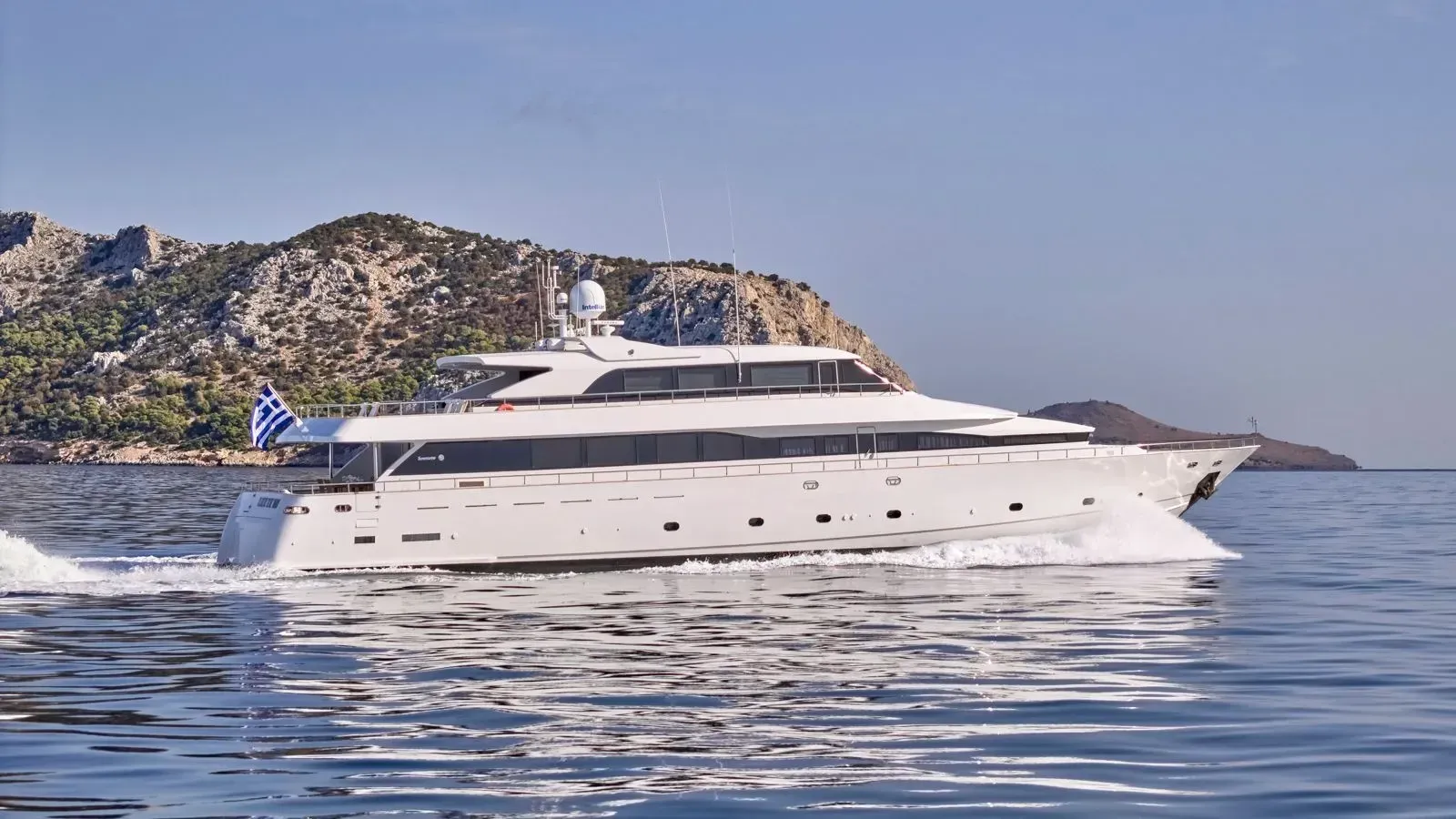
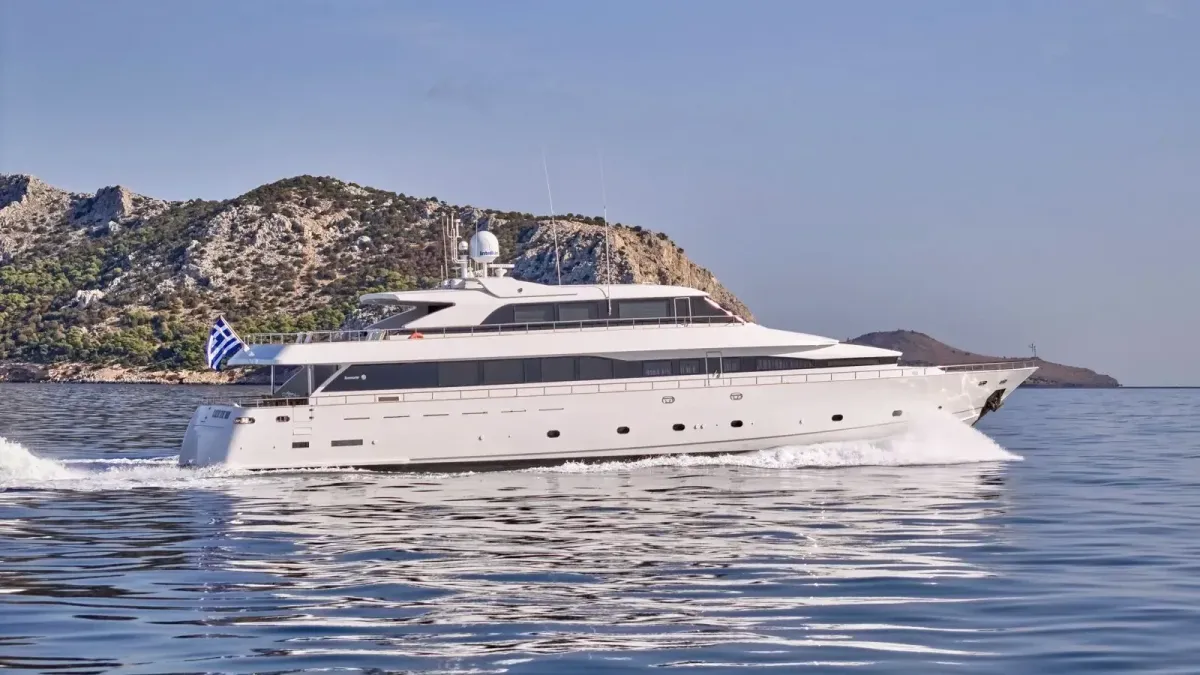
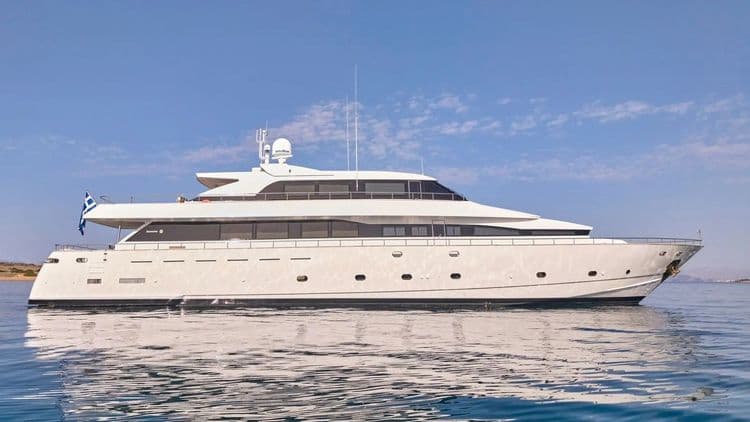
TECNOMARINE - For Sale
Company History
Tecnomarine is an Italian yacht builder that emerged from the dynamic boatbuilding culture of Viareggio, Tuscany, during the late 20th century. Active primarily from the 1970s through the early 2000s, the yard became known for fast, fiberglass motor yachts that combined Mediterranean styling with practical seakeeping. Through this period of rapid growth in leisure yachting, Tecnomarine developed model families that addressed two core customer preferences: high-performance open yachts for day cruising and sport use, and flybridge yachts for longer-range coastal cruising and family comfort.
Among its most recognizable lines were the Cobra series—sporty open and hardtop models—and the T-series, a group of flybridge or raised-pilothouse motor yachts. These boats typically featured planing hulls, generous exterior decks, and interiors finished in classic Italian materials. Tecnomarine collaborated with respected Italian designers of the era; many enthusiasts and brokers associate the brand’s profiles and layouts with the design language championed by figures such as Paolo Caliari, whose work helped define the powerful, streamlined silhouettes common to Mediterranean fast cruisers of the 1980s and 1990s.
By the 1990s, Tecnomarine yachts were exported widely across the Mediterranean, Northern Europe, and the Americas. The yard’s boats found buyers among experienced owner-operators and captains who valued reliable performance, straightforward systems, and robust hull construction. As the global yacht industry consolidated in the early 2000s—favoring larger corporate groups and increasingly complex semi-custom platforms—Tecnomarine’s production slowed and ultimately ceased regular series output. Today, the brand lives on in the brokerage and refit market, where well-kept examples of Cobra and T-series models remain appreciated for their performance-to-value ratio and their timeless Italian styling.
Important distinction: Tecnomarine is a separate entity from Tecnomar (another Italian yacht builder) and from Technomarine (a watch brand). Confusion among these names is common; when researching specifications, buyers should ensure documentation refers specifically to Tecnomarine yachts built in Viareggio.
Country of Origin
Italy.
Manufacturing Locations
Tecnomarine’s principal base was in Viareggio, Tuscany—one of Europe’s most active yacht-building hubs. The yard benefited from the city’s dense maritime supply chain, including composite specialists, carpenters, metalworkers, and marine equipment distributors. Hull and superstructure work, outfitting, and commissioning were undertaken in and around Viareggio, with sea trials typically conducted along the Tyrrhenian coast. Proximity to ports such as Livorno and La Spezia further supported logistics, service, and export.
Reputation and Quality
-
Design and performance: Tecnomarine focused on planing motor yachts with deep-V or moderate-V hull geometries optimized for brisk cruising and responsive handling. Many models were specified with powerful diesel packages from leading manufacturers of the era (commonly MAN, MTU, or Detroit Diesel), and some sport variants were outfitted with surface-piercing drive systems to enhance top-end speed and efficiency at planing. The result was a family of yachts that delivered confident, lively performance in typical Mediterranean conditions.
-
Construction: The brand is known for solid fiberglass (GRP) hull construction below the waterline, with cored structures in decks and superstructures where appropriate to balance stiffness and weight. The lamination and structural engineering reflected the pragmatic standards of premium Italian production yards of the period. Interiors—often crafted in warm hardwoods—were practical, with a layout ethos that favored owner operation or small-crew use.
-
Model families and sizes: Cobra-series open yachts and T-series flybridge yachts spanned a range broadly from the 40s to around the 80-foot class, aligning with the sweet spot of Mediterranean mooring infrastructure and the preferences of regional owners. The Cobra line emphasized speed and outdoor living; the T-series prioritized volume, comfort, and cruising autonomy.
-
Market position: On the brokerage market today, Tecnomarine yachts are appreciated as honest, well-built performance cruisers with strong bones. They are often seen as compelling values compared to newer models, particularly for buyers who prioritize hull quality and sea manners over the latest styling trends. A well-documented maintenance history is the key differentiator in pricing and buyer confidence.
-
Refit and maintenance considerations: Given their vintage, prospective buyers should commission thorough marine surveys focused on:
- Composite integrity (including moisture readings and inspection of hull-deck joints)
- Running gear and driveline alignment (especially for surface-drive installations where fitted)
- Fuel and plumbing systems modernization
- Electrical distribution updates to contemporary standards
- Navigation and entertainment electronics refresh
- Deck hardware, window and hatch sealing, and potential teak deck renewal Well-maintained examples respond exceptionally well to sympathetic refits, often achieving performance and comfort on par with much newer yachts.
-
Industry standing: While Tecnomarine did not cultivate a high-profile awards trajectory comparable to some larger contemporary brands, it earned respect among captains, surveyors, and experienced owners for rugged hulls, balanced performance, and enduring functionality. This quiet reputation—shaped by years of service in charter and private use—continues to support demand for quality examples in the secondary market.
-
Identity and differentiation: Tecnomarine’s hallmark is the synthesis of 1980s–1990s Italian sport-yacht aesthetics with practical engineering. In a landscape where some designs prioritized novelty, Tecnomarine’s approach was to deliver fast, reliable, and maintainable yachts that outlast fashion cycles. It remains distinct from brands with similar-sounding names, and its boats are identifiable by their purposeful lines, confident stance on the water, and emphasis on usable outdoor spaces.
Storia dell’Azienda
Tecnomarine è un cantiere navale italiano nato nel vivace distretto nautico di Viareggio (Toscana) e attivo soprattutto tra gli anni ’70 e i primi anni 2000. Il marchio si è affermato per la costruzione di yacht a motore in vetroresina veloci e marini, con uno stile tipicamente mediterraneo. Nel periodo di forte crescita della nautica da diporto, Tecnomarine ha sviluppato due famiglie di prodotto principali: open sportivi ad alte prestazioni per il day cruising e yacht flybridge per la crociera familiare.
Fra le linee più note figurano la serie Cobra—open e hardtop sportivi—e la serie T, composta da flybridge o raised-pilothouse. Il cantiere ha collaborato con progettisti italiani di prestigio; molti appassionati associano il linguaggio stilistico dei Tecnomarine alla scuola di design di Paolo Caliari, che ha contribuito a definire i profili filanti tipici degli anni ’80 e ’90.
Negli anni ’90 Tecnomarine esportava ampiamente nel Mediterraneo, nel Nord Europa e nelle Americhe. Con l’evoluzione del settore e la concentrazione industriale dei primi anni 2000, la produzione di serie si è progressivamente ridotta fino a cessare. Oggi il marchio sopravvive nel mercato dell’usato e del refit, dove gli esemplari ben mantenuti delle serie Cobra e T sono apprezzati per il rapporto tra prestazioni, qualità costruttiva e valore.
Nota importante: Tecnomarine è distinto da Tecnomar (altro cantiere italiano) e da Technomarine (marchio di orologi).
Paese di Origine
Italia.
Sedi Produttive
La base principale di Tecnomarine era a Viareggio, in Toscana. Il cantiere sfruttava l’ecosistema locale di fornitori specializzati in compositi, falegnameria, carpenteria metallica ed elettronica di bordo. Costruzione, allestimento e collaudi si svolgevano nell’area viareggina, con prove a mare lungo la costa tirrenica.
Reputazione e Qualità
- Progetto e prestazioni: carene plananti con V pronunciata o moderata, pensate per crociere veloci e maneggevolezza. Motorizzazioni diesel di primaria fascia (MAN, MTU, Detroit Diesel nelle configurazioni tipiche dell’epoca) e, su alcuni open sportivi, trasmissioni di superficie per aumentare la velocità massima.
- Costruzione: scafi in GRP solido sotto la linea di galleggiamento e strutture alleggerite/corazzate dove necessario per rigidità e controllo dei pesi. Interni caldi, funzionali e razionali per armatore-conduttore o piccolo equipaggio.
- Gamma: le serie Cobra (open) e T (flybridge) coprivano tipicamente dimensioni dai 40 agli oltre 70–80 piedi, con grande fruibilità degli spazi esterni e autonomia di crociera.
- Posizionamento: sul mercato dell’usato i Tecnomarine sono considerati barche oneste, solide e performanti. Il valore dipende in modo decisivo dalla storia manutentiva e dagli upgrade eseguiti.
- Refit: attenzione a integrità del laminato, linee d’assi/trasmissioni (in particolare con surface drive), ammodernamento impianti elettrici e di bordo, elettronica di navigazione, tenuta di boccaporti e vetrate, eventuale rinnovo dei ponti in teak. Gli esemplari curati offrono ancora oggi prestazioni e comfort convincenti.
- Riconoscimento: pur senza un palmarès di premi formali, il marchio gode di stima tra comandanti e periti per scafi robusti, comportamento marino equilibrato e manutenzionabilità nel tempo.
Historia de la Empresa
Tecnomarine es un astillero italiano nacido del polo náutico de Viareggio (Toscana), activo principalmente desde la década de 1970 hasta principios de los 2000. Ganó reconocimiento por yates a motor de fibra de vidrio rápidos y marineros, adecuados al estilo de vida mediterráneo. Su oferta se articuló en dos líneas clave: open deportivos de altas prestaciones y yates flybridge orientados a la crucera confortable.
Entre sus gamas más emblemáticas destacan los Cobra—open y hardtop—y la serie T, de flybridge o raised-pilothouse. El astillero trabajó con diseñadores italianos de prestigio; muchos aficionados asocian las líneas potentes y limpias de Tecnomarine con la escuela de diseño representada por Paolo Caliari.
Durante los años 90, Tecnomarine exportó ampliamente por el Mediterráneo, Europa del Norte y América. Con la consolidación de la industria a inicios de los 2000, la producción en serie disminuyó y finalmente cesó. Hoy la marca perdura en el mercado de ocasión y refit, donde las unidades bien mantenidas siguen siendo apreciadas por su rendimiento y su sólida construcción.
Aclaración: Tecnomarine no debe confundirse con Tecnomar (otro constructor italiano) ni con Technomarine (marca de relojes).
País de Origen
Italia.
Ubicaciones de Fabricación
La base principal fue Viareggio, en la Toscana, integrada en un ecosistema de proveedores altamente especializados. La construcción, el acondicionamiento y las pruebas de mar se realizaban en la zona, con acceso logístico a puertos clave del Tirreno.
Reputación y Calidad
- Diseño y rendimiento: cascos de planeo con V pronunciada o moderada, pensados para cruceros rápidos y maniobrabilidad segura. Motorizaciones diésel de alta gama (MAN, MTU, Detroit Diesel en muchas unidades) y, en algunos open, transmisiones de superficie para maximizar la velocidad.
- Construcción: cascos en GRP macizo bajo la flotación y estructuras aligeradas donde convenía, buscando un equilibrio entre rigidez y peso. Interiores de madera con disposición práctica, adecuados para armadores que navegan con tripulaciones reducidas.
- Familias y tamaños: Cobra y la serie T abarcaron tamaños aproximados desde los 40 hasta los 70–80 pies, con gran aprovechamiento de espacios exteriores.
- Posicionamiento de mercado: en la actualidad se consideran yates fiables, con buena relación rendimiento/valor. La documentación de mantenimiento y las actualizaciones técnicas son esenciales en la valoración.
- Refit y mantenimiento: inspecciones estructurales, líneas de transmisión (especialmente si llevan surface drive), actualización eléctrica y electrónica, estanqueidad de portillos y ventanas, y posibles renovaciones de cubierta. Con un refit correcto, ofrecen prestaciones comparables a unidades más modernas.
- Prestigio: sin un historial amplio de premios públicos, su reputación se cimenta en la experiencia real de armadores, capitanes y peritos, que valoran su robustez y navegabilidad.
Histoire de l’Entreprise
Tecnomarine est un chantier italien issu du cluster nautique de Viareggio (Toscane), actif surtout des années 1970 au début des années 2000. Il s’est fait connaître par des vedettes à moteur en fibre de verre rapides, marines et élégantes, très en phase avec l’usage méditerranéen. Sa production s’organisait autour de deux familles: les open sportifs (Cobra) et les flybridges de croisière (série T).
Le chantier a collaboré avec des designers italiens reconnus; nombre d’observateurs associent la silhouette élancée des Tecnomarine à l’influence de Paolo Caliari, emblématique des années 80–90. À son apogée, la marque a exporté largement en Méditerranée, en Europe du Nord et sur les marchés américains. Avec la consolidation du secteur au début des années 2000, la production en série a ralenti puis cessé. La marque subsiste aujourd’hui à travers le marché de courtage et le refit, où les unités bien suivies restent recherchées.
À ne pas confondre: Tecnomarine est distinct de Tecnomar (autre constructeur italien) et de Technomarine (horlogerie).
Pays d’Origine
Italie.
Sites de Production
Viareggio (Toscane) constituait la base principale, au cœur d’une filière d’excellence en composites, menuiserie, équipements et intégration. Construction, aménagement et essais en mer étaient réalisés dans la zone viareggine, avec des facilités logistiques vers les ports du littoral tyrrhénien.
Réputation et Qualité
- Conception et performances: carènes planantes en V profond ou modéré, pour des vitesses de croisière soutenues et une tenue de mer sûre. Motorisations diesel haut de gamme (souvent MAN, MTU ou Detroit Diesel) et, sur certains open, hélices de surface pour optimiser la vitesse de pointe.
- Construction: stratification GRP robuste sous la flottaison, structures sandwich pour rigidité et maîtrise du poids sur ponts/superstructures. Aménagements chaleureux et fonctionnels, adaptés à un usage propriétaire/équipage réduit.
- Gammes et tailles: Cobra (open) et série T (flybridge) couvrant globalement la tranche 40–80 pieds.
- Positionnement: sur le marché de l’occasion, les Tecnomarine offrent une combinaison convaincante de robustesse, de performances et de valeur. L’historique d’entretien et les modernisations techniques sont déterminants.
- Refit: contrôles structurels, lignes d’arbres/transmissions (notamment en présence de surface drives), mise à niveau électrique, électronique et étanchéité des ouvertures; rénovation éventuelle des ponts en teck. Un refit soigné révèle pleinement leur potentiel.
- Image: sans collection d’awards médiatisés, la marque bénéficie d’une réputation professionnelle solide—un «capital confiance» bâti sur l’usage réel et la longévité de ses coques.
Main Competitors
In its prime (roughly the late 1970s through the early 2000s), Tecnomarine operated in one of the most competitive segments of European yacht building: fast, fiberglass planing motor yachts from about 12 to 25 meters, with both open and flybridge configurations. As such, its competitive landscape was defined less by nationality and more by product typology—Mediterranean-styled performance cruisers aimed at owner-operators or small crews, with strong emphasis on exterior living and brisk passage speeds. The following brands were and remain the most relevant comparators in terms of size, style, and mission profile:
-
Azimut Yachts (Italy): A dominant force in flybridge and sport cruiser segments. Azimut’s flybridge line competed with Tecnomarine’s T-series for owners seeking volume, family-friendly layouts, and stylish interiors. Azimut’s sportier S-line also tracked buyer interest overlapping with open or hardtop configurations.
-
Ferretti Yachts (Italy): Known for solid engineering and refined flybridge yachts, Ferretti offered direct alternatives to Tecnomarine’s family-cruising models. Ferretti’s focus on hull design, practicality, and upscale finishes mirrored many of Tecnomarine’s value propositions in a similar size range.
-
Pershing (Italy): A particularly close competitor to Tecnomarine’s open/hardtop sport yachts. Pershing’s brand identity revolves around high-speed planing hulls, aggressive styling, and powerful drivetrains—attributes that parallel the spirit of Tecnomarine’s Cobra series.
-
Riva (Italy): Although positioned at a more premium price point, Riva’s planing flybridge and open yachts overlapped in length and use cases. Buyers comparing Italian style, performance, and craftsmanship often cross-shopped Tecnomarine with Riva for certain model years and sizes.
-
Baia (Italy): Specializing in high-speed open yachts, Baia and Tecnomarine targeted a similar clientele—owners prioritizing outdoor space, style, and top-end performance. Baia’s open boats frequently appeared on the same brokerage shortlists as Tecnomarine’s sportier models.
-
Canados (Italy): With a reputation for seaworthy, well-constructed planing yachts (including larger flybridge models), Canados often intersected with Tecnomarine’s T-series in the 60–80 ft class.
-
Alfamarine (Italy): Another Italian builder with a strong portfolio of open performance yachts. Its models commonly appealed to buyers drawn to Tecnomarine’s sport lines.
-
Rizzardi / Posillipo-Technema (Italy): These brands offered flybridge and sport yachts with a balance of performance and livability, competing directly with Tecnomarine’s family cruising ethos.
-
Italcraft (Italy): Historically known for rugged, fast hulls with naval heritage. Italcraft’s performance and open boats competed with Tecnomarine among speed-focused owners.
-
Maiora (Italy): A Viareggio-area brand known for flybridge yachts, frequently cross-compared by buyers looking for Italian design and volume in the mid-size luxury segment.
-
Sanlorenzo (Italy): More semi-custom and premium, yet earlier SL models in the small-to-mid size range sometimes overlapped with Tecnomarine’s clientele, especially for buyers prioritizing Italian craftsmanship and understated styling.
-
Sunseeker (United Kingdom): A very direct non-Italian competitor, Sunseeker built (and continues to build) fast planing yachts with luxurious interiors, competing with both Tecnomarine’s open and flybridge boats.
-
Princess Yachts (United Kingdom): Princess’s flybridge cruisers and sport models are widely regarded for quality and practicality—an obvious comparative set for Tecnomarine customers.
-
Fairline (United Kingdom): Similar size range and use cases; Fairline’s Targa and Squadron models often appeared alongside Tecnomarine options in buyer evaluations.
-
Overmarine/Mangusta and AB Yachts (Italy): While these brands skewed toward larger open superyachts over time, they reflect the same Italian high-speed open-yacht DNA. For buyers stretching beyond Tecnomarine’s typical size brackets (especially later in the market’s evolution), Mangusta and AB embodied the next rung of performance and scale.
A critical note on brand identity: Tecnomarine is distinct from Tecnomar (another Italian yacht builder). Because the names are frequently conflated in search queries, prospective buyers and researchers should verify that any brochures, manuals, or survey reports refer specifically to “Tecnomarine” (Viareggio) rather than “Tecnomar.” This distinction also matters when comparing “competitors,” since Tecnomar has its own separate competitive map.
In practical brokerage scenarios, a prospective buyer considering a Tecnomarine Cobra or T-series might simultaneously evaluate Pershing, Baia, Sunseeker Predator, Fairline Targa, Princess V-Class (for open/sport lines), and Azimut or Ferretti (for flybridge comfort and range). Meanwhile, those prioritizing traditional Italian fit-out and robust hulls might also consider Canados, Maiora, or select Sanlorenzo models of similar vintages. The common threads across this competitor set include planing hull efficiency, Mediterranean deck ergonomics, broad dealer or service support networks (especially in Europe), and long-term parts availability via mainstream engine and systems suppliers.
The reasons these brands compete closely with Tecnomarine are straightforward:
- Overlapping size and mission profiles (owner-operator comfort with modest crew requirements).
- Shared propulsion ecosystems (MAN, MTU, Caterpillar, Detroit Diesel across eras), simplifying refit and maintenance considerations.
- Similar construction philosophies in GRP, with emphasis on stiffness, weight distribution, and acoustic comfort.
- Comparable cruising speeds and seakeeping expectations in typical Mediterranean conditions.
This competitive set helps define resale value, refit strategy, and buyer expectations for Tecnomarine yachts on today’s market.
Current Production Status
Tecnomarine is not in active new-build production. The brand’s regular series manufacturing in Viareggio slowed significantly as the industry consolidated in the early 2000s and subsequently ceased. There is no credible evidence of an operating corporate structure engaged in building new Tecnomarine-branded yachts today, nor is there an official new-build website, trade show presence, or orderbook in the contemporary market.
What this means for owners and buyers:
-
Market presence: Tecnomarine survives through the global brokerage market. Pre-owned listings—most often from the Cobra (open/hardtop) and T-series (flybridge/raised-pilothouse) families—appear in Europe, the Americas, and the Middle East, reflecting the brand’s historical export footprint.
-
Support and serviceability: Although the original series production has ended, Tecnomarine yachts use mainstream marine systems and propulsion packages. Engines, transmissions, generators, and onboard systems largely rely on suppliers with continuing parts availability and service networks (e.g., MAN, MTU, Caterpillar, Detroit Diesel for older units; Onan/Kohler for gensets; standard marine HVAC, hydraulics, and control systems). Competent refit yards—especially in Italy, Spain, France, Greece, Turkey, and the UK—routinely maintain and modernize yachts of this vintage and construction.
-
Documentation and class: Most Tecnomarine yachts predate today’s digital documentation norms. Prospective buyers should ensure access to:
- Original build specifications, wiring diagrams, and plumbing schematics (where available).
- Engine logbooks and service histories.
- Survey records documenting structural integrity (laminate moisture, core condition in decks/superstructures) and systems functionality.
- Compliance records where applicable (for example, later European boats may have CE documentation; earlier builds may not). A thorough pre-purchase survey is standard, with special attention to transmission alignment, exhaust systems, fuel tank condition, seacock and thru-hull status, and window/hatch sealing.
-
Refit pathways: Given their strong hulls and honest performance, Tecnomarine yachts are attractive candidates for:
- Repowering or major engine overhauls, especially when original engines approach end-of-life or in markets sensitive to smoke/emissions from older diesels.
- Electrical and electronics overhauls (AC/DC distribution, new navigation suites, digital switching where desired).
- Interior refreshes (soft goods, carpentry, lighting) to align with current aesthetic expectations.
- Deck and exterior upgrades (teak replacement, paint/gelcoat restoration, hardware renewal).
- Stabilization retrofits (for example, gyro systems on suitable hulls) to improve comfort at anchor, if weight, space, and power budgets allow. None of these paths requires an active builder; they rely on the ecosystem of marine service providers that routinely support legacy Italian yachts.
-
Branding and identity: Because the brand name is occasionally confused in listings, prudent buyers should verify hull numbers, builder plaques, and registry documents to confirm the yacht is a Tecnomarine (Viareggio) product. Authenticity checks help ensure accurate valuation and spare-parts planning.
In short, Tecnomarine’s production as an OEM has ended, but the fleet remains active, supported by a robust aftermarket, with many units continuing to deliver satisfying performance and comfort after thoughtful refits.
Latest News
There is no verified evidence of recent corporate relaunch announcements or ongoing new-build programs under the Tecnomarine brand. Consequently, the most relevant “news” concerning Tecnomarine today tends to be:
-
Brokerage activity: Periodic listings and sales of well-maintained Cobra- and T-series yachts, including boats that have undergone meaningful mechanical overhauls or interior refits. Market interest typically follows broader cycles in the 40–80 ft planing yacht segment, with values influenced by originality of engines, documented maintenance, and quality of upgrades.
-
Refit milestones: While not formal corporate announcements, the most significant developments involve owner-driven refits carried out at established yards. Common project themes include:
- Engine work: Major overhauls or repowering to quieter, cleaner, and more efficient diesel packages, where feasible within structural and weight constraints.
- Electrical modernizations: Rewiring aged distribution panels, adding new inverters/chargers, refitting lighting to LED, and installing updated monitoring systems.
- Navigation and communications: Replacement of legacy radars, plotters, and autopilots with integrated suites that support contemporary standards (AIS, modern cartography, broadband radar, and enhanced redundancy).
- Comfort systems: HVAC upgrades, noise/vibration mitigation, improved freshwater and blackwater systems, and modern galley appliances.
- Exterior cosmetics and functionality: Wraps or repainting, new exterior upholstery, bimini/soft-top solutions for open models, and renewal of stainless hardware and glazing seals.
-
Knowledge-sharing and documentation: Owners’ groups, captains, and surveyors occasionally share best practices for maintaining vintage Italian planing yachts—topics like moisture remediation in cored structures above the waterline, proper bedding of deck fittings, and care for older surface-drive or high-performance shaft installations. Although informal, this living knowledge base functions as a de facto support network in the absence of a current builder.
-
Clarifications about brand identity: Ongoing reminders in broker notes and enthusiast forums emphasize not confusing Tecnomarine with Tecnomar. This continues to be a frequent housekeeping point in listings and surveys, especially when archiving digital records or marketing refitted boats.
For professionals and buyers tracking the sector, several broader industry currents intersect with Tecnomarine ownership and inform the “news context” in which these yachts exist:
-
Vintage performance aesthetic in demand: A sustained niche interest exists for late-1980s/1990s Mediterranean sport-yacht styling—clean shearlines, pronounced chines, and purposeful profiles. Well-kept Tecnomarine examples benefit from this renewed appreciation.
-
Environmental and regulatory considerations: In select markets, emissions expectations and port policies can influence engine choices and operating patterns for older yachts. This has nudged some owners toward deeper engine service, partial modernizations (e.g., electronic controls, improved exhaust mixing and tuning), or complete repower strategies where budgets allow.
-
Technology uplift: Modern electronics and stabilization options have materially improved the real-world usability of many legacy planing yachts. For Tecnomarine owners, judicious upgrades can reduce maintenance complexity, enhance safety, and make cruising more enjoyable—without compromising the boat’s original character.
Because Tecnomarine as a manufacturer is not currently active, there are no official press releases, corporate financials, or new model launches to report. The meaningful, verifiable activity centers on the fleet itself—how these yachts are maintained, modernized, bought, and enjoyed. Buyers considering a Tecnomarine today should prioritize:
- Comprehensive pre-purchase surveys by professionals experienced with Italian GRP construction of the period.
- Engine diagnostics and sea-trial data that confirm the yacht’s operating profile (temperatures, load, vibration, fuel burn).
- Evidence of thoughtful upgrades, particularly in systems that materially affect safety and reliability (electrics, fuel, exhaust, seacocks, steering).
- Certainty about documentation (builder, year, HIN/hull number, VAT/import status), which streamlines registration and resale.
Finally, it is worth restating that any “breaking news” you may encounter online under a similar-sounding name should be checked for brand accuracy. Tecnomarine (Viareggio) is a legacy builder; contemporary announcements referring to Tecnomar or unrelated companies should not be conflated with Tecnomarine’s status.
Frequently Asked Questions
Question: What is Tecnomarine best known for?
Answer: Tecnomarine is best known for fast, fiberglass (GRP) planing motor yachts built in Viareggio, Italy, predominantly from the late 1970s through the early 2000s. The brand produced two cornerstone families: the Cobra series (sport/open and hardtop yachts designed for high-speed Mediterranean cruising) and the T-series (flybridge or raised-pilothouse cruisers optimized for comfort, range, and family use). Owners appreciate their robust hulls, honest performance, and practical layouts.
Question: Is Tecnomarine still building new yachts?
Answer: No. Regular series production ceased after the early 2000s. Tecnomarine exists today primarily in the brokerage and refit market. The active “news” around the brand involves refits, technical upgrades, and resale activity rather than new model launches.
Question: How does Tecnomarine differ from Tecnomar?
Answer: The two are distinct brands. Tecnomarine refers to the historic Viareggio builder known for Cobra and T-series planing yachts. Tecnomar is a separate Italian builder with its own history and product range. The names are often confused; verifying builder plaques and documentation helps avoid mix-ups.
Question: What construction methods did Tecnomarine use?
Answer: Tecnomarine typically employed solid fiberglass (GRP) hulls below the waterline, with cored (sandwich) structures in decks and superstructures to balance stiffness and weight. Stringers and bulkheads were engineered to support planing loads and higher cruise speeds. Interiors were fitted using marine-grade woods and veneers, with a focus on service access to systems.
Question: What engines and drivetrains are commonly found?
Answer: Most Tecnomarine yachts are powered by twin diesel engines from mainstream suppliers—commonly MAN, MTU, Caterpillar, or (on earlier builds) Detroit Diesel. The T-series generally used conventional shaft drives for robust, predictable handling. Many Cobra open models used conventional shafts as well, but select performance variants were fitted with surface-piercing drives (e.g., Arneson) to improve top-end speed and planing efficiency.
Question: How fast do Tecnomarine yachts go?
Answer: Performance varies by model, year, displacement, and engines. As broad guidance:
- Cobra-series open/hardtop: typical cruise in the high 20s to mid-30s knots, with top speeds often in the low- to high-30s (and, in some performance setups, higher).
- T-series flybridge: typical cruise in the mid-20s to low-30s knots, with top speeds generally in the high-20s to low-30s.
Exact figures depend on propeller selection, drivetrain type, load, and sea state.
Question: Are Tecnomarine yachts good for owner-operators?
Answer: Yes. A hallmark of the brand is layouts and systems suited to owner-operation or small crew, particularly in the 45–70 ft range. Engine rooms are generally accessible, and systems were installed with maintenance practicality in mind. Larger T-series models often include a small crew cabin.
Question: What are the main differences between Cobra and T-series yachts?
Answer:
- Cobra (open/hardtop): Emphasis on speed, outdoor living, large sunpads, and sociable cockpits. Some variants feature surface drives for higher top speeds.
- T-series (flybridge/RPH): Emphasis on interior volume, extended cruising comfort, flybridge social spaces, and predictable shaft-drive handling. They typically carry more fuel and water and have larger galleys and storage.
Question: What should buyers of pre-owned Tecnomarine yachts inspect closely?
Answer: Commission a full-condition survey including:
- Laminate integrity (moisture readings; localized core checks in decks/superstructures; hull-deck joint).
- Running gear (shaft alignment, cutless bearings, rudder stocks; surface-drive gear if fitted).
- Exhaust and fuel systems (hoses, clamps, mufflers, tanks).
- Electrical distribution (main panels, bonding, shore-power systems).
- Window/hatch sealing and deck hardware bedding.
- Steering and hydraulics, windlass, and stabilization retrofits (if any).
Engine diagnostics (oil analysis, borescope where appropriate) and a thorough sea trial (temperatures, load, vibration, fuel burn) are essential.
Question: Are parts and service still available?
Answer: Yes, because Tecnomarine yachts rely on widely supported engines, generators, and marine components. While proprietary trim pieces may require custom fabrication, essential mechanical/electrical parts are generally available through mainstream marine suppliers. Refit yards across the Mediterranean and beyond are familiar with yachts of this era and construction.
Question: Do Tecnomarine yachts respond well to refit?
Answer: They do. Common upgrades include repower or major engine overhauls, new navigation electronics, AC/DC electrical refits, LED lighting, updated air conditioning, improved sound insulation, and deck/teak restoration. Thoughtful refits can significantly elevate comfort and reliability while preserving the brand’s performance character.
Question: What is the typical size range of Tecnomarine yachts?
Answer: Most models fall between roughly 45 and 80 feet (about 14–24 meters). Cobra-series open boats often occupy the mid-50s to upper-70s feet bracket; T-series flybridge yachts frequently sit between the low-60s and mid-70s feet.
Question: What cruising profile suits Tecnomarine designs?
Answer: They excel at coastal and regional passages where planing speeds and efficient day-to-day operation matter—Mediterranean island-hopping, Riviera cruising, and weekend getaways. T-series models also serve well for extended family cruising thanks to their volume, storage, and flybridge versatility.
Question: Are Tecnomarine yachts suitable for charter?
Answer: Many have been used in light charter with professional management, particularly T-series models. Compliance with local regulations, safety equipment requirements, and insurance provisions should be verified model by model.
Question: What distinguishes Tecnomarine’s handling at sea?
Answer: Deep- to moderate-V planing hulls deliver responsive acceleration and composed handling in typical chop when trimmed correctly. Shaft-drive T-series offer predictable tracking and seakeeping. Surface-drive-equipped Cobras, when properly set up, deliver high top-end speeds and efficient planing, though they can be more sensitive to load distribution and require a skipper familiar with trim and attitude.
Question: Is there a risk of name confusion when insuring or registering?
Answer: Yes. Because “Tecnomarine” sounds similar to “Tecnomar,” documentation errors can occur. Always confirm the builder as “Tecnomarine” (Viareggio) on the builder’s plate, HIN/serial documentation, and registry records.
Question: What interior layouts are most common?
Answer: In the 60–70 ft class, 3- to 4-cabin layouts with a separate crew space (often aft) are common on T-series. Cobra models in the 55–70 ft range typically feature 2–3 cabins with a spacious saloon connected to an open cockpit. Galleys can be up or down depending on the year and model, with Italian joinery and practical storage solutions.
Question: How should buyers approach valuation?
Answer: Focus on provenance (ownership and maintenance history), the timeliness and quality of mechanical and electrical upgrades, evidence of structural integrity, and the currency of navigation and safety systems. Well-documented yachts command a premium, while deferred maintenance or dated systems weigh on value more than cosmetics.
Question: Are stabilization systems common on Tecnomarine yachts?
Answer: Not originally. Most were delivered without active stabilization, relying on hull form and speed. However, gyro stabilization retrofits (space and power permitting) are increasingly seen on refit projects to enhance comfort at anchor and low speeds.
Question: What mooring considerations apply to Tecnomarine owners in the Mediterranean?
Answer: Beam-to-LOA ratios and freeboard heights are compatible with typical Med-moor setups. Open Cobras benefit from well-designed canvas or hardtop shading for hot climates. Adequate fendering and passerelle solutions should be confirmed or upgraded as part of a refit.
Question: Are there known “gotchas” unique to this brand?
Answer: The issues mirror those of many vintage planing yachts: potential moisture in older cored structures above the waterline, aged fuel tanks or inaccessible plumbing runs, obsolete electrical panels, and dated electronics. These are addressable with a planned refit and do not detract from the fundamental strengths of the hulls and layouts.
Question: Does Tecnomarine have a signature design cue?
Answer: Many Tecnomarine profiles from the 1980s–1990s feature purposeful sheer lines, well-defined chines, and a confident stance at rest. The Cobra’s open/low-slung look with expansive aft sunpads contrasts with the T-series’ flybridge silhouette and raised pilothouse options—both underpinned by performance-oriented hulls.
Question: Can Tecnomarine yachts handle longer passages?
Answer: Yes, within the normal operating envelope for planing motor yachts. A T-series yacht with prudent fuel planning, weather routing, and maintenance is well-suited to multi-day coastal passages. These are not displacement trawlers; their sweet spot is efficient semi- to high-planing cruise rather than slow transoceanic range.
Question: What documentation should accompany a strong listing?
Answer: Engine hours with service logs, evidence of major overhauls or repower, survey records (including moisture and structural notes), updated electrical schematics if refitted, CE or other compliance documents where applicable, and a clear chain of title/VAT or import status.
Question: What propeller and trim considerations are typical?
Answer: For shaft-drive boats, propeller pitch and cup should match the delivered power and loading for clean WOT RPM and efficient cruise; many owners have benefited from modern prop reconditioning and balance work. On surface-drive boats, prop condition, drive angle, and tab use significantly influence acceleration and top speed; tuning by an experienced yard can yield notable gains.
Question: What is the typical fuel economy?
Answer: Consumption varies widely with engine choice, hull length, and speed. As a rough orientation: at mid-20s knots, expect fuel burn characteristic of similarly sized planing yachts of the era. Modern electronics and careful prop selection can optimize specific fuel consumption. Sea-trial data is the best reference for a specific hull.
Question: Is a hardtop retrofit feasible on Cobra models?
Answer: In many cases, yes. Several open Cobras have been upgraded with lightweight composite hardtops or improved bimini systems. Structural reinforcement, weight distribution, and sightlines should be engineered by a qualified yard to preserve performance and stability.
Question: What are common electrical upgrade paths?
Answer: Replacing legacy AC/DC panels, renewing cabling to current marine standards, integrating modern chargers/inverters with lithium-ready configurations (if desired), converting to LED lighting, and installing NMEA 2000 networks for navigation/data sharing are among the most impactful improvements.
Question: How resilient are Tecnomarine hulls to age?
Answer: When maintained and protected from chronic water ingress, the solid-hull construction ages well. The key is vigilant sealing of deck penetrations, window frames, and hardware—standard practice for legacy GRP yachts. Many surveyed examples remain structurally sound decades after launch.
Question: Why do some buyers target Tecnomarine over newer alternatives?
Answer: They value the combination of sturdy hulls, straightforward systems, engaging performance, and timeless Italian styling—often at price points that leave ample budget for targeted refits, yielding a personalized yacht with excellent performance-to-value.
Available Models
Note on scope: Tecnomarine is not currently producing new yachts; the following outlines the principal model families historically associated with the brand and provides representative specifications. Exact configurations vary by year, hull number, and original owner options. Performance figures are indicative ranges typical for planing yachts of similar size and power.
Cobra Series (Open/Hardtop, Performance-Oriented)
- General concept: Sporty open or hardtop yachts focused on outdoor living, speed, and direct connection to the sea. Large aft sunpads, open cockpits, and low-profile superstructures are characteristic. Some variants used surface-piercing drives to enhance top speed and planing efficiency; others retained conventional shafts for simplicity.
- Construction: GRP hulls (typically solid below the waterline), cored decks/superstructures, reinforced stringer systems, and performance-oriented weight distribution.
- Typical size range: Approximately 55 to 78 feet (about 16.5 to 23.8 meters).
- Typical accommodations:
- 2 to 4 cabins, depending on length and layout.
- 2 to 4 heads.
- Crew accommodation on larger models (often 1 cabin aft).
- Engines and drivetrains:
- Twin diesels from MAN, MTU, or occasionally Detroit Diesel.
- Output commonly in the 800–1,800 hp per engine range, depending on model and year.
- Conventional shafts or, on select performance variants, surface drives (e.g., Arneson).
- Performance envelope (indicative):
- Cruise: high 20s to mid-30s knots.
- Top speed: low- to high-30s knots; higher on well-sorted surface-drive boats.
- Use case: Rapid coastal hops, day boating with guests, and stylish Med cruising where open-air spaces and speed are prized.
Representative Cobra configurations (illustrative examples; exact model designations vary by year):
- Cobra ~55–60 ft
- Layout: Typically 2–3 cabins, galley down or up depending on vintage, expansive cockpit with sunpads.
- Engines: Twin MAN/MTU in the 800–1,050 hp range per side.
- Performance: Approx. 28–34 kn cruise; 32–38 kn top (higher with surface drives).
- Cobra ~65–70 ft
- Layout: Often 3 cabins plus optional crew, larger saloon and galley, enhanced storage.
- Engines: Twin MAN/MTU around 1,100–1,360 hp per engine (varies by year); some with surface drives.
- Performance: Approx. 28–35 kn cruise; 34–40+ kn top in optimized builds.
- Cobra ~75–78 ft
- Layout: 3–4 cabins plus crew, tender garage options on some hulls, generous deck entertaining spaces.
- Engines: Twin high-output MAN/MTU (1,360–1,800 hp class per engine, depending on era).
- Performance: Strong high-20s to mid-30s kn cruise; top in the mid- to high-30s kn when lightly loaded and well-trimmed.
T-Series (Flybridge/Raised-Pilothouse, Cruising-Oriented)
- General concept: Flybridge or raised-pilothouse planing yachts prioritizing volume, range, and family-friendly layouts. Shaft drives dominate, delivering predictable handling and straightforward maintenance.
- Construction: GRP hulls with robust longitudinal structure; cored decks/superstructures for rigidity and weight control; practical engineering access in machinery spaces.
- Typical size range: Approximately 60 to 80 feet (about 18.3 to 24.4 meters).
- Typical accommodations:
- 3 to 4 guest cabins with 2–4 heads.
- Dedicated crew space on most hulls above ~65 ft (typically 1–2 berths aft).
- Spacious saloons, separate or open galleys depending on era, and ample storage for longer cruises.
- Engines and drivetrains:
- Twin diesel power from MAN, Caterpillar, MTU (output commonly 800–1,600+ hp per engine depending on length and year).
- Straight shafts with conventional propellers; bow thrusters common, stern thrusters fitted on some.
- Performance envelope (indicative):
- Cruise: mid-20s to low-30s knots depending on displacement and power.
- Top speed: high-20s to low-30s knots in many configurations.
- Use case: Extended coastal cruising, family holidays, and a balance of interior comfort with outdoor living on the flybridge.
Representative T-series configurations (illustrative examples; exact model designations vary by year):
- T ~62–65 ft
- Layout: 3–4 cabins plus optional crew; flybridge with seating and sunpads; tender stowage solutions vary (swim platform or deck).
- Engines: Twin MAN or Caterpillar in the 800–1,200 hp range per engine.
- Performance: Around mid-20s kn cruise; high-20s to low-30s kn top depending on load.
- T ~67–70 ft
- Layout: 4 cabins plus crew, larger galley and utility spaces, improved tankage and range.
- Engines: Twin MAN/MTU around 1,100–1,360 hp per engine.
- Performance: Typically mid-20s to near-30 kn cruise; high-20s/low-30s kn top.
- T ~74–78 ft
- Layout: 4 cabins plus crew, generous flybridge arrangements with wet bars and lounges, RPH variants on some hulls for improved watchkeeping.
- Engines: Twin MAN/MTU often in the 1,300–1,600+ hp class per engine.
- Performance: Generally mid-20s kn cruise; near-30 kn top on lighter/displacement-optimized examples.
Key Characteristics Across the Range
- Helm and ergonomics: Clear sightlines at the lower helm on T-series; Cobra helms emphasize quick reference to engine instruments and trim control.
- Systems and serviceability: Engine rooms typically allow good access to filters, belts, and seawater systems; electrical panels may benefit from modernization to current standards.
- Tankage: Fuel and water capacities scale with length; T-series boats typically carry more for extended cruises.
- Interior style: Warm, practical Italian joinery. Many owners refresh soft goods and lighting to modern tastes without altering the classic aesthetic.
- Deck hardware: Substantial cleats and windlasses sized for Med-mooring demands; periodic inspection of chain counters, bow rollers, and windlass gears is advisable on vintage units.
Typical Options and Variations by Era
- Drivetrain upgrades: On select Cobras, surface drives can be tuned for improved acceleration and efficiency at planing speeds; shafts remain the simplest to maintain.
- Stabilization: Not standard originally; gyro retrofits are an increasingly popular comfort enhancement on T-series.
- Electronics: Modern MFDs, radar, AIS, and digital autopilots significantly improve navigation and safety; older analog suites are frequently replaced during refit.
- Comfort systems: HVAC and sound attenuation upgrades substantially enhance liveability; LED conversions reduce draw and heat in cabinetry spaces.
- Exterior shade: Custom hardtops or advanced bimini structures are common on open Cobras to expand usability in hot climates.
Operational Notes for Prospective Owners
- Survey strategy: Combine a structural survey (including moisture and hammer soundings on decks/superstructures) with mechanical diagnostics and a sea trial targeting WOT RPM confirmation, load, and temperatures.
- Load planning: Performance on planing yachts is sensitive to weight; thoughtful distribution of spares, tender, and provisions preserves acceleration and fuel efficiency.
- Propulsion life cycle: Many engines from this era remain serviceable with diligent care; budget for overhauls or repower on higher-hour examples and align expectations with intended use.
- Safety and compliance: Confirm current safety gear, fire suppression service dates, and (where relevant) regional compliance documentation commensurate with the yacht’s year of build.
In sum, Tecnomarine’s historic lineup centers on two coherent families: Cobra for open-air, high-speed cruising and T-series for flybridge comfort and range. Within these, lengths, cabin counts, and performance vary with year and engine choice, but the core DNA—robust GRP construction, planing efficiency, and practical Italian layouts—remains consistent. Well-kept examples continue to offer compelling enjoyment and value, particularly when enhanced by modern refits tailored to today’s cruising expectations.

Learn more on the “TECNOMARINE”
To learn more on the “TECNOMARINE” or to get advice on how to buy or sell a yacht or get a great price for a yacht charter
please call +1 (954) 274-4435 USAOnly deal with professionals!