 Licensed Yacht BrokersSales and service of yachts and ships
English
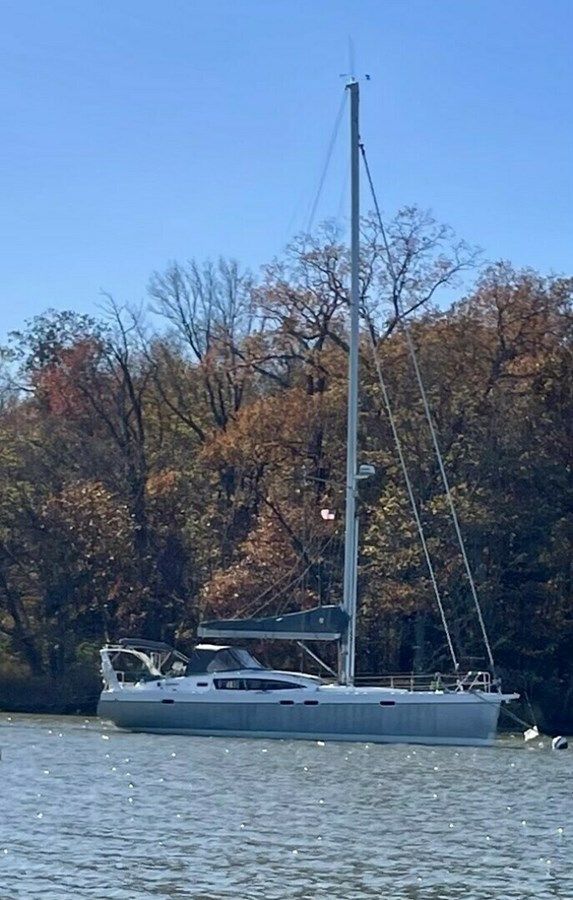
Allures Yachting is a French yacht builder known for aluminum bluewater centerboard sailing yachts designed for long-range cruising and high-latitude exploration. The brand was launched in 2003 in Cherbourg, Normandy, within the newly formed Grand Large Yachting group created by two French sailors and entrepreneurs, Xavier Desmarest and Stéphan Constance. From the outset, the concept behind Allures was clear: combine the robustness and safety of an aluminum hull with the weight efficiency and comfort of a composite (GRP) deck and coachroof, and integrate a centerboard (integral lifting keel) to achieve both ocean-going stability and shallow-draft access.
Key model milestones underline the brand’s development:
Allures Yachting’s evolution has been marked by close collaboration with leading French naval architects and stylists—most notably Berret-Racoupeau Yacht Design (naval architecture) and Franck Darnet Design (interior design). The company’s boats have been continuously refined through feedback from liveaboard owners undertaking circumnavigations and polar voyages, reinforcing the marque’s reputation for practical, seamanlike details: insulated structures, watertight bulkheads and compartments, protected steering stations, generous tankage, and systems designed for autonomy.
France.
Allures Yachting builds primarily in Cherbourg-en-Cotentin, Normandy, France. The Cherbourg site is a major cluster for aluminum yacht construction and finishing within the Grand Large Yachting group.
Production highlights:
This hybrid approach—aluminum for the hull and GRP for the deck/coachroof—has become a defining characteristic of Allures Yachting, yielding robust structures with favorable weight and insulation properties and simplified exterior maintenance.
Allures Yachting is a brand of Grand Large Yachting, a privately held French group created in 2003 by co-founders Xavier Desmarest and Stéphan Constance. Grand Large Yachting focuses on bluewater and performance cruising and includes several complementary brands. Within this group structure, Allures benefits from shared industrial resources, purchasing power, and engineering expertise, while maintaining its identity as a specialist in aluminum centerboard monohulls.
Strategic leadership for the group is overseen by its founders, with day-to-day production management at the Cherbourg site carried out by experienced yard managers and project leaders who coordinate naval architecture partners, interior designers, suppliers, and specialist craftspeople. The brand’s engineering and after-sales teams are closely integrated with owner communities to ensure continuous product improvement.
Allures Yachting is widely respected among bluewater sailors for:
Press coverage in Europe and beyond has consistently recognized Allures for bringing expedition-level thinking into series production. While individual model awards vary by year and jury, the brand’s core achievements are measured by the miles logged by its owners in demanding conditions and by the longevity and resale values associated with well-maintained aluminum centerboarders.
— — —
Français
Allures Yachting est un chantier français spécialisé dans les voiliers hauturier en aluminium à dérive intégrale, pensés pour le grand voyage et l’exploration. La marque a été lancée en 2003 à Cherbourg (Normandie) au sein du groupe Grand Large Yachting, créé par deux navigateurs-entrepreneurs, Xavier Desmarest et Stéphan Constance. Dès l’origine, l’ADN Allures est clair: coque en aluminium robuste et sûre, pont/coque de roof en composite (GRP) pour l’efficacité poids/confort, et dérive intégrale pour combiner stabilité au large et accès aux faibles tirants d’eau.
Étapes clés:
France.
La construction est réalisée principalement à Cherbourg-en-Cotentin (Normandie). Le site de Cherbourg est un pôle majeur pour la construction et la finition de voiliers en aluminium au sein de Grand Large Yachting.
Points clés de production:
Allures Yachting est une marque de Grand Large Yachting (fondé en 2003 par Xavier Desmarest et Stéphan Constance). Intégré au groupe, Allures bénéficie de ressources industrielles mutualisées et conserve son identité de spécialiste monocoque aluminium à dérive intégrale. La direction du groupe fixe la stratégie, tandis que la production à Cherbourg est pilotée par des responsables de site et chefs de projet expérimentés.
La réputation d’Allures repose sur:
— — —
Español
Allures Yachting es un astillero francés especializado en veleros de crucero oceánico de aluminio con orza abatible (dériveur integral). Fundado en 2003 en Cherburgo (Normandía) dentro del grupo Grand Large Yachting, su filosofía combina casco de aluminio para seguridad y resistencia, con cubierta y caseta en material compuesto para optimizar peso y confort, y una orza que permite tanto estabilidad en alta mar como acceso a calas de poco calado.
Hitos:
Francia.
La fabricación se concentra en Cherburgo-en-Cotentin (Normandía):
Allures Yachting pertenece a Grand Large Yachting (fundado en 2003 por Xavier Desmarest y Stéphan Constance). El grupo define la estrategia y aporta recursos industriales; el astillero de Cherburgo gestiona la producción y la calidad con equipos especializados.
Reconocimiento por:
— — —
Deutsch
Allures Yachting ist eine französische Werft (Gründung 2003 in Cherbourg, Normandie) und Teil der Grand Large Yachting Gruppe. Das Konzept: Aluminiumrumpf für maximale Sicherheit und Langlebigkeit, kombiniert mit Deck/Aufbau aus Verbundwerkstoff für Gewichts- und Komfortvorteile sowie ein integriertes Schwert (Hubkiel) für Hochseetauglichkeit und geringen Tiefgang.
Meilensteine:
Frankreich.
Hauptstandort Cherbourg-en-Cotentin:
Allures Yachting ist eine Marke der Grand Large Yachting Gruppe (gegründet von Xavier Desmarest und Stéphan Constance). Gruppenweite Ressourcen und lokales Produktionsmanagement sorgen für Qualitätssicherung und technologische Weiterentwicklung.
Stärken:
— — —
Italiano
Allures Yachting è un cantiere francese nato nel 2003 a Cherbourg (Normandia) all’interno del gruppo Grand Large Yachting. La filosofia costruttiva unisce scafo in alluminio (sicurezza, resistenza, riparabilità) a coperta/tuga in composito (leggerezza, isolamento) e deriva integrale per coniugare stabilità oceanica e pescaggio ridotto.
Tappe principali:
Francia.
Produzione a Cherbourg-en-Cotentin:
Allures Yachting appartiene al gruppo Grand Large Yachting (fondatori: Xavier Desmarest e Stéphan Constance). La direzione di gruppo definisce la strategia; il sito di Cherbourg coordina produzione e controllo qualità.
Punti di forza:
— — —
Русский
Allures Yachting — французская верфь, основанная в 2003 году в Шербуре (Нормандия) в составе группы Grand Large Yachting. Концепция бренда: прочный и ремонтопригодный алюминиевый корпус, легкая и хорошо изолированная палуба/рубка из композита и интегрированный шверт (подъемный киль), позволяющий уверенно идти в океане и заходить в мелководные бухты.
Вехи модельного ряда:
Франция.
Основная площадка — Шербур-Ан-Котантен:
Allures Yachting — бренд группы Grand Large Yachting (основана в 2003 году, сооснователи — Ксавье Десмаре и Стефан Констанс). Группа обеспечивает стратегию, инженерные ресурсы и производственные синергии; местная команда управляет проектами и качеством.
Репутация Allures строится на:
— — —
Notes on Design and Collaboration (applies across languages above)
Overall, Allures Yachting occupies a distinctive niche: expedition-ready aluminum monohulls with the flexibility of a centerboard and the comfort efficiencies of a composite deck. The boats are built for owners who value self-sufficiency, repairability, and access to remote waters, without sacrificing liveaboard comfort or contemporary design.
Allures Yachting occupies a specialized niche: expedition-capable aluminum monohulls with integral centerboards (lifting keels) and a composite deck/coachroof, optimized for bluewater passage-making and high-latitude cruising. Buyers cross-shop Allures against a relatively small group of serious ocean-cruising marques—some aluminum specialists, others composite bluewater benchmarks. The following are the brands most frequently considered alternatives or peers:
Alubat (OVNI and Cigale, France)
Boréal (France)
Garcia Yachts (France; sister brand within the same group)
KM Yachtbuilders (Netherlands) – including Bestevaer and custom aluminum projects
Meta Chantier Naval (France) – Strongall, Joshua and expedition lines
Discovery/Oyster/Rustler/Hallberg-Rassy/Amel (UK/Sweden/France) – composite bluewater monohulls
Kraken Yachts (international) – composite, full-keel bluewater designs
Salthouse/Artnautica LRC and similar long-range cruisers
In short, Allures’ tightest direct competitors are aluminum centerboard specialists (Alubat/OVNI, Boréal, Garcia, KM). Composite bluewater builders (Oyster, Hallberg-Rassy, Amel, Rustler) form a secondary but important comparative set because many buyers choose between repairable, rugged aluminum and the refined comfort and resale ecosystem of high-end composite brands. Allures is often selected by owners who prioritize shallow-draft access, impact resistance, and expedition reliability while wanting contemporary interiors and efficient thermal management.
Allures Yachting has historically operated on a build-to-order basis with a boutique cadence in Cherbourg-en-Cotentin, France, delivering boats tailored to long-distance and high-latitude cruising. In recent seasons, the publicly presented line-up has focused on:
As with most European aluminum specialists, production is organized around project slots with defined milestones: hull fabrication and welding, structural integration (bulkheads, tankage), composite deck/coachroof molding and bonding, systems fit-out (electrical, plumbing, heating, energy management), interior carpentry, and rigging/sea trials. The yard’s approach prioritizes traceability, quality control, and owner involvement at key decision points. This build methodology means each hull is scheduled several months in advance, and changes are managed through agreed technical specifications.
Important practical notes for prospective buyers:
Because boutique builders adapt cadence to market demand and resource allocation, prospective owners should confirm current availability of specific models, delivery windows, and any mid-cycle updates directly with the yard or authorized representatives. This is standard practice in the aluminum expedition segment and ensures alignment between owner specification, schedule, and yard capacity.
Public, audited unit counts for Allures Yachting are not generally disclosed. This is typical among European aluminum specialists, where production scales are intentionally limited to preserve craftsmanship quality, ensure consistent welding and carpentry standards, and allow careful system integration and testing.
Qualitative context helpful to understand the scale:
For business planning or fleet procurement, the best source of current and precise production capacity information remains the yard’s commercial team. They can provide real-time clarity on build slots, stage-gate timing, and any upcoming model transitions that might affect delivery forecasts.
The most meaningful developments around Allures Yachting in recent years have centered on product evolution, owner-community engagement, and the broader ecosystem created by its parent group, Grand Large Yachting.
Model evolution and refinement
Energy autonomy and systems integration
Owner community and long-range rallies
Industrial ecosystem in Cherbourg
Show presence and sea-trial activity
Supply chain and scheduling
Practical takeaways for clients watching the brand:
While the aluminum bluewater market evolves, Allures’ core proposition remains consistent: practical, repairable, expedition-ready sailing platforms that enable owners to go farther with fewer compromises on comfort, service access, and safety in real ocean conditions. For the most up-to-date specifics—build slots, specification changes, or model-line announcements—prospective buyers should contact Allures Yachting or its authorized representatives, as boutique production timetables and minor technical updates can shift from season to season.
Question: What type of yachts does Allures build? Answer: Allures builds bluewater cruising sailboats with aluminum hulls and an integral centerboard (lifting keel), paired with a composite (GRP/foam-sandwich) deck and coachroof. The concept prioritizes robustness, repairability, thermal and acoustic comfort, and the ability to access shallow anchorages—ideal for long-term liveaboard cruising and high-latitude exploration.
Question: Why combine an aluminum hull with a composite deck? Answer: The hybrid construction leverages the impact resistance, structural endurance, and reparability of aluminum for the hull, where mechanical loads and collision risks are highest, while using composite for the deck and coachroof to save weight up high, improve insulation, reduce condensation, and simplify exterior maintenance. This balance helps keep the center of gravity lower and improves motion comfort on passage.
Question: What is a centerboard and how does it benefit cruising? Answer: A centerboard is a retractable foil housed within the hull. With the board down, the yacht gains upwind bite and directional stability; with the board up, draft is dramatically reduced for crossing bars, entering shallow anchorages, threading coral passes, and even drying out alongside a quay or on beach legs in tidal zones. It provides true versatility without the permanent depth penalty of a deep fixed keel.
Question: Can an Allures yacht safely dry out on tidal flats? Answer: Many Allures models are designed and outfitted to sit on their hull and protective structures at low tide when conditions permit, a practice common in regions with significant tidal ranges. Skippers should follow best practices regarding bottom composition, heel control, and local conditions, but the aluminum structure and centerboard configuration make planned careening and beaching significantly more feasible than on typical fin-keel cruisers.
Question: How is galvanic corrosion managed on an aluminum yacht? Answer: Allures employs a multi-layer protection regime: careful electrical isolation of dissimilar metals, proper bonding systems, sacrificial anodes, paint systems designed for aluminum below and above the waterline, and installation practices (e.g., isolated deck hardware) that minimize galvanic couples. Owners also follow routine inspection schedules, anode replacement intervals, and best practices with shore power and DC system grounding.
Question: How well insulated are Allures yachts for extreme climates? Answer: Insulation is a core pillar of Allures’ design ethos. Aluminum hulls are lined with high-quality insulation to limit thermal bridging and reduce condensation. Coupled with a composite deck/coachroof and proper ventilation/heating solutions, the yachts are comfortable across a wide temperature range—from high latitudes to the tropics. Many owners specify diesel heating, improved ventilation paths, and glazing treatments for their intended climate.
Question: Who designs the hulls and interiors? Answer: Naval architecture for the Allures range is closely associated with Berret-Racoupeau Yacht Design, known for balanced, seakindly hulls and practical sail plans suitable for shorthanded crews. Interiors on numerous models have been styled by Franck Darnet Design, emphasizing natural light, stowage, and service access without compromising offshore ergonomics.
Question: Are Allures yachts suitable for shorthanded or solo sailing? Answer: Yes. Deck plans typically support shorthanded operation: efficient reefing from the cockpit, secure handholds, protected helm positions, sensibly sized winches, and options for electric or hydraulic assistance. Twin rudders provide control at heel and predictable handling, while the centerboard’s low-drag configuration contributes to balanced trim across different sail plans.
Question: How do these yachts perform compared with fixed-keel bluewater cruisers? Answer: Performance depends on displacement, sail area, and sea state, but Allures yachts are designed for steady, predictable passagemaking rather than lightweight inshore racing. With the centerboard down, upwind angles are competitive for a robust cruiser; off the wind, the hulls track confidently. The key advantage is versatility—maintaining offshore ability while accessing anchorages and routes unavailable to deep-keel boats.
Question: What is the typical rig configuration? Answer: Most Allures models feature a sloop rig with the option of a staysail (cutter-like configuration) for flexibility in rising winds and sea states. A bowsprit is commonly used for downwind sails such as Code sails or asymmetric spinnakers. The rig is sized for shorthanded reefing strategies, and deck hardware is specified with bluewater loads in mind.
Question: What about safety features like watertight bulkheads? Answer: Many aluminum bluewater yachts from this design family integrate watertight or semi-watertight compartments, robust structural framing, collision bulkheads forward, and distributed tankage that doubles as structure. Allures emphasizes structural continuity and practical damage control features, reflecting a focus on offshore safety and self-reliance.
Question: How easy is it to maintain and repair an aluminum hull? Answer: Aluminum is generally more repairable than composite for impact damage; properly executed welding and fairing can restore strength. Paint systems and corrosion management require discipline, but with routine care, aluminum hulls deliver long service life. Owners appreciate the ability to perform planned maintenance in remote areas, including temporary remedies that can be made permanent at the next yard.
Question: Are there common energy and autonomy options? Answer: Yes. Owners often specify large house banks (increasingly lithium-based with smart BMS), high-output alternators, solar arrays on arches or biminis, wind or hydro-generators, and efficient charging architectures. Heating systems for high latitudes, watermakers, and robust tankage for fuel and water are common, supporting long periods away from marinas.
Question: How are interiors tailored to life at sea? Answer: Layouts prioritize secure movement and sea-berths, abundant handholds, generous stowage, and service access to technical spaces. Materials are chosen for durability and ease of upkeep. Galleys are typically configured for use under way, with bracing points and appliance selection geared toward liveaboard practicality. Light and visibility are enhanced without compromising insulation or watchkeeping protection.
Question: Do Allures yachts include twin rudders, and why? Answer: Yes, twin rudders are characteristic. They provide reliable grip when heeled, reduce load on the helm, and improve control off the wind. Combined with the centerboard, twin rudders allow a relatively shallow immersed foil profile while preserving control authority and redundancy.
Question: Are the yachts delivered with fixed propellers or folding/feathering props? Answer: Specifications vary, but bluewater owners often choose folding or feathering props to reduce drag when sailing while retaining good thrust under power. The engine installation is sized for reliable passage speeds and maneuvering torque in adverse conditions; shaft line and stern gear are configured to minimize galvanic concerns.
Question: What kind of sailhandling systems are typical? Answer: Common features include slab-reefed mainsails with low-friction cars or in-boom options (depending on owner preference), furling headsails, powerful primary and secondary winches (often electric-assisted), and thoughtful line leads to keep the cockpit clear. Storm sails and dedicated attachment points are usually part of the offshore package.
Question: What distinguishes Allures from other aluminum expedition brands? Answer: The hallmark difference is the hybrid construction: aluminum hull plus composite deck/coachroof, resulting in favorable weight distribution, improved thermal comfort, and lower maintenance demands topsides. The brand focuses on ocean-proven details, ergonomic safety for small crews, and autonomy for remote cruising, while keeping interiors contemporary and bright.
Question: Are these boats suitable for world cruising routes including high latitudes? Answer: Yes. Many owners plan or complete circumnavigations and high-latitude voyages in Allures yachts. The combination of structure, insulation, protected sailing ergonomics, and energy autonomy aligns well with demanding routes. As with any expedition, success depends on prudent preparation, weather strategy, and seamanship.
Question: How does the centerboard mechanism impact reliability? Answer: The centerboard is designed for rugged service. It operates in a dedicated trunk, typically via mechanical means that can be inspected and serviced. Groundings are often treated as manageable events; the board is designed to pivot or rise rather than transmit shock into the hull. Regular inspection and preventive maintenance are part of the routine for any lifting-keel cruiser.
Question: What interior layouts are available? Answer: Layouts vary by model and are commonly offered in 2- or 3-cabin configurations in the mid-40-foot range, and 3- or 4-cabin options in the low-50-foot range. Many owners choose a technical workshop/utility space in place of a cabin to prioritize storage, spares, and access to critical systems—a hallmark of long-term liveaboard cruising.
Question: How do Allures yachts balance comfort and payload? Answer: The hulls are shaped for load-carrying without losing passage efficiency; tankage, stores, tools, and spares are anticipated in weight and volume budgets. The composite deck reduces weight aloft, and twin rudders help preserve handling characteristics as payload increases. Interiors are constructed with durability and serviceability in mind, avoiding fragile finishes unsuited to ocean life.
Question: What should a prospective ocean voyager know about specifying an Allures? Answer: Focus on your route and climate first—this informs insulation and heating packages, energy architecture, sail plan choices, and safety gear. Decide early whether a dedicated technical space is more valuable than an extra cabin. Prioritize redundancy in critical systems (autopilot, power generation, communications), and design your deck layout for the realities of shorthanded reefing and heavy-weather routines.
Question: Are these yachts category-rated for offshore use? Answer: Allures yachts are designed and built for ocean sailing in line with recognized offshore standards. Individual model certifications and compliance details are included in each boat’s documentation and owner’s manual, which outline design category, displacement, maximum load, and stability information relevant to safe operation offshore.
Question: What kind of resale reputation do Allures yachts have? Answer: In the niche of aluminum bluewater cruising boats, well-maintained examples generally enjoy strong demand. Buyers often specifically seek centerboard aluminum yachts with expedition features, which helps sustain residual values for boats with documented maintenance and thoughtful specifications.
Question: Are there training or familiarization resources tailored to these yachts? Answer: Many owners arrive with prior offshore experience, but the configuration also suits upgrading sailors who value robust systems and safe ergonomics. Owners commonly engage in practical drills—reefing, emergency steering, heavy-weather tactics—and build checklists for spares and maintenance. The community of long-range cruisers in this segment shares a deep knowledge base that helps new owners adapt quickly.
Question: Is the twin-rudder arrangement vulnerable when drying out? Answer: Drying-out practices take rudder protection into account. Designs and procedures aim to prevent rudder load concentrations on hard bottoms and to keep the hull level or slightly controlled in heel. Protective structures and careful site selection are part of good seamanship when planning to sit the boat aground.
Question: What sail materials and inventories are commonly chosen? Answer: Owners often specify durable cruising laminates or high-quality woven dacron for mains and genoas, paired with furling staysails and specialized downwind sails for trades routes. Chafe resistance, repairability, and reefing simplicity typically take precedence over absolute weight savings.
Question: How do these yachts handle heavy weather? Answer: The hull form, structural integrity, and seakindly weight distribution deliver a composed motion when pressed. With appropriate reefing, balanced sail plans, and diligent seamanship, Allures yachts maintain control and crew safety in rough conditions. The protected cockpit ergonomics, reliable steering, and redundancy in critical systems support safe management of bad weather.
Question: What distinguishes the interior approach from purely expedition-focused designs? Answer: While Allures maintains expedition credibility, the interiors emphasize liveability: abundant light, careful noise control, good thermal comfort, and thoughtfully designed living spaces. Materials and finishes are selected for durability, but the ambiance remains modern and inviting—a balance that appeals to long-term liveaboard couples and families.
Question: Are there common pitfalls to avoid when specifying options? Answer: Over-complexity is a frequent risk. Choose energy systems and electronics that match your troubleshooting comfort and spare parts plans. Avoid stuffing every volume with gear at the expense of service access. Keep rig choices consistent with your reefing philosophy, and ensure sailhandling remains manageable by the smallest likely watch crew.
Question: Do Allures yachts support modern navigation and communication suites? Answer: Yes. Owners typically equip their boats with integrated navigation systems, multiple redundancy paths (e.g., independent charting devices), AIS transceivers, radar, offshore communications, and robust power distribution. The technical spaces and cable routing are designed for serviceability and upgrades over the yacht’s life.
Question: What is the typical under-power speed and range? Answer: Under power with a clean hull and prop, typical passagemaking speeds are in the 7–10 knot envelope depending on model and sea state. Engine sizes are chosen for torque and reliability rather than maximum speed, and fuel tankage is dimensioned for oceanic range when combined with prudent sail-assisted motoring.
Question: How do these yachts compare in interior volume to composite cruisers? Answer: Aluminum centerboarders with twin rudders can offer broad stern sections and efficient volume distribution. The composite deck and modern interior design further help make the most of volume. While each model differs, owners often remark that storage, technical access, and living space are stronger than expected for ocean-capable boats in this class.
Question: Are there options for workshop/utility rooms? Answer: Yes. Many owners convert one cabin (often aft) into a technical workspace with benches, spares racks, and improved access to steering gear, energy systems, and plumbing. This is a signature configuration for long-range autonomy and simplifies maintenance in remote locations.
Question: What is the primary trade-off of the centerboard approach? Answer: The mechanism and trunk introduce design complexity and require routine inspection. Some extreme upwind racers with deep fixed keels may outpoint a fully loaded centerboard cruiser. However, the ability to alter draft, the beaching resilience, and the safety advantages in grounding scenarios are compelling trade-offs for ocean voyagers.
Question: What materials are used for interior joinery and structural furniture? Answer: Marine-grade plywoods, veneers, and composite panels are common, chosen for strength-to-weight, durability, and moisture resistance. Joinery is executed with an eye toward service access, minimizing squeaks and flex, and creating robust mounting bases for equipment in a seaway.
Question: Is noise and vibration control considered? Answer: Yes. Insulation, engine mounts, compartmentalization, and careful routing of mechanical systems reduce transmitted vibration and noise. The composite deck contributes to acoustic damping in the living areas, and attention to ventilation results in quieter cabins during passages.
Question: How should owners approach spares and redundancy? Answer: Long-range cruisers typically maintain comprehensive spares kits for power generation, watermakers, pumps, rigging components, autopilots, and steering. Redundancy strategies—such as dual autopilots or separate charging paths—are commonly implemented. The boats’ technical spaces are planned to facilitate field repairs and preventive maintenance.
Note: Specifications for custom and semi-custom bluewater yachts can vary with owner choices and model-year refinements. The information below reflects commonly cited configurations and characteristics for the current and recent Allures range. Where exact figures vary by build, ranges are provided.
Allures 40.9
Allures 45.9
Allures 51.9
Shared characteristics across the model range:
Which model for which sailor?
Performance and handling perspective:
Ownership philosophy and specification guidance:
In summary, Allures yachts deliver a distinctive blend of expedition-grade structure, centerboard versatility, and liveaboard comfort. The range spans from an agile, couple-friendly 40-footer to a fully fledged 50-footer designed for global roving. Regardless of length, the engineering philosophy, safety focus, and practical ergonomics are consistent: safe, serviceable systems; robust hulls; and a thoughtful approach to life at sea in the most varied conditions sailors are likely to encounter.
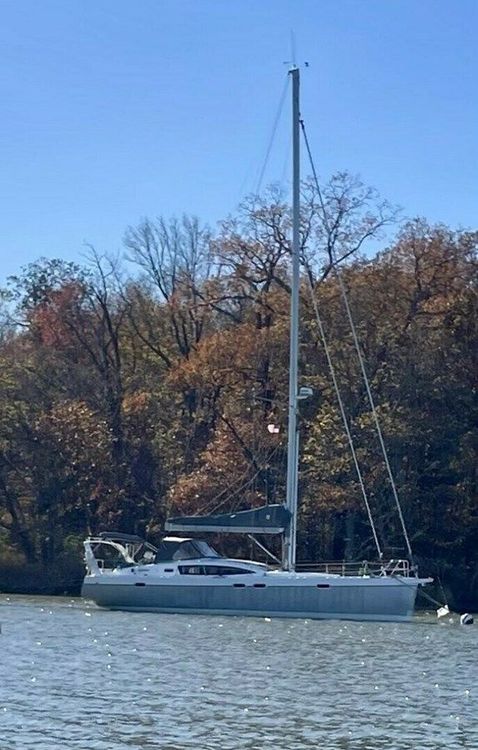

Learn more on the “ALLURES”
To learn more on the “ALLURES” or to get advice on how to buy or sell a yacht or get a great price for a yacht charter
please call +1 (954) 274-4435 USAOnly deal with professionals!
