
 Licensed Yacht BrokersSales and service of yachts and ships
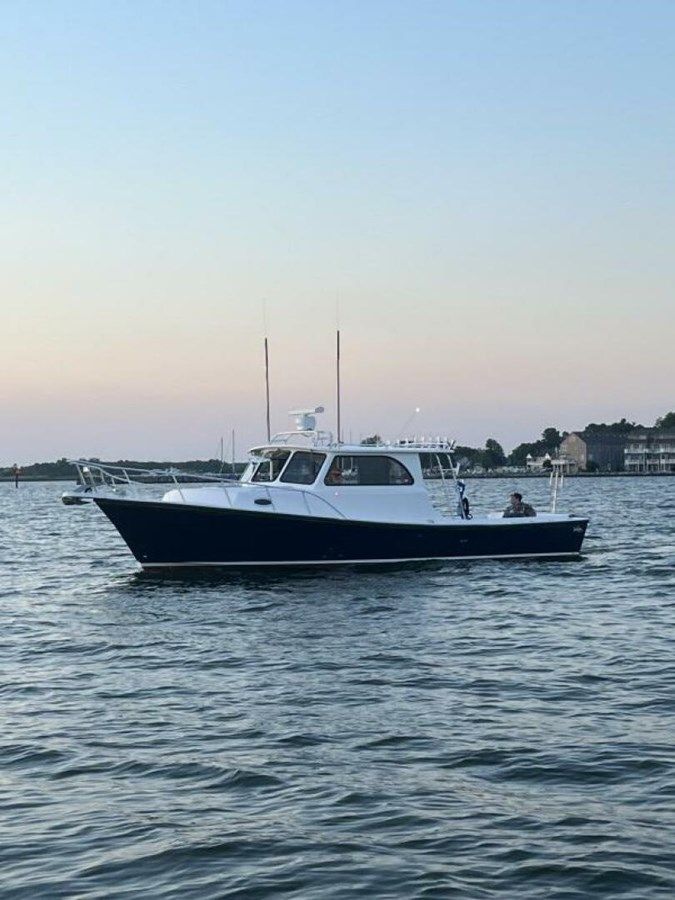
JUDGE YACHTS - For Sale
Judge Yachts
Company History
-
English: Judge Yachts is a boutique American boatbuilder known for semi-custom, outboard-powered sportfishing and family day boats purpose-built for the Chesapeake Bay and similar coastal waters. The company was established by Maryland boatman and entrepreneur Bill Judge in the early 2000s. Drawing on years of hands-on experience in rigging, service, and charter operations around the Bay, Judge set out to build practical, efficient hulls with layouts that reflect the real needs of anglers and families who boat in the Mid-Atlantic.
From its earliest builds, the brand focused on clean, seaworthy designs that tame the short, steep chop for which the Chesapeake is famous. The line grew around core models in the low-to-mid 20-foot range and the widely recognized 27 Chesapeake, which became a hallmark of the company’s approach: a versatile, dry-running hull with plenty of cockpit, a simple, service-friendly systems layout, and customization options to fit the owner’s program—whether that be trolling for stripers, running crab pots, or comfortable family cruising to the next riverside town.
Through steady, organic growth and word-of-mouth recommendations—especially among charter captains and serious private anglers—the company refined its tooling, hull lamination, and rigging practices. Judge Yachts remained independent and deliberately small, prioritizing craftsmanship, direct communication with customers, and incremental product development over rapid expansion. The result is a brand that occupies a respected niche: boats that feel purpose-built for the Bay, but also travel well to other fisheries along the East Coast and Gulf, balancing efficiency, fishability, and straightforward ownership.
-
Español: Judge Yachts es un constructor de embarcaciones estadounidense de nicho, reconocido por sus lanchas semipersonalizadas con motor fuera de borda orientadas a la pesca deportiva y a la navegación familiar, concebidas para la Bahía de Chesapeake y aguas costeras similares. La empresa fue fundada por el navegante y empresario de Maryland Bill Judge a comienzos de los años 2000. Basándose en su experiencia práctica en armado, servicio y operaciones de charter en la Bahía, Judge se propuso construir cascos prácticos y eficientes con distribuciones pensadas para las necesidades reales de pescadores y familias.
Desde sus primeros modelos, la marca se centró en diseños marineros y limpios, capaces de enfrentar el oleaje corto y picado característico de la Chesapeake. La gama creció alrededor de modelos en la franja de 20 a 30 pies, destacando el 27 Chesapeake, que se convirtió en emblema del enfoque de la empresa: casco versátil y seco, amplia bañera, sistemas sencillos y de fácil mantenimiento, y opciones de personalización adaptadas a cada uso.
Con un crecimiento orgánico y el boca a boca—especialmente entre capitanes de charter y pescadores serios—la compañía fue perfeccionando moldes, laminación y aparejo. Judge Yachts se mantuvo independiente y deliberadamente pequeña, priorizando la artesanía, la comunicación directa con el cliente y el desarrollo gradual del producto. Así, ocupa un nicho respetado: barcos hechos a la medida de la Bahía que también funcionan bien en otras pesquerías de la Costa Este y el Golfo.
-
Français: Judge Yachts est un constructeur américain artisanal, spécialisé dans des bateaux semi-custom à moteurs hors-bord destinés à la pêche sportive et aux sorties familiales, conçus pour la baie de Chesapeake et des plans d’eau côtiers comparables. L’entreprise a été créée au début des années 2000 par le marin et entrepreneur du Maryland Bill Judge. S’appuyant sur son expérience dans le gréement, la maintenance et les opérations de charter, Judge a voulu proposer des coques pratiques et efficientes avec des aménagements inspirés des usages réels.
Dès ses débuts, la marque a privilégié des designs marins et épurés, aptes à affronter le clapot court typique de la Chesapeake. La gamme s’est structurée autour de modèles de 20 à 30 pieds, avec le 27 Chesapeake comme modèle emblématique: une coque polyvalente, sèche, dotée d’un grand cockpit, d’une installation technique simple et personnalisable selon le programme du propriétaire.
Grâce à une croissance régulière fondée sur la recommandation—notamment parmi les capitaines de charter—l’entreprise a affiné ses outillages, ses procédés de stratification et son montage. Judge Yachts est restée indépendante, de taille maîtrisée, privilégiant l’artisanat, le dialogue direct et l’évolution progressive de ses produits, ce qui lui vaut une solide réputation dans son segment.
-
Deutsch: Judge Yachts ist eine amerikanische Manufaktur für semi-kundenspezifische, außenborderbetriebene Sportfischer- und Familienboote, die speziell für die Chesapeake Bay und ähnliche Küstengewässer entwickelt wurden. Gegründet wurde das Unternehmen Anfang der 2000er Jahre von dem Bootsfachmann und Unternehmer Bill Judge aus Maryland. Aufbauend auf Praxiserfahrung in Ausrüstung, Service und Charterbetrieb entwickelte Judge zweckmäßige, effiziente Rümpfe mit praxisnahen Layouts.
Von Beginn an lag der Fokus auf seetüchtigen, klaren Entwürfen, die mit dem kurzen, steilen Wellengang der Chesapeake gut zurechtkommen. Die Modellpalette etablierte sich im Bereich um 20 bis knapp 30 Fuß, wobei das Modell 27 Chesapeake als Markenzeichen gilt: ein vielseitiger, trockener Rumpf, viel Cockpitfläche, einfach zugängliche Technik und weitreichende Individualisierung.
Mit organischem Wachstum und Empfehlungen—vor allem unter Charterkapitänen—verfeinerte die Werft Werkzeugbau, Laminierung und Ausrüstung. Judge Yachts blieb unabhängig und bewusst klein, mit Fokus auf Handwerk, direkter Kundenkommunikation und schrittweiser Produktentwicklung, was der Marke einen festen Platz in ihrem Segment sichert.
Country of Origin
- English: United States of America (USA).
- Español: Estados Unidos de América (EE. UU.).
- Français: États-Unis d’Amérique (USA).
- Deutsch: Vereinigte Staaten von Amerika (USA).
Manufacturing Locations
-
English: Judge Yachts builds its boats on the Eastern Shore of Maryland, within the Chesapeake Bay region of the United States. Locating production in this maritime heartland keeps the yard close to its core users and to the conditions that shape its design philosophy. Boats can be test-run and iterated in the same chop, currents, and seasonal weather patterns that owners face, creating a tight feedback loop between design, fabrication, and real-world performance.
The company’s facility supports handcraft production in modest volumes, with a focus on consistent lamination, careful rigging, and clean, serviceable installations. Proximity to regional suppliers and marine trades—fabricators, metalwork specialists, electronics installers, canvas shops—enables a semi-custom approach without long lead times. Sea trials and deliveries frequently occur on the Bay, and many builds are tailored for the local fisheries and boating culture, even as the boats are shipped to owners up and down the East Coast and beyond.
-
Español: Judge Yachts construye sus embarcaciones en la costa oriental de Maryland, en la región de la Bahía de Chesapeake (Estados Unidos). Esta ubicación mantiene a la empresa cerca de sus usuarios y de las condiciones que inspiran su filosofía de diseño. Las pruebas de mar se realizan en el mismo entorno donde navegarán los propietarios, lo que acelera la retroalimentación y la mejora continua.
La instalación está orientada a una producción artesanal en volúmenes contenidos, con énfasis en una laminación consistente, un aparejo cuidadoso y montajes limpios y accesibles para el mantenimiento. La cercanía a proveedores y oficios náuticos regionales facilita el enfoque semipersonalizado sin penalizar los plazos.
-
Français: La construction a lieu sur la côte est du Maryland, au cœur de la région de la Chesapeake. Cette implantation maintient un lien direct avec les utilisateurs et les conditions de navigation qui guident les choix de conception. Les essais se font sur place, permettant des ajustements rapides et pertinents.
Les installations privilégient une production artisanale à faible volume: stratification maîtrisée, montage soigné et installations techniques accessibles à l’entretien. La proximité d’un réseau de sous-traitants maritimes soutient la personnalisation tout en contrôlant les délais.
-
Deutsch: Gefertigt wird an der Ostküste Marylands in der Chesapeake-Region. Die Nähe zu Revier und Kundschaft prägt die Entwürfe und erlaubt Erprobung unter realen Bedingungen. Das Werk ist auf handwerkliche Kleinserienfertigung ausgelegt—mit fokus auf gleichmäßige Laminierung, sorgfältige Ausrüstung und wartungsfreundliche Installationen. Regionale Zulieferer ermöglichen individuelle Ausstattungen bei überschaubaren Lieferzeiten.
Ownership and Management
-
English: Judge Yachts is privately held and founder-led. Bill Judge, who established the company, remains closely involved in product definition, customer consultation, and the overall direction of the brand. The management style is hands-on and workshop-centered rather than corporate. Customers typically interact directly with decision-makers throughout specification, build, and delivery. This structure supports the semi-custom nature of the product: owners can discuss helm layouts, fishability requirements, power choices, seating, storage, and electronics to align the boat with its intended use.
The workforce consists of experienced craftspeople, laminators, riggers, and marine technicians familiar with the demands of Chesapeake boating. The company leverages long-standing relationships with engine manufacturers and component suppliers to deliver reliable, serviceable installations. Remaining independent has allowed the brand to prioritize quality, transparent communication, and incremental improvements over volume.
-
Español: Judge Yachts es de propiedad privada y está dirigida por su fundador. Bill Judge continúa implicado en la definición del producto, la atención al cliente y la dirección general de la marca. La gestión es directa y centrada en el taller. Los clientes suelen tratar con quienes toman decisiones a lo largo del proceso de especificación, construcción y entrega, lo que favorece la personalización.
-
Français: L’entreprise est détenue de manière privée et dirigée par son fondateur. Bill Judge demeure impliqué au quotidien—de la définition des modèles au suivi client. Cette gouvernance de proximité favorise les échanges directs et la personnalisation des projets.
-
Deutsch: Privat geführt und gründergeleitet: Bill Judge ist operativ eingebunden in Produktentwicklung und Kundenabstimmung. Die Struktur ermöglicht kurze Wege, individuelle Lösungen und klare Verantwortlichkeiten.
Reputation and Quality
-
English: Within the Chesapeake Bay community and among East Coast anglers, Judge Yachts has earned a reputation for honest, capable boats that run efficiently, ride dry for their size class, and are easy to own. The hulls are designed to handle the Bay’s notorious short-period chop, combining an entry that softens impact with the stability and cockpit space prized by fishermen and families alike. Owners frequently cite fuel efficiency with single-outboard installations, straightforward systems, and layouts that maximize working deck area without sacrificing comfort at the helm.
The brand’s semi-custom approach is central to its appeal. Rather than forcing buyers into rigid, mass-market packages, Judge Yachts works through helm ergonomics, seating, storage, livewells, hardtops or pilothouses, and electronics to fit each use case—trolling spread, jigging space, crab pot handling, or kid-friendly day boating. The boats are commonly seen at regional shows and featured in Chesapeake-focused boating media, where they are appreciated for purposeful design, robust construction, and clean rigging.
Build quality emphasizes durability and serviceability. Boats are typically hand-laminated with composite materials and supported by structural grids designed for the loads of outboard propulsion and heavy fishing use. Rigging is neat and accessible, with attention to wiring runs, plumbing, and hardware mounting. Owners and charter operators often highlight the yard’s responsive after-sales support, seasonal maintenance coordination, and willingness to perform refits and upgrades as needs evolve.
The market perception is that Judge Yachts occupies a sweet spot: more robust and individualized than many mass-produced center consoles, yet simpler and more cost-conscious than fully custom one-off builds. Resale values in the region reflect this positioning, with used “Judge” boats attracting informed buyers who understand the brand’s strengths in the Bay’s conditions. While the company does not chase frequent model-year overhauls, it iterates steadily—updating mold details, integrating modern outboards and electronics, and refining deck layouts as owner feedback accumulates.
-
Español: En la comunidad de la Chesapeake y entre pescadores de la Costa Este, Judge Yachts goza de una reputación de barcos honestos y capaces: eficientes, secos para su eslora y fáciles de mantener. Los cascos están pensados para el “chop” corto de la Bahía, combinando una proa que suaviza el impacto con estabilidad y espacio de bañera. La personalización—puestos de mando, asientos, estiba, viveros, cabina o hardtop, electrónica—es parte esencial del atractivo. La marca es valorada en ferias regionales y en medios náuticos locales por su diseño con propósito, construcción robusta y aparejo limpio. El soporte posventa cercano y las mejoras a medida suelen mencionarse como puntos fuertes.
-
Français: Sur la baie de Chesapeake et parmi les pêcheurs de la côte Est, Judge Yachts est réputée pour des bateaux efficaces, secs et faciles à vivre. Les coques sont adaptées au clapot court, avec une carène qui amortit l’impact tout en préservant stabilité et espace de cockpit. L’approche semi-custom—ergonomie de timonerie, rangements, viviers, protections, électronique—séduit une clientèle qui cherche des solutions pratiques. La qualité de construction, l’installation technique soignée et le service après-vente réactif sont régulièrement mis en avant par les propriétaires.
-
Deutsch: In der Chesapeake-Community gilt die Werft als Anbieter ehrlicher, leistungsfähiger Boote: effizient im Verbrauch, trocken laufend und wartungsfreundlich. Die Rümpfe sind auf kurzen, steilen Seegang ausgelegt; Cockpitfläche und Stabilität stehen im Fokus. Der semi-kundenspezifische Ansatz—von Steuerstand und Stauraum über Livewell bis Pilothouse—ist ein Kernnutzen. Saubere Ausrüstung, robuste Bauweise und nahbarer Service prägen den Ruf der Marke.
Judge Yachts
Main Competitors
Judge Yachts occupies a niche within the small-to-midsize, semi-custom sportfishing and family day-boat segment, particularly those boats optimized for the Chesapeake Bay and comparable coastal waters. The closest competitors share characteristics such as simple, workmanlike layouts, pilothouse or hardtop options, rugged construction for choppy inshore conditions, and factory or semi-custom outfitting. The following brands are commonly considered by the same buyers:
-
Parker Boats (North Carolina)
- Known for no-nonsense, heavily built, modified-V hulls and a strong lineup of pilothouse models (notably the 2320 and 2520) alongside open center consoles and walkarounds.
- Appeals to anglers and charter operators who prioritize reliability, protection from the elements, and straightforward maintenance.
- Market overlap: Parker’s pilothouse offerings are often cross-shopped with Judge’s pilothouse and hardtop Chesapeake-oriented models.
-
Steiger Craft (Long Island, New York)
- Specializes in pilothouse and Miami-style hardtop fishing boats in the low- to mid-20s up to around 30 feet.
- Known for robust construction, dry ride, and layouts that favor serious fishing with family-friendly comforts.
- Market overlap: Steiger’s 23–28-foot pilothouses are a frequent comparison set for buyers looking at Judge’s semi-custom approach.
-
C-Hawk Boats (North Carolina)
- Builds practical, workboat-influenced center consoles and pilothouses suited for coastal and inshore fisheries.
- Reputation for durable, simple boats that are easy to keep clean and service.
- Market overlap: Similar buyer profile—anglers seeking tough, functional boats that handle chop and heavy use.
-
May-Craft (North Carolina)
- Offers value-forward, sturdy center consoles and pilothouse models around the mid-20-foot range.
- Often considered by owners who want capability and shelter without the premium of high-gloss finishes.
- Market overlap: Pilothouse configurations and simple, functional interiors appeal to the same Chesapeake audience.
-
NorthCoast Boats (Rhode Island)
- Produces New England-style fishing boats and hardtop/walkaround configurations in the low-to-mid-20s through the high-20s and low-30s.
- Emphasis on fishability and offshore-capable designs that still suit inshore work.
- Market overlap: Buyers seeking a rugged, practical build with options for hardtop protection frequently compare NorthCoast and Judge.
-
Maritime Boats (Massachusetts)
- Builds light, efficient, highly stable center consoles and pilothouses with purposeful layouts for fishing and family day boating.
- Market overlap: Pilothouse and hardtop packages, straightforward systems, and utility-forward design ethos.
-
Eastern Boats (New Hampshire), including related “Downeast-influenced” models
- Produces semi-custom, New England-style hulls with hardtops and cabins in sizes comparable to Judge’s core offerings.
- Market overlap: Owners who like semi-custom input and simple, efficient running characteristics.
-
Privateer Boat Company (North Carolina)
- Offers no-frills, tough, workboat-inflected center consoles in the low-to-high 20-foot range.
- Market overlap: Anglers and guides who put a premium on cockpit space and easy service.
-
Jones Brothers Marine (North Carolina)
- Known for light, efficient skiffs and center consoles optimized for inshore fisheries.
- Market overlap: For buyers leaning toward open, simple fishing platforms over pilothouse layouts, Jones Brothers can be a comparison point.
Beyond these core competitors, some buyers also cross-shop with larger-volume offshore-oriented brands (such as Grady-White, Regulator, or Albemarle) when they want more deadrise for offshore runs or higher trim levels. However, those brands often pursue different performance envelopes and price points, and they lean toward deep-V offshore center consoles rather than the Chesapeake-style pilothouse and hardtop focus that Judge Yachts is known for. Within the Chesapeake and Mid-Atlantic, Judge’s rivalry with Parker and Steiger Craft is especially prominent among anglers weighing pilothouse protection, cockpit space, and semi-custom options.
What differentiates Judge Yachts in this competitive field is its continued emphasis on semi-custom build-to-order execution, direct engagement with owners during specification, and hull geometries that prioritize comfort and efficiency in short-period chop common to the Bay. Many competitors offer fixed packages or dealer-driven configurations; Judge tends to allow deeper input on helm ergonomics, fishbox/livewell solutions, seating/storage arrangements, and electronics integration. Buyers who value a close relationship with the builder and a boat optimized for the Mid-Atlantic’s mix of trolling, jigging, and family cruising often find Judge Yachts a better fit than mass-market alternatives.
Current Production Status
Judge Yachts remains an active, privately held, small-batch builder on Maryland’s Eastern Shore, continuing to build boats to order. The company’s approach emphasizes hand-crafted lamination, careful rigging, and clean, serviceable systems installations. Production is ongoing, with a schedule tailored to the realities of semi-custom execution rather than a fixed, high-volume assembly cadence.
Key characteristics of the current production posture:
- Build-to-order model
- Most boats are specified directly with the yard. Owners typically collaborate on layout details, helm design, storage solutions, seating, hardtop/pilothouse options, and equipment choices to match their intended use—trolling spread, jigging deck space, light cruising comfort, or charter requirements.
- Flexible power and electronics
- Boats are commonly rigged with major-brand outboards and current-generation multifunction displays and radar/sonar packages. Integration decisions (brand, horsepower, battery management, and networked accessories) are made case-by-case to fit the owner’s program.
- Direct communication with the shop
- Customers generally work closely with decision-makers throughout specification, construction, and delivery, a hallmark of smaller, independent yards. This shortens the feedback loop and often results in better fit-and-finish for the owner’s exact use case.
- Seasonal production rhythm
- Timelines can reflect seasonal demand peaks in the Mid-Atlantic, as many owners want delivery prior to spring runs or fall fisheries. The yard schedules laminating, rigging, and sea trials accordingly.
- Service, refit, and upgrades
- In addition to new builds, the company supports after-sale service, seasonal maintenance, and upgrades. Owners often return to the yard for electronics refreshes, repowers, and layout refinements, which fits naturally with the semi-custom, factory-direct relationship.
As with most small builders, lead times can vary depending on order flow, model selection, and supply considerations (engines, electronics, and certain composites). Industry conditions have generally improved compared to the peak supply-chain disruptions of 2021–2022, but the company continues to schedule builds with prudent buffers to ensure quality and predictable delivery.
For prospective buyers, the practical takeaway is that production is active and slots are typically filled on a rolling basis. Early engagement with the yard helps align delivery timing with fishing seasons and personal schedules, especially for popular pilothouse configurations.
Production Volumes
Judge Yachts does not publicly disclose unit volumes, and there is no authoritative, regularly published figure available from the builder. The company operates as a low-volume, semi-custom shop—an approach centered on craftsmanship and owner interaction rather than mass production. While the brand has a visible footprint across the Chesapeake and along the East Coast, its output reflects a workshop-paced cadence, with builds carefully scheduled to maintain quality and allow for the customization that defines the product.
From a buyer’s standpoint, the absence of publicly posted volumes is typical for boutique boatbuilders. What matters operationally is capacity planning and lead time. In practice:
- The builder aligns its schedule with confirmed orders and component availability (engines, helm electronics, topside metalwork, canvas, etc.).
- Sea trials and delivery are coordinated with local conditions, ensuring that boats are tested in waters similar to their intended use.
- The shop’s size and staffing are tuned to preserve quality control—lamination consistency, clean rigging runs, and accessible systems—rather than to chase throughput.
Prospective owners evaluating timing should request current lead-time estimates directly from the yard. This will yield the most reliable projection, tailored to the model, propulsion choice, and any custom features requested.
Latest News
There have been no widely reported corporate changes—such as ownership transfers, mergers, or factory relocations—publicly documented for Judge Yachts through the most recent period. The brand continues to operate as an independent builder in Maryland with a product strategy focused on incremental improvements rather than sweeping, year-to-year model overhauls.
What has been consistently observable in recent seasons:
- Ongoing incremental refinements
- Semi-custom builders like Judge Yachts tend to iterate continuously: adjusting helm ergonomics, refining liner and deck details, and updating hardware and rigging practices as owner feedback accumulates. These measured changes maintain continuity in the boats’ core strengths—efficient, dry-running hulls and large, usable cockpits—while keeping pace with user preferences.
- Integration of current-generation outboards and electronics
- As the outboard market and marine electronics evolve, the yard incorporates updated engines and networked systems during new builds and repowers. This includes modern digital throttles, power steering, electronic switching, and the latest sonar/chartplotter ecosystems. The upgrade path is central to how owners extract long life and high utility from these boats.
- Stable brand positioning in the Chesapeake community
- The company’s presence remains strong within the Chesapeake Bay angling and family boating community, where its boats are well recognized among private owners and charter captains. Word-of-mouth, regional visibility on the water, and direct builder relationships continue to be the brand’s principal “news” in the sense of market relevance.
If you are tracking “news” that affects ordering decisions—such as current lead times, availability of specific engines (e.g., different horsepower ranges across major brands), or whether a given model is accepting new orders for a particular season—the most reliable source is direct contact with the builder. Boutique manufacturers regularly adjust slot allocations and options availability in response to supplier timelines and confirmed customer specifications, and those adjustments are better understood in a direct conversation than through generalized press updates.
In summary, Judge Yachts continues to do what has defined the brand: building semi-custom, Chesapeake-optimized boats in low volumes with direct customer engagement, while incrementally improving layouts, systems, and rigging in step with owner feedback and current equipment offerings. This steady, craftsmanlike approach is the core story and remains the most relevant “latest news” for prospective owners comparing Judge to other pilothouse and coastal fishing builders in the 20-to-30-foot range.
Judge Yachts
Frequently Asked Questions
Question: What type of boats does Judge Yachts build? Answer: Judge Yachts focuses on semi-custom, outboard-powered coastal fishing and family day boats, with particular strengths in pilothouse and hardtop configurations designed to excel in the short-period chop and variable weather typical of the Chesapeake Bay and similar inshore-to-nearshore waters. The brand prioritizes practical layouts, large working cockpits, straightforward systems, and the ability to tailor helm ergonomics, storage, and fishing features to each owner’s use case.
Question: Where are Judge Yachts boats built? Answer: Boats are built on the Eastern Shore of Maryland, within the Chesapeake Bay region of the United States. This location allows design, sea trials, and incremental refinements to be informed by the very conditions many owners will encounter—tight chop, shoal areas, strong tidal currents, and a mix of fishing and family cruising.
Question: What sets Judge Yachts apart from mass-market builders? Answer: Three core points: a semi-custom build approach with direct owner input; hulls optimized for efficient, dry running in short, steep waves; and workshop-level attention to clean, serviceable rigging. Rather than forcing owners into fixed packages, the yard adapts layouts, seating, livewell and fishbox arrangements, hardtop or pilothouse treatments, and electronics integration to the program—trolling, jigging, light cruising, or charter use.
Question: What hull characteristics are typical of Judge Yachts designs? Answer: The boats generally feature entries and running surfaces intended to soften impact in short chop while preserving lateral stability at rest and underway. Owners frequently highlight the balance between a soft ride at practical speeds and a dry, predictable running attitude. Beam is kept trailer-friendly on core models, supporting easy ownership without sacrificing cockpit space.
Question: Are these boats primarily for anglers or families? Answer: Both. The brand grew in a community of serious anglers and charter captains, so fishability—uncluttered cockpits, rod storage, livewells, and rigging access—is central. But many builds include family-forward amenities such as protective pilothouses or hardtops, secure handholds, integrated seating, and weather-resistant enclosures. The hallmark is purposefulness: the same hull that trolls efficiently can double as a secure day-boat for family trips.
Question: What construction methods are commonly used? Answer: Production emphasizes hand-laminated fiberglass construction with composite coring where appropriate, bonded structural grids or stringers, and methodical, accessible rigging. The aim is stiffness, durability, and serviceability. While exact layups and materials can vary by model and evolution over time, the ethos is consistent: robust, repeatable structures paired with clean installations that are easy to maintain.
Question: Which power options are typical? Answer: Outboard propulsion is standard, commonly in single or twin configurations depending on the model, owner preference, and the balance between efficiency and redundancy. Power choices are selected for midrange efficiency and reliable planing performance with fishing loads, coolers, crew, and gear aboard.
Question: How fast do Judge Yachts boats typically run? Answer: Top speeds vary with model length, hull form, and horsepower, but boats in this class typically achieve high-30s to mid-40s mph in suitable conditions with appropriate power. Many owners optimize for an efficient, controlled cruise in the mid-20s to low-30s mph range, where the boats track cleanly and fuel burn remains reasonable.
Question: What are the advantages of a pilothouse versus a center console in this lineup? Answer: Pilothouse and hardtop builds provide shelter from wind, spray, rain, and cold—an unmistakable advantage for shoulder-season fishing and family comfort on variable days. Center consoles offer the best 360-degree fishability, open space, and flexibility for casting. Judge Yachts is known for both, and the decision often comes down to the balance between all-weather protection and open-deck priority.
Question: Are Judge Yachts trailerable? Answer: Core models are typically kept at a beam that remains trailer-friendly in many jurisdictions. Owners frequently tow to seasonal ramps and destinations around the Bay and along the coast. Proper trailer setup, weight distribution, and tow-vehicle capacity are essential, and the yard’s emphasis on clean rigging helps maintain predictable trailering weights and service access.
Question: How customizable are the boats? Answer: Customization is a central part of the brand identity. Within the constraints of the molds and structural design, owners routinely specify helm layouts, seating and storage, fishbox and livewell capacities, leaning post or helm chair styles, enclosure treatments, topside metalwork, and electronics packages. The objective is to set the boat up for how it will actually be used rather than relying on a one-size-fits-all package.
Question: What kinds of fishing are these boats best suited for? Answer: The boats are commonly set up for trolling (including spread management), jigging and casting around structure, and general inshore to nearshore work. Many are tailored for the Chesapeake’s striped bass fishery, but they’re equally at home chasing coastal species in other Mid-Atlantic and New England waters. With appropriate power and conditions, owners may run offshore on fair-weather days, though these boats are optimized for coastal versatility and efficiency, not heavy-weather bluewater campaigns.
Question: How is service and maintenance handled on these boats? Answer: Systems are installed with access in mind—clear wiring runs, labeled circuits in many builds, reachable pumps and filters, and neat plumbing. Many owners emphasize the ease of routine tasks such as bilge inspection, filter changes, and electronics upgrades. Seasonal maintenance, refits, and repowers are commonly handled by the same marine trades ecosystem that supports the build region, and many boats return to the original shop for enhancements over time.
Question: What is the reputation of Judge Yachts among owners? Answer: Owners and charter operators in the Chesapeake and Mid-Atlantic frequently cite the boats’ efficient running, dry ride relative to size, and purposeful layouts. The boats are often described as “honest” and “capable”—not flashy, but robust and well thought out for fishing and family day use. This reputation sustains desirability and recognition in the regional market.
Question: What electronics and systems are commonly specified? Answer: Builds typically feature modern multifunction displays, radar and sonar suites appropriate to coastal fishing, VHF with AIS options, digital throttles and steering with compatible outboards, and sensible battery management. Exact brand choices and network configurations are spec’d to the owner’s preference, with attention to clean installation and future service access.
Question: Are there cabin accommodations? Answer: On pilothouse-oriented models, many builds include a compact forward space that can be set up with cushions for rest, storage solutions, and in some cases provision for a portable or plumbed marine head, depending on specification. These are not long-range cruising cabins; they provide day-boat practicality, weather protection, and occasional overnight flexibility.
Question: How do these boats perform in rough, short chop? Answer: This is a signature use case. The hulls and weight distribution are intended to minimize pounding at practical speeds, maintain a dry bow attitude, and avoid excessive bow steer. Owners frequently report that they can maintain productive fishing transits in conditions that slow less specialized hulls, with attention to trim and throttle management.
Question: What about fuel economy and range? Answer: Fuel economy varies with the hull, loading, sea state, and power choice. Many outboard-powered builds in this size class deliver efficient cruise in the mid-20s mph with fuel burns that compare favorably to deeper-V offshore boats of similar length. Range planning is typically based on a conservative fraction of usable tank capacity, allowing for reserve in adverse conditions. Owners interested in extended runs often choose larger fuel capacities when available in a given model.
Question: How does the brand approach safety? Answer: Safety is addressed through predictable handling, secure handholds, non-skid deck treatments, sturdy rails and hardware, and layouts that keep the deck uncluttered. Electrical and fuel systems are installed with attention to neat routing and secure mounting. As with any coastal boat, prudent seamanship, proper equipment, and weather planning are the foundation of safe operation.
Question: Is there a typical buyer profile? Answer: Many owners are practical-minded anglers and families who value capability, simple ownership, and the ability to influence the final configuration. Charter captains are also a visible part of the owner community, using these boats for daily work on the Bay thanks to their efficiency, protective pilothouse options, and large working cockpits.
Question: What is the resale outlook? Answer: In markets that recognize the brand—especially the Chesapeake region—used examples tend to draw informed buyers who understand the design’s strengths. The combination of semi-custom features, purpose-built layouts, and regional reputation supports a healthy secondary market presence.
Question: How are seasonal considerations addressed? Answer: Boats in this genre are built with the Mid-Atlantic’s shoulder seasons in mind. Pilothouses and enclosure options extend the usable calendar, and systems access simplifies winterization. Many owners plan their upgrades and refits during the off-season, ensuring the boat is tuned for spring runs or fall fisheries.
Available Models
Note: As a semi-custom builder, Judge Yachts has historically concentrated on a focused lineup rather than a large catalog, and specifications may evolve. The following are representative models and configurations commonly associated with the brand. Exact dimensions, capacities, and performance will vary with build year, options, and propulsion.
-
Judge 27 Chesapeake (Pilothouse/Hardtop)
- Length: Approximately 27 feet overall, kept within a trailerable footprint.
- Number of cabins: Not a cruising yacht in the conventional sense; typically features a sheltered pilothouse with helm seating and a compact forward space that can be arranged with cushions for rest and storage, and provision for a marine head depending on specification.
- Engine type: Outboard, commonly single high-horsepower or twin midrange outboards based on owner preference for efficiency versus redundancy.
- Maximum speed: Typically in the high-30s to 40+ mph range depending on horsepower, propeller selection, load, and conditions; efficient cruise often in the mid-20s to low-30s mph.
- Character: This model is widely recognized as a hallmark of the brand—built to run dry and level in short chop, with a large, uncluttered cockpit for trolling, jigging, or family seating. The protected helm and enclosure options extend the season and daily comfort.
-
Judge 24 Center Console (Representative CC Configuration)
- Length: Roughly mid-20-foot class.
- Number of cabins: Open center console; no cabin. Space within the console can accommodate storage and a portable head in some configurations.
- Engine type: Single outboard is typical; power is chosen to balance hole shot, cruise efficiency, and budget. Some owners may opt for higher horsepower for heavier fishing loads or to sustain speed in chop.
- Maximum speed: Often mid-to-high-30s mph with appropriate power and prop; higher with performance-focused setups. Cruising in the mid-20s mph is common for fuel efficiency and comfort.
- Character: Suited to anglers who prioritize open 360-degree fishability, easy washdown, and simple systems. A T-top or hardtop is often specified for sun and weather protection. The hull is tuned for the short, steep wave patterns found in the Bay.
-
Judge 22 Center Console (Representative CC Configuration)
- Length: Around the low-20s class.
- Number of cabins: None; open center console with storage in the console and under-seat compartments.
- Engine type: Single outboard, typically midrange horsepower aligned with efficient coastal use.
- Maximum speed: Commonly low-to-mid-30s mph depending on load and prop; cruise in the low-to-mid-20s mph.
- Character: A nimble, economical platform for inshore and nearshore fishing, crabbing, and family day trips. Emphasizes simplicity, stable handling at rest, and easy trailerability.
-
Judge 27 Open/Hardtop (Non-pilothouse open layout in the 27-foot class)
- Length: Approximately 27 feet overall.
- Number of cabins: None; emphasizes an expansive cockpit with forward seating options as specified, plus storage under the console or helm module if configured that way.
- Engine type: Single or twin outboards; rigged to the owner’s preference for redundancy, load-carrying, and range.
- Maximum speed: Comparable to the pilothouse variant—often high-30s to low-40s mph with suitable power and conditions.
- Character: Offers the running surface and cockpit footprint of the 27-foot class with a more open layout for casting, kite-fishing setups in season, or family day boating with flexible seating modules.
Key characteristics common across these models:
- Hull philosophy: Entries and running surfaces meant to soften the blows of short chop, maintain a dry ride, and keep the boat predictable for the operator. Trim tabs and outboard mounting height are dialed in to match the chosen power and typical loading.
- Cockpit utility: Space for multiple anglers, easy movement around the helm, and cockpit depth that balances security with gunnel height for fighting fish. Rigging choices include livewells, fishboxes, transom doors, rocket launchers, and under-gunnel rod storage.
- Protection and ergonomics: Owners commonly specify pilothouses, hardtops, T-tops, curtains, or full enclosures. Helm dash space is considered with modern multifunction displays in mind, allowing clear sightlines and sensible switchgear layout.
- Serviceability: Wiring runs are planned to avoid clutter, with access panels where feasible. Pumps, filters, seacocks (where used), and batteries are installed for reach during seasonal maintenance. Hardware is mounted to allow inspection and re-bedding if needed over time.
- Trailer-friendly footprints: Beams typically align with trailer-legal widths in many regions, easing storage and transport between ramps and seasonal destinations without specialized permits.
Because these boats are semi-custom, two examples of the “same” model can differ meaningfully: a 27 Chesapeake outfitted for a charter captain might carry dual helm seats, a robust tackle-and-rigging station, large insulated fishboxes, and an enclosure optimized for winter runs; a family-focused build might emphasize seating modules, additional shade, a head setup for comfort, and integrated coolers. Both rest on the same fundamental running surface and structural approach, but each feels like a tool purpose-built for its mission.
Performance notes and expectations:
- Top speed numbers are less revealing than sea-keeping and efficiency at practical cruising speeds. Owners often report that these boats deliver their best value when operated in the midrange, where the ride is composed, the cockpit stays dry, and fuel burn is sensible.
- Weight discipline matters. Decisions about hardtops, glass thickness, fuel capacity, auxiliary equipment, and stowage affect running attitude and economy. Semi-custom specification allows owners to prioritize accordingly.
- Propeller selection and engine mounting height are tuned to the intended use—an important detail with meaningful effects on hole shot, midrange efficiency, and handling in chop.
In summary, the available models and configurations revolve around compact, efficient, and rugged platforms that can be set up as pilothouses, hardtops, or center consoles in the low-20s to upper-20s range, with the 27-foot class standing as a signature. The boats are meant to be used—hard—by anglers and families who demand reliability, clear deck space, and weather protection calibrated to the Mid-Atlantic’s realities. The semi-custom nature means that published figures for speed, weight, and capacities should be viewed as envelopes rather than absolutes, and prospective owners typically refine those details during specification to match their fishing patterns, crew size, and local waters.
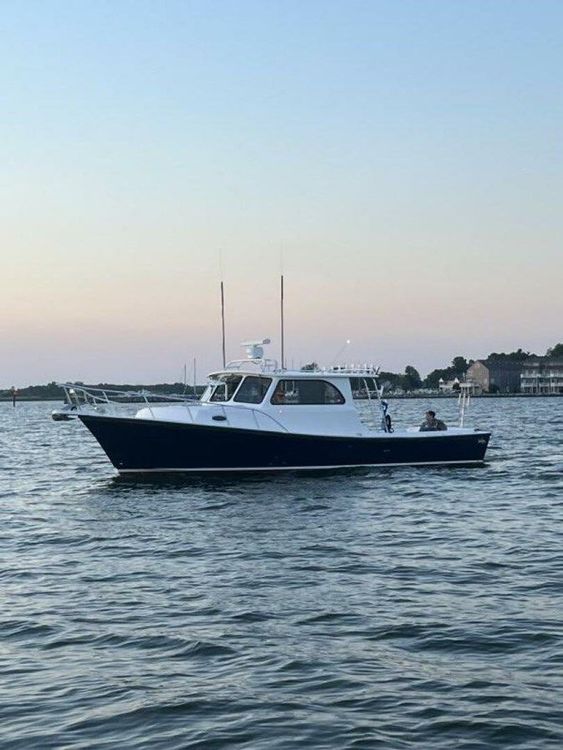

Learn more on the “JUDGE YACHTS”
To learn more on the “JUDGE YACHTS” or to get advice on how to buy or sell a yacht or get a great price for a yacht charter
please call +1 (954) 274-4435 USAOnly deal with professionals!