
 Licensed Yacht BrokersSales and service of yachts and ships
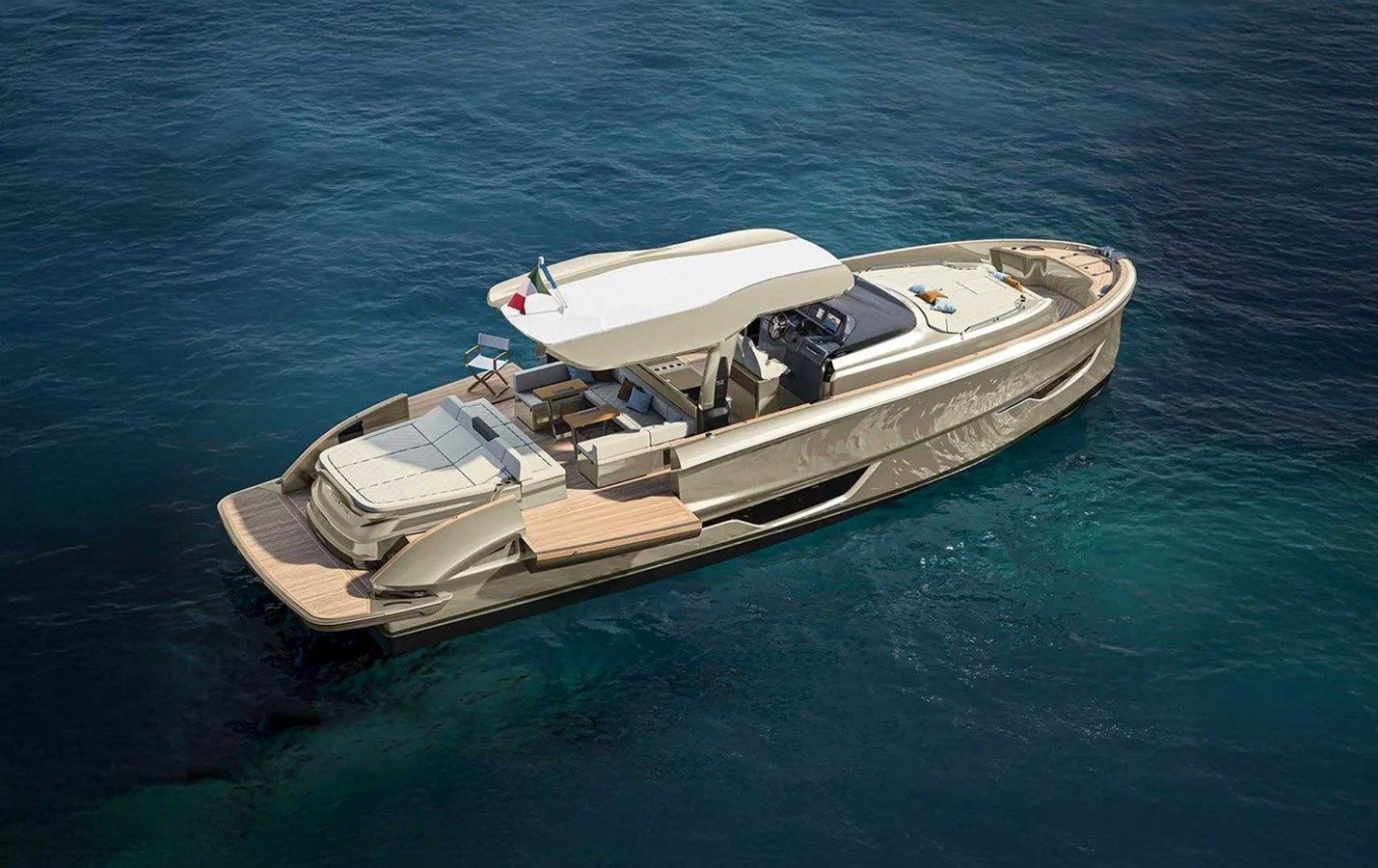
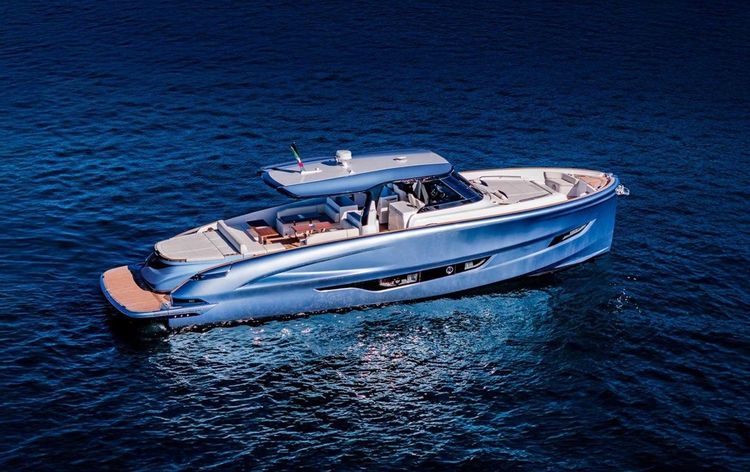
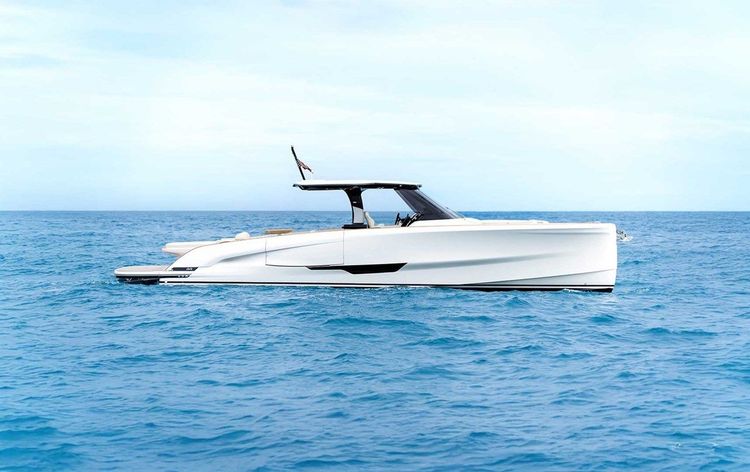
SOLARIS POWER - For Sale
Company History
Solaris Power is the motor-yacht brand of Solaris Yachts, an Italian shipyard with roots dating back to 1974 in Aquileia, Friuli Venezia Giulia. For decades Solaris earned a reputation for blue-water sailing yachts with strong structures and refined craftsmanship. Building on that heritage, Solaris Power was launched in the late 2010s to bring the same seakeeping ethos, construction quality, and timeless Italian design to premium powerboats.
The modern Solaris Power project took shape around the idea that a true offshore motorboat should navigate comfortably and safely in a wide range of sea states, while remaining efficient at both displacement and planing speeds. To achieve this, Solaris partnered with acclaimed naval architect Brunello Acampora (Victory Design) to develop new-generation hulls optimized for stability, low fuel consumption, and dry, confident running offshore. The brand also benefited from the guidance and industry insight of yachting icon Norberto Ferretti during its formative period.
The first high-profile release was the Solaris Power 48 Open, unveiled around 2019 and quickly recognized for its elegant walkaround layout, deep and protective bulwarks, excellent ergonomics, and advanced hull geometry. The model drew substantial attention at major European shows, and it helped position Solaris Power as a leader among premium open and lobster-style cruisers. The success of the 48 Open was followed by smaller and larger sisterships, including the 44 Open and 40 Open, and subsequent larger models in the 50–60-foot range. Today, Solaris Power offers a growing collection of high-end open, hardtop, and lobster-inspired boats that maintain a consistent brand DNA: long-range comfort, secure handling, low vibration and noise levels, and a refined but understated Mediterranean aesthetic.
Throughout its development, Solaris Power has emphasized rigid structural integrity drawn from the sailboat world, meticulous weight distribution, and clever interior packaging for extended weekends and short cruises. The range typically features large, protected walkaround decks that allow safe movement while underway and generous living spaces above and below deck. Combined with efficient propulsion—commonly with Volvo Penta IPS and joystick maneuvering—the boats are designed for both seasoned yachtsmen and owners stepping up to a larger, more versatile dayboat/weekender.
Country of Origin
Italy. Solaris Power was created and is built in Italy, carrying forward the long-standing Italian traditions of yacht craftsmanship, style, and marine engineering.
Manufacturing Locations
Solaris Power boats are manufactured in northern Italy, with the core production located at the Solaris Yachts facilities in Aquileia (province of Udine), in the Friuli Venezia Giulia region. This is a longstanding shipyard hub for the Solaris group, where composite construction, outfitting, and finishing are carried out by specialized teams familiar with the brand’s exacting standards. Sea trials and commissioning typically take place in the northern Adriatic, allowing year-round testing in real conditions close to the yard. The proximity between engineering, lamination, carpentry, and outfitting functions helps Solaris Power maintain tight control over quality and delivery schedules across its model range.
Ownership and Management
Solaris Power is a brand within the Solaris Yachts group, a privately held Italian shipbuilding company. The Solaris Power initiative was developed by Solaris in collaboration with leading professionals, notably naval architect Brunello Acampora (Victory Design). During its launch phase, the project benefited from the strategic insight of Norberto Ferretti, a renowned figure in Italian yachting. Day-to-day management and product development are integrated within the Solaris organization, leveraging the company’s multi-decade experience in high-quality composite yacht construction and its established supplier and dealer networks.
Reputation and Quality
Solaris Power has earned a strong reputation in Europe for combining seakeeping, elegance, and efficiency in the 40–60-foot category. The brand’s design approach stems from practical offshore experience: hulls are engineered for a soft ride in head seas, clean tracking in quartering seas, and predictable handling when maneuvering in tight marinas. Owners frequently cite a sensation of “big-boat” stability relative to length, secure movement on deck thanks to high bulwarks and wide side decks, and a dry ride even when conditions deteriorate.
The yard draws on Solaris’s composite expertise—developed over decades of blue-water sailboat building—to deliver stiff, quiet structures with careful weight distribution and extensive sound insulation. Fit and finish is a highlight: cabinetry, upholstery, and joinery are executed with a minimalist yet warm Italian sensibility, favoring durable materials and easy maintenance. System integration is neatly executed, with attention to service access and the clean routing of wiring, plumbing, and HVAC components. The result is a tangible feeling of solidity and refinement throughout the boat.
In terms of performance, Solaris Power models are often configured with Volvo Penta IPS for efficient cruising, low vibration, joystick precision in close quarters, and optional dynamic positioning for hands-free station-keeping. The hulls are intended to deliver good fuel economy over a wide speed envelope, allowing owners to adapt to sea conditions and fuel considerations without feeling locked into a narrow “sweet spot.” The brand’s walkaround concept maximizes exterior living space: large sunpads, protected seating, and practical galley modules support dayboat use, while interior layouts offer restful cabins for overnighting.
Industry recognition followed quickly after launch. The Solaris Power 48 Open, in particular, received prominent European awards and widespread editorial praise for its style, ergonomics, and offshore behavior. Subsequent models built on that momentum by extending the range while retaining the signature Solaris look: crisp lines, balanced proportions, generous freeboard for safety, and an emphasis on easy, enjoyable operation. Dealers across the Mediterranean and Northern Europe have adopted the brand, contributing to strong visibility at major events such as Cannes Yachting Festival, Boot Düsseldorf, and the Genoa Boat Show.
For prospective owners, Solaris Power’s value proposition lies in the confluence of three qualities that are not always found together: authentic offshore capability, elegant but understated design, and a reassuring sense of structural quality rooted in the shipyard’s sailing heritage. These boats are equally at ease as upscale dayboats for entertaining, as weekending platforms for couples, or as versatile cruisers for coastal passages where weather can change quickly. After-sales support is organized through Solaris’s dealer network, with factory resources in Aquileia backing technical queries, parts supply, and seasonal service.
In sum, Solaris Power has established itself as one of the most compelling Italian entries in the premium open and lobster-style motorboat segment. Its blend of practicality, seaworthiness, and refined craftsmanship continues to resonate with experienced yachtsmen and new entrants alike, and the brand’s expanding lineup indicates a sustained commitment to innovation without departing from its core DNA.
Storia dell’Azienda (Italiano)
Solaris Power è il marchio motoryacht di Solaris Yachts, cantiere italiano attivo dal 1974 ad Aquileia (Friuli Venezia Giulia). Nato per trasferire nel mondo delle barche a motore la cultura della navigazione sicura e della qualità costruttiva tipica dei Solaris a vela, Solaris Power ha presentato alla fine degli anni 2010 una gamma di open e lobster-style dalle linee eleganti e dal comportamento marino convincente. Il progetto ha coinvolto professionisti di primo piano, tra cui il progettista navale Brunello Acampora (Victory Design), e durante la fase di lancio ha beneficiato dell’esperienza di Norberto Ferretti. Il debutto del 48 Open ha segnato un punto di svolta, con riconoscimenti della stampa e del pubblico ai principali saloni europei. Da allora la gamma si è ampliata con modelli intorno ai 40–60 piedi, mantenendo coerenza stilistica e grande attenzione alla sicurezza a bordo.
Paese di Origine (Italiano)
Italia. Solaris Power nasce e viene costruito in Italia, con un forte legame con la tradizione artigianale e progettuale del Friuli Venezia Giulia.
Sedi Produttive (Italiano)
La produzione avviene principalmente ad Aquileia (Udine), presso gli stabilimenti Solaris Yachts. L’Adriatico settentrionale offre condizioni reali per collaudi e messa a punto, con il vantaggio di avere progettazione, laminazione, allestimento e falegnameria in stretta sinergia.
Proprietà e Management (Italiano)
Solaris Power è un marchio del gruppo Solaris Yachts, realtà privata italiana. Il prodotto è sviluppato all’interno dell’organizzazione Solaris con il contributo di Victory Design (Brunello Acampora) e, nella fase iniziale, con la consulenza di Norberto Ferretti.
Reputazione e Qualità (Italiano)
La reputazione di Solaris Power si fonda su carene efficienti, comportamento marino prevedibile, coperta walkaround protetta e finiture di alto livello. L’ergonomia, la silenziosità e la cura degli impianti sono frequentemente apprezzate dagli armatori. I modelli hanno ricevuto premi e menzioni internazionali, con forte presenza a Cannes, Düsseldorf e Genova.
Histoire de l’Entreprise (Français)
Solaris Power est la marque à moteur de Solaris Yachts, chantier italien fondé en 1974 à Aquileia. L’ambition était de transposer au motonautisme l’expertise de Solaris en matière de construction composite, de solidité structurelle et de comportement hauturier. Le projet s’est concrétisé à la fin des années 2010 avec la présentation du 48 Open, dessiné avec la collaboration de Brunello Acampora (Victory Design) et bénéficiant de l’expérience de Norberto Ferretti au lancement. Le succès du 48 Open a permis d’étendre la gamme (environ 40 à 60 pieds), tout en conservant une esthétique méditerranéenne sobre et un plan de pont walkaround très sûr.
Pays d’Origine (Français)
Italie. Solaris Power est conçu et construit en Italie.
Sites de Production (Français)
La fabrication est centrée à Aquileia, dans le Frioul-Vénétie Julienne, au sein des installations de Solaris Yachts. Les essais se déroulent dans l’Adriatique du nord, ce qui facilite la mise au point et le contrôle qualité.
Propriété et Direction (Français)
Solaris Power appartient au groupe Solaris Yachts (privé). La conception des carènes est signée Victory Design (Brunello Acampora), et le lancement a bénéficié des conseils de Norberto Ferretti. La gestion produit est intégrée à l’organisation Solaris.
Réputation et Qualité (Français)
La marque est reconnue pour sa navigation confortable et efficace, ses ponts sécurisants, et la qualité de ses finitions. Le 48 Open a été récompensé par la presse spécialisée en Europe, consolidant l’image d’un constructeur haut de gamme fiable et élégant.
Historia de la Empresa (Español)
Solaris Power es la marca de embarcaciones a motor de Solaris Yachts, astillero italiano con tradición desde 1974 en Aquileia. El objetivo fue llevar al segmento de motor la herencia de Solaris en estructuras sólidas, navegación segura y diseño italiano atemporal. A finales de la década de 2010 se presentó el 48 Open, con arquitectura naval de Brunello Acampora (Victory Design) y el impulso estratégico de Norberto Ferretti en su fase de lanzamiento. Tras su buena acogida, la gama creció con modelos en el rango de 40–60 pies, manteniendo cubiertas walkaround muy protegidas, interiores refinados y un comportamiento marino equilibrado.
País de Origen (Español)
Italia. Solaris Power nace y se fabrica en Italia.
Localizaciones de Fabricación (Español)
La producción se realiza principalmente en Aquileia (Udine), en las instalaciones de Solaris Yachts, con pruebas en el Adriático septentrional para garantizar calidad y fiabilidad.
Propiedad y Dirección (Español)
Solaris Power forma parte del grupo privado Solaris Yachts. La arquitectura naval corre a cargo de Victory Design (Brunello Acampora), con la experiencia de Norberto Ferretti en los inicios del proyecto.
Reputación y Calidad (Español)
Reconocida por su combinación de elegancia, eficiencia y seguridad, la marca ha recibido premios europeos y cobertura positiva de la prensa. Los propietarios destacan el silencio a bordo, la maniobrabilidad con joystick y la solidez de construcción.
Unternehmensgeschichte (Deutsch)
Solaris Power ist die Motoryacht-Marke von Solaris Yachts, einem italienischen Werftverbund mit Wurzeln seit 1974 in Aquileia. Das Projekt entstand mit dem Anspruch, echte Hochseetauglichkeit, effiziente Rümpfe und hochwertige Verarbeitung in die 40–60-Fuß-Klasse zu bringen. Der 48 Open markierte den Durchbruch: entworfen mit Brunello Acampora (Victory Design) und unterstützt durch die Erfahrung von Norberto Ferretti in der Startphase. Darauf aufbauend entstanden weitere Modelle, die das klare Design, hohe Freiborde und sichere Walkaround-Decks beibehalten.
Herkunftsland (Deutsch)
Italien. Solaris Power wird in Italien entwickelt und gebaut.
Produktionsstandorte (Deutsch)
Die Fertigung erfolgt überwiegend in Aquileia (Region Friaul-Julisch Venetien) in den Anlagen von Solaris Yachts. Erprobungen und Abnahmen finden im nördlichen Adriaraum statt.
Eigentum und Management (Deutsch)
Solaris Power gehört zur privaten Solaris-Yachts-Gruppe. Die Rumpfentwicklung verantwortet Victory Design (Brunello Acampora); der Start profitierte von der Expertise Norberto Ferrettis. Produktmanagement und Qualitätssicherung erfolgen innerhalb der Solaris-Organisation.
Reputation und Qualität (Deutsch)
Die Marke gilt als Referenz für ausgewogene Seeeigenschaften, effiziente Antriebe (häufig mit Volvo Penta IPS) und sehr gute Verarbeitungsqualität. Der 48 Open erhielt bedeutende europäische Auszeichnungen und bestätigte den Premium-Anspruch des Herstellers.
История компании (Русский)
Solaris Power — моторная марка итальянского судостроительного холдинга Solaris Yachts, основанного в 1974 году в Аквилее (Фриули — Венеция — Джулия). Идея бренда — объединить мореходность и качество композитной постройки, характерные для парусных Solaris, с функциональностью современных моторных круизеров. В конце 2010-х годов представили модель 48 Open, созданную в сотрудничестве с конструктором Брунелло Акампорой (Victory Design); на этапе запуска проект получил ценные рекомендации Норберто Ферретти. Успех 48 Open дал старт расширению линейки в диапазоне около 40–60 футов.
Страна происхождения (Русский)
Италия. Разработка и производство Solaris Power ведутся в Италии.
Производственные площадки (Русский)
Основная верфь находится в Аквилее (провинция Удине), где сосредоточены композитное производство, оснащение и отделка. Испытания и ввод в эксплуатацию проходят в северной части Адриатики.
Владельцы и руководство (Русский)
Solaris Power — бренд группы Solaris Yachts (частная компания). Архитектура корпусов выполнена Victory Design (Брунелло Акампора); на старте проекта участвовал Норберто Ферретти. Операционное управление и контроль качества встроены в структуру Solaris.
Репутация и качество (Русский)
Solaris Power известен устойчивыми ходовыми качествами, экономичными корпусами, безопасными проходами по палубе и изысканной отделкой. Модели бренда отмечены европейскими наградами и положительными отзывами прессы; владельцы оценивают тихий ход, удобство управления джойстиком и общий уровень инженерного исполнения.
Main Competitors
Solaris Power operates in the premium 40–60 ft dayboat/weekender and lobster-style cruiser segments, where buyers prioritize seakeeping, elegant Mediterranean design, efficient hulls, and high-end fit and finish. Its main competitors can be grouped into several clusters:
-
Mediterranean open/walkaround dayboats (closest competitive set)
- Pardo Yachts (Cantiere del Pardo, Italy): Pardo 38/43/50/GT models are among the most direct competitors. They target similar owners seeking wide walkaround decks, social cockpits, and Italian styling. Pardo emphasizes lifestyle, versatility, and strong dealer support in the Mediterranean. Buyers cross-shop Solaris Power and Pardo frequently due to size, price, and use-case overlap.
- Fjord (Hanse Group, Germany): Fjord’s 38–52 ft range defined the modern European walkaround dayboat aesthetic long before it became mainstream. Known for vertical bows, clean lines, and modular deck plans, Fjord competes closely with Solaris Power on functionality, customization options, and Northern European brand presence.
- Wally (Ferretti Group, Monaco/Italy): Wallytender 43/48 and larger super-dayboats compete at the high-design end of the segment. Wally brings avant-garde styling and advanced lamination techniques. Prospective Solaris Power clients who prioritize cutting-edge aesthetics and prestige badging often evaluate Wallytender alternatives.
- Bluegame (Sanlorenzo Group, Italy): Bluegame’s BG and BGX lines deliver rugged walkaround ergonomics and a strong “explorer dayboat” ethos, with layouts optimized for all-weather comfort. The brand’s backing by Sanlorenzo places it firmly in the same premium conversation as Solaris Power for clients seeking seaworthy, tasteful open cruisers.
- Windy Boats (Norway/Poland): Windy’s SR and sports cruiser lines (e.g., SR44) combine Scandinavian functionality with luxury detailing. They appeal to performance-focused owners who still want refined deck spaces. Windy’s reputation for hull performance puts it in contention with Solaris Power among boaters prioritizing all-weather capability.
- Sunseeker (UK) – Superhawk 55: The reborn Superhawk is a potent competitor in the 50–60 ft “super-dayboat” category. It blends performance, luxury, and a dramatic profile. Shoppers comparing Solaris Power’s efficiency and walkaround practicality sometimes weigh that against the Superhawk’s emphasis on speed and spectacle.
- Riva (Ferretti Group, Italy) – Rivamare, Dolceriva: Although Riva’s approach is more classic luxury and less strictly “walkaround,” its dayboat/cruisers offer exquisite fit and finish. Clients seeking Italian elegance at the very top of the market often compare Solaris Power’s understated sophistication with Riva’s iconic status.
-
Lobster-style/Down East cruisers (European and international)
- Austin Parker (Italy): A contemporary interpretation of lobster boats with Italian craftsmanship. Their cockpit layouts and enclosed or semi-enclosed decks make them a natural alternative to Solaris Power’s Lobster/Coupé variants for owners wanting more weather protection without sacrificing style.
- Apreamare (Italy) – Gozzo range: While rooted in Sorrentine gozzo tradition rather than pure U.S. Down East DNA, Apreamare competes for buyers who value classic lines, protected decks, and classy Mediterranean craftsmanship.
- Palm Beach Motor Yachts (Australia): High-end Down East cruisers with a strong focus on resin infusion, low weight, and efficiency. Although stylistically different, they compete with Solaris Power on seakeeping, efficiency at a wide speed range, and premium execution.
- Hinckley (USA): The archetypal Down East luxury brand. Hinckley’s jet-drive models and immaculate joinery win clients who prize tradition and craftsmanship. While Solaris Power has a more modern Mediterranean attitude, the two often appeal to similar quality-focused owners.
- Sabre Yachts and Back Cove (USA): Semi-custom Down East boats known for robust construction and practical interiors. They tend to be less overtly “designer” than Mediterranean dayboats, but they attract the same buyers who value comfort, reliability, and genuine cruising capability.
-
Performance open/sport-cruiser segment overlap
- Pershing (Ferretti Group, Italy): Performance hardtops like the 5X/6X are faster and more aggressive, but buyers drawn to sleek looks and Italian pedigree may compare them to larger Solaris Power models, especially Coupé-style variants.
- Princess Yachts (UK) – V-class: V40–V55 address the same length range with British luxury and strong international dealer support. While layouts are often more cabin-cruiser than walkaround, cross-shopping is common in the 45–55 ft bracket.
- Fairline (UK): The F//Line and Targa series provide British alternatives in the sporty-cruiser space; buyers focused on sleek cabins and recognized brand presence may consider them alongside Solaris Power.
-
Northern European premium dayboats (slightly lower price points but often cross-shopped)
- Axopar (Finland): 37/45 series deliver modular layouts, efficiency, and robust Northern European practicality at a sharper price point. Some Solaris Power prospects first consider Axopar before stepping up to the Italian brand’s finishing level and hull comfort in rougher offshore conditions.
- Nimbus (Sweden): Tender and commuter lines appeal to all-weather boaters; while styling is more utilitarian, Nimbus competes for functionality-driven buyers.
- Marex (Norway): Known for clever weather protection and family cruising layouts, Marex competes in usage philosophy even if the styling diverges from Solaris Power’s Mediterranean aesthetic.
In summary, Solaris Power competes most directly with Pardo, Fjord, Wally, Bluegame, Windy, and Sunseeker in Europe’s premium walkaround/super-dayboat arena, and with Austin Parker, Palm Beach, Hinckley, Sabre, and Back Cove in the lobster/Down East sphere. The competitive pivot points are hull comfort offshore, deck safety and ergonomics, finishing quality, propulsion integration (often Volvo Penta IPS), and the blend of elegance and practicality.
Current Production Status
- Ongoing manufacturing in Italy: Solaris Power continues to build its boats in northern Italy, leveraging the Solaris Yachts facilities in Aquileia (Friuli Venezia Giulia). The shipyard environment combines in-house composite lamination, structural assembly, carpentry, and outfitting, supporting tight quality control and efficient communication between design and production.
- Active model family in the 40–60 ft band: The brand’s portfolio centers on open, lobster, and coupé-style configurations. Across these variants, Solaris Power emphasizes:
- Offshore-capable hulls developed with leading naval architecture for a soft, dry ride and predictable handling.
- Walkaround safety: elevated bulwarks, deep side decks, and secure movement from bow to stern, which is particularly valued for family use and in choppier seas.
- Efficient propulsion: frequent pairing with Volvo Penta IPS for joystick docking, dynamic positioning options, and broad-economy cruising envelopes that let owners adapt speed to sea state.
- Low noise and vibration: careful structural engineering, weight distribution, and insulation.
- Refined Italian finishing: understated, warm interiors with practical storage, resilient materials, and ergonomic galleys and heads sized for weekending and short-range cruising.
- Continuous presence at major European shows: Solaris Power maintains a regular calendar presence at Cannes Yachting Festival, boot Düsseldorf, and the Genoa Boat Show. These venues are used to premiere new models or refinements, conduct sea trials with prospective clients, and support the dealer network.
- Dealer support across Europe and selected international markets: The brand works with established dealers in Mediterranean hubs and Northern Europe to coordinate orders, commissioning, and after-sales care, with the Italian factory supporting technical queries and parts logistics. This structure underpins ongoing production and deliveries.
Owners and captains generally observe that Solaris Power keeps its boats “ready for real sea,” not only for flat-water dayboating but also for longer passages and changeable conditions. The current production approach reflects that ethos, balancing lifestyle features with authentic offshore capability. As a result, Solaris Power tends to attract buyers who want the feel and elegance of a premium Italian dayboat without sacrificing structural integrity and range.
Production Volumes
[Section intentionally omitted because reliable public data on specific annual unit counts or cumulative production volumes has not been published by the company in a consistent, verifiable form.]
Latest News
- Range development in the 50-foot class: In recent seasons, Solaris Power has expanded its offering above 50 ft, adding a new platform in the low-50s available in multiple deck configurations (notably Open and more enclosed variants). These models were showcased at leading European boat shows and emphasize Solaris Power’s core DNA—open, secure walkaround decks; quiet, efficient cruising; and interiors suitable for weekending.
- Ongoing recognition for seakeeping and design: The brand’s approach—deep bulwarks, balanced proportions, and conservative yet contemporary styling—continues to earn positive coverage from European boating media. Reviewers frequently highlight the dryness of the ride and the impression of “big-boat” stability relative to overall length. While individual award names and years change with each show season, Solaris Power models have consistently featured among shortlists and editorial “best of” compilations across major publications.
- Incremental product refinements: As is common in this segment, Solaris Power introduces periodic updates rather than dramatic year-on-year redesigns. Examples include:
- Layout tuning on deck to improve circulation around the cockpit and access to swim platforms.
- Ergonomic adjustments to helm consoles for improved sightlines and instrumentation integration.
- Materials updates—such as upholstery and exterior fabrics—that improve durability in intense Mediterranean sun while maintaining a premium tactile feel.
- Systems integration enhancements, including refined electrical distribution, more intuitive switching, and optional packages for air conditioning, stabilization, and upgraded navigation suites.
- Propulsion and driveline evolution: The brand continues to align its offerings with current-generation Volvo Penta IPS packages appropriate to each model’s displacement and mission profile. The goals remain similar: low-vibration cruising, simplified docking with joystick control, and efficiency across a broad speed envelope so owners can choose an economical displacement-like jog or a confident 25–35-knot passage when conditions allow.
- Dealer network and customer experience: Solaris Power has used major shows not only for premieres but also to formalize new dealer partnerships and service collaborations in key Mediterranean and Northern European markets. These relationships support:
- Faster access to factory-trained technicians for commissioning and routine maintenance.
- Local sea-trial opportunities in representative conditions.
- Streamlined parts and warranty processes coordinated with the Aquileia facility.
- Sustainability-minded construction practices: Drawing on Solaris Yachts’ long composite experience, the yard continues to use vacuum infusion and controlled resin systems aimed at achieving high fiber content, consistent laminate quality, and weight targets. While the brand’s sustainability messaging remains pragmatic rather than promotional, the production approach reflects industry best practices that reduce waste, improve repeatability, and contribute to hull efficiency through weight control.
- Show circuit highlights: Across the latest show cycles, Solaris Power appeared at:
- Cannes Yachting Festival, where Mediterranean clientele and superyacht tenders/dayboats are a central focus, making it a prime venue for Solaris Power’s Open and Lobster-style models.
- boot Düsseldorf, the leading indoor European show, which brings broader Northern European attention and a different sea-usage profile, informing dealer feedback and spec choices (e.g., heating, enclosure packages).
- Genoa Boat Show, an important Italian stage for reaffirming the brand’s national presence and engaging directly with domestic owners and press.
- Owner feedback shaping options: The brand has deepened option lists in response to owner use-cases, including:
- Alternate interior arrangements for couples vs. family cruising.
- Expanded shading solutions (hardtop glass treatments, integrated awnings) for intense sun climates.
- Enhanced anchoring and mooring packages for frequent bay-hopping.
- Practical storage solutions for water toys and safety gear without compromising walkaround safety.
- Focus on safe, comfortable offshore dayboating: Editorial tests in variable seas continue to cite quiet running and predictable hull behavior as core differentiators. Solaris Power’s latest communications emphasize real-world passages—crossings, shoulder-season boating, and windy-afternoon returns—rather than purely flat-water lifestyle imagery. This narrative reinforces why the brand’s structural priorities (stiffness, weight distribution, and protected decks) matter to owners upgrading from smaller dayboats.
Overall, the latest developments underscore a consistent strategy: expand model choice around the 50-foot platform while preserving a recognizable Solaris Power look and a reputation for capable, dry, and efficient offshore running. The company remains active at Europe’s marquee shows, supports dealers with factory resources, and rolls out thoughtful refinements rather than headline-grabbing overhauls—an approach that resonates with experienced owners who value reliability, restraint, and authentic seamanship in a premium Mediterranean package.
Frequently Asked Questions
Question: What kind of boats does Solaris Power build? Answer: Solaris Power focuses on premium, offshore-capable Mediterranean dayboats and weekenders in roughly the 40–60 ft class. Layouts center on open/walkaround decks with deep bulwarks for safe circulation, plus refined interiors suitable for overnighting. In addition to Open models, the range includes Lobster- and Coupé-style variants for owners who want more weather protection while retaining an elegant profile.
Question: What is the brand’s design philosophy? Answer: The brand emphasizes genuine seakeeping, efficiency across a wide speed envelope, and understated Italian design. Hulls are developed to run dry and predictably in variable sea states, not just in flat water. The deck concept prioritizes safe movement, with wide side decks, high bulwarks, and secure handholds, while the interiors balance luxury finishes with practical storage and service access.
Question: Who designs the hulls for Solaris Power? Answer: Solaris Power collaborates with leading naval architects known for offshore-capable hulls optimized for both displacement and planing efficiency. The design approach focuses on careful balance of center of gravity, longitudinal and transverse stability, and a hull form that maintains a soft, controlled ride at a range of speeds.
Question: What materials and construction methods are used? Answer: Construction is typically vacuum-infused composite with sandwich cores in hull and deck for stiffness-to-weight efficiency. Key structural elements (stringers, bulkheads, and critical load paths) receive targeted reinforcements, and there is careful attention to resin selection, fiber orientation, and bonding methods. The result is a rigid, quiet structure that resists torsion and reduces vibration.
Question: Are Solaris Power boats suitable for rougher conditions? Answer: Yes. The brand’s hallmark is offshore aptitude. Elevated bulwarks, deep walkaround side decks, and protective coamings help keep the deck dry and secure. The hulls are engineered to maintain control and comfort when seas build, and the center of mass is managed to limit pitch and roll. Many owners value these traits when afternoon winds pick up or passages extend beyond sheltered waters.
Question: What propulsion systems are offered? Answer: Solaris Power models are commonly equipped with twin inboard diesel engines matched to pod drives (typically Volvo Penta IPS). This configuration delivers efficient cruising, precise joystick docking, reduced vibration, and options such as dynamic positioning. Engine outputs scale with model size, ensuring balanced performance without overstressing the drivetrain.
Question: How fast do Solaris Power boats go? Answer: Top speeds vary by model, engine rating, and load, but many Solaris Power boats fall in the mid-30s to low-40-knot range. Importantly, they are designed for comfort and efficiency at multiple cruise speeds, allowing owners to throttle back for range or push on confidently when conditions and fuel planning permit.
Question: Are gyro stabilizers available? Answer: Yes, many models can be specified with a gyroscopic stabilizer as an option. When installed and correctly tuned, a gyro reduces roll at rest and can improve comfort underway at certain speeds. The brand also emphasizes inherent hull stability and weight distribution, which benefits handling even without a gyro.
Question: How many cabins do these boats typically have? Answer: Cabin counts vary by model and layout. In the 40 ft class, owners often choose between one or two cabins. Mid-range models around 44–48 ft frequently offer two cabins with the option for an additional berth or storage/crew space. Larger boats around 52–60 ft generally provide two or three cabins, with the largest platforms also accommodating a small crew or utility cabin.
Question: What distinguishes Solaris Power decks from other dayboats? Answer: The walkaround concept is executed with unusually deep, protective bulwarks, giving a secure “inboard” feeling while moving fore and aft. Cockpit ergonomics are tuned for day-long use: adaptable seating, aft sunpads, shaded dining areas under a rigid hardtop, and good access to the swim platform. Thoughtful details—non-skid underfoot, handholds at the right height, and clear sightlines—contribute to onboard confidence.
Question: Are the interiors minimalist or luxurious? Answer: The interiors combine clean, modern lines with warm materials. Joinery is executed to a premium standard, and finishes are chosen for both durability and tactile appeal. The overall ambience is refined rather than ostentatious, with light tones, precise fit, and practical storage. Heads and galleys are scaled for genuine weekending and short coastal cruises.
Question: What about noise and vibration levels underway? Answer: Low noise and vibration are a priority. Structural stiffness, isolation mounts, sound-deadening materials, and careful systems routing all contribute to a calm acoustic environment. Pod drives also help reduce transmission-related vibrations and enable efficient propeller loading, which benefits comfort during longer passages.
Question: Can these boats be used year-round? Answer: Yes, particularly the Lobster and Coupé variants with more enclosure and weather protection. Owners in warmer climates often favor Open models for maximum airflow and sun exposure, while those in more variable climates choose enclosed or semi-enclosed configurations with heating and upgraded glazing, allowing for shoulder-season and mild winter usage.
Question: Are the boats suitable for family cruising? Answer: Absolutely. The deep walkaround decks, reliable handholds, and predictable handling characteristics make them well-suited for families, including those with children. Cabins provide private spaces for rest, and storage is planned for water toys and safety gear. Many owners use these boats for day trips during peak season and for overnight or weekend cruises during quieter times.
Question: How customizable are Solaris Power boats? Answer: Buyers typically can tailor upholstery, wood finishes, deck fabrics, certain layout elements, and equipment packages. Options often include upgraded navigation suites, stabilization, entertainment systems, and shading solutions. Customization tends to focus on enhancing function and comfort while preserving the brand’s cohesive design language.
Question: Which certifications do these boats carry? Answer: Models are certified under applicable European recreational craft standards (CE). The exact category varies by model and configuration, but many are certified for offshore use. Certification ensures compliance with stability, buoyancy, and systems safety benchmarks.
Question: What is the typical cruising profile? Answer: A common use-case is 22–30 knots for efficient mid-range cruising, with the ability to run faster when sea state permits. The boats are designed to track cleanly in quartering seas, land softly in head seas, and remain composed at the helm. Owners often plan itineraries that combine short hops between anchorages with occasional longer legs.
Question: Is maintenance access considered during design? Answer: Yes. Service accessibility is a consistent theme: removable panels, clearly labeled electrical runs, centralized service points for filters and strainers, and sensible placement of seacocks and pumps. This approach reduces service time and helps owners or technicians maintain the boat efficiently over the long term.
Question: How does Solaris Power address long-term durability? Answer: Beyond composite engineering, durability is reinforced through quality hardware, corrosion-aware installation practices, thoughtful drainage, and ventilation strategies to manage humidity. Interior finishes are selected to withstand UV exposure and frequent use, and structural considerations minimize flex that can fatigue materials over time.
Question: Are these boats appropriate as superyacht tenders or chase boats? Answer: Yes, especially the Open models in the 40–50 ft bracket. Their speed, stability, wide decks, and premium finish make them suitable for guest transfers or as versatile chase boats. The walkaround design also simplifies boarding from various angles while at anchor or alongside.
Question: What makes Solaris Power different from other Mediterranean dayboat brands? Answer: The brand blends the refined, social deck layouts typical of Mediterranean builders with a hull and structure philosophy derived from offshore sailing and blue-water sensibilities. This results in boats that feel secure, quiet, and composed when seas develop, without compromising on aesthetics and dayboat practicality.
Question: Are there options for alternative energy systems? Answer: While the core propulsion is inboard diesel with pod drives, owners can specify energy management enhancements such as upgraded battery banks, inverter/charger systems, solar support for hotel loads, and efficient HVAC packages. The emphasis is on practical, weight-conscious solutions that support quiet anchoring without sacrificing reliability.
Question: What type of anchor and mooring systems are common? Answer: Bow anchoring gear is typically integrated neatly into the foredeck or stem with a concealed or partially recessed windlass. Options often include upgraded ground tackle, additional cleats or fairleads for Mediterranean mooring, and remote controls for easy single- or short-handed operation.
Question: How do Solaris Power boats handle weight distribution? Answer: Weight is managed carefully both longitudinally and athwartships to support the intended trim at a range of speeds. Heavier systems are installed low and near the center of gravity when possible, which mitigates pitching and improves roll behavior at rest and underway.
Question: What’s the typical onboard technology suite? Answer: Expect integrated multifunction displays, autopilot, radar options, AIS, and high-quality engine data integration through the pod-drive system. Entertainment and lighting controls are typically consolidated, and switching is designed to be intuitive, with clear labeling and logical grouping of functions at the helm.
Question: Are crew spaces available on mid-size models? Answer: On some 48–60 ft platforms, there can be a small crew or utility cabin, commonly accessed from the cockpit or transom area. Many owners use this space flexibly—for storage, occasional overflow berths, or dedicated technical access—depending on cruising style.
Question: What kind of upholstery and deck coverings are offered? Answer: Premium marine-grade upholstery resistant to UV and salt, with optional high-performance fabrics, is standard. For decks, synthetic teak or high-quality non-skid finishes are common choices, selected for longevity, ease of maintenance, and thermal comfort underfoot.
Question: How does the brand approach safety beyond hull and deck design? Answer: Safety is integrated into systems and details: reliable bilge management, redundancy in critical circuits, protected fuel and hydraulic lines, well-marked emergency shutoffs, and strategically placed handholds. The helm ergonomics aim for excellent visibility and natural control reach, which supports confident handling in tight quarters or busy harbors.
Question: What are typical fueling and range considerations? Answer: Fuel capacity varies by model, but the combination of efficient hulls and pod drives supports practical coastal ranges at moderate cruise speeds. Owners often plan with a safety margin that accounts for wind, current, and sea state; the boats’ efficiency profile helps retain flexibility when conditions change.
Question: Are there differences in handling between Open, Lobster, and Coupé variants? Answer: The hull fundamentals remain consistent, but enclosure and superstructure details can influence airflow, center of gravity, and acoustic character. Open models feel airier with maximum deck access; Lobster and Coupé variants enhance weather protection and can be quieter inside at speed. Weight distribution and balance are tuned so that differences in superstructure do not compromise core handling traits.
Question: How do Solaris Power boats fare as owner-operated yachts? Answer: They are designed to be owner-operated. Joystick maneuvering, clear sightlines, well-placed cleats and fairleads, and reliable ground tackle simplify docking and anchoring. Systems monitoring is straightforward, and deck circulation is safe for owners moving around while managing lines.
Question: What typical upgrades do experienced owners choose? Answer: Common selections include stabilization, upgraded navigation electronics, enhanced shade solutions, underwater lighting, higher-capacity battery and inverter packages for quiet nights at anchor, and customized interior finishes to align with personal style.
Question: Are these boats trailerable? Answer: No, these are not trailerable in the conventional sense. While yard or professional transport is possible, owners typically keep them in marinas, dry stacks (for smaller models where feasible), or ashore for winter storage, depending on regional practices.
Question: What is the expected learning curve for a new owner transitioning from a smaller boat? Answer: The learning curve is manageable due to joystick docking, predictable hull behavior, and safe walkaround decks. Professional handover and a few sessions of practice in varying conditions typically bring owners up to speed quickly.
Question: What kind of onboard climate control is available? Answer: Air conditioning and heating packages are available across the range, with options scaled to climate and cruising plans. Insulation, glazing, and airflow management are considered during design to support comfort in both hot and cooler seasons.
Question: How does the brand approach long-term value retention? Answer: Long-term value is supported by timeless styling, durable build, efficient systems, and offshore-capable hulls that remain relevant beyond fashion cycles. Careful maintenance and appropriate specification choices (e.g., popular layouts, proven drivetrains) also contribute to sustained desirability.
Question: Is there provision for tender or toy storage? Answer: Yes. Depending on model, the aft platform and cockpit storage solutions accommodate typical dayboat gear—folding bicycles, snorkeling kits, SUPs, compact seabobs, or a small tender solution suited to the boat’s size and mission. Storage is designed to keep gear secure without obstructing safe deck movement.
Question: Are there sustainable practices in the build? Answer: The production favors controlled resin processes (such as infusion) aimed at reducing waste and achieving consistent laminates, with weight targets that enhance efficiency and reduce fuel consumption over the life of the boat. Owners can also specify energy management packages that reduce generator runtime at anchor.
Question: What is the typical electrical architecture? Answer: A 12/24V DC system paired with shore-power AC and an inverter/charger package is typical. Breaker panels and monitoring are clearly organized, and higher-output alternators plus optional lithium batteries may be offered on some models to support hotel loads with reduced generator usage.
Question: Can the helm be configured for single or dual seats? Answer: Yes. Helm seating is often configurable, with options for bolstered single or double seats and companion seating arrangements that preserve good sightlines. The ergonomics prioritize comfortable seated or standing operation, with controls positioned for natural reach.
Question: How is the swim platform integrated into daily use? Answer: The platform is designed as an extension of the cockpit living space, with good access for swimming, watersports, and boarding from tenders. On larger models, a hydraulic platform may be available, easing water access and the handling of small tenders or water toys.
Question: What kind of lighting strategy is used on deck? Answer: Integrated LED lighting provides safe deck illumination without glare, with dimmable zones for evening ambiance. Courtesy lights along side decks and steps improve safety during night operations.
Question: Are there differences in fuel burn between cruise speeds? Answer: Yes. Like most efficient planing hulls, fuel burn per nautical mile tends to be lowest at moderate cruise speeds, with consumption rising progressively as speeds approach the top end. Owners typically select a cruise that balances time, comfort, and fuel economy, adjusting for sea state.
Question: Is it possible to operate the boat short-handed? Answer: Yes. The combination of joystick docking, predictable low-speed control, accessible cleats, and good visibility makes short-handed operation routine for experienced owners, particularly with well-planned docking strategies and lines prepared in advance.
Question: How are anchoring and mooring managed from the bow? Answer: The foredeck layout emphasizes safe access via wide side decks and handholds. The windlass controls are positioned for visibility of the anchor and rode, and options may include a chain counter and remote controls. The bow geometry is designed to manage spray and reduce green water on deck in heavier chop.
Question: What distinguishes Solaris Power interiors ergonomically? Answer: Headroom, natural light, and efficient circulation are priorities. Stairs are angled for comfort, doorways are sized to reduce pinch points, and galleys are arranged for secure use while underway. Ventilation and climate control are tuned to minimize condensation and hot spots.
Question: Are these boats suitable for multi-day cruising? Answer: Yes. Water capacity, refrigeration, cooking facilities, and storage support multi-day trips. While the range is positioned as dayboat/weekender, the hull efficiency and interior layouts make longer weekends and coastal passages practical.
Question: What kind of navigation packages are typical? Answer: Integrated chartplotter/radar suites with autopilot and AIS, paired with pod-drive data and camera options for docking and engine room monitoring. Owners often choose redundancy in displays and power for resilience.
Question: Can the boats be specified for colder climates? Answer: Yes. Enclosure treatments, heating, demisters, and insulation packages support colder-water operation. The Coupé and Lobster variants are popular in regions with extended shoulder seasons.
Question: How does Solaris Power approach long-term serviceability? Answer: The brand prioritizes clean system routing, labeled cabling, and grouped access points. This reduces diagnostic time, eases component replacement, and helps keep total cost of ownership predictable over years of operation.
Available Models
Note: Specifications below summarize typical configurations. Actual dimensions, speeds, and layouts may vary with options, engines, load, and environmental conditions.
-
Solaris Power 40 Open
- Approximate length: 40 ft class (about 12 m)
- Typical cabins: 1–2, with a compact head and practical storage
- Engine type: Twin inboard diesel with pod drives (commonly Volvo Penta IPS)
- Typical maximum speed: Around 38–42 knots, depending on engine rating and load
- Profile: Premium walkaround dayboat with secure side decks, ideal for day use with credible overnight capability
-
Solaris Power 44 Open
- Approximate length: 44 ft class (about 13.5 m)
- Typical cabins: 2, with options to tailor storage and optional berth arrangements
- Engine type: Twin inboard diesel with pod drives
- Typical maximum speed: Mid- to high-30-knot range
- Profile: Expanded cockpit and interior volume relative to the 40; long-range dayboating and comfortable weekend cruising
-
Solaris Power 48 Open
- Approximate length: 48 ft class (about 15 m)
- Typical cabins: 2 standard; optional third/utility or crew-oriented space depending on layout
- Engine type: Twin inboard diesel with pod drives
- Typical maximum speed: Mid-30s to high-30s knots
- Profile: Signature model known for deep bulwarks, quiet ride, and efficient offshore behavior; generous sunpad and dining zones
-
Solaris Power 48 Lobster (and 48 Coupé variant)
- Approximate length: 48 ft class (about 15 m)
- Typical cabins: 2–3 depending on arrangement, often with two heads
- Engine type: Twin inboard diesel with pod drives
- Typical maximum speed: Generally mid-30-knot range
- Profile: Enclosed or semi-enclosed superstructure for enhanced weather protection; classic lobster inspiration blended with modern ergonomics
-
Solaris Power 52 Open (and 52 Coupé/Lobster variants)
- Approximate length: 52–53 ft class (about 16 m)
- Typical cabins: 2–3, plus optional utility/crew space on some layouts
- Engine type: Twin inboard diesel with pod drives sized for the platform
- Typical maximum speed: Low- to high-30-knot range depending on specification
- Profile: New-generation platform with refined hull efficiency and spacious walkaround decks; designed for extended weekends and coastal passages
-
Solaris Power 60 Open
- Approximate length: 60–62 ft class (about 18.5–19 m)
- Typical cabins: 3 in owner-focused layouts; optional small crew/utility cabin
- Engine type: Twin inboard diesel with pod drives in higher output ratings
- Typical maximum speed: Low- to mid-30s knots, depending on engine selection and loading
- Profile: Flagship super-dayboat with expansive exterior living, quiet cruising manners, and the brand’s hallmark protected side decks
Key characteristics across the range:
- Hulls engineered for a dry, predictable ride in variable seas, balancing displacement efficiency and planing performance.
- Walkaround decks with elevated bulwarks and safe, level transitions from cockpit to foredeck.
- Interiors that emphasize light, ergonomics, and practical storage, with materials chosen for durability and understated luxury.
- Systems integration aimed at reliability and ease of service, including logical circuitry, accessible filters/strainers, and clearly labeled panels.
- Optional equipment packages that support different climates and cruising styles, including stabilization, upgraded electronics, enhanced shading, and energy management solutions.
Usage profiles:
- Dayboating with friends and family in coastal waters, focusing on safe movement on deck and shaded seating under a rigid hardtop.
- Weekending with comfortable berths, functional galleys, and heads sized for multi-day stays at anchor or in marinas.
- Offshore runs where the combination of hull efficiency and pod-drive maneuverability reduces fatigue and builds owner confidence.
Performance and handling notes:
- Owners often select a comfortable cruise in the 22–30 knot band to optimize fuel economy and ride quality while retaining top-end speed for weather windows.
- Pod drives deliver responsive low-speed handling, making docking and tight fairway maneuvers predictable even in crosswinds or current.
- The boats’ structural stiffness minimizes squeaks and flex, contributing to quiet interiors and stable deck footing, especially noticeable during longer passages.
Design and finishing:
- Exterior lines are crisp and modern, yet restrained, with proportions that age gracefully.
- Materials resist UV and saltwater exposure, with upholstery and deck surfaces chosen for long-term service.
- Lighting above and below deck is layered and dimmable, supporting both safety and ambiance for evening entertaining.
In sum, Solaris Power offers a cohesive family of offshore-capable Mediterranean dayboats and weekenders. The range scales logically from an agile 40-footer to a flagship around 60 feet, with consistent priorities: safe walkaround decks, quiet structural quality, efficient pod-drive propulsion, and interiors that combine Italian refinement with true cruising functionality. Buyers choose among Open, Lobster, and Coupé expressions to suit climate and usage, confident that the underlying hull behavior and build ethos remain constant throughout the lineup.
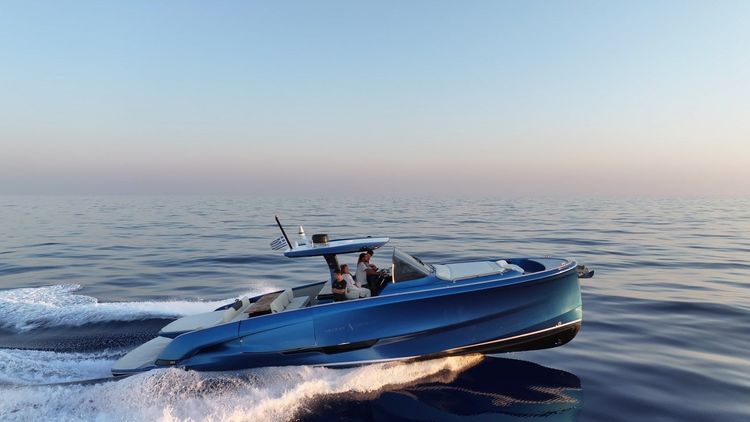

Learn more on the “SOLARIS POWER”
To learn more on the “SOLARIS POWER” or to get advice on how to buy or sell a yacht or get a great price for a yacht charter
please call +1 (954) 274-4435 USAOnly deal with professionals!