
 Licensed Yacht BrokersSales and service of yachts and ships
N/A - For Sale
Astilleros Astondoa
Company History
Astilleros Astondoa — known worldwide simply as Astondoa — is one of Spain’s oldest and most storied yacht builders. The company traces its roots back to 1916, when founder Jesús Astondoa began crafting wooden boats in northern Spain. In its earliest years the yard focused on small craft and workboats, laying a foundation of meticulous carpentry, hand-built hulls, and an artisanal approach to marine construction. Those formative decades established the values that still define the brand: family stewardship, in‑house craftsmanship, and a willingness to adapt technology to enhance seaworthiness and onboard comfort.
As recreational boating accelerated after the mid‑20th century, Astondoa progressively shifted from traditional wooden construction toward modern composite techniques, embracing fiberglass and later advanced sandwich laminates. This transition marked the start of the company’s move into purpose-built leisure yachts. By the late 20th century Astondoa had evolved into a full-fledged luxury yacht shipyard, building a portfolio that spanned sporty open models, family flybridge cruisers, and custom and semi-custom motor yachts approaching superyacht dimensions.
Throughout this evolution, Astondoa remained a family enterprise, passing knowledge, tooling, and quality standards from one generation to the next. That continuity helped stabilize the business during market cycles and fostered a long-tenured workforce. Many of the brand’s defining capabilities — in particular its renowned interior carpentry — grew from this inheritance. Rather than outsourcing joinery, the company invested in its own furniture and interior fit‑out operations, enabling a high degree of customization and a consistent aesthetic across models and decades.
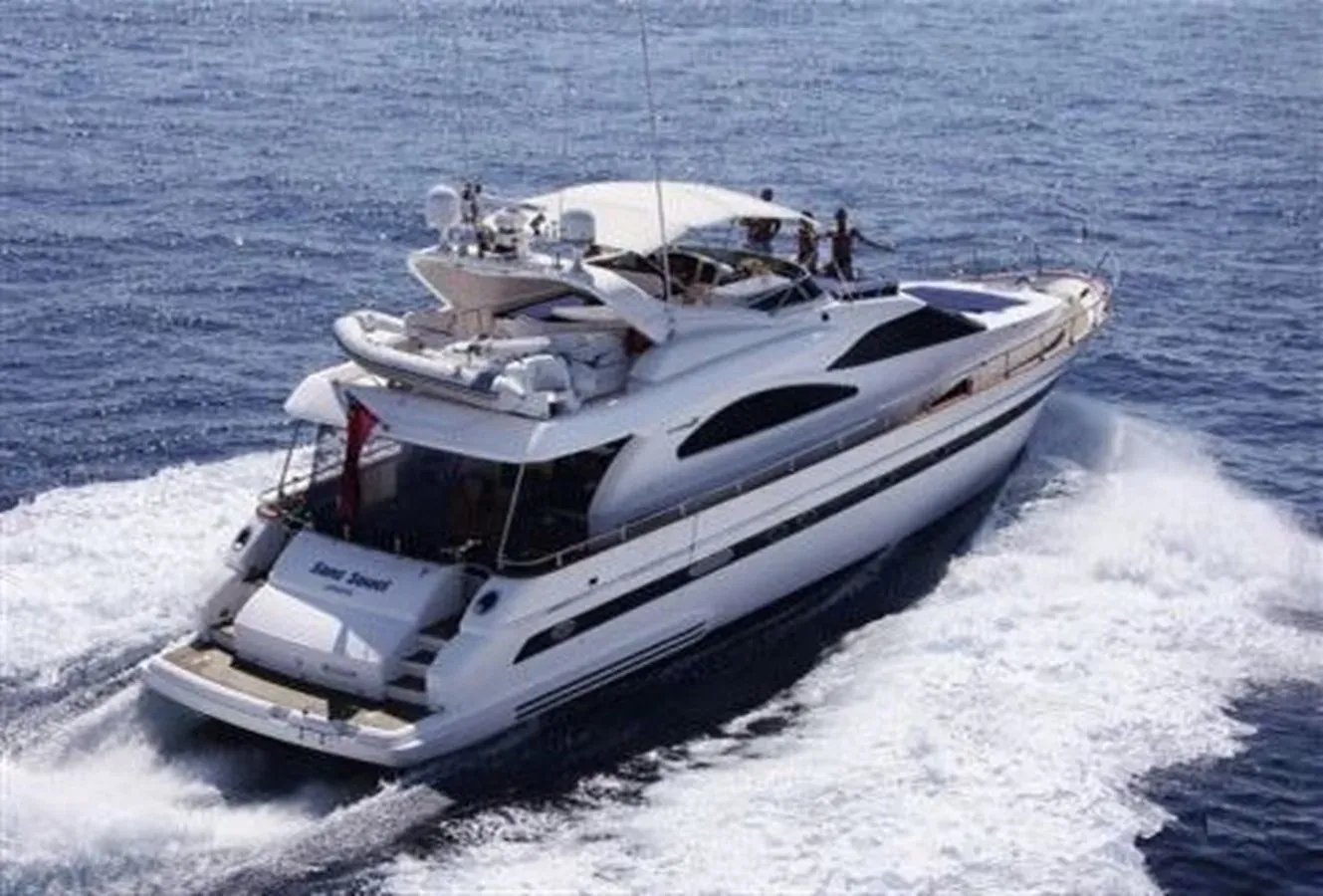
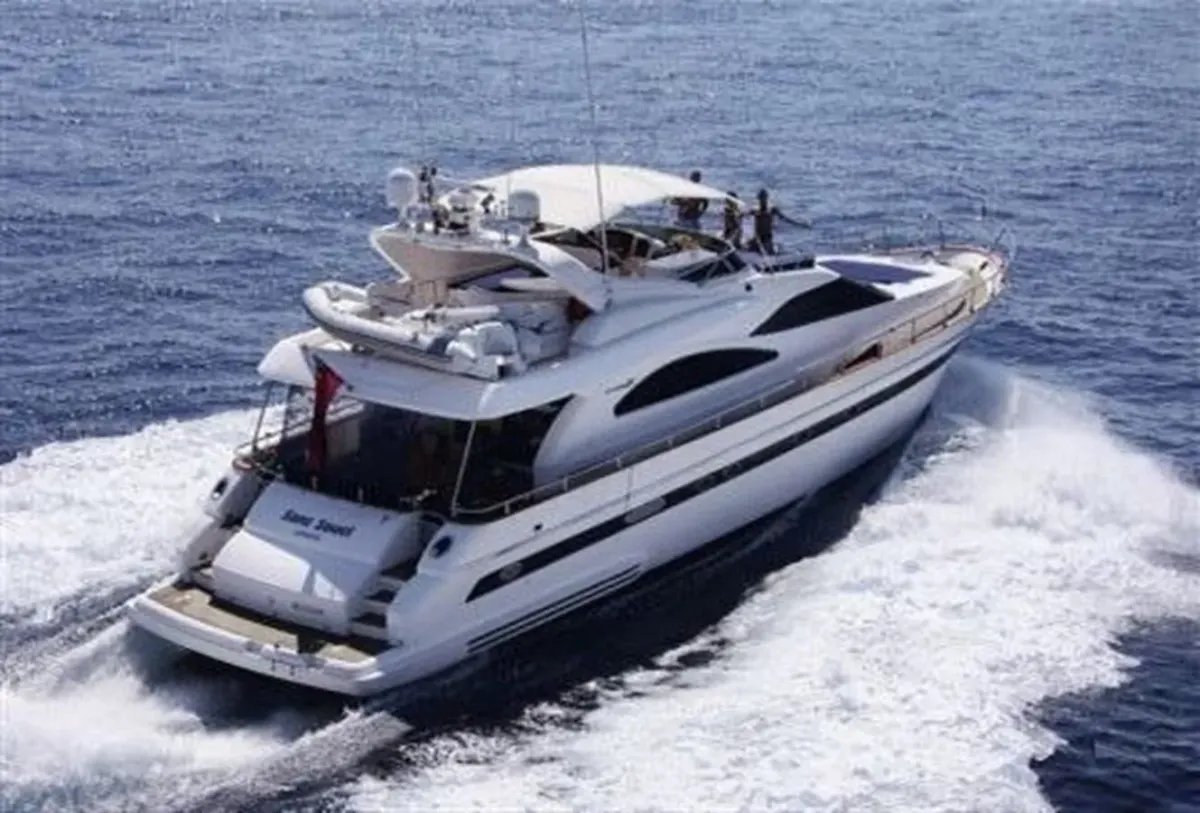
The 1990s and 2000s saw an ambitious broadening of the product range and international expansion. Astondoa became especially well known for Mediterranean-style flybridge yachts and larger composite motoryachts, with lines that balanced long-range cruising ability and liveaboard comfort. It also began to develop projects in steel and aluminum in the 30–40 meter bracket, while refining advanced composite techniques for lighter, faster yachts in the 60–100 foot range.
In the 2010s the brand reaffirmed its identity and technical focus with several notable families of yachts:
- The Century series, introduced to commemorate Astondoa’s centenary, brought a tier of larger, elegant yachts that emphasized long-range capability, spacious decks, and owner-driven customization.
- The Coupe series distilled the yard’s performance DNA into sleek, sport-oriented craft with contemporary exterior styling and dynamic interiors.
- The Flybridge range continued to evolve with balanced, family-friendly layouts and generous volumes, improved hydrodynamics, and refined noise-and-vibration control.
- The Top Deck concept explored adaptable deck spaces and convertible layouts for owners who prioritize outdoor living and multi-use social areas.
These lines demonstrate the company’s hallmark approach: refined Mediterranean design language, robust structural engineering, and interiors crafted around the owner’s lifestyle rather than a fixed template. Over its more than century-long journey, Astondoa has launched thousands of boats and yachts, leaving a distinctly Spanish imprint on the global yachting landscape. The brand’s presence at major international shows — from Cannes and Genoa to Miami — has kept it closely engaged with evolving client expectations, feeding continuous improvement in hull efficiency, onboard systems integration, and ergonomics.
Today, Astondoa stands as a rare blend of heritage and modernity: a shipyard that began with wooden boats and artisanal methods, and that now leverages vacuum-infused composites, computerized lofting, and CNC-driven interior fabrication — all while preserving the hands-on craftsmanship and design sensibility that made the name synonymous with quality in the first place.
Country of Origin
Spain. Astilleros Astondoa was founded in Spain in 1916 and has remained a distinctly Spanish, family-run company ever since. Its design ethos, building techniques, and lifestyle-focused layouts reflect the seafaring culture of the Iberian Peninsula and the Mediterranean at large.
Manufacturing Locations
Astondoa’s principal shipyard and corporate headquarters are located in Santa Pola, in the province of Alicante on Spain’s Mediterranean coast. This coastal location is central to the yard’s identity and provides ideal access to sea-trial grounds with real-world Mediterranean conditions. The Santa Pola complex encompasses:
- Composite lamination halls for hulls and decks, where the company employs vacuum infusion and cored-sandwich construction to achieve strong, weight-efficient structures.
- Dedicated assembly and systems-integration bays that allow parallel workstreams on mechanical, electrical, and hotel systems to maintain build schedules and quality checks.
- Metalwork, paint, and finishing areas sized for the brand’s largest composite and metal yachts, enabling comprehensive in-house control over surface quality and coatings.
- Launching and commissioning facilities with direct sea access for factory testing, calibration of navigation and stabilization systems, and extended sea trials.
Complementing the main yard, Astondoa maintains in-house joinery and interior-furnishing workshops in mainland Spain that produce the cabinetry, paneling, loose furniture, and bespoke details that distinguish the brand’s onboard environments. By integrating interiors within the company rather than relying exclusively on outside vendors, Astondoa can prototype rapidly, match finishes flawlessly across model lines, and accommodate a wide spectrum of owner customization — from traditional veneers and marquetry to contemporary, lightweight composites and textiles.
For certain large-yacht projects in steel and aluminum, Astondoa uses dedicated areas and trusted local partnerships within Spain to execute specialized metal fabrication and classification requirements. Regardless of material, final outfitting, systems integration, and quality assurance are consolidated under the company’s direct oversight to ensure consistency with Astondoa’s standards.
This vertically integrated manufacturing footprint allows the shipyard to control key steps from lamination through interior fit-out, reducing lead times, increasing repeatability, and improving the durability of the finished vessel. It also keeps the team’s institutional knowledge — covering everything from infusion schedules to carpentry tolerances — inside the shipyard, where it can directly benefit each subsequent build.
Ownership and Management
Astilleros Astondoa remains a privately held, family-run company, stewarded by successive generations of the Astondoa family since its founding in 1916. That continuity is more than symbolic; it shapes how the shipyard makes decisions about investment, product development, and customer service. With leadership anchored in the family, Astondoa takes a long-term view of the brand, focusing on sustainable growth, measured innovation, and after‑sales relationships that often span decades.
The company is chaired by Jesús Astondoa, representing the later generations of family leadership. Executive management blends seasoned shipyard veterans with younger engineering and design professionals, aligning traditional craftsmanship with contemporary naval architecture, composites engineering, systems integration, and digital design. This mix of perspectives helps the yard retain its artisanal DNA while adopting new technologies judiciously and purposefully.
A hallmark of the shipyard’s governance is its end‑to‑end oversight. Design, engineering, lamination, interior production, assembly, and quality control are coordinated under one leadership umbrella rather than being fragmented among many subcontractors. That approach reduces interface risks, accelerates feedback loops, and enhances the shipyard’s ability to customize within predictable timelines and budgets — critical advantages in the semi-custom and custom yacht segments in which Astondoa competes.
Reputation and Quality
Astondoa enjoys a strong reputation in the yachting world for its combination of Mediterranean elegance, robust construction, and high-touch customization. The brand’s longevity — more than a century of uninterrupted boatbuilding — is itself a marker of trust and capability. Owners and brokers frequently cite three differentiators:
-
In-house craftsmanship: The company’s decision to maintain its own interior joinery and finishing capability is unusual among yacht builders of its size. This vertical integration has tangible results: consistent fit and finish across models, tight quality control over veneers and stonework, and the ability to tailor layouts, materials, and styling to each owner’s brief without compromising delivery timeframes.
-
Structural integrity and seakeeping: Astondoa’s hulls and superstructures leverage vacuum-infusion techniques, high‑quality resins, and cored laminates to achieve favorable stiffness-to-weight ratios. The result is yachts that feel solid underfoot, track predictably in a range of sea states, and offer improved efficiency at cruising speeds. On larger models, selective use of carbon reinforcements in superstructures and hardtops helps control weight aloft, improving stability and ride comfort.
-
Owner-centric design: Layouts are tuned to real cruising habits in the Mediterranean and beyond — generous exterior decks, shaded dining, functional beach platforms, and ergonomic crew/service flows that support both private use and occasional charter. The brand’s willingness to reconfigure spaces, adjust cabin counts, and customize finishes has been key to its repeat-client base.
Astondoa yachts are typically equipped with premium propulsion and onboard systems from established suppliers — including engines from top-tier manufacturers, joystick and dynamic positioning aids where appropriate, fin or gyro stabilization options, bow and stern thrusters, and integrated navigation suites from leading electronics brands. The shipyard’s engineering teams focus on quietness, vibration mitigation, and easy service access, all of which contribute to better long-term ownership experiences.
In terms of model diversity, Astondoa’s portfolio covers:
- Sporty coupes that emphasize performance, low-profile styling, and open-air living with retractable roofs and seamless cockpit-to-salon transitions.
- Flybridge cruisers that balance family comfort with good passage-making capability, featuring bright salons, multiple alfresco zones, and flexible crew arrangements.
- Larger, semi-custom yachts — including the Century line — that deliver superyacht-like volumes and personalization within manageable lengths and operating budgets.
- Select metal-yacht projects that extend the brand’s craftsmanship and aesthetic into displacement or semi-displacement platforms around the 30–40 meter range.
The brand’s century milestone underscored its industry standing, and new-model premieres have consistently drawn favorable press coverage at major European and American boat shows. Owners appreciate that Astondoa is big enough to deliver sophisticated engineering and after-sales support, yet not so large that builds become anonymous or overly standardized. That balance is essential in semi-custom yachting, where emotional connection to the boat and the build process is as important as the spec sheet.
Quality control at Astondoa is structured around staged inspections across lamination, mechanical/electrical installation, interior fit-out, and pre-delivery testing. Sea trials off the Santa Pola coast allow real-time verification of performance targets, noise and vibration levels, stabilization behavior, and the calibration of navigation and entertainment systems. Documentation and owner handover are handled systematically, and the company works with a network of dealers and service partners to support commissioning, warranty, and routine maintenance in key yachting regions.
Sustainability considerations have progressively influenced materials and processes. Vacuum infusion reduces resin waste and emissions relative to open-mold laminating, and the shipyard applies weight-conscious engineering to improve fuel efficiency at realistic cruising speeds. On the systems side, owners can specify energy-efficient HVAC, LED lighting, and advanced monitoring systems, all of which help manage hotel loads and reduce generator use at anchor.
Ultimately, Astondoa’s reputation rests on delivering yachts that feel purpose-built for their owners — boats that look refined, run confidently, and age gracefully thanks to careful engineering and craftsmanlike interiors. In an industry where brands can come and go with economic cycles, Astondoa’s uninterrupted, family-led presence since 1916 is a singular credential. It means buyers are engaging a shipyard that not only knows how to build a fine yacht, but also stands behind it with the accumulated knowledge of more than a hundred years on the water.
Main Competitors
- Azimut Yachts (Italy) — One of Europe’s largest builders of composite motoryachts. Azimut’s breadth of flybridge, sport and grande lines overlaps with Astondoa’s 50–110 ft arena, appealing to owners who prioritize styling, volume and dealer-backed service.
- Sunseeker (United Kingdom) — Known for performance-oriented planing yachts and a strong brand presence in the Mediterranean and the Americas. Its Predator, Manhattan and Yacht ranges directly compete with Astondoa’s Coupé, Flybridge/AS and Century series.
- Princess Yachts (United Kingdom) — Offers refined interiors, efficient hulls and consistent quality across V (sport), F (flybridge) and Y (motor yacht) classes. Buyers often cross-shop Princess with Astondoa for similar lengths and semi-custom personalization.
- Ferretti Yachts (Italy) — Part of Ferretti Group, with premium composite motoryachts in the 50–100 ft bracket. Ferretti’s mix of comfort, technology and industrial scale creates a natural comparison with Astondoa’s semi-custom approach.
- Sanlorenzo (Italy) — A reference for owner-led customization and understated luxury. Sanlorenzo’s SL and SD lines (and Bluegame within the group) attract a clientele that values the tailoring Astondoa is also known for, especially in 80–110 ft builds.
- Riva (Italy) — Iconic heritage brand for high-style luxury yachts in composite and some aluminum. For owners who value craftsmanship and brand cachet, Riva competes with Astondoa’s upper-tier semi-custom offerings, notably the Century line.
- Pershing (Italy) — High-performance sport yachts (mostly in composite) that challenge Astondoa’s Coupé models on speed and exterior design while targeting a sport-luxury buyer.
- Absolute Yachts (Italy) — Efficient, space-maximized motoryachts with strong IPS adoption and a value proposition that overlaps with Astondoa’s mid-range (AS5/AS8 and 66 Fly).
- Prestige Yachts (France) — Volume-driven builder with global dealer coverage, often cross-shopped at 50–70 ft for owners prioritizing livability and after-sales reach alongside price competitiveness.
- Fairline Yachts (United Kingdom) — The Targa and Squadron ranges align with Astondoa’s sport and flybridge segments, especially for Mediterranean cruising and second-home users seeking an elegant, planing GRP platform.
- Monte Carlo Yachts (Italy) — Boutique, customizable motoryachts in the larger size brackets; historically parallels Astondoa’s emphasis on tailoring and artisanal interior execution.
These competitors represent the brands Astondoa most commonly contends with in dealerships and boat shows across Spain, the Western Mediterranean, Northern Europe, and North and South America, particularly within the 35–110 ft composite motoryacht categories.
Current Production Status
Astilleros Astondoa (Astondoa) is actively building yachts and remains a family-owned Spanish shipyard with more than a century of continuous operation. Its principal manufacturing and service complex is in Santa Pola, on Spain’s Mediterranean coast, where the company integrates design, lamination, carpentry, outfitting and commissioning. The yard retains a vertically integrated model that keeps core trades in-house—especially cabinetmaking and joinery—so it can deliver the kind of bespoke interiors and detailing that have long distinguished the brand.
Product portfolio and positioning (as of recent model years):
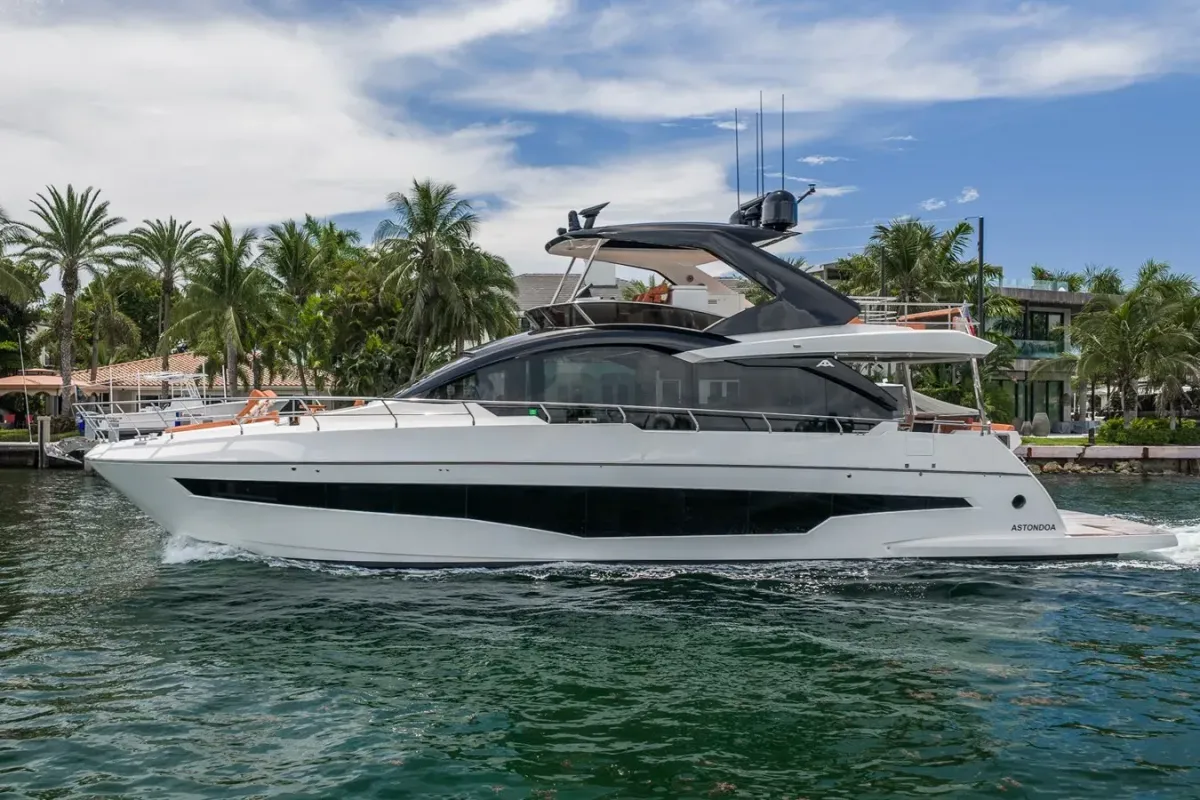
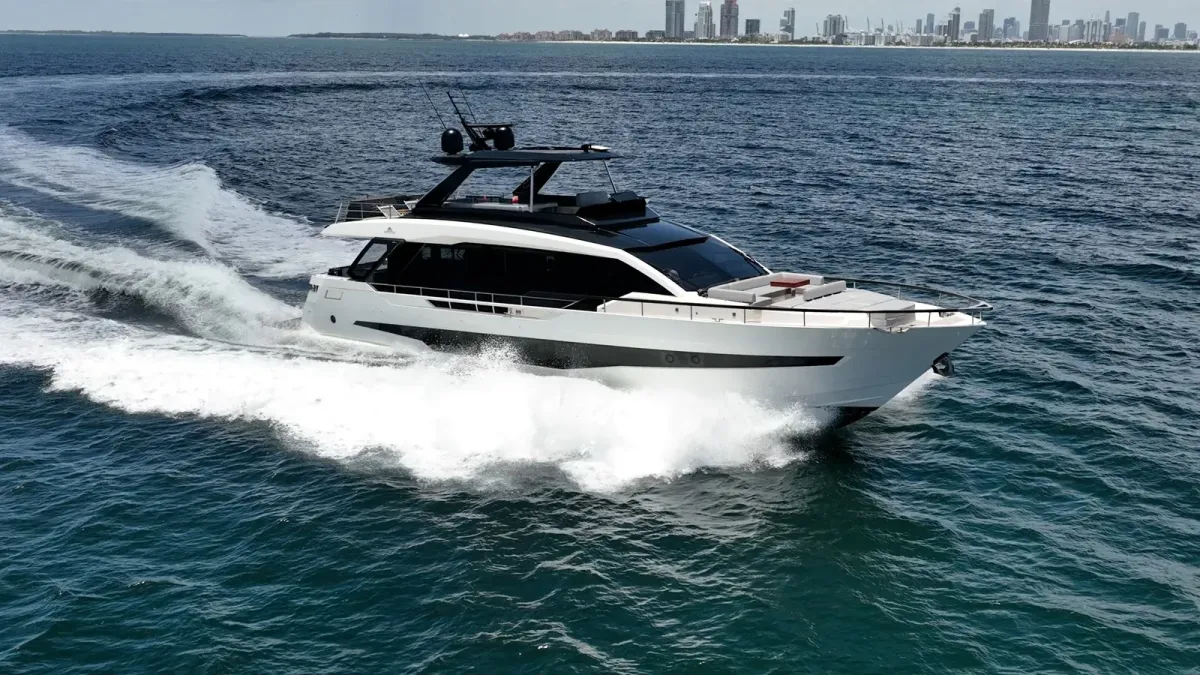
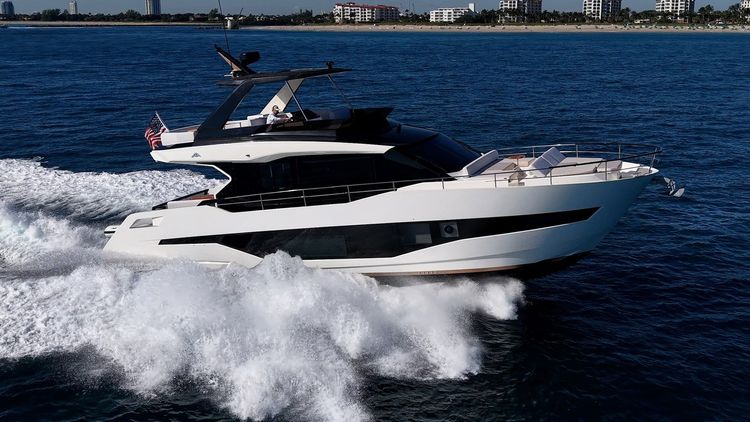
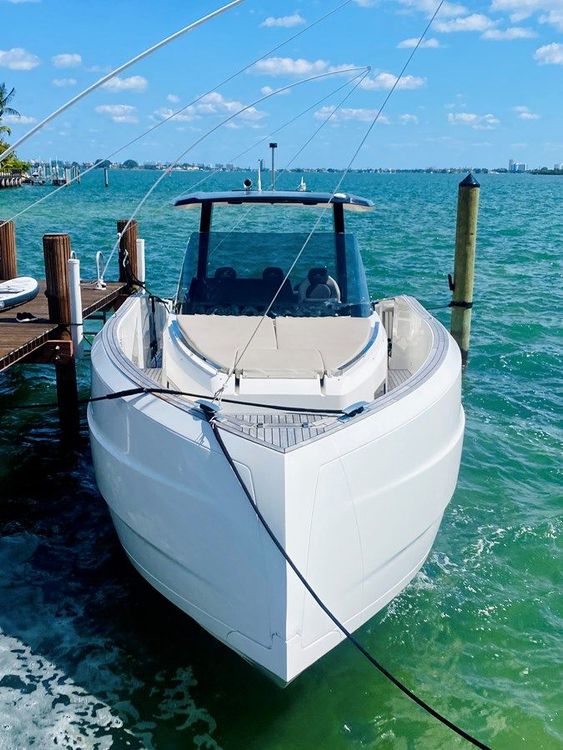
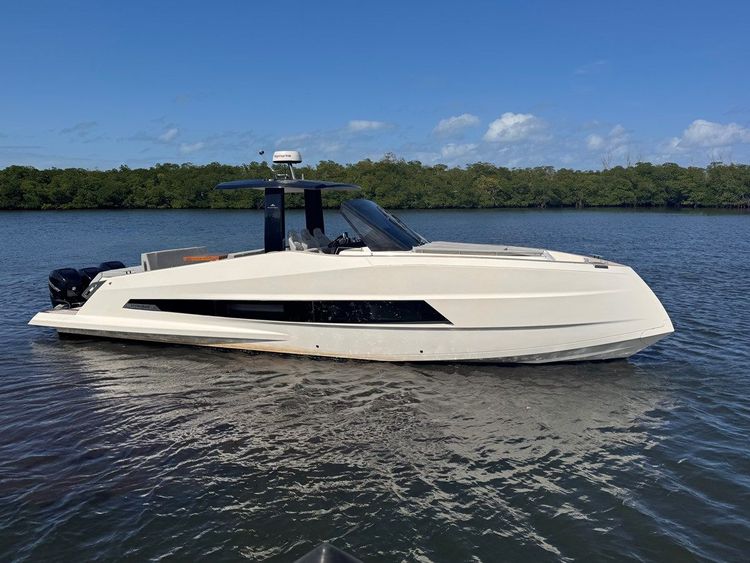
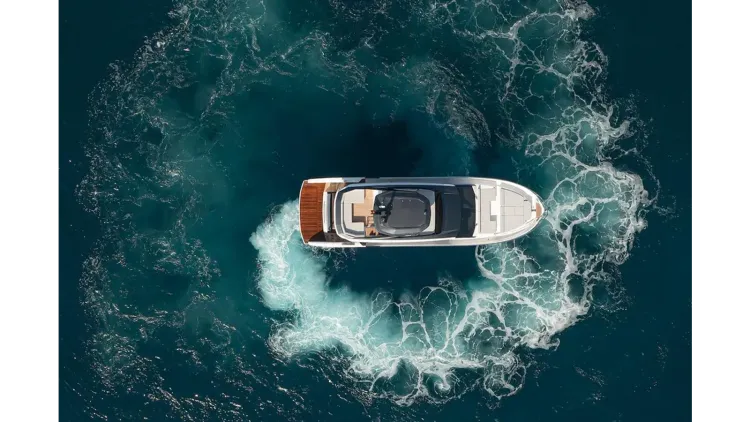
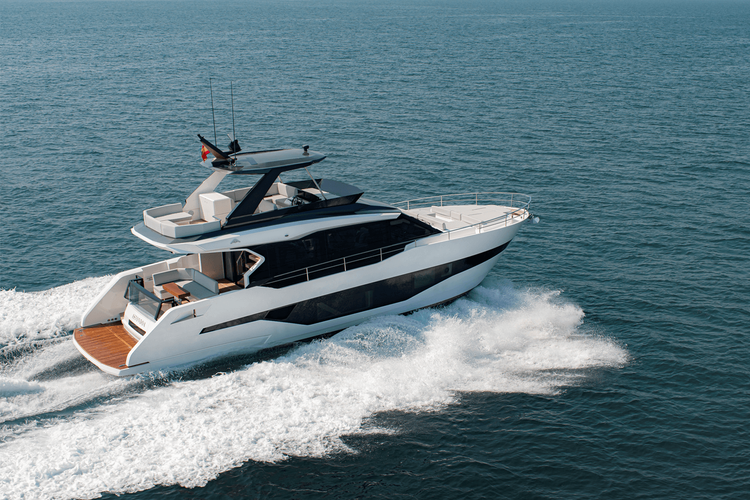
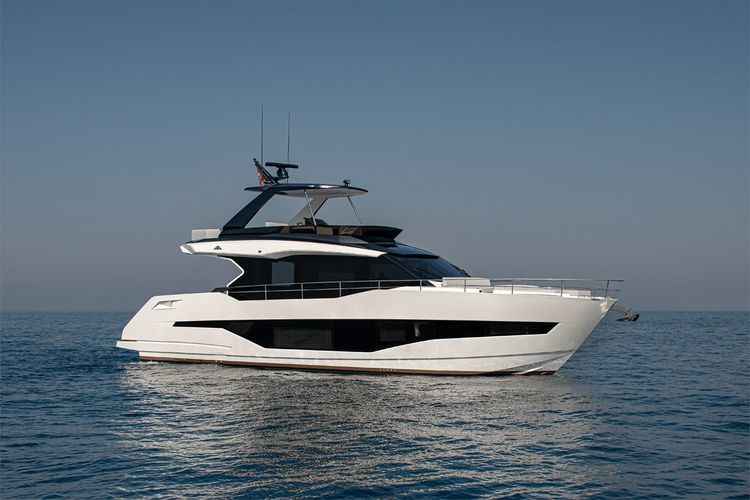
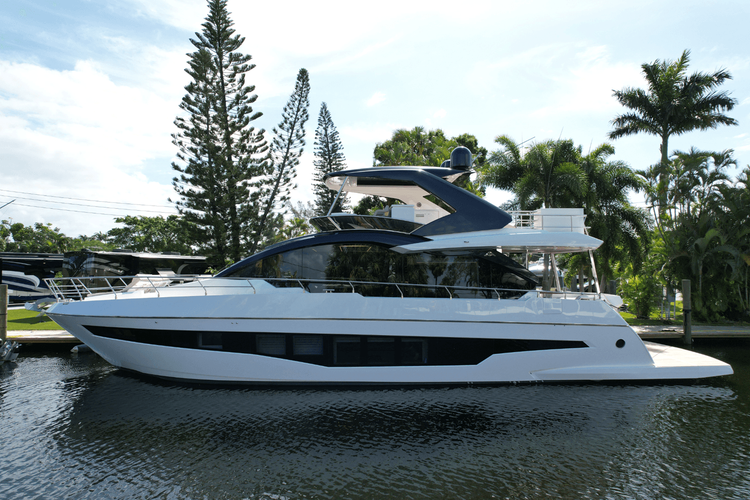
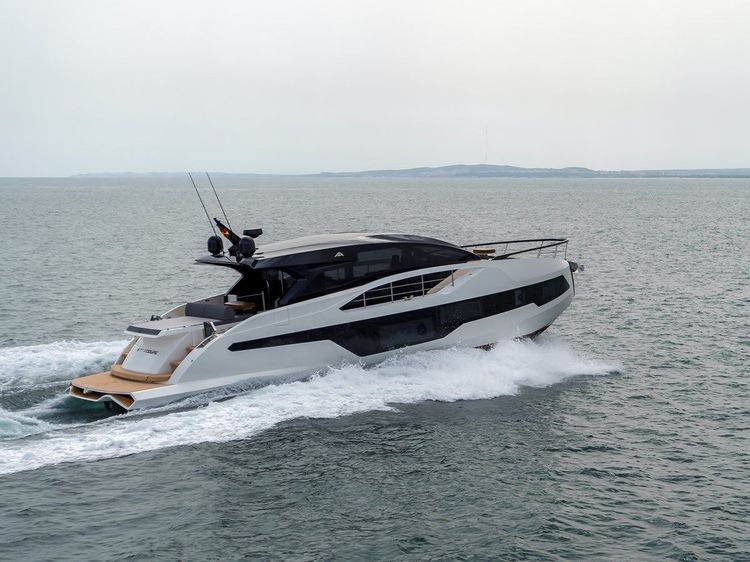
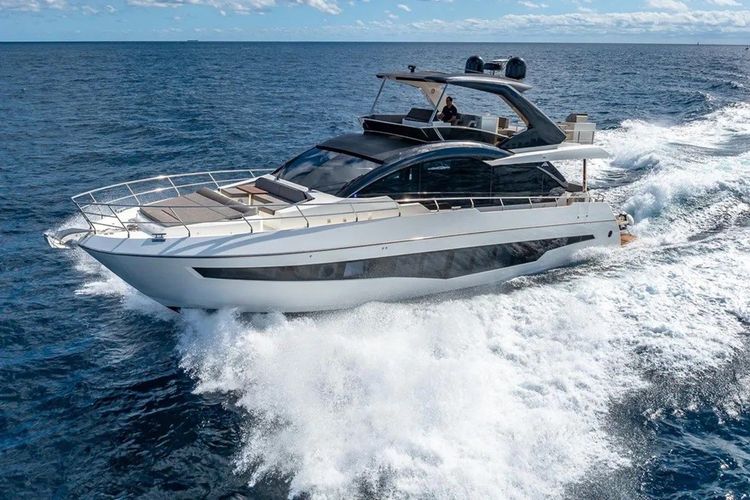
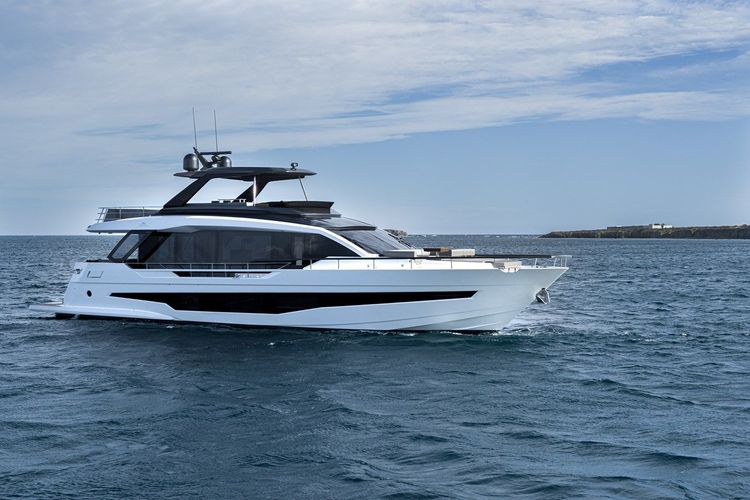
- Coupé series — A sport-oriented line defined by bold exterior geometry, expansive glazing and beach-club aft terraces. The 377 Coupé has become a hallmark dayboat/weekender for owner-operators, offered in inboard or outboard configurations to suit regional preferences and use profiles. The larger 677 Coupé extends the concept into a luxury cruising platform with greater interior volume, long-range amenities and refined deck connectivity; it targets experienced owners seeking a design-led statement yacht without giving up practicality at anchor.
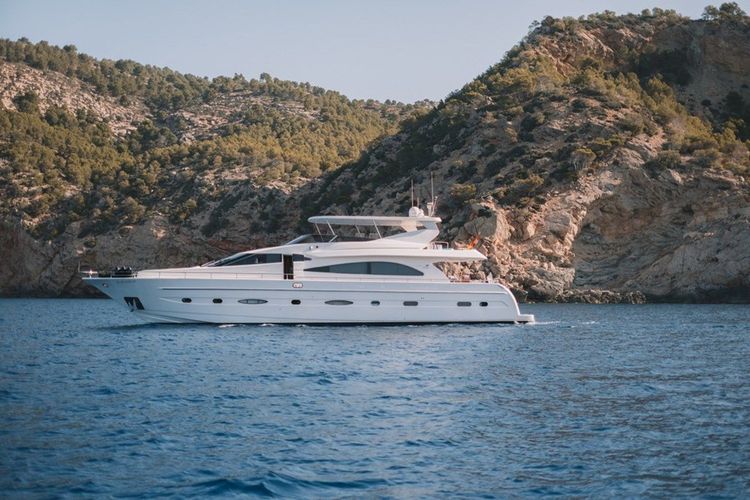
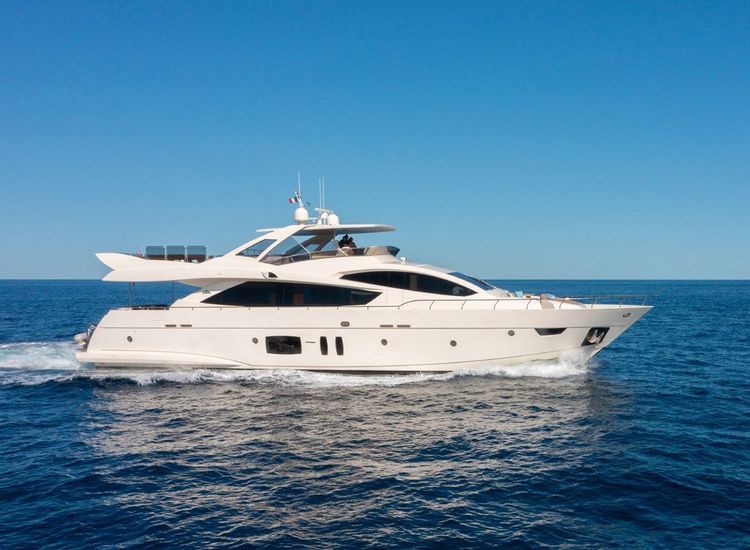
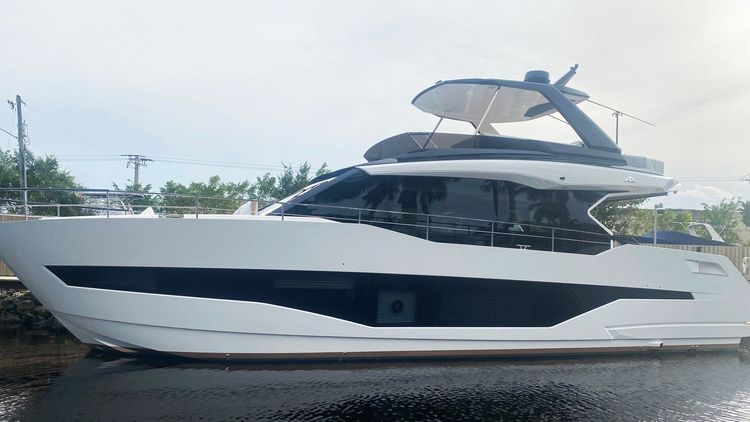
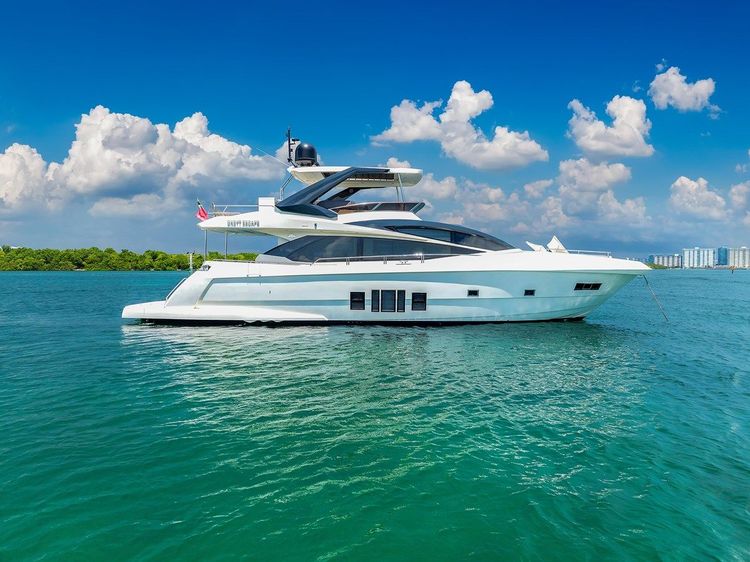
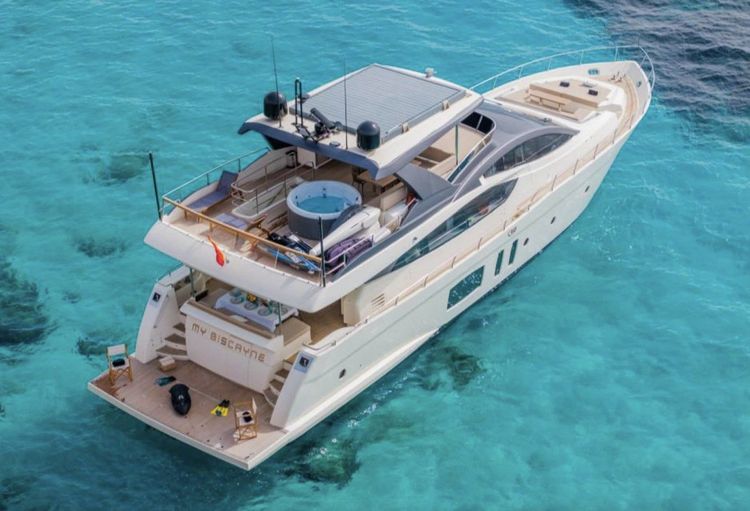
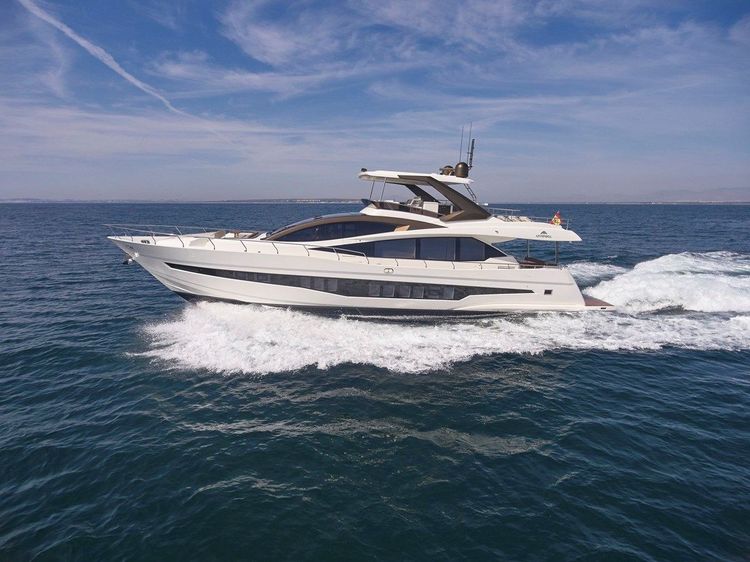
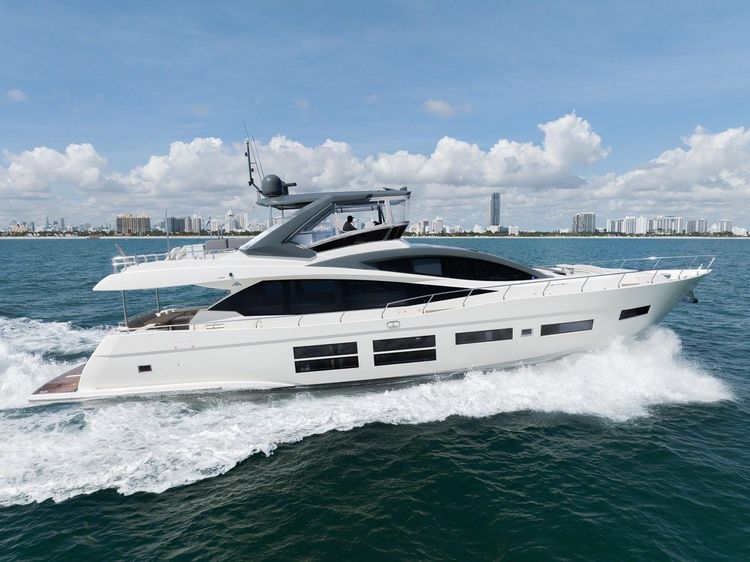
- Flybridge and AS series — The 66 Fly and AS range (notably AS5 and AS8) represent Astondoa’s core family-cruising and owner-operator territory. These models focus on comfortable planing performance, well-proportioned living spaces for Mediterranean and warm-water climates, and a semi-custom cabin arrangement approach (for example, master-forward vs. amidships suites, crew options on larger hulls, and multiple galley placements depending on market norms). The AS5 and AS8 emphasize contemporary lines, light-filled interiors and the brand’s signature custom woodwork, with choices in veneers, stones, fabrics and loose furnishings.
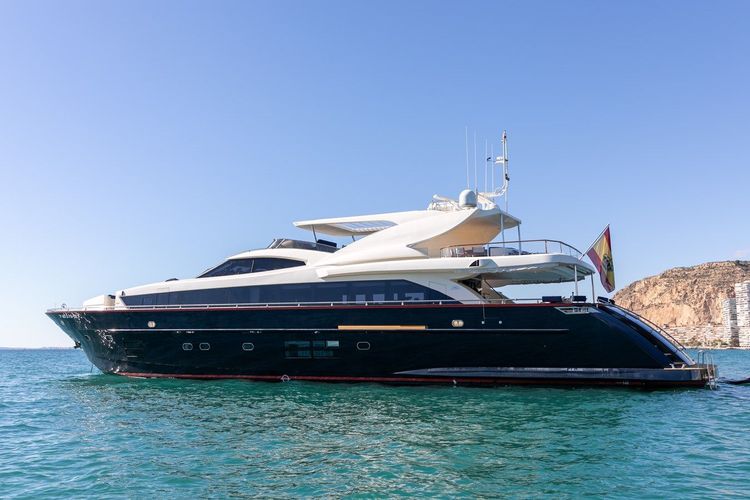
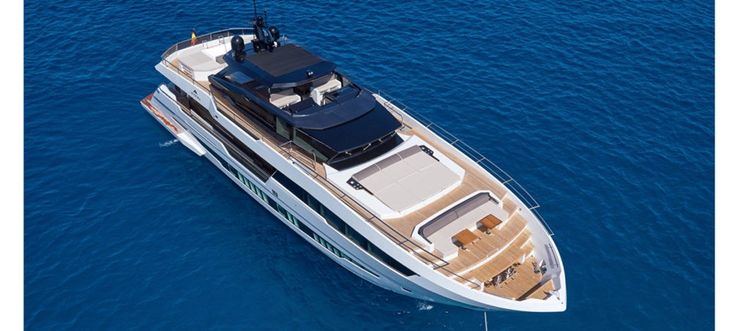
- Century series — The 100 and 110 Century models serve as Astondoa’s semi-custom flagship family, aimed at clients stepping into the 30–34 m category who value a composite platform with extensive personalization. These projects are typically commissioned builds, giving clients latitude over layout, décor and technical specification while benefiting from the yard’s experience in high-end joinery and owner-centric ergonomics.
Construction methods and technology:
- Hulls and decks are composite (GRP) with advanced resin-infusion processes and targeted carbon reinforcement to optimize stiffness-to-weight and reduce resin waste. Vacuum infusion also supports cleaner, more controlled lamination, an environmental and quality benefit compared with traditional hand layup.
- Electrical, HVAC, hydraulics and entertainment systems are engineered for ease of service and owner usability. The yard’s philosophy emphasizes accessibility to critical systems, recognizing that many Astondoa owners are hands-on or run with minimal crew in the 40–70 ft range.
- Noise/vibration mitigation and thermal/sun-control glazing are core to comfort standards, especially for Mediterranean summers. Recent models employ extensive hull-side and superstructure glass; structural reinforcement and careful partitioning maintain integrity while delivering panoramic interior views.
- Astondoa’s cabinetry workshop is central to its brand identity. The company sources veneers and solid woods to client specification and integrates stonework, upholstery and metalwork in-house or with long-standing specialist partners. This artisanal focus lets owners specify unique moods—from classic warm grains to minimalist contemporary palettes—without departing from production schedules.
Certification and safety:
- Production yachts are delivered under CE compliance, typically Category A (Ocean) when intended, with systems and installations aligned to prevailing EU directives. For larger semi-custom builds, class and additional notations are addressed project-by-project at the design stage.
After-sales, service and refit:
- Astondoa supports warranty and post-delivery service through its Santa Pola facility and an established dealer network. The shipyard’s service division undertakes refit and modernization for in-brand yachts and, in select cases, third-party vessels, leveraging the same carpentry and composite expertise used in new builds.
- In North America, representation is provided by dedicated importers/dealers that coordinate commissioning, parts and service logistics, ensuring continuity from build to ownership experience.
- In the Western Mediterranean, the factory’s proximity to key cruising hubs (Balearics, Costa Blanca, Costa del Sol) supports efficient seasonal service, upgrades and winter work.
Market presence and shows:
- Astondoa exhibits regularly at major European and international boat shows—Cannes Yachting Festival and leading Iberian events among them—placing emphasis on private client viewings and tailored specification sessions. In the Americas, the brand is seen at principal U.S. shows via its regional partners. Demonstrations often highlight how semi-custom options can transform standard layouts to reflect an owner’s crew plan, cruising grounds and lifestyle.
Strategic focus:
- The company remains committed to composite planing yachts where it can combine Mediterranean design language with customization. The Coupé line draws design-conscious buyers; the AS/66 Fly segment serves repeat and step-up owners; the Century line allows the brand to maintain a presence in the 30 m class with a boutique, client-led approach. This triad—sport, family cruiser, and semi-custom flagship—underpins the yard’s current production outlook.
Production Volumes
- Historical deliveries: At its centenary, Astondoa publicly emphasized that it had produced several thousand vessels since its 1916 founding, reflecting continuous multi-generational operation through sail, small craft and modern motoryacht eras. Industry reporting around the centenary cited figures in excess of 3,000 boats delivered across the company’s history.
- Current cadence: As a boutique, semi-custom builder, Astondoa does not routinely publish annual unit counts. Output is governed by the mix of series production (e.g., 377 Coupé and AS/66 Fly family) and longer-lead semi-custom projects (e.g., Century series). Build schedules are typically managed to preserve in-house craftsmanship capacity in joinery and outfitting, rather than to chase volume. Consequently, precise annual numbers are not publicly disclosed.
Latest News
- Coupé range expansion and sustained visibility: The 677 Coupé, introduced as the larger expression of Astondoa’s sport design language, has been a centerpiece of the brand’s recent show strategy. Following its unveiling, the model has been displayed at headline European events, reinforcing Astondoa’s positioning in the high-style, glass-intensive sport-yacht category. The boat’s deck-to-water connectivity, large hull-side glazing and beach-club stern have been key talking points with prospective owners moving up from 40–55 ft dayboats.
- Ongoing momentum of the 377 Coupé: The 377 remains one of the yard’s most visible models, benefitting from configurations suited to different markets (including outboard power where applicable and inboard options for long-range coastal use). The company has used recent seasons to introduce new décor packages, colorways and equipment bundles, allowing buyers to personalize without leaving the series-production envelope.
- Refreshes within the mid-size family: The AS line and the 66 Fly have seen continuous specification and décor updates—typical of European premium builders between major platform redesigns. These refreshes generally concentrate on interior materials, lighting, integrated infotainment and galley ergonomics, mirroring owner feedback from Mediterranean and U.S. coastal cruising. Such rolling updates keep the models competitive against similarly refreshed lines from Italy and the UK.
- Century series as semi-custom flagships: Astondoa continues to promote the 100 and 110 Century as its upper-tier semi-custom offers, engaging with clients seeking a bespoke composite solution in the 30–34 m bracket. While individual contracts are private, the shipyard’s communications and show presence reaffirm that Century projects remain available to commission, with the yard’s in-house carpentry and fit-out capacity a central selling point.
- Show calendar and market engagement: Across the 2022–2024 seasons, Astondoa maintained a consistent presence at major European shows—most notably Cannes—while regional partners represented the brand in key North American venues. The company has leveraged these events for private sea trials and specification reviews, often lining up multiple model families on the same quay to demonstrate the step-up path from, for example, a 377 Coupé to a 66 Fly or AS8.
- Dealer and after-sales focus: The brand has sustained its emphasis on dealer-led client service, particularly in the United States and Western Mediterranean, where quick-turn parts logistics and factory-authorized technicians are critical to owner satisfaction. Communications in recent seasons have highlighted the shipyard’s ability to integrate owner-requested upgrades during the first maintenance cycle post-delivery—a value proposition enabled by the yard’s control of carpentry, composite and systems trades.
- Materials and process communication: In alignment with broader industry trends, Astondoa has continued to publicize its use of resin infusion and targeted carbon reinforcement, underscoring benefits in structural performance, repeatability and environmental stewardship (reduced waste and VOCs compared with traditional hand layup). While not framed as a radical sustainability pivot, these process notes resonate with buyers attentive to build quality and lifecycle maintenance.
- Client personalization narrative: Recent marketing and press materials have centered on the brand’s ability to personalize spaces—examples include alternative master suite locations, crew area options on larger models, and the selection of veneers, stones and soft furnishings in concert with the yard’s design office. This narrative has been consistent across shows and digital channels, reinforcing the core Astondoa proposition: a Mediterranean yacht built around the specific preferences of each owner rather than a one-size-fits-all template.
Collectively, these developments reflect a shipyard that is actively building, exhibiting and refining its product families. The emphasis remains on semi-custom flexibility within proven composite platforms—sporty Coupés for design-led owners, flybridge and AS models for family cruising, and Century yachts for semi-custom flagship projects—supported by a vertically integrated yard and a dealer network focused on after-sales continuity.
Frequently Asked Questions
Question:Who is Astilleros Astondoa?
Answer:Astilleros Astondoa (commonly known simply as Astondoa) is a historic Spanish yacht builder with more than a century of continuous boatbuilding behind it. Family-owned and operated for generations, the yard evolved from crafting wooden vessels in the early 20th century to designing and building modern composite motor yachts today. Astondoa’s primary production and engineering base is on Spain’s Mediterranean coast, and the brand is known for semi-custom and custom yachts that blend Mediterranean style, robust seakeeping, and meticulous joinery. Their portfolio spans sporty day boats to large planing superyachts, with an emphasis on owner personalization, craftsmanship, and reliable engineering.
Question:What types of yachts does Astondoa build?
Answer:Astondoa focuses on composite motor yachts. The line typically includes:
- Sporty Coupe yachts suited to day boating and weekend cruising.
- Larger flybridge yachts (the AS range) designed for longer family cruising, often with owner-operator usability on the smaller sizes and optional crew spaces on larger models.
- Flagship planing superyachts in the Century series, delivering high-speed performance, multiple decks, and generous customization potential.
Question:How does Astondoa approach design and engineering?
Answer:Astondoa combines in-house naval architecture and engineering with advanced composite construction. Hulls and decks are typically built from fiberglass/GRP using vacuum infusion methods and sandwich-core laminates for rigidity and weight optimization. Strategic use of carbon fiber is applied in high-load areas on select models. The yard prioritizes performance, noise/vibration reduction, and serviceability—routing systems with clear access and using proven machinery from major engine and systems suppliers. The result is a balance of speed, efficiency, and comfort in variable Mediterranean conditions.
Question:What sets Astondoa apart from other builders?
Answer:Three elements stand out:
- A century-long tradition of craftsmanship and in-house carpentry/joinery, evident in the woodwork and interior detailing.
- Semi-custom flexibility—layouts, materials, and finishes can be tailored to owner use-cases, whether entertainment-focused, family-oriented, or crewed cruising.
- A broad size spectrum that allows owners to remain within the brand as their needs evolve, from an athletic 11–12 m day boat to a 30 m+ flagship.
Question:Where are Astondoa yachts built, and what conditions are they designed for?
Answer:Astondoa yachts are built in Spain and are designed primarily for the Mediterranean’s varied sea states—short chop, afternoon thermals, and brisk coastal passages. Their hulls and systems, however, are engineered for wider cruising grounds; many models carry ocean-going CE certification (Category A) when configured accordingly. Larger models can be specified to additional class or flag-state requirements where the owner’s operational profile demands it.
Question:How customizable are Astondoa’s interiors and layouts?
Answer:Highly customizable within the architectural envelope of each model. Owners can typically choose among:
- Alternative cabin configurations (for example, three or four cabins on mid-size yachts).
- Different galley placements (up or down) and salon arrangements.
- Material palettes spanning veneers, solid woods, fabrics, stones, and surface treatments.
- Entertainment, lighting, and wellness features (AV systems, mood lighting, optional gyro stabilization, upgraded HVAC, etc.). Astondoa’s in-house joinery enables precise fit-and-finish and alignment with owner taste.
Question:What propulsion systems are used?
Answer:Depending on the model:
- Sportier day boats may offer outboards or inboard diesel sterndrives.
- Mid-size cruisers often use twin inboard diesels on shafts or Volvo Penta IPS pod drives, chosen for efficiency, maneuverability, and interior space gains at a given length.
- Larger yachts use conventional shaft-driven diesels for durability and bluewater operation, sometimes with optional stabilizers (gyro or fin) for comfort at anchor and underway.
Question:Are Astondoa yachts fast?
Answer:Yes—most Astondoa models are planing hulls with performance-oriented drivetrains. Day boats can exceed 40 knots in appropriate engine configurations. Mid-size cruisers commonly run in the high-20s to low-30s knots. Larger flybridge and Century-series yachts, depending on engine selection and load, typically reach the mid-20s to around 30 knots.
Question:What about ride comfort and noise levels?
Answer:Comfort is addressed through hull geometries optimized for seakeeping, carefully calculated longitudinal center of gravity (LCG) management, and comprehensive insulation strategies. Expect:
- Floating floors and isolation mounts to reduce structure-borne noise.
- Flexible couplings and soft mounts on engines/gensets.
- Attention to exhaust routing and vibration damping within the engine room. These measures, combined with stabilization options, produce quieter salons and cabins and a more composed experience underway.
Question:How long does it take to build an Astondoa?
Answer:Build times vary by model and customization:
- Day boats and smaller cruisers: approximately 8–14 months from order to delivery slot, depending on configuration.
- Larger flybridge and Century yachts: approximately 18–36 months, factoring in engineering reviews, interior custom work, and supplier lead times. Lead time can also be influenced by production slots and material availability.
Question:What is the yard’s approach to materials and finishes?
Answer:Astondoa combines modern composites externally with traditional craftsmanship inside:
- Vacuum-infused GRP/foam cores for structural components.
- High-grade stainless steel for deck hardware and guardrails.
- Premium woods and veneers for cabinetry, with bookmatching and careful grain selection.
- Durable marine upholstery, stones, and composite surfaces for high-traffic areas. The emphasis is on longevity, tactile quality, and ease of maintenance.
Question:How does Astondoa handle systems integration and serviceability?
Answer:Systems are arranged for straightforward access to service points:
- Logical, labeled electrical panels with schematics.
- Thoughtful routing of hoses and cables on segregated trays.
- Accessible filters, seacocks, batteries, and pumps. This approach simplifies routine checks and reduces downtime, especially valuable for owner-operators.
Question:What certifications do these yachts typically carry?
Answer:Most production models under 24 m are built to comply with EU Recreational Craft Directive standards and are commonly CE-marked (often Category A when specified). Larger yachts can be built to additional classification or flag standards on request. Exact certification depends on the final specification, so it’s assessed on a per-build basis.
Question:How many cabins can I expect, and are crew quarters available?
Answer:Cabin counts vary by length:
- Day boats: typically a convertible salon and/or one cabin.
- 15–20 m cruisers: generally 2–3 guest cabins, often with optional crew space on the larger end.
- 20–26 m flybridge yachts: 3–4 guest cabins plus dedicated crew quarters.
- 30 m+ Century models: 4–5 guest cabins and separate crew areas sized for professional operation.
Question:What are typical ranges and fuel consumption figures?
Answer:Because these are planing yachts with multiple engine choices, precise figures depend on configuration and loading. As a rule of thumb:
- Day boats: coastal ranges suitable for day cruising and weekend hops, often 150–250 nautical miles at efficient cruise.
- Mid-size cruisers: several hundred nautical miles at planing cruise; greater at displacement speeds.
- Larger yachts: capable of longer coastal passages; range expands significantly when throttled back to semi-displacement speeds. Stabilization and fuel management further influence comfort and efficiency.
Question:Can Astondoa incorporate hybrid or alternative propulsion?
Answer:The brand focuses primarily on conventional diesel propulsion due to performance and service infrastructure. However, as a semi-custom builder, Astondoa can discuss alternative or supplemental technologies case by case, considering engineering feasibility, weight, certification, and maintenance implications.
Question:What about after-sales support and maintenance?
Answer:Astondoa supports its fleet through factory resources and established regional partners for warranty and service work. Routine maintenance follows standard industry schedules—annual haul-outs, engine and generator services per manufacturer intervals, and periodic checks on running gear, HVAC, and electrical systems. The builder’s emphasis on access and logical systems routing streamlines upkeep.
Question:How do Astondoa yachts hold their value?
Answer:Resale values are influenced by market conditions, model popularity, maintenance history, and specification. Astondoa’s long-standing reputation, classic Mediterranean styling, and in-house joinery help preserve desirability, particularly for well-cared-for examples with documented service records and tasteful, timeless interiors.
Question:Which Astondoa line is right for me?
Answer:Consider your use profile:
- If you want sporty handling and day/weekend use, look to the Coupe range.
- If you’re planning family cruising, prefer a flybridge, and may operate with or without crew depending on size, the AS range is appropriate.
- If you seek larger, faster superyachts with multiple decks and expanded autonomy, the Century series is the flagship path.
Question:What are common options owners select?
Answer:Popular upgrades include stabilization (gyro or fins), enhanced AV/IT networks, premium galley appliances, upgraded air conditioning for hotter climates, high-capacity watermakers, tender and toy packages, custom loose furniture for aft decks and flybridges, and specialized finishes for interior woodwork and stones. On certain models, engine upgrades and joystick docking systems (e.g., pods or bow/stern thrusters) are often chosen for ease of handling.
Question:What is the build philosophy regarding weight and balance?
Answer:Astondoa’s composite laminates are engineered to achieve a target structural weight while maintaining stiffness and impact resistance. Systems are positioned to keep the CG and LCG within tight windows for each model. This is critical for predictable trim, efficient planing thresholds, and roll behavior. The yard’s process includes weight tracking and sea-trial validation to refine performance.
Question:Are there notable innovations from Astondoa?
Answer:Yes. The yard has pursued convertible-deck concepts that maximize outdoor living (notably on open and “top deck” styles), fold-out or expandable waterline platforms on certain models, and versatile salon/galley layouts that reflect modern owner lifestyles. The Coupe series underscores the brand’s sporty side, while the Century series celebrates its heritage with high-speed, large-yacht performance.
Question:How should I think about IPS pods vs. shaft drives on mid-size models?
Answer:IPS pods can offer improved fuel efficiency, reduced noise, shallower draft, and exceptional maneuverability with joystick control—valued by owner-operators who dock frequently. Shaft drives, by contrast, are simple and robust for extended, heavily loaded operation and can be favored where service familiarity is paramount. The “right” choice depends on how and where you cruise, maintenance preferences, and desired interior volume arrangements.
Question:What is the typical buying and commissioning process?
Answer:After selecting a model and defining a specification, the process proceeds through design sign-offs (layouts, materials, systems), an agreed build schedule, milestone inspections, and sea trials. Commissioning includes electronics calibration, systems shakedown, and owner handover training. The yard collaborates with the owner team to align the final yacht with the intended mission profile.
Available Models
Below is an overview of current and recent Astondoa models. Specifications can vary by year, hull, and owner options; the figures and descriptions are indicative.
-
377 Coupe
- Length: about 11–12 m (approx. 37–39 ft)
- Cabins: 1 cabin plus convertible salon; day-boat layout
- Maximum speed: up to roughly 40–45 knots with high-power outboard configurations
- Engine type: options typically include triple outboards or twin inboard diesels, depending on specification
-
677 Coupe
- Length: about 19–20 m (approx. 63–66 ft)
- Cabins: typically 3–4 cabins plus crew option depending on layout
- Maximum speed: generally in the low-30s knots, subject to engine choice and load
- Engine type: twin inboard diesels, commonly on shafts or pods per configuration
-
AS5
- Length: about 17–18 m (approx. 55–59 ft)
- Cabins: usually 2–3 cabins; optional crew berth depending on arrangement
- Maximum speed: around 30–32 knots depending on propulsion package
- Engine type: twin diesel, often with pod-drive (e.g., IPS) or shaft options
-
AS8
- Length: about 24–26 m (approx. 78–85 ft)
- Cabins: typically 4 guest cabins plus crew quarters
- Maximum speed: commonly in the high-20s to low-30s knots depending on engines
- Engine type: twin inboard diesels on shafts; stabilization often specified
-
66 Flybridge (legacy/recent)
- Length: about 20–21 m (approx. 65–69 ft)
- Cabins: 3–4 guest cabins; crew space optional
- Maximum speed: typically around 30 knots, subject to engine fit
- Engine type: twin inboard diesels on shafts
-
80 Flybridge (legacy/recent)
- Length: about 24–25 m (approx. 78–82 ft)
- Cabins: generally 4 guest cabins plus crew
- Maximum speed: typically high-20s to circa 30 knots with appropriate engines
- Engine type: twin inboard diesels on shafts; stabilization frequently selected
-
100 Century
- Length: about 29–31 m (approx. 95–102 ft)
- Cabins: typically 4–5 guest cabins plus crew, semi-custom layouts available
- Maximum speed: often mid-20s knots depending on engine selection and displacement
- Engine type: twin inboard high-power diesels on shafts; custom options for long-range amenities
-
110 Century
- Length: about 33–34 m (approx. 108–112 ft)
- Cabins: usually 5 guest cabins plus separate crew quarters
- Maximum speed: commonly mid-20s knots depending on engines and configuration
- Engine type: twin inboard diesels on shafts; stabilization and advanced systems standard or commonly specified
-
63 Top Deck (legacy)
- Length: about 19–20 m (approx. 62–66 ft)
- Cabins: typically 2–3 cabins; open-deck concept prioritizing outdoor living
- Maximum speed: approximately high-20s knots depending on power
- Engine type: twin inboard diesels; often optimized for entertaining and water access
-
52 Fly (legacy)
- Length: about 15–16 m (approx. 50–54 ft)
- Cabins: generally 3 cabins; crew berth optional on some versions
- Maximum speed: around high-20s to low-30s knots with appropriate engines
- Engine type: twin inboard diesels
Notes on model availability and specifications:
- Model names and lines evolve over time as designs are refreshed and technology advances. Some of the flybridge and “Top Deck” models listed are legacy or recent-production yachts that remain sought after on the market.
- Engine power, drive type, and interior arrangements are tailored to owner preferences and regional requirements, which explains the range of speeds and cabin counts noted.
- Stabilization (gyro or fins), upgraded generators, and hotel-load enhancements are common on larger yachts and may influence displacement and corresponding performance.
This model overview, paired with the FAQ, reflects the core characteristics Astilleros Astondoa is known for: performance-capable planing hulls, a spectrum from sporty to superyacht scales, and a pronounced commitment to semi-custom interiors and engineering solutions that suit how owners actually use their yachts.
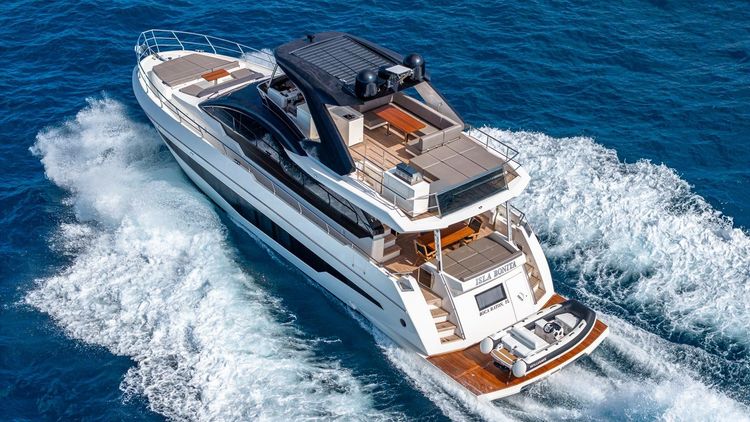

Learn more on the “N/A”
To learn more on the “N/A” or to get advice on how to buy or sell a yacht or get a great price for a yacht charter
please call +1 (954) 274-4435 USAOnly deal with professionals!