
 Licensed Yacht BrokersSales and service of yachts and ships
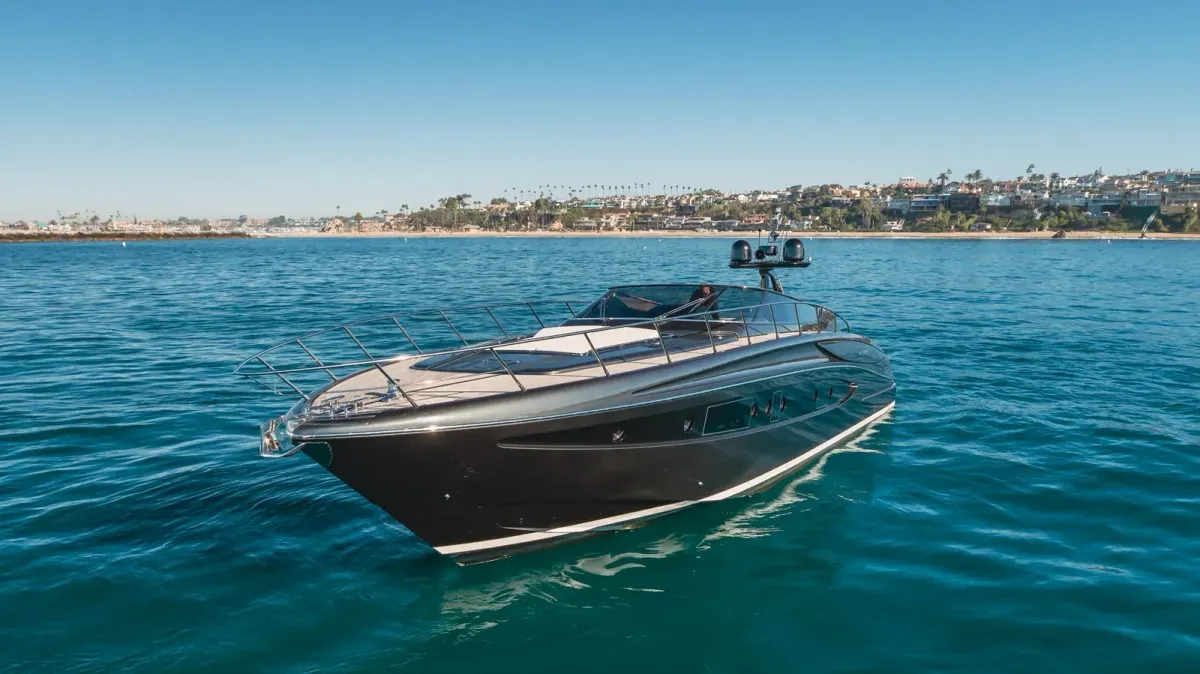
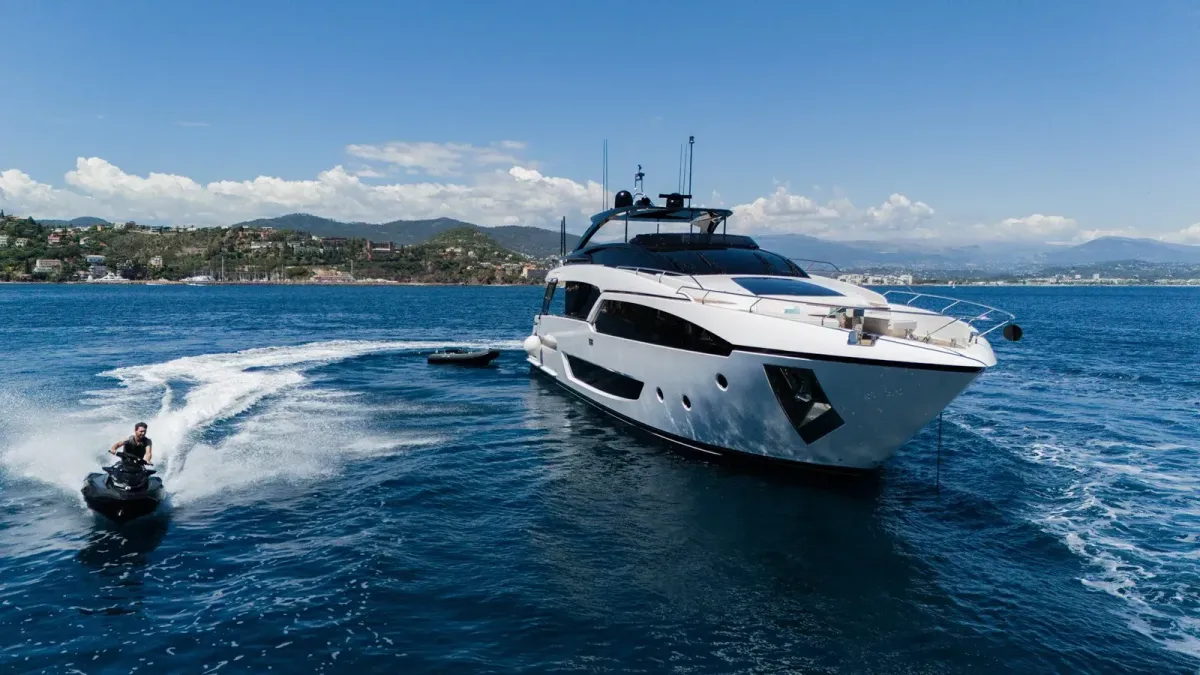
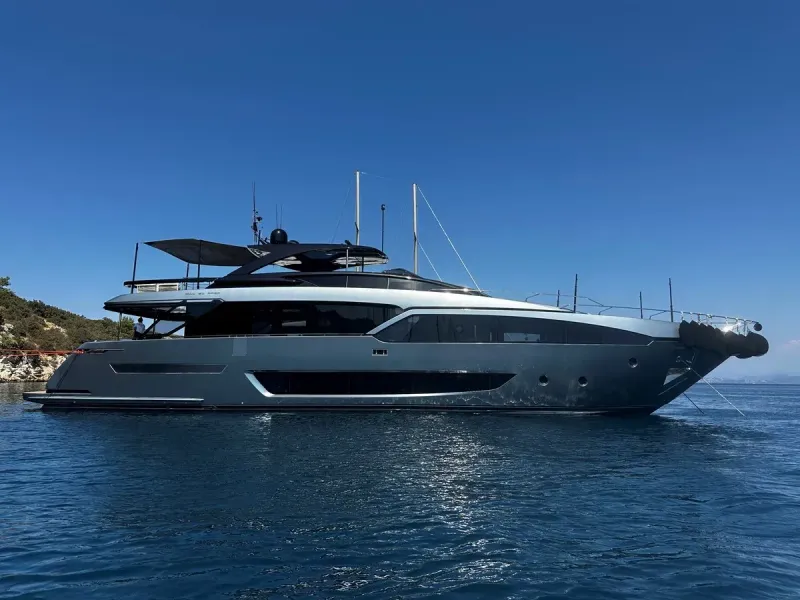
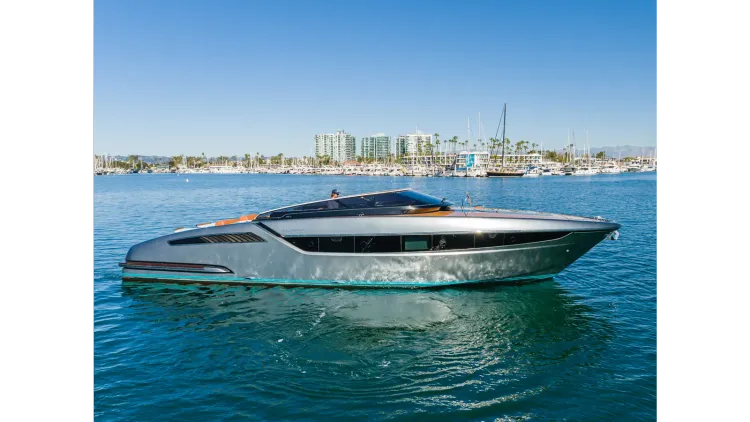
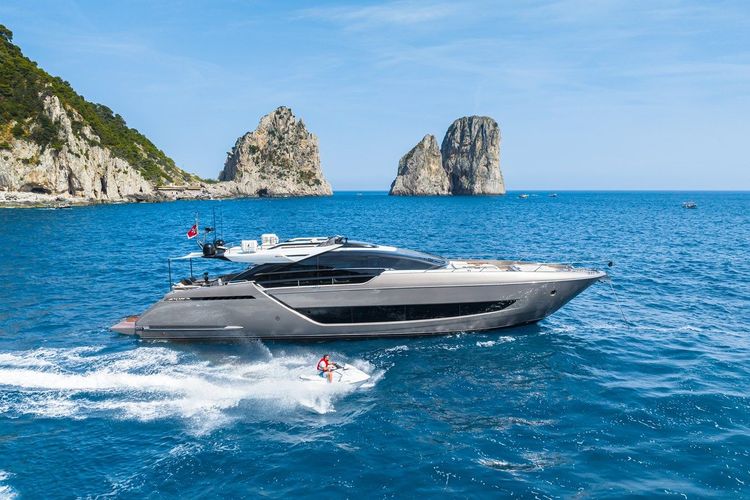
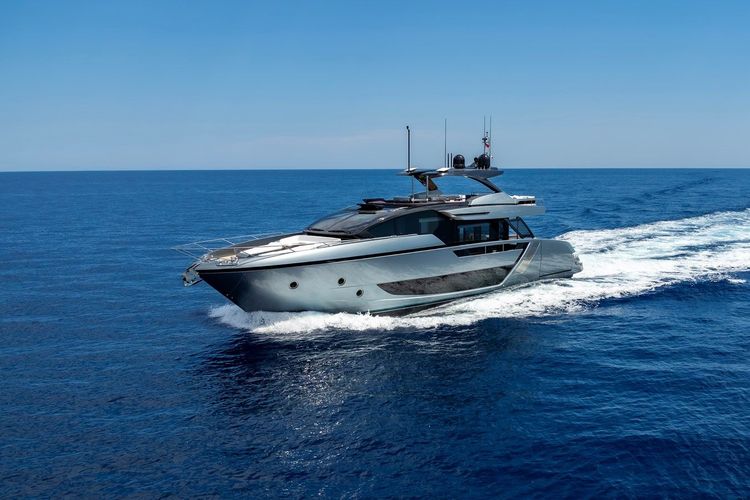
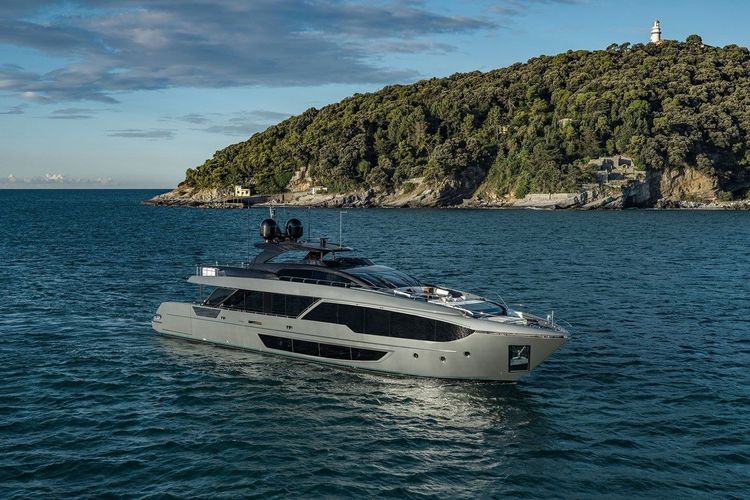
RIVA YACHT - For Sale
Riva (Riva Yachts)
Company History
Riva is one of the most storied names in yacht building, founded in 1842 by Pietro Riva on the shores of Lake Iseo in Sarnico, Italy. The shipyard began as a small workshop repairing storm-damaged fishing boats; Pietro’s skill and reliability quickly earned the trust of the local community and laid the groundwork for a family enterprise that would endure for generations.
In the late 19th and early 20th centuries, the business passed to Pietro’s descendants. Ernesto Riva introduced internal combustion engines to the yard’s craft as powerboating emerged, while Serafino Riva developed high-performance racing boats that earned victories and recognition on European waters in the interwar period.
After World War II, Carlo Riva transformed the brand’s destiny. From the 1950s through the 1960s, he modernized production, elevated craftsmanship, and created a series of wooden runabouts—Ariston, Tritone, Florida, and above all the Aquarama (launched in 1962)—that came to embody the glamour of the Italian “Dolce Vita.” Riva boats became the favored tenders and dayboats of film stars, industrialists, and royalty, celebrated for their sculptural mahogany, impeccable joinery, refined performance, and distinctive aesthetic.
In the late 1960s and 1970s, Riva evolved from wood to fiberglass, broadening its range while preserving its stylistic DNA. Ownership changed over time, and in 2000 the brand joined Ferretti Group, marking a new era of investment, design coherence, and industrial capability. The 21st century brought a renaissance: the Aquariva reinterpreted classic lines in modern materials; the Rivarama, Rivale, Domino, Corsaro, Perseo, Folgore, and Bahamas families expanded Riva into high‑performance open boats, sportfly yachts, and sleek flybridge models. In 2019, the Riva 50 Metri “Race” signaled Riva’s return to full custom steel and aluminum superyachts, built at Ferretti Group’s Ancona Superyacht Yard, extending the brand’s craftsmanship into the 50‑meter class while retaining its iconic design language.
Today, Riva stands for continuity between heritage and innovation: the same obsessive attention to detail that made the wooden Aquarama a legend now informs advanced composite yachts and metal superyachts designed for contemporary owners.
Country of Origin
Italy. Riva was founded in Sarnico, on Lake Iseo, in the Lombardy region.
Manufacturing Locations
- Sarnico (Lake Iseo, Italy): The historic headquarters and heritage shipyard. It is the brand’s spiritual home and the production site for several open and dayboat models, as well as restoration and historical preservation activities tied to Riva’s classic wooden lineage.
- La Spezia (Liguria, Italy): A major Ferretti Group facility dedicated to larger composite Riva yachts. Many of the sportfly and flybridge models in the 70–130 foot range are outfitted and sea‑trialed here, benefiting from deepwater access and advanced testing infrastructure.
- Ancona (Marche, Italy): Ferretti Group’s Superyacht Yard, where Riva’s steel and aluminum superyachts are constructed. This facility integrates design, engineering, outfitting, and long‑range sea trials for vessels in the 50‑meter class and beyond.
These sites, together with Ferretti Group’s centralized engineering and procurement capabilities, allow Riva to control quality from lamination and metalwork to interior carpentry, painting, systems integration, and commissioning.
Ownership and Management
Riva is a brand of Ferretti Group S.p.A., a leading Italian luxury yacht group that also includes Ferretti Yachts, Pershing, Itama, CRN, Custom Line, and Wally. Ferretti Group is majority‑owned by Weichai Group and is publicly listed, reflecting its scale and international outlook. The Group is led by CEO Alberto Galassi. Riva’s exterior styling is developed in long‑standing collaboration with Officina Italiana Design (Mauro Micheli and Sergio Beretta), which has shaped the modern Riva identity since the 1990s. Naval architecture and engineering are delivered by Ferretti Group’s in‑house teams, integrating hydrodynamics, structures, and onboard systems with the brand’s demanding aesthetic standards.
Reputation and Quality
Few names in yachting carry the cachet of Riva. The brand is synonymous with elegance, pure lines, and meticulous craftsmanship. Its heritage wooden runabouts set enduring benchmarks for finish and proportion; their influence can be seen in the curvature of contemporary Riva bows, the sweep of side windows, and the restrained use of chrome and varnished accents. Owners expect not just performance and comfort but an emotional connection to a design language honed over 180 years.
Riva’s quality culture blends artisanal know‑how with industrial discipline:
- Materials: Select hardwoods, premium veneers, multi‑axial composite laminates, carbon fiber components where appropriate, and high‑spec metals and fittings.
- Finish: Exacting paint and varnish standards, mirror‑gloss exterior coatings, and precise brightwork alignment that echoes classic Riva detailing without pastiche.
- Engineering: In‑house naval architecture, vibration and noise mitigation, rigorous electrical and hydraulic system integration, and extensive sea trials in La Spezia and Ancona.
- Design and ergonomics: Timeless silhouettes coupled with modern layouts, convertible hardtops (e.g., the Bahamas concept), generous glazing, and careful sightlines.
- After‑sales: Global service through Ferretti Group’s dealer and service network, including dedicated concierge support for flagship models.
Riva models have earned multiple industry awards over the years—from design and innovation recognitions to “World Yachts Trophies”—but the brand’s reputation ultimately rests on the consistency with which each boat, whether a compact dayboat or a 50‑meter superyacht, delivers a cohesive experience of design purity, craftsmanship, and performance. For many enthusiasts, a Riva is not simply a yacht; it is a cultural artifact and a living expression of Italian style.
Riva (Riva Yachts) — Italiano
Storia dell’Azienda
Riva nasce nel 1842 a Sarnico, sul Lago d’Iseo, fondata da Pietro Riva dopo il successo nelle riparazioni di barche danneggiate da una tempesta. La bottega familiare cresce rapidamente grazie alla qualità del lavoro e alla reputazione di affidabilità. Con Ernesto Riva arrivano i motori entrobordo; con Serafino Riva le barche da corsa conquistano vittorie nelle competizioni europee. Nel dopoguerra, Carlo Riva porta il cantiere a un livello iconico: negli anni ’50–’60 nascono Ariston, Tritone, Florida e l’Aquarama (1962), simboli della Dolce Vita, amati da star e appassionati per bellezza, finiture in mogano e prestazioni raffinate.
Dagli anni ’70 Riva abbraccia la vetroresina preservando il DNA stilistico. Nel 2000 entra nel Ferretti Group, avviando una nuova fase di investimenti e coerenza progettuale: Aquariva, Rivarama, Rivale, Domino, Corsaro, Perseo, Folgore e Bahamas segnano l’evoluzione verso open ad alte prestazioni, sportfly e flybridge. Nel 2019 il 50 Metri “Race” sancisce il ritorno ai superyacht in acciaio e alluminio ad Ancona.
Paese di Origine
Italia (Sarnico, Lago d’Iseo, Lombardia).
Siti Produttivi
- Sarnico: sede storica e produzione di modelli open; centro della tradizione Riva.
- La Spezia: polo per yacht Riva compositi di maggiori dimensioni, prove in mare e allestimenti finali.
- Ancona: Superyacht Yard del Gruppo, per i Riva in acciaio/alluminio.
Proprietà e Management
Riva è un marchio di Ferretti Group S.p.A., controllato da Weichai Group e guidato dal CEO Alberto Galassi. Il design esterno è firmato da Officina Italiana Design (Mauro Micheli, Sergio Beretta). L’ingegneria navale è sviluppata in-house dal Gruppo.
Reputazione e Qualità
Riva è sinonimo di eleganza italiana, linee pure e finiture impeccabili. L’artigianalità si fonde con processi industriali evoluti: materiali selezionati, verniciature di altissimo livello, integrazione tecnica rigorosa e ampie prove in mare. Numerosi riconoscimenti internazionali confermano la leadership del marchio; soprattutto, ogni Riva offre un’esperienza coerente di stile, artigianato e prestazione.
Riva (Riva Yachts) — Français
Histoire de l’Entreprise
Fondée en 1842 à Sarnico (Lac d’Iseo) par Pietro Riva, la maison s’est d’abord illustrée par la réparation de bateaux, avant d’évoluer vers la construction. Ernesto introduit les moteurs, Serafino développe la compétition, et après 1945 Carlo Riva crée les runabouts en acajou qui font la légende: Ariston, Tritone, Florida, puis l’Aquarama (1962), icône de la Dolce Vita.
À partir des années 1970, Riva passe à la fibre de verre tout en préservant son identité. En 2000, l’intégration dans Ferretti Group relance la marque: Aquariva, Rivarama, Rivale, Domino, Corsaro, Perseo, Folgore et Bahamas définissent la gamme contemporaine. En 2019, le 50 Metri “Race” marque le retour aux superyachts acier/aluminium à Ancona.
Pays d’Origine
Italie (Sarnico, Lombardie).
Sites de Production
- Sarnico: chantier historique et modèles open.
- La Spezia: grands yachts composites Riva, armement et essais en mer.
- Ancône: chantier superyachts du Groupe pour les unités acier/aluminium.
Propriété et Direction
Riva appartient à Ferretti Group S.p.A., à actionnariat majoritaire Weichai Group, dirigé par le CEO Alberto Galassi. Le design extérieur est signé Officina Italiana Design. L’architecture navale est réalisée en interne.
Réputation et Qualité
Riva incarne l’élégance, la pureté des lignes et une finition irréprochable. Matériaux haut de gamme, vernis et peintures de référence, intégration technique soignée et essais poussés garantissent la qualité. La marque est régulièrement primée et demeure une référence culturelle autant qu’industrielle.
Riva (Riva Yachts) — Español
Historia de la Empresa
Riva fue fundada en 1842 por Pietro Riva en Sarnico (Lago de Iseo). Tras su origen como taller de reparaciones, la familia evolucionó hacia la propulsión a motor y la competición con Ernesto y Serafino. En la posguerra, Carlo Riva definió la leyenda con runabouts de madera —Ariston, Tritone, Florida y el Aquarama (1962)— símbolos de la Dolce Vita italiana.
Desde la década de 1970, Riva adoptó la fibra de vidrio sin renunciar a su identidad. En 2000 se incorporó a Ferretti Group, impulsando una nueva era: Aquariva, Rivarama, Rivale, Domino, Corsaro, Perseo, Folgore y Bahamas. En 2019 el 50 Metri “Race” supuso el regreso a superyates de acero/aluminio en Ancona.
País de Origen
Italia (Sarnico, Lombardía).
Ubicaciones de Fabricación
- Sarnico: astillero histórico y modelos open.
- La Spezia: yates Riva de mayor eslora en material compuesto; armamento y pruebas de mar.
- Ancona: astillero de superyates del Grupo para unidades de acero/aluminio.
Propiedad y Gestión
Riva es una marca de Ferretti Group S.p.A., cuyo accionista mayoritario es Weichai Group; el CEO del Grupo es Alberto Galassi. El diseño exterior corre a cargo de Officina Italiana Design; la arquitectura naval y la ingeniería se realizan internamente.
Reputación y Calidad
Riva es sinónimo de elegancia atemporal, artesanía y líneas puras. Combina materiales selectos, acabados de alto brillo, integración técnica rigurosa y extensas pruebas en mar. Ha recibido numerosos premios del sector y mantiene una fuerte identidad cultural en el mundo náutico.
Riva (Riva Yachts) — Deutsch
Firmengeschichte
Riva wurde 1842 von Pietro Riva in Sarnico am Iseosee gegründet. Aus einer Reparaturwerkstatt entstand ein Bootsbauunternehmen, das unter Ernesto den Motorantrieb einführte und unter Serafino im Rennsport Erfolge feierte. Nach dem Krieg prägte Carlo Riva mit den Mahagoni‑Runabouts Ariston, Tritone, Florida und vor allem Aquarama (1962) das Bild der Marke und die Ästhetik der Dolce Vita.
Seit den 1970er Jahren setzt Riva auf GFK, ohne seine Formensprache aufzugeben. 2000 begann mit der Eingliederung in die Ferretti Group eine neue Phase. Modelle wie Aquariva, Rivarama, Rivale, Domino, Corsaro, Perseo, Folgore und Bahamas definieren die moderne Palette. 2019 markierte die 50‑Meter‑Yacht “Race” den Eintritt in Stahl‑/Aluminium‑Superyachten in Ancona.
Herkunftsland
Italien (Sarnico, Lombardei).
Produktionsstandorte
- Sarnico: historischer Stammsitz und Open‑Modelle.
- La Spezia: große Riva‑Komposityachten; Endausrüstung und Seetrials.
- Ancona: Superyacht‑Werft des Konzerns für Stahl/Aluminium.
Eigentum und Management
Riva ist eine Marke der Ferretti Group S.p.A., mehrheitlich im Besitz der Weichai Group; CEO ist Alberto Galassi. Das Exterieurdesign stammt von Officina Italiana Design, die technische Entwicklung erfolgt konzernintern.
Ruf und Qualität
Riva steht für Eleganz, Perfektion im Finish und klare Linien. Hochwertige Materialien, erstklassige Lackierung, präzise Systemintegration und umfangreiche Probefahrten sichern die Qualität. Die Marke wird regelmäßig ausgezeichnet und gilt als Ikone des Yachtbaus.
Riva (Riva Yachts) — Русский
История компании
Riva была основана в 1842 году Пьетро Рива в Сарнико (озеро Изео, Италия). Начав с ремонта лодок, верфь под руководством Эрнесто освоила моторные суда, а при Серафино добилась успехов в гонках. После Второй мировой войны Карло Рива создал легендарные деревянные катера — Ariston, Tritone, Florida и Aquarama (1962) — ставшие символом итальянской “Dolce Vita”.
С 1970‑х Riva перешла на композиционные материалы, сохранив фирменный стиль. В 2000 году бренд вошел в Ferretti Group, что инициировало модернизацию и расширение модельного ряда: Aquariva, Rivarama, Rivale, Domino, Corsaro, Perseo, Folgore, Bahamas. В 2019 году 50‑метровая “Race” ознаменовала возвращение к стальным/алюминиевым суперъяхтам на верфи в Анконе.
Страна происхождения
Италия (Сарнико, Ломбардия).
Производственные площадки
- Сарнико: историческая верфь и выпуск открытых моделей.
- Ла‑Специя: крупные композитные яхты Riva, достройка и ходовые испытания.
- Анкона: суперъяхт-верфь группы для стальных/алюминиевых проектов.
Владение и менеджмент
Riva — бренд Ferretti Group S.p.A.; мажоритарный акционер — Weichai Group. Группой руководит CEO Альберто Галасси. Внешний дизайн — Officina Italiana Design; инженерия выполняется собственными подразделениями.
Репутация и качество
Riva — эталон элегантности и мастерства. Отборные материалы, эталонные лакокрасочные покрытия, точная интеграция систем и серьезные морские испытания обеспечивают стабильное качество. Бренд многократно награждался и сохраняет безупречную репутацию в индустрии.
Riva (Riva Yachts) — 中文
公司历史
Riva 于1842年由 Pietro Riva 在意大利伊塞奥湖畔的萨尔尼科创立。企业从维修渔船起步,凭借精湛技艺和可靠口碑逐步转向制造。随后家族成员 Ernesto 引入内燃机,Serafino 推动竞速船开发并赢得赛事荣誉。二战后,Carlo Riva 开创品牌黄金时代:Ariston、Tritone、Florida,以及1962年面世的 Aquarama 等红木快艇,成为“甜蜜生活”美学的象征。
自20世纪70年代起,Riva 采用玻璃钢并保持经典设计语言。2000年并入 Ferretti Group 后,品牌获得全面振兴:Aquariva、Rivarama、Rivale、Domino、Corsaro、Perseo、Folgore 与 Bahamas 等系列构成现代产品矩阵。2019年,50米“Race”在安科纳超级游艇船厂下水,标志着 Riva 重返钢/铝超级游艇领域。
原产国
意大利(伦巴第大区萨尔尼科)。
生产地点
- 萨尔尼科:历史总部与开放式日间艇生产基地。
- 拉斯佩齐亚:大型复合材料 Riva 游艇的总装与海试中心。
- 安科纳:集团超级游艇船厂,承担 Riva 钢/铝制超级游艇建造。
所有权与管理
Riva 隶属于 Ferretti Group S.p.A.,其大股东为潍柴集团(Weichai Group)。集团首席执行官为 Alberto Galassi。外观设计长期由 Officina Italiana Design 团队负责,船舶结构与系统工程由集团内部完成。
声誉与品质
Riva 与优雅、纯粹线条和精湛工艺密不可分。精选材料、镜面级涂装、严谨的系统集成以及在拉斯佩齐亚与安科纳进行的严苛海试,共同构筑其质量口碑。品牌屡获行业大奖,更重要的是在每一艘船上持续呈现出一致的设计、工艺与航行体验。
Riva (Riva Yachts)
Main Competitors
Riva operates in the luxury motorboat and yacht segment from premium dayboats to composite superyachts and into custom steel and aluminum builds around 50 meters. Because of that breadth, its competitive set changes by size range and use case. Below is an overview of the brands most frequently cross-shopped by Riva clients.
-
Azimut | Benetti Group (Italy):
- Azimut competes directly with Riva’s composite models in the 50–130 ft range, particularly flybridge and sportfly yachts. Buyers comparing a Riva 76’ Perseo Super, 82’ Diva, 88’ Folgore, 102’ Corsaro Super, 110’ Dolcevita, or 130’ Bellissima often look at Azimut’s Fly, S, and Grande series for a similar mix of Italian design, performance, and large-fleet after-sales support.
- Benetti is a key competitor when clients consider stepping from Riva’s composite flagships and 50-meter steel/aluminum projects into larger semi-custom or custom metal builds.
-
Sunseeker (United Kingdom):
- Strong competition to Riva’s sport-open and sportfly models (Predator and Sport Yacht lines) as well as flybridge offerings (Manhattan and larger). Sunseeker emphasizes high performance, sporty styling, and strong brand recognition in the 60–120 ft market.
-
Princess Yachts (United Kingdom):
- Princess’ V Class (open/sport) and S/Y Class (sportfly/flybridge) are common alternatives for Riva buyers prioritizing seakeeping, refined British interiors, and a large global service footprint. The Princess Y80/Y85 and S80 are particularly relevant in Riva’s core size bands.
-
Sanlorenzo and Bluegame (Italy):
- Sanlorenzo competes at the upper end of Riva’s composite range and into metal superyachts, with a more bespoke, architectural approach (SL, SX, and SD lines). Bluegame, part of Sanlorenzo Group, provides a contemporary, dayboat-to-crossover proposition that overlaps with Riva’s open/sport clientele.
-
Overmarine Group (Mangusta) and Baglietto (Italy):
- Mangusta’s maxi-open and fast-displacement offerings are alternatives to Riva’s sleek, performance‑oriented larger models and to Riva’s 50‑meter ambitions where speed and profile are critical factors.
- Baglietto competes with Riva’s metal superyacht line, offering Italian design and custom builds in the 35–55 m segment.
-
Heesen Yachts (Netherlands):
- A benchmark in fast aluminum superyachts around 50 meters and up. Owners considering a Riva 50-meter may also view Heesen projects for speed, quietude, and Northern European build culture.
-
Pardo Yachts and Absolute Yachts (Italy):
- Pardo’s walkaround and daycruiser range overlaps with Riva’s stylish dayboats and small sports models, appealing to design‑led buyers who entertain near shore.
- Absolute’s Fly and Navetta lines compete in the 50–75 ft space with comfort, volume, and efficient cruising as key attributes.
-
Fairline Yachts (United Kingdom) and Frauscher (Austria):
- Fairline’s Targa and Squadron lines surface in comparisons for 45–70 ft sport cruisers and flybridge yachts.
- Frauscher, a premium dayboat specialist, competes with Riva’s smaller luxury runabouts in style, finish, and brand cachet.
-
Chris‑Craft and Hacker‑Craft (United States):
- At the classic and neo‑classic end of the dayboat spectrum, these brands provide beautifully finished alternatives to Riva’s small runabouts for owners who seek heritage aesthetics—though Riva generally sits at a higher luxury tier with a distinct Italian identity.
Note on internal group brands: From a buyer’s perspective, Riva can also be cross‑shopped with other Ferretti Group brands—Pershing (high‑performance sport yachts) and Wally (avant‑garde design), and with CRN/Custom Line at larger sizes. However, those are sibling marques within the same corporate family rather than external competitors.
Current Production Status
Riva’s production is active and ongoing across multiple Italian facilities within Ferretti Group’s industrial network. The brand continues to deliver new hulls in all major segments—dayboats and opens, sportfly and flybridge yachts, and metal superyachts—while introducing product updates and new models.
-
Product range and continua:
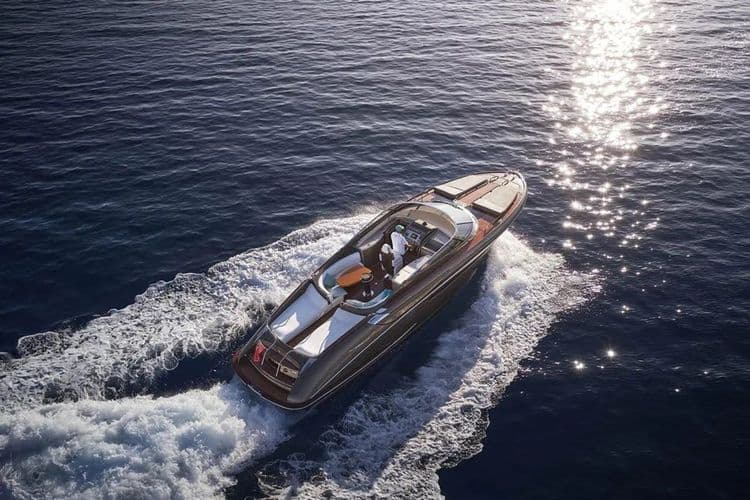
- Dayboats and open runabouts: Riva sustains its heritage runabout line with models that channel the spirit of the Aquarama and the brand’s classic varnished‑mahogany era into modern composites and contemporary detailing. The lineup spans compact luxury tenders/dayboats up to larger open sport cruisers designed for day use and short cruises.
- Electrification at the small‑boat end: Riva has introduced an all‑electric iteration of its compact dayboat concept (El‑Iseo), extending the brand’s styling and craftsmanship to zero‑emission coastal and lake boating. This initiative complements Ferretti Group’s broader research into alternative propulsion and sustainability.
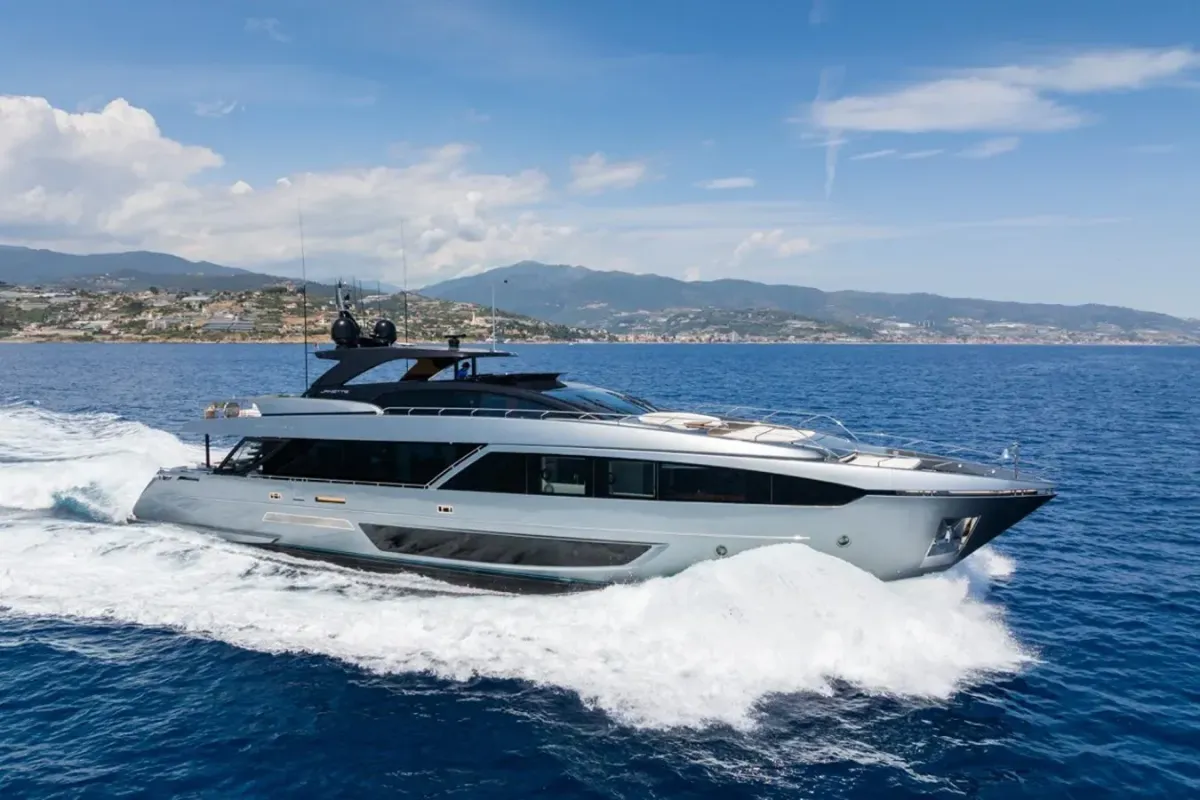
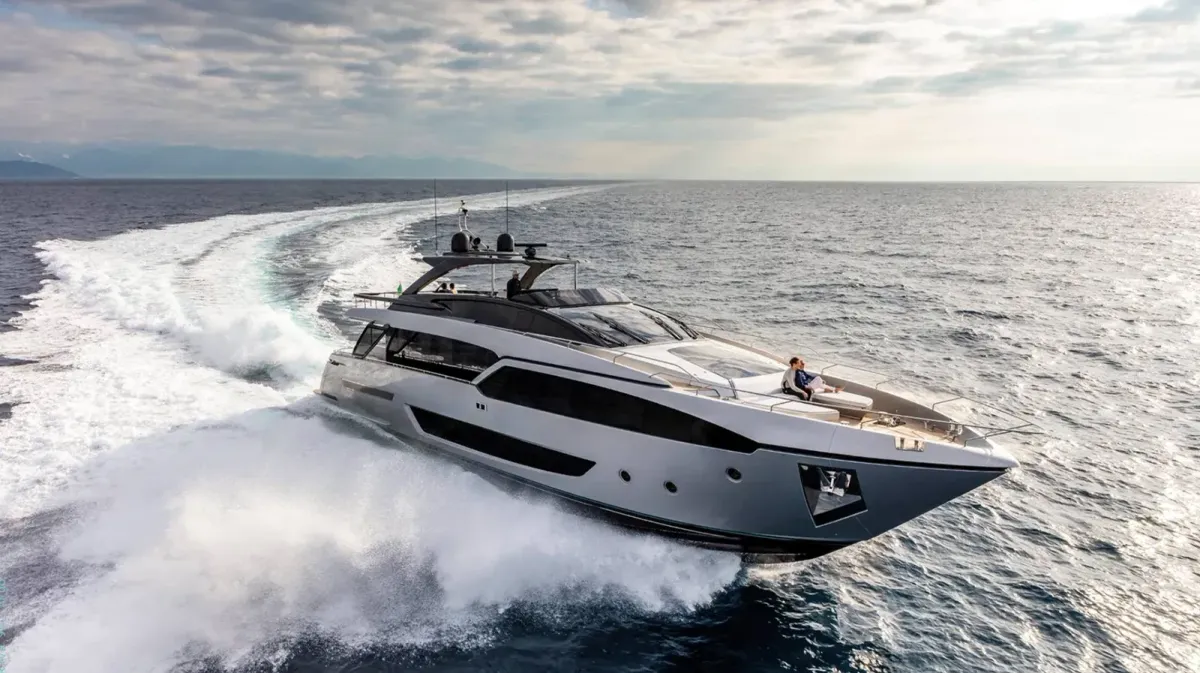
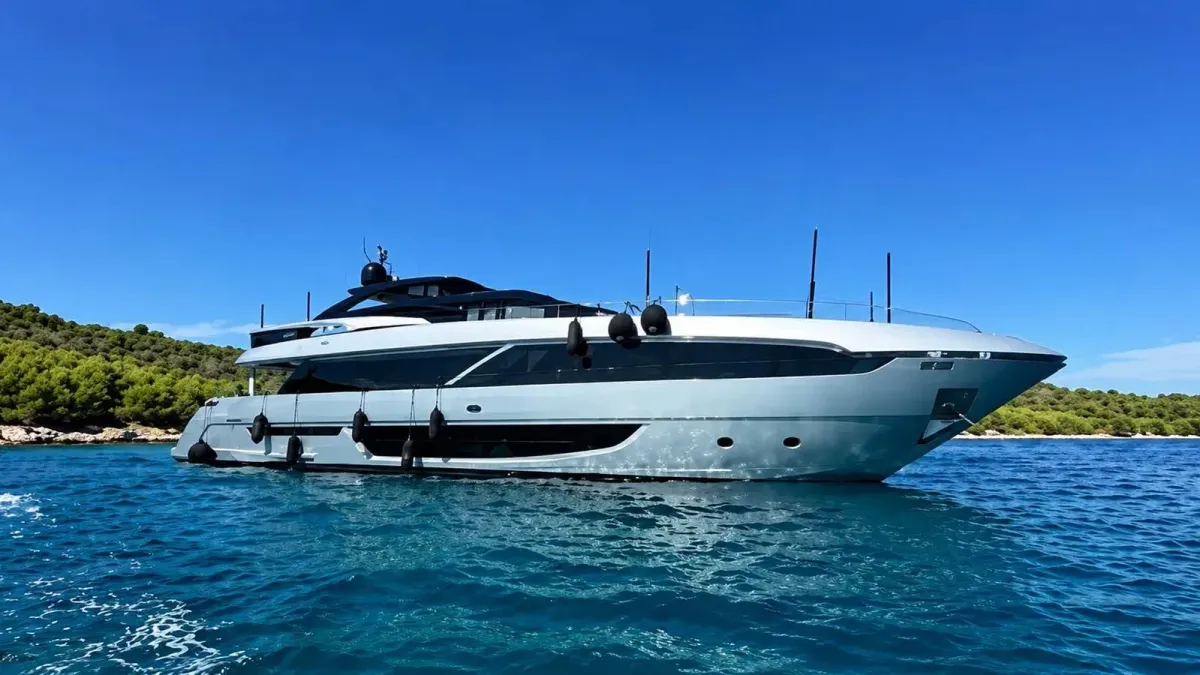
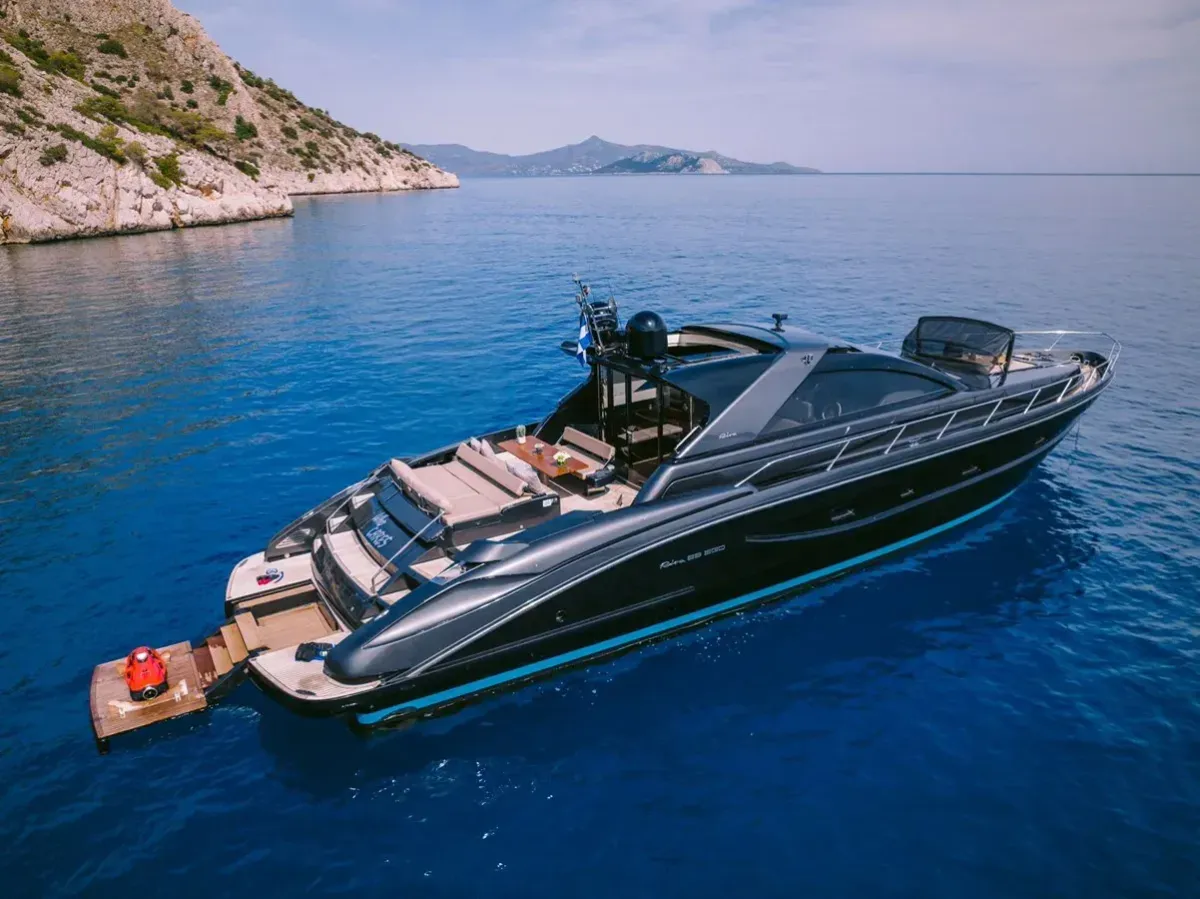
- Sport‑open/sportfly: Models such as the 68’ Diable, 76’ Perseo Super, 76’ Bahamas (with the convertible hard‑top concept), and 88’ Folgore represent the brand’s signature blend of performance, sculptural lines, and immersive outdoor living.
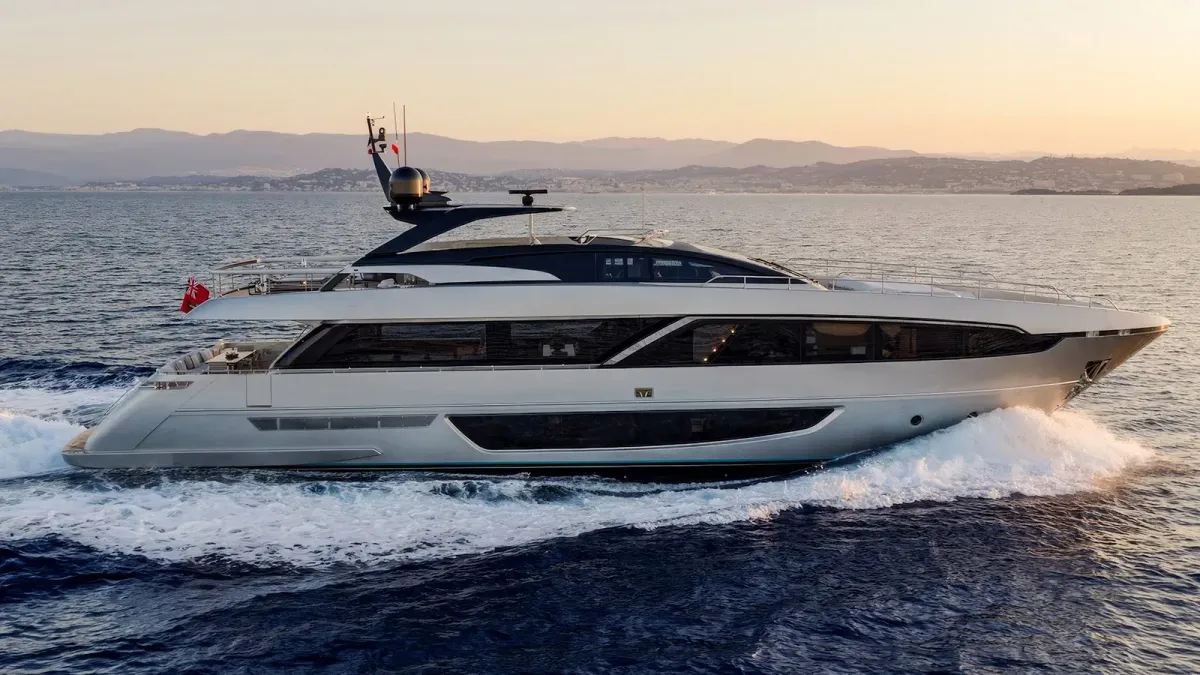
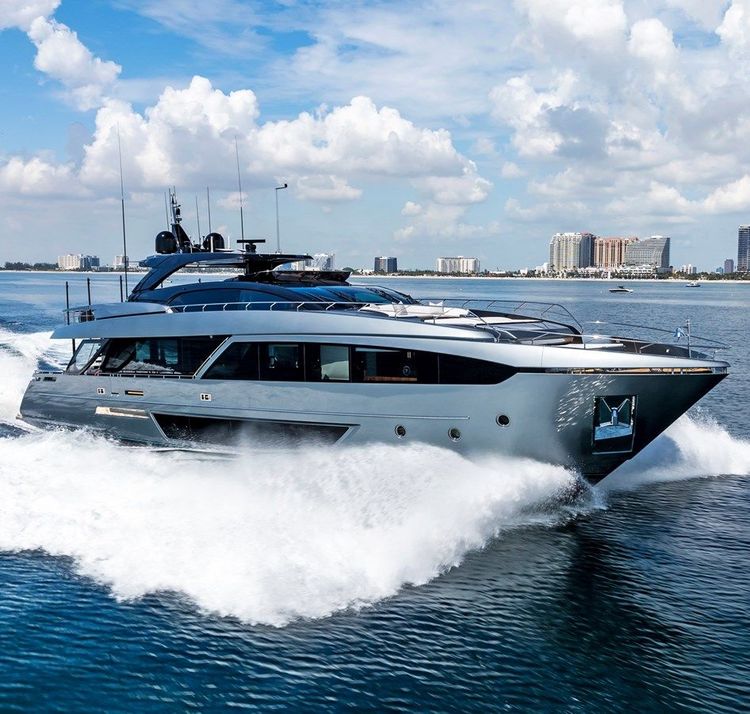
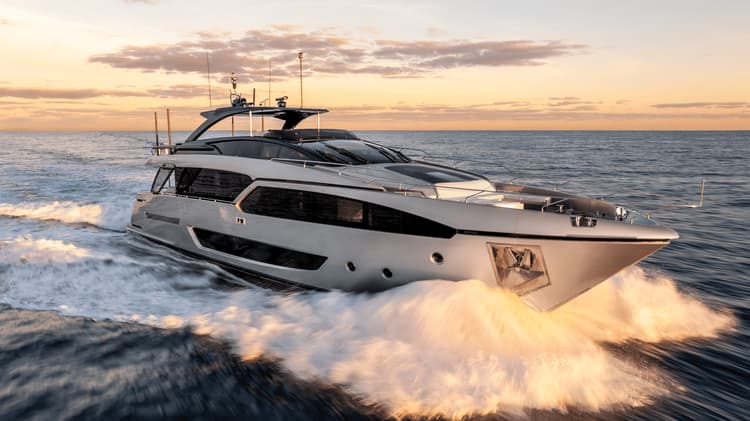
- Flybridge and larger composites: The 82’ Diva adds a high‑volume flybridge option with strong emphasis on liveability and glass integration. Above that, the 102’ Corsaro Super and 110’ Dolcevita continue to anchor the brand’s presence for owners who want Riva’s design DNA in substantial cruising yachts. The 130’ Bellissima sits at the top of the composite line as the flagship, showcasing generous glazing, a lean, elongated profile, and highly refined interiors.
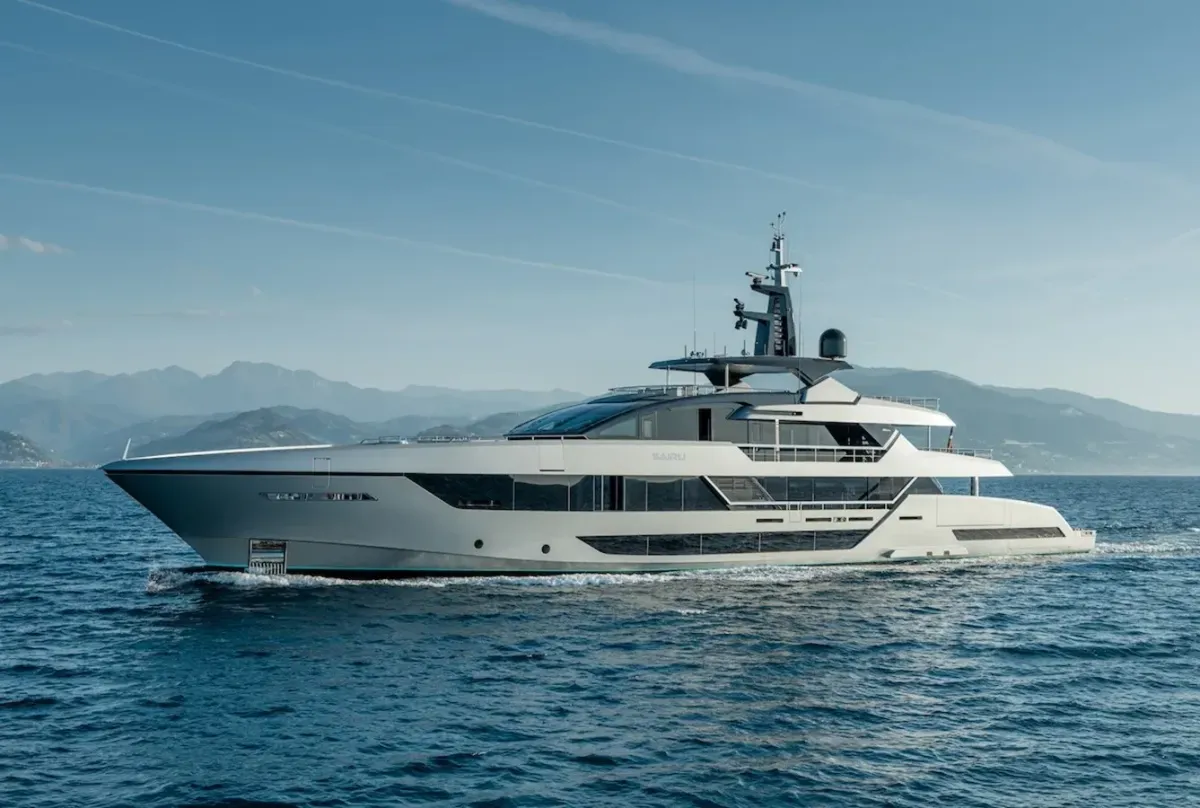
- Metal superyachts: Riva’s steel and aluminum program, centered on the 50‑meter class and built at Ferretti Group’s Ancona Superyacht Yard, remains active. These projects extend Riva’s aesthetic vocabulary—clean lines, sculptural sterns, and restrained brightwork—into full custom or semi‑custom long‑range yachts.
-
Production footprint:
- Sarnico (Lake Iseo): The historic home of Riva and an active production site for select open and dayboat models, as well as heritage and brand‑experience initiatives.
- La Spezia: A key facility for larger composite Rivas, including assembly, outfitting, and sea trials. Deepwater access and comprehensive testing infrastructure support quality control and refinement.
- Ancona: Ferretti Group’s Superyacht Yard, where Riva’s steel and aluminum yachts are built, assembled, and commissioned alongside CRN and Custom Line projects.
-
Design and engineering:
- Exterior styling continues in collaboration with Officina Italiana Design, ensuring continuity of the “Riva look” from the smallest runabout to the largest flagship.
- Naval architecture and systems engineering are carried out by Ferretti Group’s in‑house team, with a focus on noise/vibration mitigation, weight control, and consistency of fit/finish across series production.
-
Supply chain and after‑sales:
- As part of Ferretti Group, Riva benefits from centralized procurement, supplier partnerships, and QA processes. Global after‑sales coverage is provided through an international dealer and service network, with strong presence in the Mediterranean, Northern Europe, and North America.
-
Shows and market presence:
- Riva maintains a high‑visibility schedule at major international boat shows—Cannes, Monaco, Venice, Genova, Miami, and Fort Lauderdale—where it previews product evolutions and books new orders. Demand for the core models remains robust, and the brand’s lead times vary by series and customization scope.
Overall, Riva’s production status is healthy and forward‑leaning, supported by sustained investment in facilities, engineering, and product development by Ferretti Group, and buoyed by the brand’s enduring desirability among style‑focused owners.
Latest News
The following highlights summarize recent developments around Riva and its parent group that are most relevant to customers and observers. Timeframes are described in general terms because exact dates and unit counts vary by announcement and market.
-
New model introductions and range evolution:
- Riva has broadened its flybridge offering with the 82’ Diva, emphasizing deck space, natural light, and adaptable outdoor/indoor transitions. The model complements the sportier 76’ Perseo Super and 88’ Folgore, giving owners more choice in profile and usage without leaving the Riva design language.
- At the compact end, the El‑Iseo electric dayboat has moved from prototype to an active product, signaling Riva’s pragmatic approach to sustainable luxury. The boat retains the tactile, jewel‑like detailing associated with Riva while delivering quiet, zero‑emission operation ideal for lakes, marine reserves, and near‑shore dayboating.
- The composite flagship 130’ Bellissima continues production, with visible presence at European shows and ongoing deliveries. Iterative refinements in interior layouts, materials, and systems integration reflect owner feedback and Riva’s continuous‑improvement ethos.
- The 50‑meter steel/aluminum program at Ancona remains under build, with additional units in various stages of engineering, hull construction, and outfitting. These projects demonstrate the brand’s commitment to bridging its iconic style with full‑custom superyacht expectations.
-
Industrial investments and capacity:
- Ferretti Group has continued a multi‑year program of capital expenditure across Italian sites, including La Spezia, Sarnico, and Ancona. Upgrades generally target lamination processes, paint and finishing environments, logistics flow, and sea‑trial resources. For Riva customers, these investments translate into more predictable delivery schedules, tighter tolerances, and improved serviceability.
- The Group’s dual‑listing status (Hong Kong and Euronext Milan) sustains access to capital markets. This has supported product R&D, sustainability initiatives, and the planned expansion of production footprints—benefiting all brands, including Riva.
-
Sustainability and technology initiatives:
- Beyond the El‑Iseo, Riva and Ferretti Group are advancing research into alternative propulsion and energy management solutions suitable for larger yachts—hybridization, hotel‑load optimization, and emissions compliance as regulations tighten. On yachts above 24 meters, the Group has been aligning with current emissions standards and the integration of exhaust after‑treatment where required, while seeking to maintain signature Riva aesthetics and low noise/vibration profiles.
- Materials and process innovation continue in composites (including carbon where justified) and in weight‑sensitive interior construction, helping preserve performance and range without compromising finish quality.
-
Brand experiences and lifestyle:
- Riva has expanded its “Riva Lounge” and brand‑experience footprint in select Mediterranean and international destinations, tying the yachting experience to curated hospitality and design environments. These locations celebrate the brand’s heritage—classic runabout forms, curated materials, and period photography—while providing owners and enthusiasts with a tangible connection to Riva culture ashore.
- Anniversary and special‑edition projects introduced in recent years continue to be exhibited selectively at major shows and partner venues, reinforcing the bond between Riva’s historical icons and its current range.
-
Market momentum and recognition:
- Riva models regularly appear on shortlists and receive distinctions at industry award programs for design and innovation. While specific award tallies differ year by year, the pattern is consistent: judges recognize the brand’s ability to evolve aerodynamically clean, emotionally resonant lines and to translate artisanal detailing into series production at scale.
- Broker feedback and owner communities report strong residual values for well‑kept Rivas, driven by brand desirability, timeless styling, and controlled production quality. This market performance, while sensitive to macroeconomic cycles, generally endorses Riva’s focus on design integrity and finish.
-
Global events and showings:
- In the most recent show seasons, Riva has staged world premieres and debuts for updated and new models at Cannes, Monaco, Miami, and Fort Lauderdale. These outings typically feature curated interior schemes, new material palettes, and incremental technical enhancements—examples include refinements to glazing, hard‑top mechanisms, and tender handling systems.
- Sea trials for press and clients have emphasized quietude, structural solidity, and balanced performance envelopes—fast‑cruise comfort coupled with competitive top speeds for the class—reinforcing the core attributes long associated with the marque.
In sum, the “latest” picture around Riva is one of disciplined evolution rather than dramatic disruption. The brand has added a modern flybridge option (82’ Diva), deepened its sport‑open/sportfly core, solidified the composite flagship position with the 130’ Bellissima, and kept its metal superyacht ambitions on track via Ancona. The introduction of an electric dayboat underscores a thoughtful sustainability arc, and Ferretti Group’s ongoing investments and dual listings provide the industrial and financial backbone to support Riva’s global demand and after‑sales commitments.
Riva (Riva Yachts)
Frequently Asked Questions
Question: What segment of the market does Riva occupy? Answer: Riva sits in the luxury segment of motorboats and yachts, from jewel-like dayboats and open sports cruisers to high-performance sportfly and flybridge models, and further into composite flagships and custom steel/aluminum superyachts. The brand is known for sculptural lines, refined detailing, and elevated craftsmanship rather than mass-market production.
Question: What makes a Riva distinct from other yachts? Answer: A Riva is defined by pure, balanced lines; tight radii and glasswork; precise brightwork and metallic accents; and an obsessive standard of paint and joinery. Interiors emphasize tactile materials, clean geometries, and quiet luxury. On the water, Rivas combine confident handling and quietude with competitive speeds for their class.
Question: Are Rivas built of wood like the classic Aquarama? Answer: Contemporary Rivas are primarily advanced composites (with selected carbon components where justified) for production yachts, and steel/aluminum for the 50‑meter class. The aesthetic nods to the classic mahogany era—via veneers, trim, and proportions—but the structures themselves are modern.
Question: What propulsion types does Riva use? Answer: Most current models use twin diesel inboard engines on conventional shafts, tuned for smooth acceleration and predictable dockside maneuvering with bow/stern thrusters and joystick integration where offered. Select small dayboats may use sterndrives or waterjets (notably the Aquariva heritage configuration), and the El‑Iseo is an all‑electric inboard dayboat.
Question: How fast are Riva yachts? Answer: Performance varies by size and engine package. Dayboats and open sports models often top out in the 35–40+ knot range. Larger sportfly and flybridge models typically see high‑20s to mid‑30s knots. Composite flagships may deliver low‑20s to high‑20s, while steel/aluminum superyachts prioritize efficiency and comfort with top speeds generally in the mid‑teens.
Question: How many cabins do Rivas typically have? Answer: Dayboats are designed primarily for day use with a compact interior (often a lounge and head). Mid-size opens (40–60 ft) typically offer 2–3 cabins. Sportfly/flybridge yachts in the 70–110 ft range commonly have 3–5 guest cabins plus crew spaces. The largest composite models and metal superyachts offer 5 or more guest suites with dedicated crew quarters.
Question: Who designs modern Rivas? Answer: Exterior styling is the result of a long-standing collaboration with Officina Italiana Design, ensuring continuity of the brand’s proportions and signature details. Naval architecture and systems engineering are led by in-house teams, aligning hydrodynamics, structures, and noise/vibration mitigation with the design language.
Question: Are stabilization systems available? Answer: Yes. Gyroscopic or fin stabilization (or both) can be specified on many models, particularly from the 60‑foot class upward. These systems reduce roll at anchor and under way, enhancing comfort for guests.
Question: What is the build approach—semi-custom or fully custom? Answer: Dayboats and composite models are series-built with a high degree of customization in materials, decor, and selected layout choices. The 50‑meter steel/aluminum platform is built to an owner’s brief with broader scope for personalization in architecture, interior planning, and technical specification.
Question: How does Riva address noise and vibration? Answer: The engineering emphasis includes careful mounting of machinery, isolating bulkheads and floors, exhaust tuning, and detailed propeller and shaft alignment. Resulting sound levels at cruise are typically low for the class, which is central to the brand’s luxury experience.
Question: Is there an electric or hybrid option? Answer: The El‑Iseo is a fully electric dayboat variant designed for quiet, zero‑emission operation, ideal for lakes and coastal dayboating. For larger yachts, hybridization and hotel‑load energy management are topics of ongoing development within the broader group.
Question: What kind of cruising are Rivas best suited for? Answer: Rivas excel in Mediterranean-style dayboating, weekend coastal cruises, and fast passages between anchorages. Larger flybridge and composite flagships extend comfortably to longer itineraries with the range, storage, and crew support expected of luxury cruisers. Steel/aluminum projects are suited to extended seasonal cruising with ocean-capable range and redundancy.
Question: How is seakeeping in rough water? Answer: Hulls are optimized for a balance of soft entries, directional stability at speed, and predictable behavior in quartering conditions. Seakeeping improves markedly with size, and stabilization options further enhance comfort in chop and at anchor.
Question: What maintenance profile should an owner expect? Answer: Expect premium-yacht standards: regular systems checks, scheduled engine and generator service, annual antifoul/haul-out, and careful care of painted surfaces and brightwork. Interiors benefit from climate control and periodic professional detailing to preserve finishes. Properly maintained Rivas hold value well relative to peers.
Question: What materials define the interior finish? Answer: High-grade veneers and hardwoods, leathers and textiles selected for tactile quality, refined stone and composite surfaces where weight savings are needed, and a restrained metal palette that echoes exterior accents. The result is a clean, timeless aesthetic.
Question: Are there crew accommodations on larger models? Answer: Yes. From roughly 70 ft upward, layouts typically include dedicated crew cabins and a crew mess near the galley/utility spaces, with separate access to minimize guest traffic overlap.
Question: What design innovation distinguishes models like the Bahamas or Folgore? Answer: The Bahamas platform introduced a convertible hardtop concept that transforms from coupe to open in a single motion while preserving structural integrity and sightlines. The Folgore emphasizes aggressive, aerodynamic styling with extensive glass, integrating bold exterior forms with a luminous interior.
Question: How configurable are deck spaces? Answer: Even on smaller yachts, expect modular sunpads, convertible dining/lounge areas, and integrated shade solutions. On larger models, beach clubs, fold-out terraces, and garages for tenders and personal watercraft are common, with multifunctional aft decks designed for both lounging and water access.
Question: How does the brand approach sustainability beyond propulsion? Answer: Weight-sensitive construction, efficient hull forms, careful systems integration, and attention to coatings and materials selection are all part of reducing energy consumption over a yacht’s life. Shore-power integration and battery management systems help limit generator hours in port.
Question: What is typical equipment on delivery? Answer: Standard specifications vary by model and region, but generally include navigation suites appropriate to size, climate control, entertainment systems, hydraulic platforms or passerelles on larger models, and safety gear compliant with applicable regulations. Owners frequently add custom AV/IT, galley upgrades, water-treatment, and enhanced tender handling solutions.
Question: Are Rivas suitable as superyacht tenders? Answer: Several dayboats—particularly Aquariva, Rivamare, and Iseo variants—are popular as high-prestige superyacht tenders, valued for their finish, smooth ride, and iconic styling that complements a mothership.
Question: What is the ownership experience like? Answer: Owners typically cite aesthetics, the feel of the helm, low noise/vibration, and the sense of occasion every time they step aboard. Larger models add the advantages of generous glazing, voluminous social decks, and crew-ready layouts. Residual values benefit from strong brand desirability and consistent production quality.
Question: How do Riva models differ from siblings under the same corporate umbrella? Answer: While there is shared engineering depth, Riva’s identity is distinct: classic-modern elegance, refined detail execution, and a cohesive design language across sizes. Sibling brands may focus on avant-garde design, extreme performance, or bespoke superyachts, whereas Riva occupies the timeless, sculptural center of luxury motoryachting.
Question: Can owners expect year-to-year updates? Answer: Yes. Riva regularly introduces “Super” or “new series” evolutions that refine glazing, interior schemes, weight distribution, systems, and ergonomics. These are incremental improvements intended to preserve the core design while enhancing performance and livability.
Question: Which certifications and build standards are typical? Answer: Composite yachts are built to relevant recreational and commercial standards depending on size and intended operation, with class options available at the upper end. Steel/aluminum projects are classed and engineered to international superyacht norms with appropriate safety, structural, and systems compliance.
Question: What are realistic cruising speeds? Answer: As a general rule of thumb, many owners cruise dayboats in the high‑20s to low‑30s knots, larger sportfly models in the mid‑20s, and composite flybridge yachts in the low‑ to mid‑20s. Superyacht projects typically cruise in the low‑ to mid‑teens for range and comfort.
Question: Is there a strong culture around heritage Rivas? Answer: Yes. The brand’s classic wooden boats—especially the Aquarama—remain cultural touchstones, often restored to concours standards. Contemporary Rivas reference this lineage through signature details and proportions, even as materials and systems are thoroughly modern.
Available Models
Note: Specifications vary by model year, engine option, and configuration. The information below summarizes typical ranges and defining traits to guide comparisons. Lengths are approximate overall lengths.
Dayboats and Classic-Style Runabouts
-
El‑Iseo (approx. 27–28 ft)
- Concept: All‑electric luxury dayboat with the brand’s signature lines, designed for quiet, zero‑emission operation on lakes and coastal waters.
- Layout: Open cockpit with sunpad and a compact interior module with a head; storage configured for day use.
- Engine type: Inboard electric propulsion.
- Max speed: Dependent on battery and motor specification; typically oriented to relaxed day speeds with brisk acceleration and silent running.
- Cabins: None (dayboat); enclosed head.
-
Iseo (approx. 27–28 ft, internal‑combustion variant)
- Concept: Compact luxury runabout suited to tender duties and day cruising.
- Layout: Open cockpit, sunpad, compact head compartment.
- Engine type: Petrol or diesel, often with sterndrive; configurations vary by market.
- Max speed: Commonly in the 35–40+ knot range depending on power.
- Cabins: None (dayboat); enclosed head.
-
Aquariva Super (approx. 33 ft)
- Concept: Modern heir to the classic mahogany era, with contemporary materials and systems.
- Layout: Open cockpit with plush seating and sunpad; below-deck head and storage.
- Engine type: Twin diesel with waterjets on many builds, prioritizing smoothness and shallow-water capability.
- Max speed: Typically around 40+ knots depending on engine calibration and load.
- Cabins: None; compact below-deck space with head.
-
Rivamare (approx. 38 ft)
- Concept: Luxury day cruiser with overnight capability, blending heritage detailing with modern ergonomics.
- Layout: Forward convertible lounge/berth, galley module, enclosed head; expansive cockpit and beach platform.
- Engine type: Twin diesel (often sterndrives on many units).
- Max speed: Commonly near 40 knots with appropriate power.
- Cabins: 1 convertible berth/lounge plus head.
Open Sports and Sport Cruisers
-
Dolceriva (approx. 48–49 ft)
- Concept: Elegant open with generous cockpit and sun lounging, suitable for weekend cruising.
- Layout: Typically 2 cabins (owner and guest), salon/galley below, day head; large aft sunpad.
- Engine type: Twin diesel inboards on shafts.
- Max speed: Often mid‑30s knots (varies with engine package).
- Cabins: Usually 2.
-
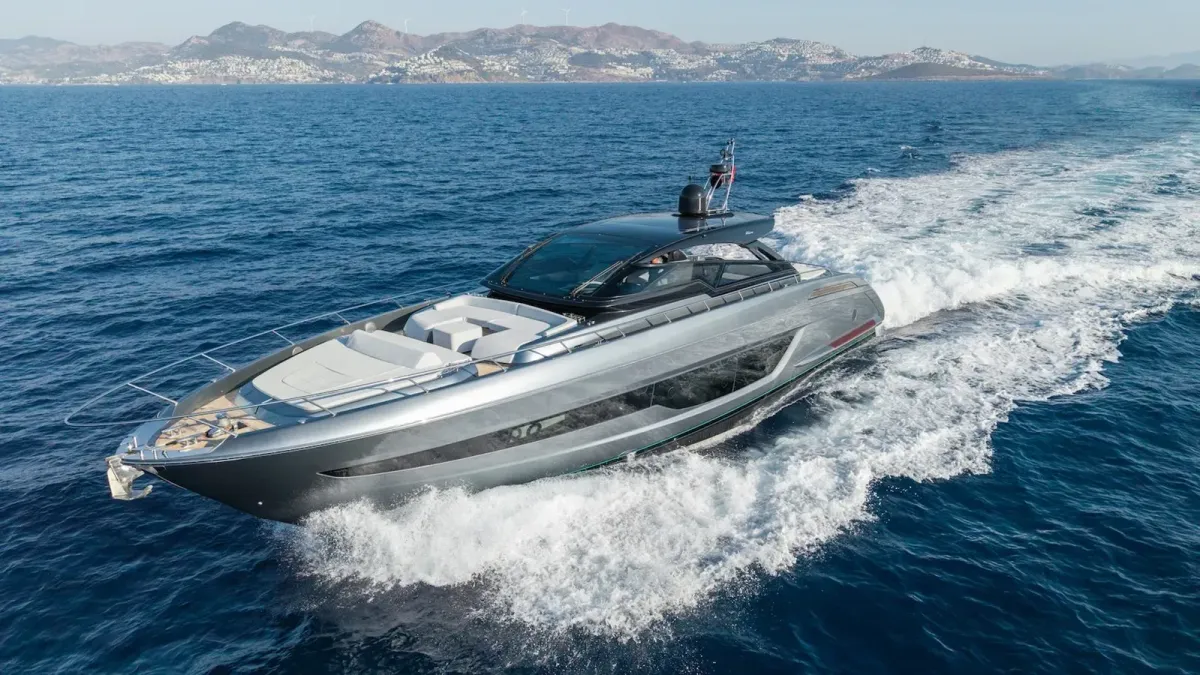
56’ Rivale (approx. 56–57 ft)
- Concept: Iconic open/sport cruiser with protected helm, deep cockpit, and strong performance.
- Layout: Typically 2 or 3 cabins plus 2 heads; crew space optional depending on layout.
- Engine type: Twin diesel inboards on shafts.
- Max speed: Often high‑30s knots with higher-output packages.
- Cabins: 2–3.
-
68’ Diable (approx. 67–69 ft)
- Concept: Large sport open with hardtop and expansive exterior living; engineered for fast coastal passages.
- Layout: Generally 3 guest cabins plus crew; generous salon and galley.
- Engine type: Twin high-output diesel inboards on shafts.
- Max speed: Commonly approaching 40 knots depending on load and sea state.
- Cabins: 3 guest cabins plus crew.
Sportfly, Convertible, and Flybridge
-
76’ Perseo Super (approx. 76–77 ft)
- Concept: Sportfly with sleek superstructure, large glass areas, and balanced indoor/outdoor flow.
- Layout: 3 or 4 guest cabins plus crew quarters; spacious main deck salon with aft lounge connection.
- Engine type: Twin high-output diesel inboards on shafts.
- Max speed: Typically mid‑ to high‑30s knots with premium engine option.
- Cabins: 3–4 guest cabins plus crew.
-
76’ Bahamas / Bahamas Super (approx. 76–77 ft)
- Concept: Convertible hardtop transforms coupe-like profile into an open experience at the touch of a control, preserving rigidity and sightlines.
- Layout: Usually 3 guest cabins plus crew; focus on cockpit living and seamless main‑deck transitions.
- Engine type: Twin high-output diesel inboards on shafts.
- Max speed: Generally in the mid‑ to high‑30s knots.
- Cabins: Typically 3 guest cabins plus crew.
-
82’ Diva (approx. 82–83 ft)
- Concept: New-generation flybridge with high internal volume, panoramic glazing, and a strong emphasis on outdoor living.
- Layout: Usually 4 guest cabins plus crew; flexible aft deck/beach area and generous flybridge.
- Engine type: Twin diesel inboards on shafts.
- Max speed: Typically around 30 knots depending on engines and load.
- Cabins: Generally 4 guest cabins plus crew.
-
88’ Folgore (approx. 88–89 ft)
- Concept: Aggressive, aerodynamic sport yacht with extensive glass and bold detailing.
- Layout: Commonly 4 guest cabins plus crew; refined main deck salon with wide views.
- Engine type: Twin high-output diesel inboards on shafts.
- Max speed: Frequently high‑30s to circa 40 knots, power‑option dependent.
- Cabins: 4 guest cabins plus crew.
-
102’ Corsaro Super (approx. 100–102 ft)
- Concept: Flybridge/raised pilothouse yacht combining sleek profile with long-range comfort.
- Layout: Typically 5 guest cabins (including a main-deck owner’s suite on many layouts) plus crew quarters.
- Engine type: Twin diesel inboards on shafts.
- Max speed: Commonly mid‑ to high‑20s knots depending on package.
- Cabins: 5 guest cabins plus crew.
-
110’ Dolcevita (approx. 108–110 ft)
- Concept: Large flybridge yacht with continuous glazing and a luminous interior, designed for extended family cruising.
- Layout: Usually 5 guest cabins with expansive owner’s suite, plus crew service areas and technical spaces.
- Engine type: Twin diesel inboards on shafts.
- Max speed: Typically mid‑20s knots; optimized for quiet cruising in the high teens to low 20s.
- Cabins: 5 guest cabins plus crew.
Composite Flagship
- 130’ Bellissima (approx. 130–131 ft)
- Concept: Composite flagship showcasing maximum expression of the brand’s sculptural language at large scale, with vast windows and an elongated, athletic stance.
- Layout: Commonly 5 guest suites including a full-beam owner’s area, ample crew accommodations, and multiple exterior lounges and beach facilities.
- Engine type: Twin high-power diesel inboards on shafts.
- Max speed: Typically low‑20s knots; efficient cruise in the high‑teens to ~20 knots depending on load and sea state.
- Cabins: 5 guest cabins plus crew.
Steel/Aluminum Superyacht
- Riva 50 Metri (approx. 50 m)
- Concept: Full-custom steel hull with aluminum superstructure, extending the Riva identity into true superyacht scale while preserving design coherence.
- Layout: Usually 5–6 guest suites including an owner’s area; generous crew capacity; beach club and tender garage integrated.
- Engine type: Twin diesel inboards suitable for superyacht duty cycles, with class-compliant systems and redundancy.
- Max speed: Generally mid‑teens, with long-range cruising in the low‑teens for comfort and efficiency.
- Cabins: 5–6 guest suites plus crew.
Positioning Notes and Selection Guidance
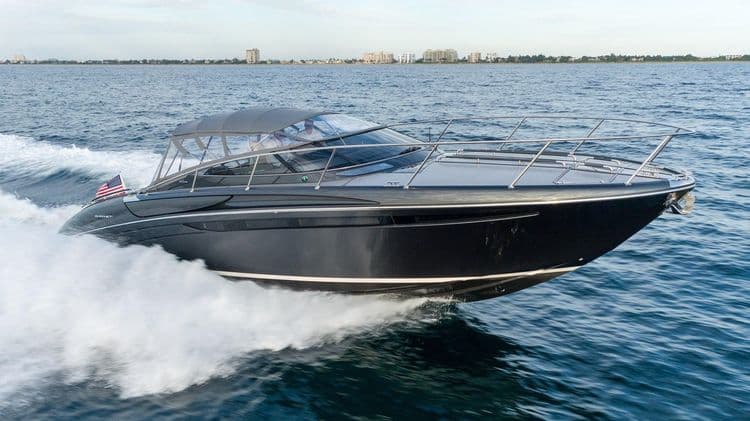
- Dayboats (Iseo, El‑Iseo, Aquariva, Rivamare) prioritize immediacy: quick launches, short hops, superb finish, and a strong emotional connection to heritage design. They are popular as private toys and as superyacht tenders where image and refinement matter.
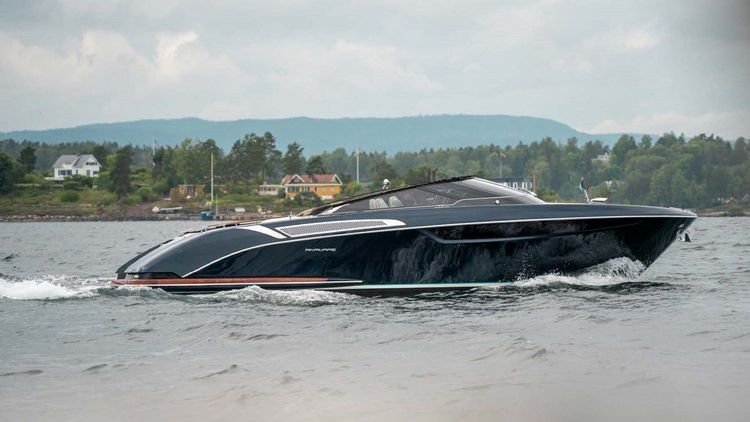
- Open sports (Dolceriva, 56’ Rivale, 68’ Diable) emphasize high exterior living, speed, and sporty handling, with weekend-ready interiors. They suit warm-climate cruising and fast repositioning along a coastline.
- Sportfly/convertibles (76’ Perseo Super, 76’ Bahamas Super) blend the exhilaration of open boating with the practicality of an upper helm and refined interior volumes.
- Flybridge and larger composites (82’ Diva, 88’ Folgore as a sport alternative, 102’ Corsaro Super, 110’ Dolcevita, 130’ Bellissima) elevate liveability, glazing, and range, offering multi-day itineraries with crew support, generous stowage, and hotel-like comforts.
- Steel/aluminum (Riva 50 Metri) provides the platform for bespoke cruising programs, trans-seasonal usage, and the technical depth expected at superyacht scale.
Practical Considerations When Comparing Models
- Length vs. lifestyle: Owners who mainly dayboat in fair weather often favor the open series; those planning week-long family trips usually gravitate to the flybridge line with more interior volume and crew comforts.
- Speed vs. range: Higher top speeds are available on sport-open and sportfly models, while the largest composite and metal yachts emphasize comfortable ranges at efficient cruise speeds.
- Cabins vs. deck space: Open models allocate more square footage to exterior lounging; flybridge designs offer more enclosed volume for cabins and service areas.
- Propulsion and handling: Shaft drives dominate for reliability and serviceability; smaller models may feature sterndrives or jets. Joystick maneuvering, thrusters, and stabilization can be specified to ease handling and enhance comfort.
- Customization scope: Materials and decor are widely customizable across the range; architectural changes are most expansive on the metal platform.
This overview is intended to help readers map use cases to model families and understand the typical characteristics—length, cabin count, speed bands, and engine types—associated with each. For detailed technical specifications, performance curves, and option matrices, prospective owners usually review a current specification sheet for the exact model year and engine package of interest and compare that with sea-trial impressions in their home waters.
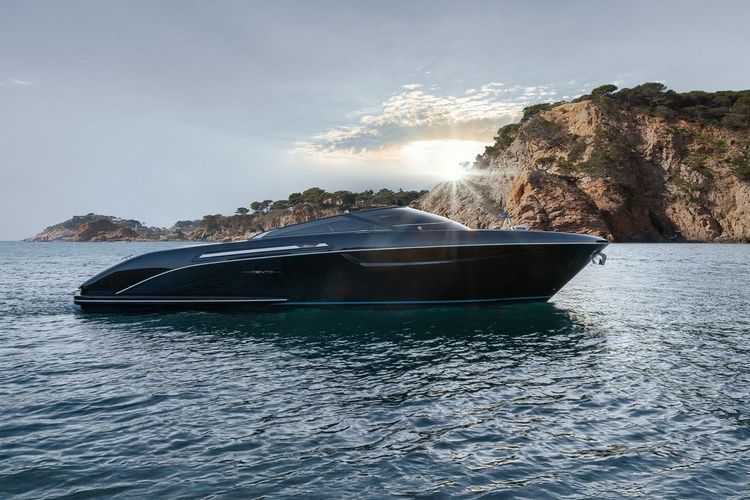
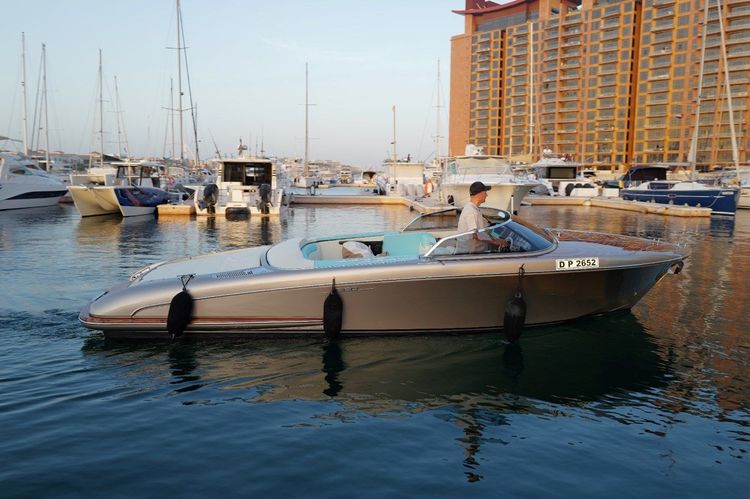
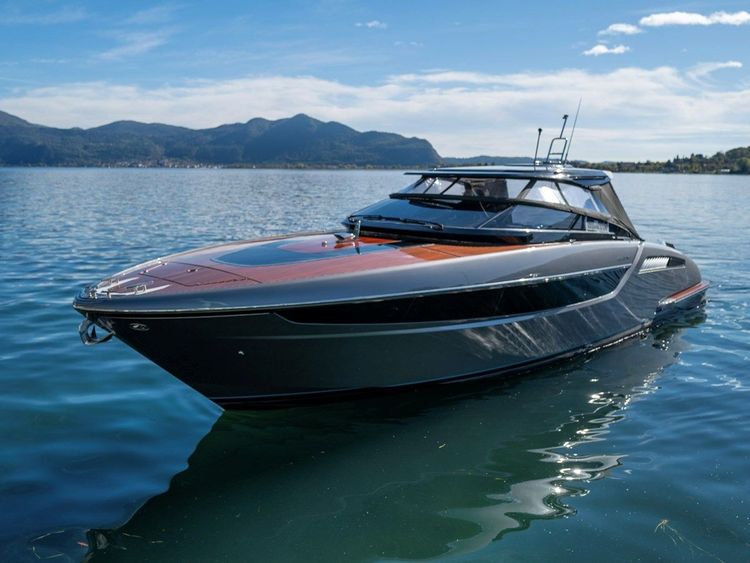
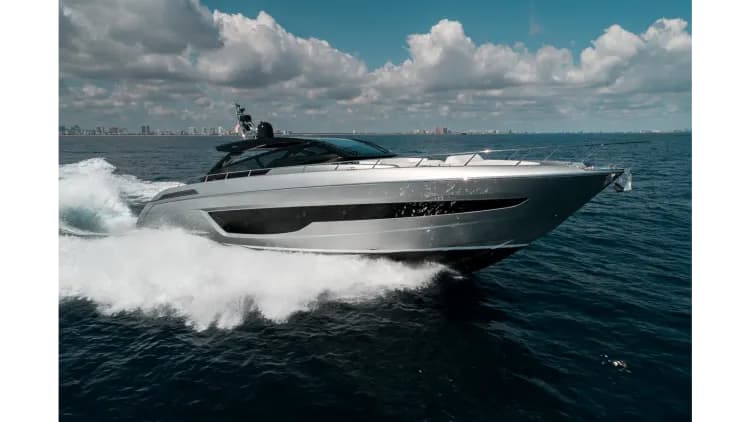
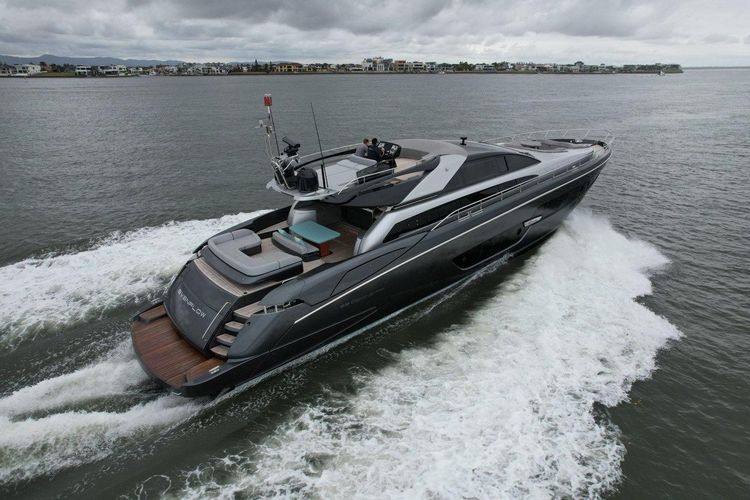

Learn more on the “RIVA YACHT”
To learn more on the “RIVA YACHT” or to get advice on how to buy or sell a yacht or get a great price for a yacht charter
please call +1 (954) 274-4435 USAOnly deal with professionals!